
My Cat Is Losing Weight and Only Drinking Water — Causes and Diagnostic Timing for Chronic Kidney Disease (CKD)
Chronic kidney disease in cats is a condition characterized by a gradual decline in kidney function, and early detection along with proper management can significantly extend a cat’s lifespan. This guide provides a comprehensive overview of the main symptoms, causes, diagnostic methods, treatment options, and key points for home care.

If Your Cat Suddenly Stops Urinating — Emergency Signs of Acute Kidney Failure and Treatment Timing
Acute kidney failure in cats is a critical condition characterized by a sudden decline in kidney function. Early recognition and immediate veterinary care are essential for survival.
Complete Guide to Pimobendan for Dogs: Efficacy, Administration, Side Effects, and Warning Signs
Pimobendan is a key medication for treating heart valve disease and heart failure in dogs. Accurate diagnosis and proper management are essential.
Complete Guide to Canine Cardiac Blood Tests: NT-proBNP and Troponin — From Meaning to Management
NT-proBNP and troponin are key cardiac markers for early detection of heart dysfunction in dogs. Elevated levels of these markers indicate a higher likelihood of heart disease.

A Comprehensive Guide to Mitral Valve Disease (MVD) in Dogs: Symptoms, Causes, Diagnosis, Treatment, and Management
Mitral valve disease (MVD) is a common heart condition in senior dogs, and early detection and management can significantly extend their lifespan. We’ll provide a comprehensive overview of symptoms, causes, diagnostic methods, and treatment strategies.

When Your Dog Suddenly Can’t Breathe — Emergency Golden Hour and Response for Heart Failure
Canine heart failure is a condition in which impaired heart function leads to poor blood circulation, making early detection and proper management essential. In emergency situations, immediate action can save your dog’s life.

How Long Can My Dog Live with Heart Disease? — A Complete Guide to Prognosis and Worsening Signs
The prognosis for dogs with heart disease varies significantly depending on the type of condition and the stage of symptom progression. Early diagnosis and consistent management can greatly extend their lifespan.

Early Screening Signs, Causes, Diagnosis, Treatment, and Management Points for Canine Heart Disease: A Comprehensive Guide
Early detection is key to improving survival rates in dogs with heart disease. We’ve compiled the signs owners should watch for and methods for early screening.

Cat Cardiac Blood Tests: NT-proBNP and Troponin — Complete Guide to Interpreting Values and Management
NT-proBNP and troponin are key biomarkers for the early detection of cardiac dysfunction in cats. These markers are essential tools for assessing the progression and severity of heart disease.

If Your Cat Suddenly Has Difficulty Breathing — Emergency Care for Heart Failure and When to Go to the Vet
Early detection is key to saving a cat’s life when it comes to congestive heart failure. We’ve summarized the emergency symptoms, causes, diagnostic methods, treatment options, and care tips in one easy-to-read guide.

Complete Guide to Canine Fluorescein Corneal Staining: Why It’s Necessary and How to Interpret Results
Fluorescein staining of the cornea is a key diagnostic method for checking for corneal damage in dogs. If your dog has persistent tearing or repeatedly squints, they should be examined immediately.

If Your Cat’s Pupils Are Different Sizes — Causes of Anisocoria and Emergency Diagnosis Points
Abnormalities in a cat's pupils occur when one pupil differs from the other in size or reactivity, and can be caused by infections, trauma, or neurological disorders. Early detection and accurate diagnosis are essential.

Canine Insulin Injection Technique, Dosage Adjustment, Symptoms, Causes, Diagnosis, Treatment, and Management Essentials
Canine diabetes is a chronic condition managed with insulin injections. Proper injection technique and precise dosage adjustment are key to successful treatment.

If You Feel a Lump on Your Cat’s Neck — Thyroid Cancer Signs and Timing for Diagnosis and Treatment
Feline thyroid cancer is a common endocrine disorder in older cats and is often confused with hyperthyroidism. Accurate diagnosis and appropriate treatment are essential.

When Your Cat Is Lethargic and Stumbling — Hypoglycemia Warning Signs and Emergency Response
Feline hypoglycemia is an acute condition in which low blood sugar impairs nervous system function and can progress to shock. Early detection and proper management are essential.

When Your Cat Is Constantly Lethargic and Weak in the Legs — Causes of Hyperaldosteronism and Timing for Treatment
Feline hyperaldosteronism is an endocrine disorder caused by excessive secretion of aldosterone from the adrenal cortex, leading to hypertension and hypokalemia. Early detection and management are essential.

If Your Puppy Is Afraid of People or Dogs — Causes and Correction for Lack of Socialization
A lack of socialization in puppies is a behavioral issue that arises when they don’t receive adequate exposure during the critical period between 4 and 14 weeks of age. We’ve compiled evidence-based veterinary guidance covering everything from symptoms like fear, aggression, and avoidance to behavior modification treatments and home care strategies.

If Your Dog Keeps Biting Your Hand — Causes of Biting Behavior and Step-by-Step Bite Inhibition Training
We’ve compiled a comprehensive guide to help you distinguish between the medical and behavioral causes of dog biting, along with step-by-step correction methods and key home care tips.

Why Is My Dog So Excited? — Causes of Impulse Control Issues and When to Seek Treatment
Excessive excitement and impulse control issues in dogs are not simply personality problems. We’ve compiled a comprehensive guide to diagnosis by cause, behavior modification, and management techniques you can implement at home.

If Your Dog Suddenly Has an Accident at Home — How to Distinguish Causes of Elimination Accidents and Disease Signals
If your dog suddenly has an accident at home, it’s important to check for both medical and behavioral causes. Accurately identifying the root cause is essential for proper treatment and successful retraining.

Why Does My Dog Keep Exhibiting Problem Behaviors? — Causes and 5 Environmental Enrichment Strategies
Enriching your dog’s environment satisfies their natural instincts and helps prevent destructive and compulsive behaviors. We’ve summarized the five types of enrichment along with the SMART x 50 management method.

Why Do Two Cats in One Household Fight? — Causes of Multi-Cat Conflict and Co-Habitation & Mediation Methods
We’ve outlined the causes, symptoms, and diagnostic methods for conflicts between cats in multi-cat households. Explore practical care tips you can implement at home right away, from environmental enrichment to step-by-step introduction protocols.

Comprehensive Guide to Grief Symptoms, Causes, Diagnosis, Treatment, and Management in Pets After a Cat’s Death
After a feline companion passes away, the remaining pets may exhibit signs of grief. Learn about common symptoms such as decreased appetite, lethargy, and increased vocalization, along with veterinary care strategies to support them.

Cats That Hide and Refuse to Eat After a Move — Causes of Environmental Change Stress and Adaptation Management
If your cat hides or refuses to eat after a move or other environmental change, it may be a stress response. We’ve compiled a symptom checklist and at-home care tips based on veterinary science.

My Cat Licked Bleach — Poisoning Symptoms, Dangerous Ingestion Amounts, and Emergency Response Golden Time
We’ve compiled a comprehensive guide based on veterinary advice, covering the symptoms of bleach and detergent exposure in cats, immediate first aid steps, actions to absolutely avoid, the treatment process at the animal hospital, and methods to prevent re-exposure.

My Dog Licked Bleach — Signs of Oral Burns and Proper Emergency Response
We’ve compiled the symptoms, emergency response steps, and actions you should never take at home if your dog licks or ingests bleach, laundry detergent, or kitchen cleaners.

If Your Dog Bites a Toad — From Poisoning Warning Signs to First Aid and Prevention
If your dog bites or licks a toad, it can be exposed to bufotoxin, which may cause dangerous symptoms such as drooling, seizures, and cardiac arrhythmias within minutes. Prompt oral rinsing and a visit to the vet are essential.

If Your Dog Ate Moldy Food — Symptoms and Emergency Response for Mycotoxin Poisoning
Mold toxin poisoning in dogs is a serious condition where toxins from spoiled pet food, nuts, or moldy foods damage the liver and nervous system. We’ve compiled essential information on symptoms by toxin type, emergency response steps, dangerous ingestion amounts, and key prevention tips.

My Dog Ingested an Antidepressant — Emergency Steps to Know Before Tremors and Seizures
If your dog ingests an antidepressant, it can lead to a medical emergency known as serotonin syndrome. We’ve compiled a comprehensive guide covering immediate first aid steps, dangerous dosage levels, and treatment options.

Dog Nicotine Poisoning: Symptoms, Emergency Response, Dangerous Dosage, and Prevention Guide
We’ve compiled a comprehensive guide based on veterinary resources, covering the signs of nicotine poisoning in dogs after ingesting cigarettes, e-cigarettes, or nicotine patches, along with emergency first aid, hospital treatment procedures, and prevention tips.

If Your Cat Ingested an Iron Supplement — Poisoning Symptoms and When to Go to the Vet
Even if initial symptoms of iron supplement toxicity in cats appear to improve, the condition can deteriorate rapidly due to liver damage and shock 12 to 24 hours later. If ingestion is confirmed, contact a veterinary clinic immediately, regardless of whether symptoms are present.
If Your Dog Ingested Iron Supplements — Toxicity Symptoms, First Aid, and Dangerous Ingestion Levels
If a dog ingests too much iron supplement, it can lead to severe poisoning that progresses through four stages, from gastrointestinal damage to liver failure. Emergency treatment within six hours of ingestion is crucial for determining the outcome.

If Your Dog Ingested Pesticide — Symptoms of Organophosphate Poisoning and Emergency Response Timing
Based on veterinary expertise, we’ve compiled information on the symptoms, emergency response steps, hospital treatment procedures, and home prevention measures for dogs exposed to organophosphate components in pesticides and insecticides.

If Your Cat Ingested Rat Poison — From Bleeding Symptoms to Detox, Emergency Care, and Prevention
When you suspect your cat has ingested rat poison (rodenticide) directly or consumed a poisoned rodent, we’ve outlined the symptoms by type of rodenticide, criteria for immediate veterinary care, and post-discharge home care.

If Your Cat Ate Onions or Garlic — From Anemia Symptoms to Emergency Treatment and Dangerous Ingestion Levels
If a cat eats onions or garlic, it can lead to hemolytic anemia, where red blood cells are destroyed. Emergency treatment within 24 hours of ingestion can be life-saving.

Crusts on Your Cat’s Nose Bridge May Not Be a Simple Wound — Causes and Treatment Timing for Pemphigus
Feline pemphigus is an autoimmune skin disease in which the immune system mistakenly attacks the cat’s own skin cells. It causes crusts and blisters on the face, ears, and paw pads, and requires long-term immunosuppressive therapy.

Feline Eosinophilic Granuloma: Symptoms, Causes, Diagnosis, Treatment, and Management Essentials
Feline eosinophilic granuloma is a skin condition in which excessive accumulation of eosinophils in the skin causes chronic inflammatory lesions. Here’s a summary of the symptoms, causes, diagnosis and treatment methods, and management strategies to prevent recurrence for each of the three forms.

If Your Dog Has Dandruff and Oily Skin — Causes and Treatment Timing for Seborrheic Dermatitis
Canine seborrheic dermatitis is a chronic condition characterized by recurring dandruff, unpleasant odor, and oily skin due to abnormal shedding of skin cells and sebum production. We’ve summarized the key points, from distinguishing between primary and secondary causes to medicated bath treatments and preventive care strategies to help avoid flare-ups.

Why Is My Cat Constantly Licking and Smelly? — Causes and Treatment of Malassezia Dermatitis
Feline Malassezia dermatitis is a fungal skin disease caused by an overgrowth of yeast. Our veterinary advisory team has compiled information on the symptoms, causes, diagnosis, treatment, and management strategies to prevent recurrence.

If Your Dog Keeps Scratching and Smells Bad — Causes and Treatment Timing for Malassezia Dermatitis
Malassezia dermatitis is a condition in which the yeast that naturally lives on a dog’s skin overgrows, causing itching, a foul odor, and changes in skin color. To prevent recurrence, antifungal treatment must be combined with addressing underlying causes such as allergies or endocrine disorders.

If Your Cat’s Nasal Congestion Won’t Go Away — Causes and Treatment Points for Chronic Rhinitis and Rhinosinusitis
Feline rhinosinusitis is a chronic respiratory condition in which the nasal passages and sinuses become inflamed, often due to infections such as feline herpesvirus or calicivirus. We’ve compiled a comprehensive guide covering symptoms, diagnosis, treatment, and home care, all based on veterinary expertise.

If Your Dog Keeps Sniffling — Causes and Treatment Timing for Rhinitis and Rhinosinusitis
Canine rhinosinusitis is a respiratory condition in which inflammation occurs simultaneously in the nasal mucosa and the sinuses, with diverse causes including bacterial and fungal infections, allergies, and dental infections. We’ve compiled a symptom checklist by cause, along with diagnostic and treatment methods, plus home care tips you can follow.

Feline Pulmonary Edema: Symptoms, Causes, Diagnosis, Treatment, and Care Essentials
Feline pulmonary edema is a serious respiratory condition in which fluid accumulates in the lungs. We’ve compiled key information covering causes, emergency criteria, treatment, and post-discharge home care.
If Your Dog Suddenly Has Labored Breathing — Pulmonary Edema Symptoms, Causes, and Emergency Response Timing
Pulmonary edema in dogs is an emergency condition in which fluid accumulates in the lungs, causing difficulty breathing. Here’s a clear overview of the causes, diagnosis, treatment, and key points for home care.

Coccidiosis in Dogs: Symptoms, Transmission Routes, Treatment, and Prevention
Coccidiosis in dogs is a parasitic gastrointestinal disease caused by protozoan parasites invading the intestinal mucosa, leading to diarrhea and dehydration. It is particularly dangerous for puppies under six months of age, making early diagnosis and treatment essential.

Canine Anaplasmosis: Symptoms, Transmission Routes, and Treatment & Prevention Guide
Canine anaplasmosis is a bacterial infection transmitted by ticks, characterized by symptoms such as high fever, lethargy, and decreased platelet count. When detected early, it can typically be fully cured with antibiotics.
Feline Giardiasis: Symptoms, Transmission Routes, and Treatment & Prevention Guide
Feline giardiasis is a gastrointestinal parasitic disease caused by protozoa that parasitize the small intestine. The main symptoms include diarrhea and weight loss, and early diagnosis along with environmental disinfection are key to preventing recurrence.

Canine SFTS: Symptoms, Transmission Routes, and Treatment & Prevention Strategies
Severe Fever with Thrombocytopenia Syndrome (SFTS) in dogs is a viral infection transmitted by ticks. We’ve compiled a comprehensive, evidence-based veterinary overview of its key symptoms—such as fever, low platelet counts, and bleeding tendencies—along with treatment and prevention strategies.
If Your Dog Is Constantly Lethargic — Early Signs of Leukemia and Timing for Diagnosis and Treatment
Canine leukemia is a type of blood cancer characterized by the abnormal proliferation of white blood cells in the bone marrow and bloodstream. This article provides a comprehensive overview of the symptoms and diagnostic methods for acute and chronic types, as well as chemotherapy protocols, prognosis, and home care strategies.

Early Symptoms, Diagnosis, Treatment, Prognosis, and Care Guide for Feline Liver Tumors
Feline liver tumors are often difficult to detect early due to a lack of noticeable symptoms in the initial stages. This article provides a comprehensive, evidence-based overview covering early warning signs, diagnostic methods, surgical and chemotherapy options, and home care strategies.

Dog Liver Tumors: From Early Symptoms to Diagnosis, Treatment, and Prognosis
Liver tumors in dogs often show few early symptoms, leading to delayed diagnosis. We’ve compiled essential information for pet owners, covering diagnostic methods, surgical and chemotherapy treatments, and post-operative home care.
Early Signs, Diagnosis, Treatment, Prognosis, and Care Guide for Canine Thyroid Cancer
About 90% of thyroid cancers in dogs are malignant carcinomas, making early detection crucial for prognosis. We’ve compiled key information covering everything from early signs like neck lumps and difficulty swallowing to surgical options, radioactive iodine therapy, and home care strategies.

If Your Dog Has Swollen Joints and a Fever — Symptoms and Treatment of Immune-Mediated Polyarthritis
Canine immune-mediated polyarthritis is an autoimmune disease in which the immune system mistakenly attacks two or more joints simultaneously. Early diagnosis and immunosuppressive therapy are key, and it’s essential to understand long-term management strategies to prevent relapse.

Canine Pulmonary Hypertension: Symptoms, Causes, Diagnosis, Treatment, and Management Essentials
Canine pulmonary hypertension is a cardiopulmonary condition characterized by abnormally high pressure in the pulmonary blood vessels. Coughing, fainting, and difficulty breathing are the primary symptoms, and early diagnosis via echocardiography along with consistent medication significantly influences the prognosis.

If Your Dog’s Coughing Has Increased — Symptoms of Mitral Valve Insufficiency and When to Visit the Vet
Canine mitral valve insufficiency is a heart disease in which thickening of the heart valves causes blood to flow backward. Our veterinary advisory team has compiled a comprehensive guide covering symptoms and causes, treatment by ACVIM stage, and home care tips such as monitoring respiratory rate.

If Your Dog Keeps Bumping Into Things at Night — Symptoms and Progression Stages of Progressive Retinal Atrophy
Progressive Retinal Atrophy (PRA) in dogs is an eye condition in which the retina’s light-sensitive cells degenerate due to genetic factors, leading to vision loss that progresses from night blindness to complete blindness. While there is no cure, early detection and environmental management can help maintain a good quality of life.
If Your Dog Suddenly Collapses and Vomits — Emergency Signs and Treatment of Diabetic Ketoacidosis
Diabetic ketoacidosis (DKA) in dogs is an endocrine emergency caused by a lack of insulin, leading to the accumulation of ketone bodies in the blood. Our veterinary advisory team has compiled comprehensive information covering symptoms, diagnosis, treatment, and lifelong post-discharge dietary and insulin management.

Feline Foreign Body Obstruction: Symptoms, Causes, Diagnosis, Treatment, and Care Essentials
Feline foreign body obstruction is a gastrointestinal emergency in which a swallowed object blocks the digestive tract. We’ve compiled everything you need to know—from a symptom checklist to endoscopic and surgical treatments, and post-discharge care.

Dog Foreign Body Obstruction: Symptoms, Causes, Diagnosis, Treatment, and Care Essentials
Foreign body obstruction in dogs is an emergency condition where a swallowed object blocks the digestive tract. We’ve compiled essential information for pet owners, covering symptoms, diagnosis, treatment, and post-surgical care.

Canine Megaesophagus: Symptoms, Causes, Diagnosis, Treatment, and Management Essentials
Canine megaesophagus is a digestive disorder in which the esophagus abnormally dilates, leading to regurgitation and aspiration pneumonia. We’ve outlined key management strategies that pet owners can implement, including diagnosis and treatment based on the underlying cause, use of the Bailey chair, and dietary adjustments.

Hydrocephalus in Dogs: Symptoms, Causes, Diagnosis, Treatment, and Management Essentials
Hydrocephalus in dogs is a neurological condition in which excess cerebrospinal fluid accumulates in the brain’s ventricles, putting pressure on brain tissue. Early detection and ongoing management can significantly impact your dog’s quality of life.

If Your Cat Tilts Its Head and Stumbles — Causes, Diagnosis, and Emergency Response for Vestibular Syndrome
Feline vestibular syndrome is a neurological disorder in which dysfunction of the vestibular system in the inner ear or brainstem causes a sudden loss of balance. The key is to quickly determine whether the cause is idiopathic or central.

Everything You Need to Know About Feline Epilepsy: Symptoms, Causes, Diagnosis, Treatment, and Care
We’ve compiled everything pet owners need to know about feline epilepsy, including causes, symptoms, diagnosis, treatment, and home care.

Canine Epileptic Seizures: Symptoms, Causes, Diagnosis, Treatment, and Key Management Points
Canine epilepsy is a neurological condition characterized by sudden seizures and loss of consciousness due to abnormal electrical signals in the brain. Here’s a comprehensive overview of seizure types, causes, diagnosis, treatment, and key home care tips.

Feline Corneal Ulcers — Emergency Care and Treatment Options Guide
Feline corneal ulcers are an ophthalmic emergency requiring prompt attention within 24 hours. We’ve compiled the essential information pet owners need to know, covering causes, diagnosis, treatment, and home care.
Portosystemic Shunts in Puppies — Diagnosis and Surgery in Young Dogs
We’ve compiled essential information for pet owners about portosystemic shunts (PSS) in young puppies, covering causes, symptoms, diagnostic methods, timing of surgery, and dietary and medical management.

If Your Dog Has End-Stage Cirrhosis — Final Signs, Pain Relief, and Hospice Care
We’ve put together a clear, easy-to-understand guide for pet owners on the key symptoms of end-stage liver cirrhosis in dogs—such as ascites, jaundice, and hepatic encephalopathy—along with home hospice care tips and when it’s time to head to the vet.

If Your Dog’s Gums Have Turned Black — Signs of Suspected Oral Melanoma and When to Visit the Vet
Canine oral melanoma is the most common malignant tumor that develops in a dog’s mouth. New black spots on the gums or roof of the mouth, bad breath, and bleeding are signs that warrant early diagnosis.

Canine Bladder Tumors (Transitional Cell Carcinoma): Symptoms and Treatment Options
Canine bladder tumors (transitional cell carcinoma) are malignant growths that cause recurring hematuria and frequent urination, with early detection being the key to prognosis. We’ve compiled the essential information every pet owner needs to know, including at-risk breeds, a symptom checklist, diagnostic and treatment steps, and key points for home care.

Feline FLUTD (Idiopathic Cystitis) — Stress Causes and Environmental Management
More than half of feline FLUTD cases are idiopathic cystitis (FIC), primarily caused by stress. Environmental enrichment (following the 7 principles of MEMO) and increased water intake are more effective core treatments than antibiotics.
Coughing Puppy? Heartworm Disease — Stage 1–4 Symptoms and Melarsomine Treatment
Heartworm disease in dogs is a parasitic condition in which larvae transmitted by mosquito bites mature into adult worms in the heart and pulmonary arteries. Here’s a summary of the symptoms, diagnosis, Melarsomine treatment schedule, and recovery care for each of the four stages of progression.

The Complete Guide to Cat Scratch Disease (Bartonella)
Cat scratch disease is a zoonotic infection caused by Bartonella bacteria. While cats are typically asymptomatic carriers, the disease can be transmitted to humans and dogs. Here’s a summary of the symptoms, treatment, and prevention.

Risk of Human Infection from Mange
Mange in dogs and cats is a zoonotic disease that can be transmitted to humans. Here’s a summary of the infection routes, symptoms, treatment methods, and management practices to prevent transmission to people.

Can My Pet’s Diarrhea Be Transmitted to Humans? — Salmonella Infection Symptoms and Prevention Points
Salmonella is a zoonotic bacterial infection that can affect not only dogs and cats but also humans. The main symptoms include diarrhea, fever, and dehydration, and the risk increases when feeding raw or undercooked meat.

Cat Polycystic Kidney Disease (PKD) Guide
We’ve put together a clear, owner-friendly overview of the causes, symptoms, diagnosis, and management strategies for polycystic kidney disease (PKD), a condition commonly seen in Persian cats.

The Ultimate Guide to Kidney Stones in Dogs by Type (Struvite & Calcium Oxalate)
Kidney stones in dogs are classified into struvite and calcium oxalate types based on their composition, and the causes, treatments, and dietary management strategies differ significantly between the two. Identifying the specific type of stone is the essential first step in treatment.

Feline Injection-Site Sarcoma (FISS): Causes, Symptoms, and Treatment Overview
We’ve compiled everything pet owners need to know about feline injection-site sarcoma (FISS), from its definition and causes to symptoms, early diagnosis criteria, treatment options, and prevention of recurrence.
Treatment of Canine Mast Cell Tumors by Grade
Canine mast cell tumors are skin cancers where the extent of surgery and the need for chemotherapy vary significantly depending on the tumor grade. A biopsy is essential to determine the grade, which then guides the development of a personalized treatment plan.

Canine Demodicosis (Demodex) Skin Infection
Demodicosis in dogs is a condition caused by an overpopulation of mites living within hair follicles, leading to hair loss and skin inflammation. Here’s a comprehensive overview covering the causes, symptoms, treatment, and prevention of recurrence.

The Complete Guide to Tick-Borne Canine SFTS (Severe Fever with Thrombocytopenia Syndrome)
Severe Fever with Thrombocytopenia Syndrome (SFTS) is a viral infection transmitted by the Haemaphysalis longicornis tick. It has a high fatality rate and can be transmitted to humans, so dog owners must be aware of it.

Giardia Infection and Treatment
Giardia (also known as lambliasis) is a protozoan parasite that infects the intestines of dogs and cats, causing chronic diarrhea. Here’s a summary of the symptoms, diagnosis, treatment, and prevention of reinfection.

Canine Inner Ear Otitis and Balance Disorders
Canine inner ear otitis is a condition in which inflammation of the innermost ear structures, including the vestibular organs, causes dizziness and balance disturbances. Early treatment is crucial for preserving hearing and promoting nerve recovery.

Symptoms and Treatment of Canine Otitis Media (Behind the Eardrum)
Canine otitis media is an inflammatory condition affecting the middle ear space, located behind the eardrum. It can easily develop if otitis externa (outer ear inflammation) is left untreated for too long. If you notice symptoms such as head tilting or balance issues, seek veterinary care promptly.

Dog and Cat Alcohol Poisoning: Symptoms, Emergency Response, and Treatment
This guide, compiled by our veterinary advisory team, covers the causes, symptoms, emergency response, hospital treatment, and prevention of alcohol poisoning in dogs and cats.

Macadamia Nut and Other Nut Poisoning
This guide outlines the signs of macadamia nut and other nut poisoning in pets, along with emergency response steps and the treatment and recovery process.

If Your Cat Ingested Tylenol — Acetaminophen Poisoning Symptoms and Emergency Treatment
Cats have very little of the enzyme needed to break down acetaminophen (the active ingredient in Tylenol), so even a tiny amount can cause fatal poisoning. We’ve outlined emergency steps for symptoms such as gum discoloration, facial swelling, and difficulty breathing, as well as the treatment process at the veterinary clinic.

Symptoms and Treatment of Canine Intervertebral Disc Disease (IVDD)
We’ve compiled a comprehensive guide covering the causes of intervertebral disc disease (IVDD) in dogs, symptoms by grade, criteria for conservative versus surgical treatment, and home care tips.

Symptoms and Treatment of Canine Cervical Disc Disease (Cervical IVDD)
Our veterinary advisory team has compiled a comprehensive guide covering the causes, symptoms, diagnosis, conservative and surgical treatments, and rehabilitation for canine cervical disc disease (cervical intervertebral disc disease).
Dog Urethral Obstruction: Symptoms, Causes, Diagnosis, Treatment, and Management Essentials
Urethral obstruction in dogs is a life-threatening emergency in which the urethra becomes blocked, preventing urine from passing. Prompt intervention can save your dog’s life. Common causes include urinary stones, inflammation, and tumors.

Proteinuria in Dogs: Symptoms, Causes, Diagnosis, Treatment, and Management Essentials
Proteinuria in dogs occurs when abnormal amounts of protein appear in the urine due to impaired kidney function. Early detection and proper management are key to preventing the condition from worsening.

Hematuria in Dogs: Symptoms, Causes, Diagnosis, Treatment, and Care Essentials
Hematuria in dogs is a condition where blood appears in the urine, and it can be caused by various factors such as infections, stones, or other diseases. Early diagnosis and treatment are crucial.
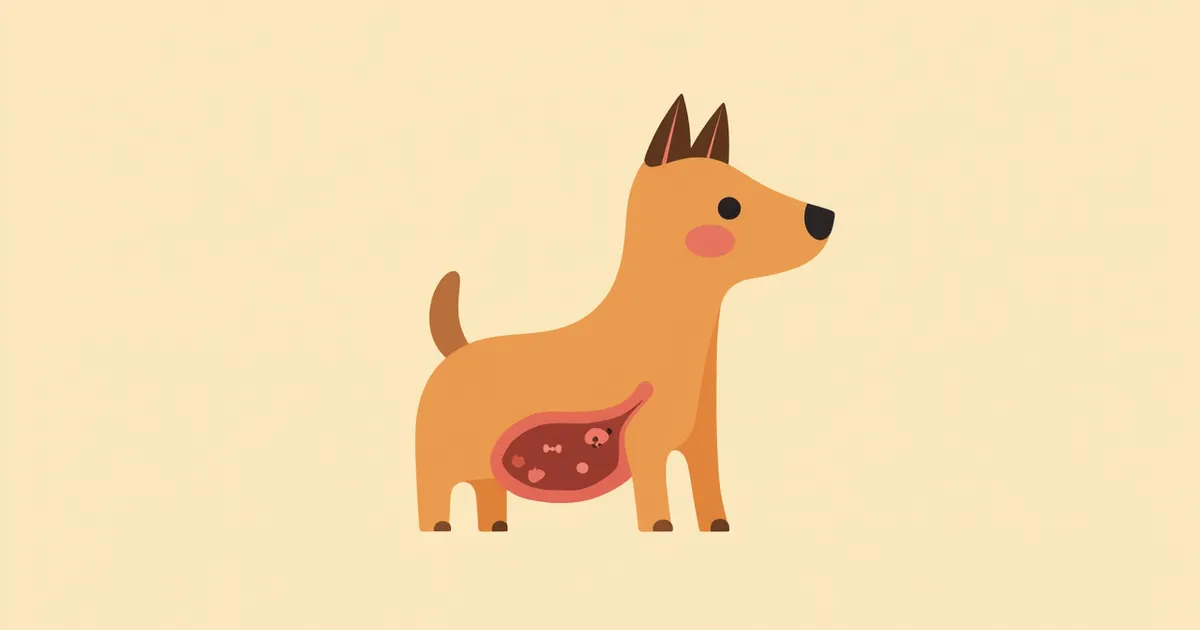
Dog Bladder Polyps and Growths: Symptoms, Causes, Diagnosis, Treatment, and Management Essentials
Bladder polyps or growths in dogs are abnormal tissue formations inside the bladder that can cause urinary difficulties and bleeding. Early detection and appropriate treatment are essential.

Canine Bacterial Cystitis: Symptoms, Causes, Diagnosis, Treatment, and Management Essentials
Bacterial cystitis in dogs is an inflammatory condition caused by bacterial invasion of the bladder, with common symptoms including difficulty urinating, blood in the urine, and frequent urination. With early diagnosis and appropriate treatment, full recovery is possible.

Feline Urine Culture Test: Symptoms, Causes, Diagnosis, Treatment, and Management Essentials
A feline urine culture test is essential for accurately diagnosing urinary tract infections and selecting the appropriate antibiotics for treatment. Proper sample collection is crucial to ensure accurate results.
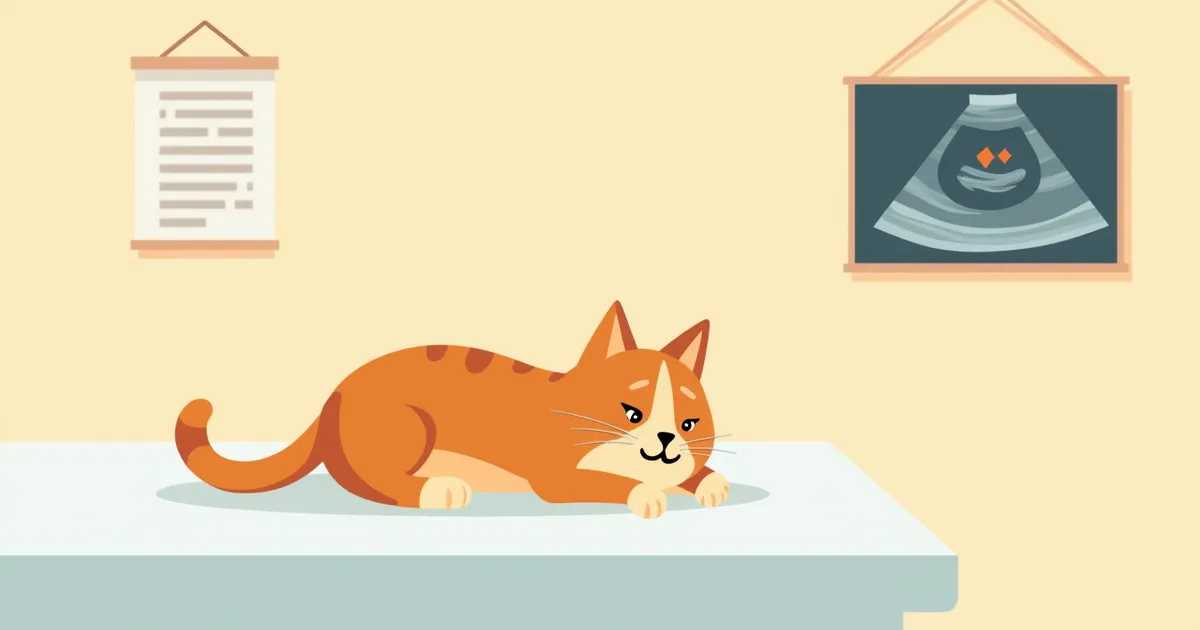
Feline Ureteral Stones: A Complete Guide to Symptoms, Causes, Diagnosis, Treatment, and Management
Feline ureteral obstruction is an acute condition in which stones block the ureter, making it difficult for urine to pass. It can cause significant pain and poses a risk of kidney damage. Early diagnosis and treatment are essential.

Feline Ureteral Bypass Surgery (SUB): Symptoms, Causes, Diagnosis, Treatment, and Care Points Summary
Feline ureteral bypass surgery (SUB) is a procedure that temporarily reroutes the urinary tract to protect the kidneys when the ureter is blocked. This surgery is a vital, life-saving treatment in emergency situations.

Feline Pollakiuria and Stranguria: Symptoms, Causes, Diagnosis, Treatment, and Management Essentials
Feline pollakiuria and stranguria refer to the frequent urge to urinate and repeated attempts to pass urine, which can be caused by various factors such as infections, bladder stones, or inflammation. Early diagnosis and appropriate treatment are essential.

Feline Idiopathic Cystitis: Symptoms, Causes, Diagnosis, Treatment, and Management Essentials
Feline idiopathic cystitis is a bladder inflammation of unknown cause, characterized by difficulty urinating, blood in the urine, and changes in litter box habits. Accurate diagnosis and environmental management are key to treatment.
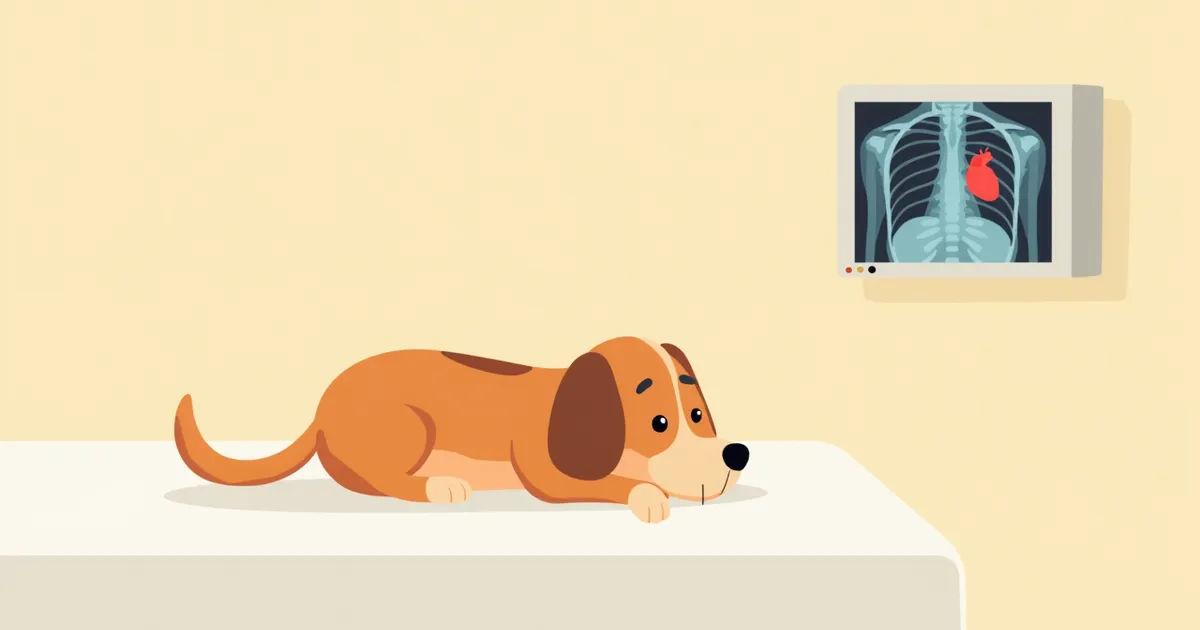
Dog Chest X-ray Interpretation: Symptoms, Causes, Diagnosis, Treatment, and Care Points Summary
Chest X-ray interpretation is a key tool in diagnosing respiratory diseases in dogs. Accurate interpretation and an appropriate treatment plan are essential.

Canine Pneumothorax: Symptoms, Causes, Diagnosis, Treatment, and Management Essentials
Canine pneumothorax is an acute condition in which air accumulates around the lungs, making breathing difficult and causing sudden respiratory distress and coughing. Early diagnosis and appropriate treatment are key to saving your dog’s life.