
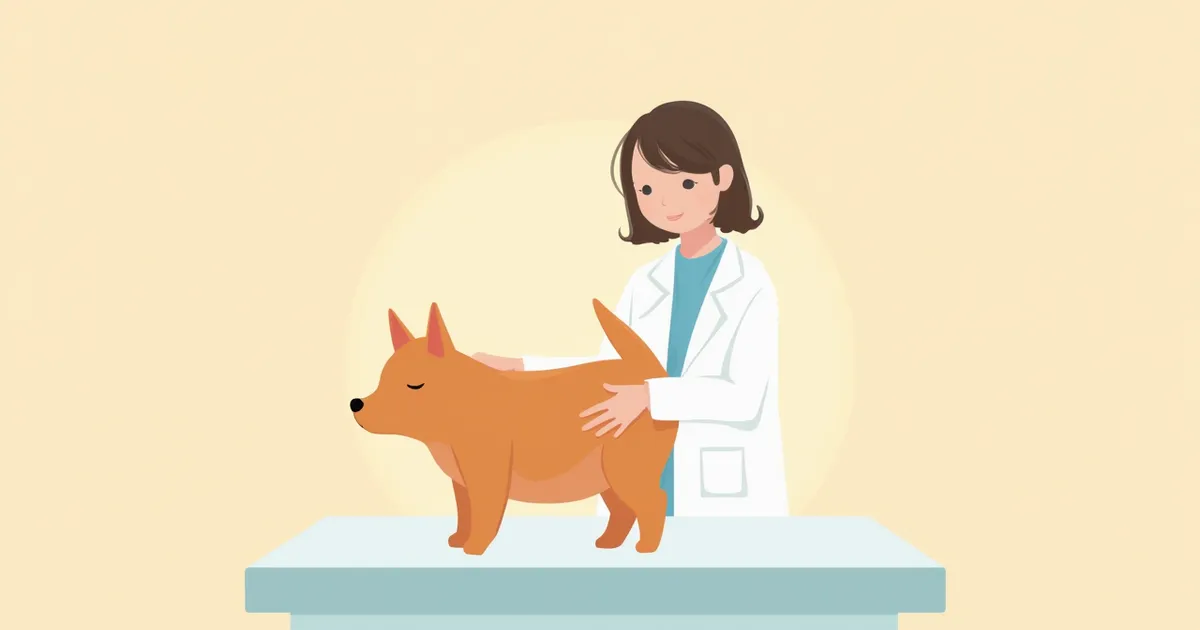
Comprehensive Guide to Canine Anal Sac Cancer (Apocrine Gland Adenocarcinoma): Causes, Symptoms, and Treatment
We’ve put together a comprehensive guide on apocrine gland adenocarcinoma, a malignant tumor that develops in a dog’s anal sacs, covering its causes, early symptoms, diagnosis, surgical and chemotherapy treatments, and recurrence management.
What Is Apocrine Gland Anal Sac Adenocarcinoma?

Causes and Pathogenesis
Key Symptoms Not to Miss
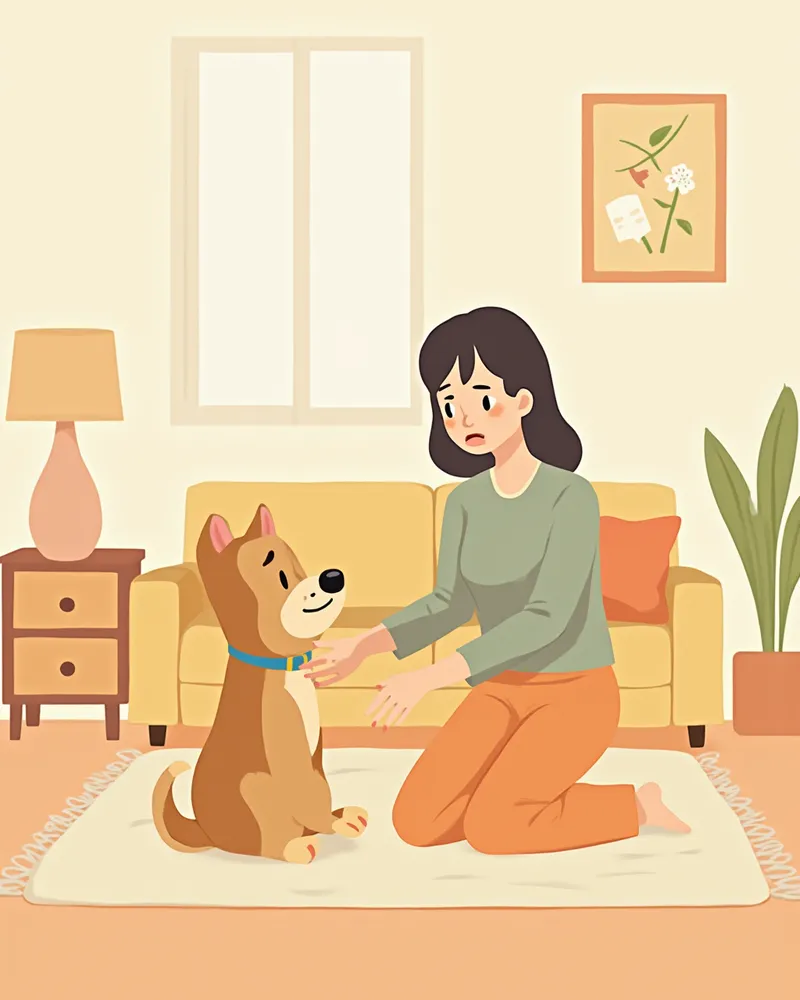
Seek Veterinary Care Within 24 Hours If These Signs Appear
If any of the following signs are present, seek veterinary care immediately: 1) a firm lump is palpable near the anus; 2) the pet is drinking significantly more water than usual and experiencing a sudden increase in urine output (a warning sign of hypercalcemia); 3) lethargy accompanied by vomiting and loss of appetite; 4) excessive straining during defecation. Hypercalcemia, in particular, is an emergency because it can lead to acute kidney failure.
How Is It Diagnosed?
How Is Treatment Conducted?
How to Care for Your Pet at Home?
Regular Check-up Schedule for Recurrence Prevention
Apocrine gland adenocarcinoma has a high rate of recurrence and metastasis even after surgery. Regular check-ups are recommended every three months in the first year, and every six months from the second year onward. At each check-up, rectal palpation, abdominal ultrasound, chest X-rays, and blood calcium levels should be monitored. At home, it’s also helpful to gently palpate the area around the anus once a month.
Reviewed by a veterinarian

Dr. Tony — Punnawat Phongkittirak
VeterinarianA veterinarian who majored in veterinary medicine at Khon Kaen University, Thailand, and completed the IVSA program at North Carolina State University in the United States. Drawing on clinical experience at animal hospitals, he works in the pet healthcare field and is dedicated to building a digital care environment that connects pet parents with veterinarians.
Reviewed 2026-04-28
Frequently Asked Questions
Is anal sac cancer hereditary?
Will surgery cure the condition?
How is it different from perianal gland inflammation?
Why is hypercalcemia dangerous?
Will expressing the anal glands in advance help prevent problems?
Share
Related Guides

Primary vs. Secondary Veterinary Hospitals: A Comparison

5 Easy-to-Raise Cat Breeds for First-Time Owners — Grooming Difficulty Comparison

Top 7 Short-Legged Dog Breeds

Are Dental Treats for Cats Really Effective? How to Choose and Use Them Correctly

If Your Cat’s Bad Breath Is Concerning You — Tartar and Plaque Prevention and Care Tips

Milk Leaking from the Nose While Nursing — Symptoms and Surgical Timing for Cleft Palate in Cats

Complete Guide to CT and MRI Scans for Canine Tumors — From Staging to Treatment Planning
Dog Tumor Surgery: Did We Get It All? Surgical Margin Assessment Determines Recurrence

If Your Dog’s Mammary Lumps Are Hormone-Related — Causes and Treatment of Progesterone Tumors

If Your Dog Suddenly Collapses — Emergency Signs, Diagnosis, and Treatment Timing for Hemangiosarcoma
References
[1] Kudnig S.T., Séguin B., Veterinary Surgical Oncology, 2nd Edition, Chapter: Alimentary Tract - Perianal and Anal Sac Tumors, Wiley-Blackwell, 2022
[2] Thrall D.E., The Veterinary Workbook of Small Animal Clinical Cases, Case 26: Perianal Masses, Wiley-Blackwell, 2018
[3] Withrow S.J., Vail D.M., Page R.L., Small Animal Clinical Oncology, 6th Edition, Chapter: Tumors of the Gastrointestinal Tract, Elsevier, 2019
[4] Heaton C.M., Fernandes A.F.A., Jark P.C., et al., Evaluation of toceranib for treatment of apocrine gland anal sac adenocarcinoma in dogs, J Vet Intern Med 34(2):873-881, 2020