Like
Share
멍실장
고양이 당뇨 식이 관리 증상과 원인, 진단·치료와 관리 포인트 총정리

How to Plan a Diabetic Cat’s Diet — Key Points for Blood Sugar Management

EndocrineDiseasesMeongsiljang Veterinary Advisory Board

Feline diabetes is an endocrine disorder in which impaired insulin function makes it difficult to regulate blood sugar levels. Proper dietary management is the cornerstone of treatment.

Feline Diabetes Is a Metabolic Disorder Caused by Impaired Insulin Function
Insulin syringes for cats
Feline diabetes is an endocrine and metabolic disorder characterized by persistent hyperglycemia due to inadequate insulin secretion or impaired insulin action (insulin resistance). It closely resembles type 2 diabetes in humans and is most commonly seen in middle-aged to older cats, with obesity being a major risk factor. - Obesity: Overweight cats are approximately four times more likely to develop diabetes than cats of normal weight, as substances secreted by adipose tissue can induce insulin resistance. - Genetic predisposition: Certain breeds, such as the Burmese, are known to be genetically more susceptible to diabetes. - Advanced age: The condition occurs more frequently in older cats. - Reduced activity and neutering: Risk is reported to be higher in cats with low activity levels and in neutered males. All of these factors can interact in complex ways to trigger the disease.

The Main Causes of Diabetes Are Obesity and Genetic Predisposition
Obesity-induced insulin resistance is a key underlying factor in feline diabetes. As a cat gains weight, insulin becomes less effective at lowering blood sugar levels. - Obesity: Cytokines and other substances secreted by fat cells interfere with insulin signaling, blunting insulin’s action. Overweight cats are about four times more likely to develop diabetes. - Genetic predisposition: The Burmese breed has been reported to have a genetically higher risk of developing diabetes. - Impaired insulin secretion and sensitivity: Diabetes occurs when there is damage to insulin secretion, insulin sensitivity, or both. - Reduced activity: Low physical activity decreases energy expenditure, making blood sugar regulation more difficult. When these factors combine, the likelihood of developing diabetes increases.
Graph of Risk Factors for Feline Diabetes

Main Symptoms Include Polyuria, Polydipsia, Polyphagia, and Weight Loss
The hallmark signs of feline diabetes are increased thirst, increased urination, increased appetite, and weight loss (polyuria, polydipsia, polyphagia, and weight loss). - Polyuria: When blood glucose exceeds the kidney’s reabsorption threshold (approximately 250–350 mg/dL), glucose spills into the urine, triggering osmotic diuresis and increasing urine volume. - Polydipsia: Significant fluid loss through urine leads to intense thirst, causing the cat to drink water more frequently and in larger amounts. - Polyphagia: Because the body cannot properly use glucose for energy, the cat feels constantly hungry. - Weight loss: Since glucose is not being utilized effectively, the body breaks down fat and muscle to obtain energy, leading to muscle atrophy. - Decreased activity and poor coat condition: A rough coat and reduced activity levels may also occur. All of these signs are important indicators that should raise suspicion of diabetes.
A cat frequently using the litter box

Emergency Symptoms Requiring Immediate Veterinary Visit

If your cat appears lethargic or disoriented, breathes rapidly, vomits repeatedly, or has seizures, diabetic ketoacidosis should be suspected. This is a life-threatening emergency, so immediate veterinary care is essential.

Diagnosis Is Confirmed Through Blood and Urine Tests
Feline diabetes is diagnosed when there is persistently high blood sugar, glucose is detected in the urine, and clinical signs such as polyuria (excessive urination), polydipsia (excessive thirst), and weight loss are present. To distinguish this from transient blood sugar spikes (stress-induced hyperglycemia), multiple tests are required. - Blood tests: These confirm whether blood glucose levels remain consistently elevated. Since stress alone can cause temporary spikes, repeated measurements are necessary. - Urine tests: When blood glucose exceeds the kidney’s reabsorption threshold (approximately 250–350 mg/dL), glucose appears in the urine. Ketones are not present in the urine of healthy cats; therefore, the presence of ketonuria raises suspicion of ketoacidosis. - Confirmation of persistence and clinical signs: A definitive diagnosis requires the combination of persistent hyperglycemia and the clinical signs of polyuria, polydipsia, and weight loss. - Comprehensive evaluation: We analyze all test results together to establish an accurate diagnosis and develop an appropriate treatment plan.
A veterinarian drawing blood from a cat

Treatment Consists of Insulin Injections and Dietary Management
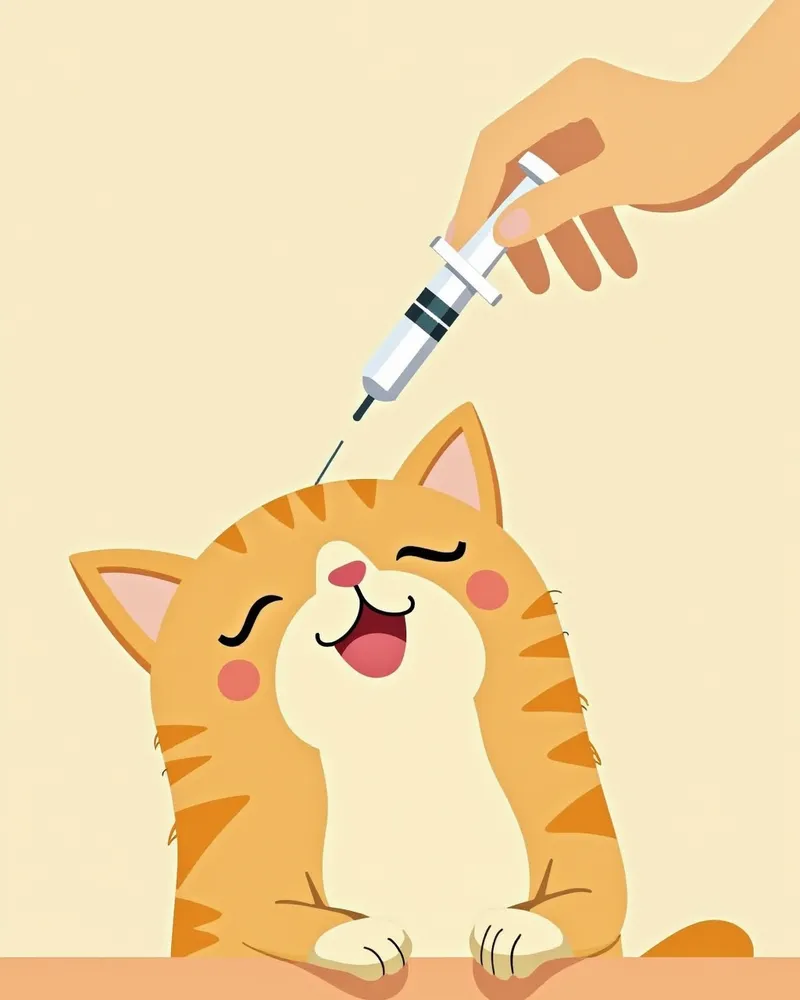
The cornerstone of treating feline diabetes is a combination of insulin injections and a low-carbohydrate, high-protein diet. - Insulin injections: Long-acting insulins such as glargine or PZI are typically recommended, administered twice daily. Dosages are determined based on the cat’s ideal body weight. - Low-carbohydrate diet: Diets with very low carbohydrate content (less than 6% of calories) help regulate blood sugar and promote remission. - High-protein diet: This helps prevent muscle loss and provides a steady energy source. - Dosage adjustments: Your veterinarian will adjust the insulin dose based on your cat’s weight and blood glucose response. The most critical complication to monitor during treatment is hypoglycemia (low blood sugar). - Potential for remission: With strict blood sugar management combining insulin and a low-carbohydrate diet, some cats may achieve remission, allowing them to discontinue insulin injections (reported in over 80% of cases). Consistent, diligent care is key.
Administering an insulin injection to a cat

Home Care Centers on Consistent Feeding, Injections, and Monitoring

It is important to feed your cat the same amount of food at the same time every day and to administer insulin regularly according to the method prescribed by your veterinarian. - Consistent meal times: Feeding a set amount at the same time each day makes blood sugar fluctuations more predictable. - Regular administration: If your cat has no appetite or eats very little, do not administer the full dose of insulin, as this poses a risk of hypoglycemia; please consult your veterinarian. - Blood glucose curve records: Measure blood glucose curves at home or at the clinic every 1–2 weeks, keep a log similar to a diary, and share it with your veterinarian. - Weight monitoring: Weigh your cat periodically to track any changes. - Behavioral observation: Carefully monitor changes in activity level, appetite, water intake, and elimination habits. These routines are key to successful treatment.
Cat Diabetes Management Diary

Certain Breeds Have a Higher Risk of Diabetes and Require Caution

Certain breeds, such as the Burmese, have a genetic predisposition that places them at a higher risk for developing diabetes. This risk is further compounded by obesity; overweight cats are approximately four times more likely to develop the condition than those at a healthy weight, making proper weight management and early screening essential.

Reviewed by a veterinarian

Dr. Tony — Punnawat Phongkittirak

Dr. Tony — Punnawat Phongkittirak

Veterinarian

A veterinarian who majored in veterinary medicine at Khon Kaen University, Thailand, and completed the IVSA program at North Carolina State University in the United States. Drawing on clinical experience at animal hospitals, he works in the pet healthcare field and is dedicated to building a digital care environment that connects pet parents with veterinarians.

Frequently Asked Questions

Can feline diabetes be cured?
Some cats can achieve normal blood sugar levels through dietary management and insulin injections, allowing them to live without ongoing insulin therapy. However, most require long-term management.
Will reducing food intake improve diabetes?
Rather than reducing the amount of food, it is more important to consistently provide a low-carbohydrate, high-protein diet. Excessive food restriction can lead to hypoglycemia.
Does giving an insulin injection hurt?
The injection needle is so thin that your cat will barely feel it. After the injection, offer praise or a treat to create a positive experience.
Can diabetic cats also live long lives?
With proper care, they can live a lifespan comparable to the average. Regular check-ups and managing daily habits are key.
Can I measure blood sugar at home?
While you can measure blood glucose at home using a glucometer and blood samples, veterinary guidance is essential to ensure accurate results.

Comparison of Feline Diabetes Diets

ItemCarbohydrate RatioProtein RatioRecommendation
Wet Food (Low-Carb, High-Protein)Very low (less than 6% of calories recommended)HighHighly Recommended
Dry Food (High-Protein)May be high depending on the productHighIngredient check needed
Natural Diet (Homemade)UncertainAdjustment neededVeterinary consultation recommended

A diet very low in carbohydrates (less than 6% of calories) and high in protein helps with blood glucose control and remission, and wet food also helps increase water intake. Always decide the diet in consultation with your veterinarian.

Share

Related Guides

References

[1] Plumb's Veterinary Drug Handbook, 9th Edition, 2022

[2] Clinical Medicine of the Dog and Cat, 4th Edition, 2021

[3] BSAVA Manual of Canine and Feline Dermatology, 4th Edition, 2020

This information is based on veterinary literature and does not replace diagnosis or treatment. Please consult a veterinarian for specific health concerns.

Metapet Co., Ltd. | CEO: Park Sung-yong | Business Reg. No. 417-88-02562 | Seoul, South Korea | Customer Center

Diabetic Cat Diet: Key Tips for Blood Sugar Control | Meongsiljang