
Dog Tapeworm Infection: Symptoms, Transmission Routes, and Treatment & Prevention Guide
Tapeworm infection in dogs is primarily transmitted through fleas, with hallmark symptoms including anal itching and rice-grain-like segments in the stool. To prevent reinfection, it’s essential to combine deworming treatment with proper flea control.

Firm Lump Under a Cat’s Skin — Early Symptoms, Diagnosis, Treatment, and Prognosis Management of Soft Tissue Sarcoma
Feline soft tissue sarcoma is a malignant tumor that develops in soft tissues such as muscle, fat, and blood vessels. We’ve compiled essential information for pet owners, covering early symptoms, diagnostic and treatment methods, prognosis, and home care.

If Your Cat Develops Kidney Cysts — Symptoms, Causes, and Management of Polycystic Kidney Disease
Feline polycystic kidney disease (PKD) is a genetic condition characterized by the development of cysts within the kidneys. Our veterinary advisory board has compiled a comprehensive guide covering symptoms, diagnosis, treatment, and home care for at-risk breeds such as Persians and Exotic Shorthairs.

If Your Cat Keeps Licking and Scratching — Causes and Treatment Timing for Flea Allergy Dermatitis
Flea allergy dermatitis in cats is an allergic condition where even a single flea bite can cause severe itching and skin inflammation. We’ve summarized the causes, symptoms, diagnosis, treatment options, and environmental management tips to help prevent recurrence.

Feline Coccidiosis: Symptoms, Transmission, Treatment, and Prevention
Feline coccidiosis is a parasitic disease caused by protozoa that infect the cells of the small intestine, leading to diarrhea and dehydration. It is especially dangerous in kittens and immunocompromised cats. Here’s a comprehensive overview of transmission, symptoms, treatment, and prevention of recurrence.

Feline SFTS (Severe Fever with Thrombocytopenia Syndrome): Symptoms, Infection Route, Treatment, and Prevention Summary
Feline SFTS (Severe Fever with Thrombocytopenia Syndrome) is a fatal viral systemic disease transmitted by the Haemaphysalis longicornis tick. We’ve summarized the infection route, symptoms, diagnosis, treatment, and precautions for pet owners regarding this zoonotic disease.

Feline Oral Tumors: Symptoms, Causes, Diagnosis, Treatment, and Care Tips
Feline oral tumors are malignant growths that develop in the mouth, commonly affecting the gums, tongue, and roof of the mouth, with squamous cell carcinoma being the most prevalent type. We’ve compiled key information on symptoms, causes, diagnosis, treatment options, and home care tips, all based on veterinary expertise.

A Complete Guide to Canine Tooth Fractures: Symptoms, Causes, Diagnosis, Treatment, and Care
Dental fractures in dogs are oral conditions where the tooth structure is damaged due to chewing on hard objects or trauma. The treatment approach varies depending on whether the pulp is exposed, making prompt veterinary examination essential.

Early Symptoms, Diagnosis, Treatment, Prognosis, and Management Guide for Feline Leukemia
Feline leukemia virus (FeLV) is a deadly viral disease caused by a retrovirus that compromises the immune system and blood-forming functions. Here’s a clear overview covering everything from early symptoms to diagnosis, treatment, and long-term care.

Early Symptoms, Diagnosis, Treatment, Prognosis, and Management Guide for Canine Plasmacytoma
Canine plasmacytoma is a tumor that occurs when plasma cells, which produce antibodies, proliferate abnormally. Let’s explore the symptoms, diagnosis, treatment options, and prognosis for each type, ranging from cutaneous plasmacytomas to multiple myeloma.

Canine Soft Tissue Sarcoma: Early Symptoms, Diagnosis, Treatment, Prognosis, and Management Guide
Canine soft tissue sarcoma is a malignant tumor that develops in soft tissues such as muscle, fat, and blood vessels. The prognosis varies significantly depending on the tumor’s grade (Grade 1–3), so we’ve outlined everything from early symptom detection to surgical, radiation, and chemotherapy treatments, as well as strategies to prevent recurrence.

Early Symptoms, Diagnosis, Treatment, Prognosis, and Management Guide for Feline Pulmonary Adenocarcinoma
Feline lung adenocarcinoma is a malignant tumor that arises in the lung tissue. Because early-stage symptoms are often minimal, diagnosis is frequently delayed. Early detection and appropriate treatment play a crucial role in extending survival time.

If Your Dog Shows Proteinuria or Edema — Causes and Treatment Timing for Glomerulonephritis
Canine glomerulonephritis is a chronic kidney disease in which inflammation of the glomeruli (the kidney’s filtering units) causes protein to leak into the urine. Because early symptoms are often absent, the condition is easily detected late; therefore, early detection through regular urinalysis is key.

If Your Cat Keeps Struggling — Warning Signs of Pyelonephritis and Antibiotic Treatment
Feline pyelonephritis is a condition in which bacteria invade the kidneys and cause inflammation. If treatment is delayed, it can progress to chronic kidney disease, making early detection and consistent management essential.

If Your Dog Keeps Scratching — A Guide to Demodicosis Symptoms, Transmission, and Treatment
Canine demodicosis is a parasitic skin disease caused by an overgrowth of Demodex mites. While the localized form may resolve on its own, the generalized form requires consistent treatment, and early detection is key to a full recovery.

Rice-grain-like segments in my cat’s stool — Symptoms, transmission routes, and treatment of tapeworm infection in cats
Tapeworm infection in cats is an internal parasitic disease that is easily contracted through fleas or by hunting rodents. We’ve compiled essential information, from identifying rice-grain-like segments around the anus to treatment with praziquantel and preventing recurrence.

Dog Whipworm Infection: Symptoms, Transmission Routes, and Treatment & Prevention Guide
Whipworm infection in dogs is a parasitic disease caused by Trichuris vulpis, which lives in the large intestine and causes chronic bloody stools and diarrhea. It can be diagnosed through fecal examination and treated with deworming medication.

Cat Hookworm Infection: Symptoms, Transmission Routes, and Treatment & Prevention Guide
Hookworm infections in cats are parasitic diseases caused by nematodes that attach to the intestinal lining in the small intestine and feed on blood. Early detection and treatment are especially important in kittens, as anemia and bloody stools can worsen rapidly.

Feline Roundworm Infection: Symptoms, Transmission Routes, and Treatment & Prevention Guide
Feline roundworm infection is an internal parasitic disease caused by Toxocara cati, which lives in the small intestine. It can cause vomiting, diarrhea, and abdominal distension in kittens. Regular deworming and fecal exams can help prevent and detect the condition early.

Roundworm Infection in Dogs: Symptoms, Transmission Routes, and Treatment & Prevention Methods
Roundworm infection in dogs is caused by Toxocara canis, an internal parasite that lives in the small intestine and poses a particular risk to puppies. We’ve compiled information on transmission routes, symptoms, and deworming methods based on veterinary advice.

Our Puppy Bitten by a Tick, Anemia and Hematuria — Symptoms and Treatment Timing for Babesiosis
We’ve compiled a comprehensive overview of canine babesiosis—a tick-borne blood protozoan disease—covering its symptoms, transmission routes, diagnosis, treatment, and prevention, all based on veterinary textbook evidence.

Feline Tooth Fractures: Symptoms, Causes, Diagnosis, Treatment, and Care Essentials
Feline tooth fractures are injuries caused by falls or collisions with hard objects that result in a broken tooth. Because the level of pain and the appropriate treatment depend on whether the pulp is exposed, early detection and prompt veterinary care are essential.

If Your Dog’s Testicle Is Enlarged — Signs of a Seminoma and When to Diagnose and Treat
Testicular tumors are common in male dogs. When detected early, a single surgery can lead to a near-cure prognosis. Here’s a comprehensive overview covering early symptoms, diagnosis, treatment, and post-surgical care.

Red Lump on Your Dog’s Skin — Distinguishing Benign Histiocytoma from Malignant Tumors and When to Visit the Vet
Canine histiocytoma is a benign tumor that originates from skin immune cells. While most cases regress naturally, it is essential to distinguish it from malignant tumors. This article covers everything from early symptoms to diagnosis, treatment, prognosis, and home care.

Swelling Around Your Dog’s Anus — Symptoms, Diagnosis, and Treatment of Anal Sac Adenocarcinoma
Anal sac adenocarcinoma in dogs is a malignant tumor that arises from the apocrine glands of the anal sacs. If detected early, it can be cured with surgery. However, as the disease progresses, it may lead to complications such as lymph node metastasis and hypercalcemia.

If Your Cat Has No Appetite and Looks Yellow — Hepatitis Symptoms, Causes, and Treatment Timing
Feline hepatitis is a condition in which inflammation develops in the liver due to viruses, bacteria, toxins, obesity, and other factors. If symptoms such as jaundice, loss of appetite, and lethargy appear, prompt diagnosis and treatment are crucial for a favorable prognosis.

If Your Young Puppy Has Weak Kidneys — Causes of Renal Dysplasia and Lifelong Management Points
Canine renal dysplasia is a congenital condition in which kidney tissue fails to develop normally before birth. Early detection, along with management through prescription diets and medications, can help slow disease progression.

If Your Cat Keeps Limping — Symptoms and Diagnosis of Immune-Mediated Polyarthritis
Feline immune-mediated polyarthritis is an autoimmune disease in which the immune system mistakenly attacks the cat’s own joints. With early diagnosis and consistent immunosuppressive therapy, symptoms can be effectively managed.
Canine Osteochondrosis: Symptoms, Causes, Diagnosis, Treatment, and Management Essentials
Canine osteochondrosis is a common joint condition in growing large-breed dogs, and early detection along with appropriate treatment are key. Our veterinary advisory team has compiled a comprehensive overview of the causes, symptoms, diagnosis, treatment, and home care strategies.
If Your Dog Is Limping on a Hind Leg — Symptoms and Treatment of Legg-Calvé-Perthes Disease
Legg-Calvé-Perthes disease in dogs is a hip joint condition affecting small breeds, where blood flow to the femoral head is blocked, leading to bone necrosis. Here’s a clear overview of symptoms, causes, diagnosis, surgery, and rehabilitation.

Elbow Dysplasia in Dogs: Symptoms, Causes, Diagnosis, Treatment, and Management Essentials
Elbow dysplasia in dogs is a complex orthopedic condition caused by abnormal development of the bones and cartilage within the elbow joint. Early detection and appropriate treatment can significantly reduce pain and slow the progression of arthritis.

A Comprehensive Guide to Canine Intervertebral Disc Disease: Symptoms, Causes, Diagnosis, Treatment, and Care
We’ve compiled a comprehensive, evidence-based overview of canine intervertebral disc disease (IVDD), covering symptoms, causes, diagnosis, surgical and conservative treatments, and key home care tips. If you’re a guardian of a high-risk breed such as a Dachshund, Beagle, or Corgi, this information is essential reading.

Why isn’t my cat moving? — Feline osteoarthritis symptoms and when to visit the vet
Feline osteoarthritis is a chronic degenerative condition characterized by the gradual deterioration of joint cartilage. Because cats are adept at masking pain, close observation by pet owners is essential. Here’s a comprehensive overview covering symptoms, causes, diagnosis, treatment, and practical home care tips.

Why Is My Dog Coughing So Much? — Symptoms of Congestive Heart Failure and When to Visit the Vet
Canine congestive heart failure is a heart condition in which impaired pumping function causes abnormal fluid accumulation in the lungs or abdominal cavity. If you notice symptoms such as coughing, difficulty breathing, or abdominal distension, prompt diagnosis and treatment are essential.
If Your Dog Keeps Fainting — Symptoms, Causes, and Treatment Timing for Pulmonary Stenosis
Pulmonary stenosis in dogs is a congenital valve malformation, and the symptoms and treatment options vary depending on the severity of the narrowing. Early detection and balloon dilation can significantly improve the prognosis.

When Your Cat’s Heart Beats Irregularly — Causes of Arrhythmia and Timing for Diagnosis and Treatment
Feline arrhythmia is a heart condition in which irregular heartbeats occur due to abnormal electrical signals in the heart. Our veterinary advisory board has summarized the key points on symptoms, causes, diagnosis, treatment, and home care.
If Your Dog Has a Swollen Belly and Lethargy — Symptoms of Pericardial Effusion and Emergency Timing
Pericardial effusion in dogs is a heart condition in which fluid abnormally accumulates in the sac surrounding the heart. We’ve compiled the essential information pet owners need to know, covering symptoms, diagnosis, treatment, and home care.
If Your Dog Keeps Coughing and Panting — Causes of Dilated Cardiomyopathy and When to Visit the Vet
Dilated cardiomyopathy in dogs is a heart condition in which the heart muscle becomes thin and the chambers abnormally enlarge, leading to reduced contractile function. We’ve compiled essential information for pet owners, covering symptoms, causes, diagnosis, treatment medications, and home care.

If Your Dog’s Eyes Are Red and Cloudy — Uveitis Symptoms and When to See a Vet
Canine uveitis is an eye condition characterized by inflammation of the vascular layer inside the eye. If not treated early, it can lead to cataracts, glaucoma, and blindness, so it's essential to visit a vet as soon as symptoms are noticed.

Dog Entropion: Symptoms, Causes, Diagnosis, Treatment, and Care Essentials
Entropion in dogs is a condition where the eyelid margin rolls inward, causing persistent irritation to the cornea. If left untreated, it can lead to corneal ulcers, making early detection and treatment essential.

If Your Dog Keeps Rubbing Its Eyes — Causes of Corneal Ulcers and the Golden Window for Treatment
Corneal ulcers in dogs are an ophthalmic condition that can lead to corneal perforation and blindness if treatment is delayed. Our veterinary advisory team has compiled a comprehensive overview of symptoms, causes, fluorescein diagnosis, treatment, and key home care points.

Canine Hyperparathyroidism: Symptoms, Diagnosis, Treatment, and Lifelong Dietary Management Guide
Canine hyperparathyroidism is an endocrine disorder characterized by abnormally high blood calcium levels. We’ve compiled a comprehensive overview based on veterinary expertise, covering symptoms, diagnosis, surgery, and lifelong dietary management.

Canine Diabetes Insipidus: Symptoms, Diagnosis, Treatment, and Lifelong Dietary & Management Guide
Canine diabetes insipidus is an endocrine disorder in which the kidneys fail to concentrate urine due to abnormalities in antidiuretic hormone or impaired renal response. We’ve outlined the diagnostic approaches for central and nephrogenic types, treatment with DDAVP, and key points for lifelong management.

If Your Dog Suddenly Stumbles or Has Seizures — Insulinoma Hypoglycemia Symptoms and Lifelong Management
Canine insulinoma is an endocrine disorder caused by a tumor of the pancreatic beta cells, which leads to excessive insulin secretion and recurrent hypoglycemia. Here’s a comprehensive overview covering symptoms, diagnosis, surgery, and dietary management.

Feline Diabetes: Symptoms, Diagnosis, Treatment, and a Lifetime Guide to Diet and Management
We’ve compiled a comprehensive, evidence-based overview of feline diabetes, covering everything from key symptoms (polyuria, polydipsia, and weight loss) to insulin therapy, low-carbohydrate diets, at-home blood glucose monitoring, and the conditions for achieving remission.

Canine Diabetes: Symptoms, Diagnosis, Treatment, and a Lifetime Guide to Diet and Management
Canine diabetes is an endocrine disorder characterized by chronically elevated blood sugar levels due to insufficient insulin. With early diagnosis and consistent management through insulin therapy and dietary control, your dog can maintain a healthy, normal life.
If Your Dog Has Persistent Diarrhea and Weight Loss — Signs of Lymphangiectasia and Protein-Losing Enteropathy
Canine lymphangiectasia is a gastrointestinal condition in which the lymphatic vessels of the small intestine become dilated, allowing protein to leak into the intestinal tract. Long-term management requires a low-fat diet and medication.

Dog Eats Well But Is Thin — Causes of Exocrine Pancreatic Insufficiency (EPI) and Timing of Enzyme Therapy
Exocrine pancreatic insufficiency (EPI) in dogs is a digestive disorder caused by insufficient secretion of pancreatic digestive enzymes, leading to poor nutrient absorption. We’ve compiled essential information for pet owners, covering symptoms, TLI diagnostic testing, enzyme replacement therapy, and home care.
Canine Gallbladder Mucocele: Symptoms, Causes, Diagnosis, Treatment, and Care Essentials
We’ve compiled key information on canine gallbladder mucocele, including its causes, symptoms, diagnosis, criteria for determining whether surgery is necessary, and post-operative home care.
Bloated Abdomen and Unproductive Retching — Emergency Warning Signs and Prevention of Gastric Dilatation-Volvulus (GDV)
Gastric dilatation-volvulus (GDV) in dogs is a life-threatening emergency in which the stomach fills with gas and then twists. We’ve compiled a comprehensive overview covering symptoms, causes, diagnosis, treatment, and postoperative care.

Dog Inflammatory Bowel Disease: Symptoms, Causes, Diagnosis, Treatment, and Management Essentials
Inflammatory bowel disease (IBD) in dogs is a condition characterized by recurring chronic inflammation of the digestive tract due to the infiltration of immune cells. Our veterinary advisory team has compiled a comprehensive guide covering everything from a symptom checklist to dietary management, medication, and relapse prevention.
Canine Myasthenia Gravis: Symptoms, Causes, Diagnosis, Treatment, and Management Essentials
Canine myasthenia gravis is a disease in which the entire body’s muscles become abnormally weak due to an autoimmune disorder at the neuromuscular junction. If your dog repeatedly collapses after exercise or experiences regurgitation after meals, early testing is essential.

Feline Uveitis: A Potential Sign of FIV or FIP — Diagnostic Points for Comorbidities
Feline uveitis is not just a simple eye inflammation; it can be a sign of systemic infectious diseases like FIV or FIP. Here’s an overview of the diagnostic process and treatment approach.

Feline Cholangitis and Triaditis: A Diagnostic Guide for Concurrent Pancreatic and Small Intestinal Diseases
Feline cholangitis rarely occurs in isolation; it is more commonly seen as part of a "triaditis" complex, involving concurrent pancreatitis and inflammatory bowel disease. We’ve outlined why accurate diagnosis and early treatment are crucial, along with key signs pet owners should be aware of.

Canine Cholangitis: A Guide to Symptoms (Jaundice, Loss of Appetite), Diagnosis, and Treatment
We’ve compiled the essential information every pet owner should know about canine cholangitis, covering everything from its definition and key symptoms like jaundice and loss of appetite, to diagnosis, treatment, and home care.

Genetic Testing and Lifelong Management of Polycystic Kidney Disease (PKD) in Persian Cats
We’ve compiled essential information for pet owners about polycystic kidney disease (PKD), the most common hereditary kidney disorder in Persian cats, covering its causes, genetic testing, the timing of ultrasound diagnosis, and lifelong management strategies.

Pyelonephritis in Dogs — Preventing Recurrent Urinary Tract Infections and Kidney Complications
Pyelonephritis in dogs is a kidney infection that occurs when bacteria from the bladder ascend to the kidneys and cause inflammation. If not treated early, it can progress to chronic kidney disease, so dogs with recurrent urinary tract infections require particular attention.
Acute Kidney Failure in Dogs — Emergency Signs by Cause and Recovery Potential
Acute kidney failure in dogs is an emergency condition characterized by a sudden decline in kidney function. We’ve summarized the key information every pet owner should know, including symptoms by cause, diagnostic and treatment steps, and the potential for recovery.

My Dog Has Nosebleeds and Lethargy — Ehrlichia Symptoms and When to Go to the Vet
Canine ehrlichiosis is a bacterial blood disease transmitted by ticks, which invade white blood cells. Key signs include fever, nosebleeds, and swollen lymph nodes. If the condition progresses to the chronic stage, it can become life-threatening due to bone marrow suppression.

Cat Injection Site Lumps: Could It Be Fibrosarcoma? — Treatment and Prognosis by Location
Feline fibrosarcoma is a malignant tumor that originates in the skin and subcutaneous connective tissue. Treatment options and prognosis vary significantly depending on the tumor’s location and whether clear surgical margins can be achieved.

If Your Cat Keeps Rubbing Its Eyes — Symptoms and Lifelong Management of Herpetic Conjunctivitis
We’ve compiled a comprehensive overview of feline herpesvirus (FHV-1), the most common cause of conjunctivitis in cats, covering its characteristics, symptoms, treatment, and lifelong management of recurrences, all based on veterinary ophthalmology standards.

If Your Dog’s Eye Suddenly Swells and Becomes Red — Emergency Sign of Acute Intraocular Pressure Spike from Glaucoma
Canine glaucoma is an emergency eye condition in which abnormally high intraocular pressure damages the optic nerve. The golden window for preserving vision is within 24 to 48 hours after detection.

Canine Keratoconjunctivitis Sicca (KCS) — A Guide to Lifelong Artificial Tear Management
We’ve compiled all the essential information pet owners need to know about canine keratoconjunctivitis sicca (KCS), including its causes, symptoms, diagnosis, and treatment, as well as lifelong eye-drop routines and special considerations for brachycephalic breeds.

Kitten Coccidia — Causes of Chronic Diarrhea and Treatment Guide
Coccidia is a common protozoan parasite that causes chronic diarrhea in young cats. Early diagnosis, antiparasitic treatment, and environmental disinfection are key to recovery.

If Your Male Cat Can’t Urinate — Urethral Obstruction Emergency Signs and the Golden Window
Urethral obstruction in male cats is a life-threatening urinary emergency that can be fatal within 24 hours. This guide walks you through the signs of urinary retention, catheterization procedures, and perineal urethrostomy, step by step.

Dog Bladder Stones: Treatment Varies by Type — Dietary and Surgical Decision Guide
Dog bladder stones fall into two categories: those that can be dissolved through diet and those that require surgery. We’ll break down the four main types—struvite, calcium oxalate, cystine, and uric acid—and share the criteria for deciding on surgery, as well as dietary strategies to prevent recurrence.

Canine Hepatitis — A Guide to Symptoms, Diagnosis, and Treatment by Cause
This guide explains canine hepatitis in plain language for pet owners, covering its definition, the differences between infectious, chronic, and idiopathic forms, and how to recognize suspicious symptoms, understand diagnostic methods, follow treatment steps, and manage care at home.

Feline Toxoplasmosis — Infection Risks for Pregnant Women and Prevention Guide
Feline toxoplasmosis is a zoonotic parasitic infection that can spread to humans through oocysts in cat feces. We’ve outlined the risks for pregnant women and preventive measures for households.

Lyme Disease in Dogs — Symptoms and Diagnosis of Tick-Borne Disease in Korea
Lyme disease in dogs is an infectious disease caused by a tick bite from a tick infected with the Borrelia bacterium. As cases are increasingly being reported in Korea, it is important to check for ticks after walks and seek early diagnosis.
Canine Brucellosis (Zoonotic Disease)
Canine brucellosis is a zoonotic bacterial infection transmitted through breeding and bodily fluids. We’ve summarized key information based on veterinary internal medicine standards, including symptoms such as miscarriage, infertility, and arthritis, as well as measures to prevent transmission to pet owners.

Toxocariasis (Human Roundworm Infection)
Toxocariasis is a zoonotic parasitic disease caused by roundworm eggs from dogs and cats entering the human body and invading organs or the eyes. Children and pet owners should be especially cautious.

The Complete Guide to MRSA (Methicillin-Resistant Staphylococcus aureus) Infection in Pets and Humans
MRSA is a type of Staphylococcus aureus that is resistant to multiple antibiotics, including methicillin. It can occasionally be transmitted between humans and pets, making proper management important.

Campylobacter (Zoonotic Foodborne Illness)
Campylobacter is a common zoonotic foodborne bacterium that causes diarrhea and abdominal pain in dogs, cats, and humans. It poses a particular risk to young pets and immunocompromised owners.

Glomerulonephritis (a cause of proteinuria)
Glomerulonephritis is a condition in which inflammation of the kidney’s filtering units causes protein to leak into the urine. The key signs are proteinuria, swelling, and high blood pressure. Early detection and ongoing management are essential to slow the progression to kidney failure.

Comprehensive Guide to Canine Anal Sac Cancer (Apocrine Gland Adenocarcinoma): Causes, Symptoms, and Treatment
We’ve put together a comprehensive guide on apocrine gland adenocarcinoma, a malignant tumor that develops in a dog’s anal sacs, covering its causes, early symptoms, diagnosis, surgical and chemotherapy treatments, and recurrence management.

Insulinoma (Pancreatic Tumor) Guide
Canine insulinomas are tumors in the pancreas that secrete excessive amounts of insulin. Hypoglycemic seizures and collapse are hallmark signs, and surgery is the most effective treatment.

Dog Perianal Tumors: Causes and Treatments Summarized
I’ve compiled the causes, symptoms, diagnosis, and treatment methods for perianal tumors in dogs, based on veterinary textbooks. Early detection and proper management are key to determining the prognosis.
If Your Dog’s Testicles Are Different Sizes — Warning Signs and Treatment Points for Testicular Tumors
Testicular tumors are common in older, intact male dogs. Early detection and neutering are key to prevention and treatment.

Canine Fibrosarcoma
We’ve compiled everything pet owners need to know about canine fibrosarcoma, from its definition and causes to symptoms, diagnosis, treatment, and home care.

Canine Melanoma (Common in Oral and Nail Areas): Symptoms and Treatment
Canine melanoma is a type of skin cancer caused by malignant transformation of melanocytes, most commonly occurring in the mouth and under the nails. Early detection and surgical treatment are critical factors in determining survival rates.

Squamous Cell Carcinoma (Common in Ears, Nose, and Gums)
Squamous cell carcinoma is a malignant tumor that arises from the surface cells of the skin and mucous membranes, commonly occurring in the ears, nose, and gums. Early detection and surgical excision are critical factors in significantly improving survival rates.

Canine Osteosarcoma (Common in Large-Breed Dogs)
Canine osteosarcoma is a malignant tumor that originates in the bone and is commonly seen in large-breed dogs. Early detection and prompt treatment significantly influence the prognosis.

If Your Pet’s Dandruff Is Moving — A Guide to Cheyletiella Mite Symptoms, Transmission, and Treatment
Cheyleiella mites are large, dandruff-like parasites that live on the skin surface of dogs and cats, causing intense itching and flaking along the back. Early diagnosis and thorough environmental disinfection are key to preventing recurrence.

Babesiosis: Tick-Mediated Anemia
Babesiosis is a blood parasite disease transmitted by ticks, causing acute anemia and jaundice. Early detection and tick prevention are the most important factors.
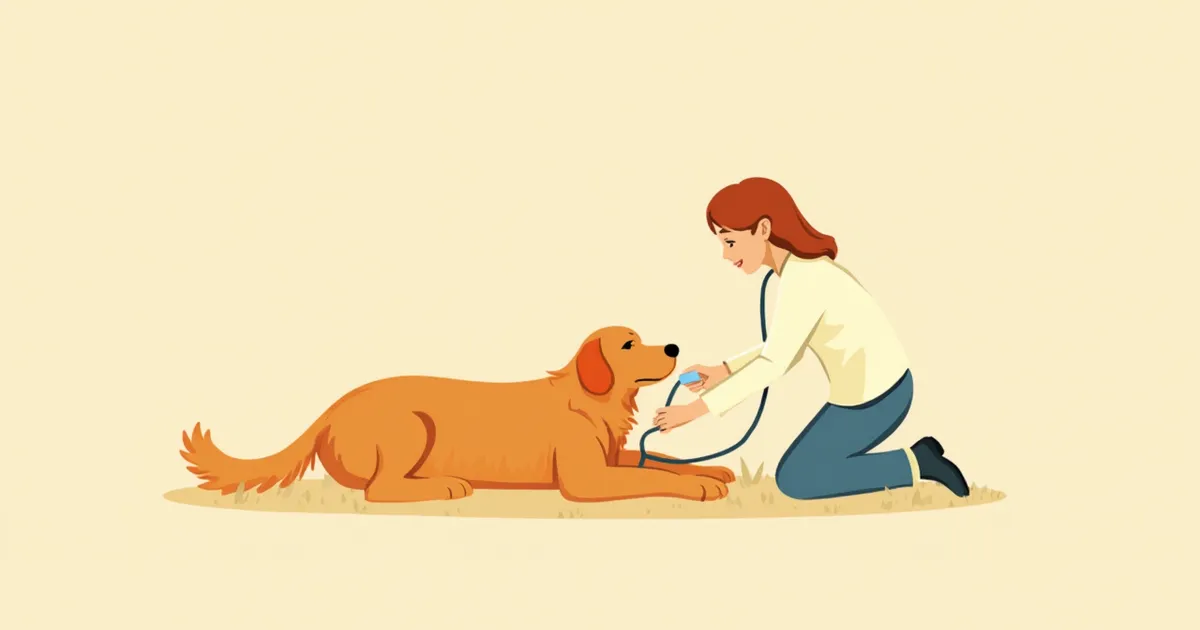
Tick Paralysis (True Tick Neurotoxin)
Tick paralysis is an emergency condition caused by a neurotoxin secreted by ticks, starting with paralysis in the hind legs. Most pets recover once the tick is removed, but if the paralysis progresses to the respiratory muscles, it can be life-threatening.

Dog Cryptosporidium Infection: A Complete Guide to Symptoms and Treatment
We’ve put together everything pet owners need to know about cryptosporidium infection in dogs, including its causes, key symptoms like diarrhea and dehydration, diagnosis and treatment options, and home care tips.

Deep Dive into Feline Toxoplasmosis
We’ve put together a comprehensive overview of feline toxoplasmosis, covering its causes and symptoms, diagnosis and treatment, as well as the transmission routes that pregnant women should be especially cautious about.

If Your Puppy Has Watery or Bloody Stool — Coccidia Infection Symptoms and Treatment Timing
Coccidia are protozoan parasites that live in the intestines of dogs and cats, causing diarrhea and dehydration. Early diagnosis, medication, and environmental disinfection are key.

Dog and Cat Tapeworm (Dipylidium) Infection
Tapeworms are parasitic worms that infect pets when they ingest fleas or lice. A key sign is the presence of rice-like segments around the anus, and flea control is essential for prevention.

Dog Whipworm (Trichuris) Infection
Dog whipworms are whip-shaped parasites that live in the cecum and large intestine. They can be a hidden cause of chronic diarrhea and weight loss, making regular deworming essential.

Dog Hookworm (Ancylostoma) Infection
Dog hookworms are intestinal parasites that live in the small intestine and feed on blood, which can lead to anemia. They can be especially dangerous for puppies, so early detection and regular deworming are essential.

Symptoms and Treatment of Lead and Heavy Metal Poisoning in Dogs and Cats
We’ve compiled a comprehensive guide on heavy metal poisoning from ingesting substances like lead, zinc, and copper, covering symptoms, emergency response, treatment, and home care.

Signs of Caffeine Poisoning in Dogs and Cats and Emergency First-Aid Steps
We’ve compiled a guide on the signs of caffeine poisoning in dogs and cats after they consume caffeinated foods like coffee, tea, or chocolate, along with emergency first-aid steps and what to expect during veterinary treatment.

Chocolate Poisoning Symptoms and Emergency Response
Theobromine, a compound found in chocolate, can cause poisoning in dogs and cats. We’ve outlined the risk levels by chocolate type, symptoms of poisoning, and emergency response steps.

Symptoms and Surgery for Pyometra in Dogs
Our veterinary advisory team has compiled this guide covering the causes of pyometra in dogs, the differences between open and closed forms, and the surgical procedure and post-operative care.

Canine Bladder Transitional Cell Carcinoma: Symptoms, Causes, Diagnosis, Treatment, and Management Essentials
Canine bladder transitional cell carcinoma is a malignant tumor that arises from the transitional cells lining the bladder, with hematuria and difficulty urinating being the primary symptoms. Early detection and appropriate treatment are crucial for improving survival rates.

Feline Urine Specific Gravity Test: Symptoms, Causes, Diagnosis, Treatment, and Management Essentials
The feline urine specific gravity test is a key diagnostic tool for assessing kidney function and hydration status. Results outside the normal range may indicate kidney disease, diabetes, or dehydration.
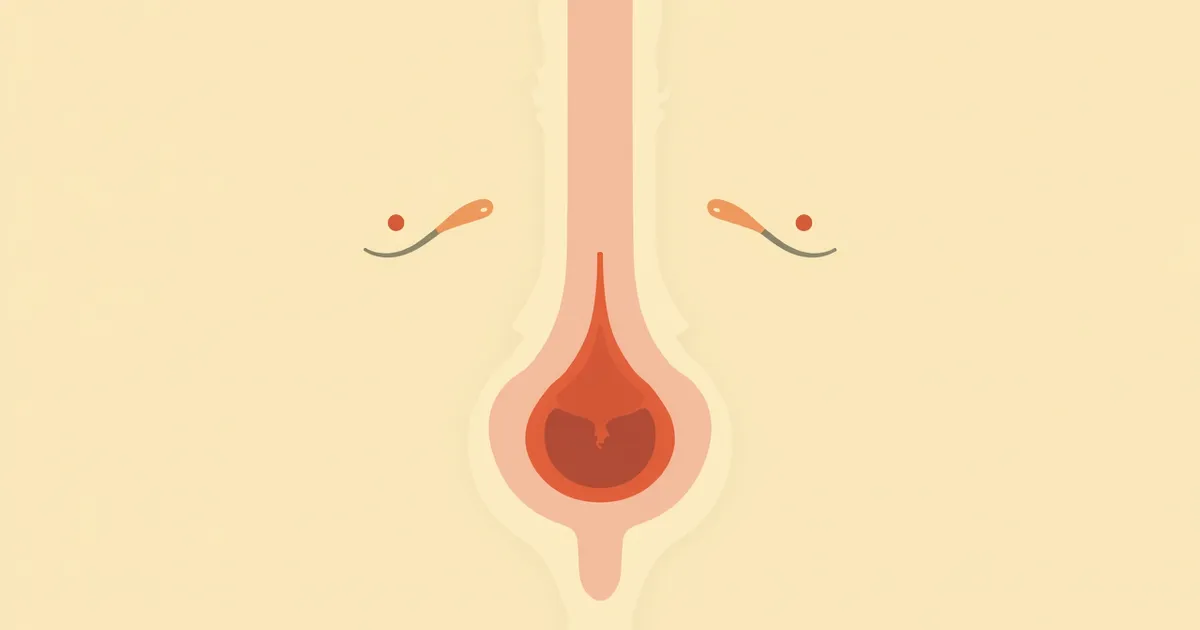
Feline Urethral Stricture: Symptoms, Causes, Diagnosis, Treatment, and Management Essentials
Feline urethral stricture is a condition in which the urethra narrows, making it difficult to pass urine. It can lead to acute pain and urinary obstruction, so immediate veterinary care is essential.

Feline Urethral Obstruction: A Complete Guide to Symptoms, Causes, Diagnosis, Treatment, and Management
Feline urethral obstruction is a life-threatening emergency, with difficulty urinating and pain as the main symptoms. Early detection and immediate veterinary care are essential.

Cat Bladder Nerve Stimulation Therapy: Symptoms, Causes, Diagnosis, Treatment, and Management Points Summary
Nerve stimulation therapy for the bladder is a neuromodulation treatment designed to improve bladder function in cats. It is essential to accurately identify the symptoms and underlying causes, and to provide appropriate diagnosis and management.