What is Peritoneal Dialysis for Dogs and Cats? — Possibilities, Indications, and When It’s Needed
Peritoneal dialysis is a renal replacement therapy used to manage acute kidney failure, poisoning, and uremia when hemodialysis equipment is unavailable. I will provide accurate information on its indications, required preparations, and potential complications.

Pet Kidney Transplants: Are They Really Possible? Reality and Limitations
Kidney transplants for pets are performed in some countries abroad, but practical limitations make them difficult to carry out in Korea. Here’s an overview of when they might be possible, along with information on costs, success rates, and ethical considerations.
Nephrotic Syndrome (Proteinuria, Hypoalbuminemia)
Nephrotic syndrome is a kidney disease characterized by glomerular damage, leading to proteinuria, hypoalbuminemia, edema, and hypercholesterolemia. Early diagnosis and consistent management are key.
What is Immunohistochemistry (IHC) Staining? Its Significance in Tumor Diagnosis
Immunohistochemical (IHC) staining is a precise pathological test that identifies specific proteins within tissue using antibodies, allowing for accurate determination of a tumor’s identity and origin. It plays a crucial role in distinguishing tumor types, assessing malignancy, and guiding treatment decisions when conventional histopathology alone is insufficient.
Bone Marrow Aspiration Test (Diagnosis of Blood Disorders)
We’ve put together everything pet owners need to know about bone marrow aspiration tests, including what they are, when they’re necessary, how the procedure is performed, how to interpret the results, and how to care for your pet during recovery.
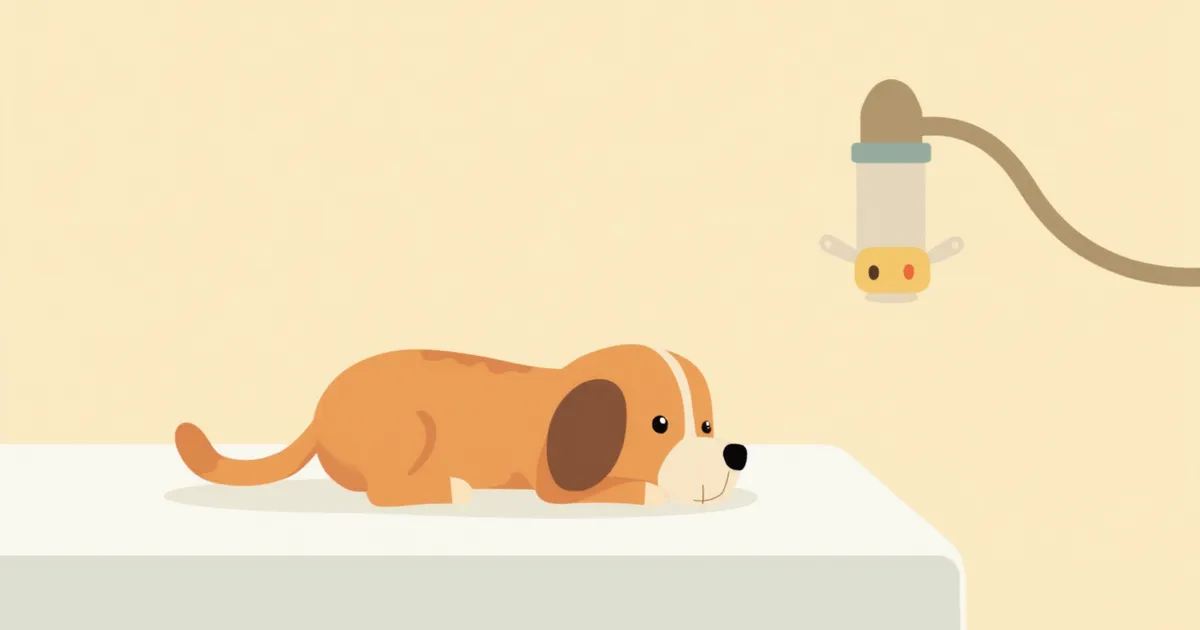
Punch Biopsy (Skin) Procedure
A punch biopsy is a skin tissue test in which a cylindrical blade is used to remove a small, cylinder-shaped sample of skin. Here’s an overview of this essential diagnostic procedure for accurately identifying the cause of skin diseases.
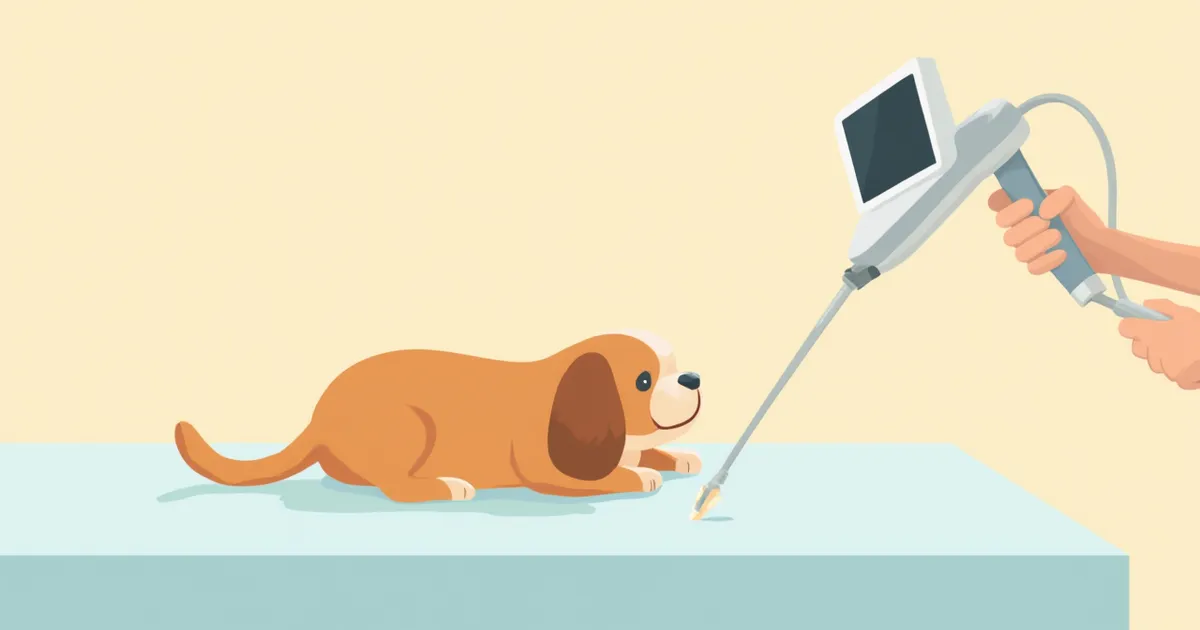
I have questions about the Tru-Cut biopsy (core biopsy) procedure
A Tru-Cut biopsy is a diagnostic procedure in which a core sample of tissue is extracted using a thick needle to enable an accurate diagnosis. Here’s a clear overview of the procedure, pain level, and recovery process.
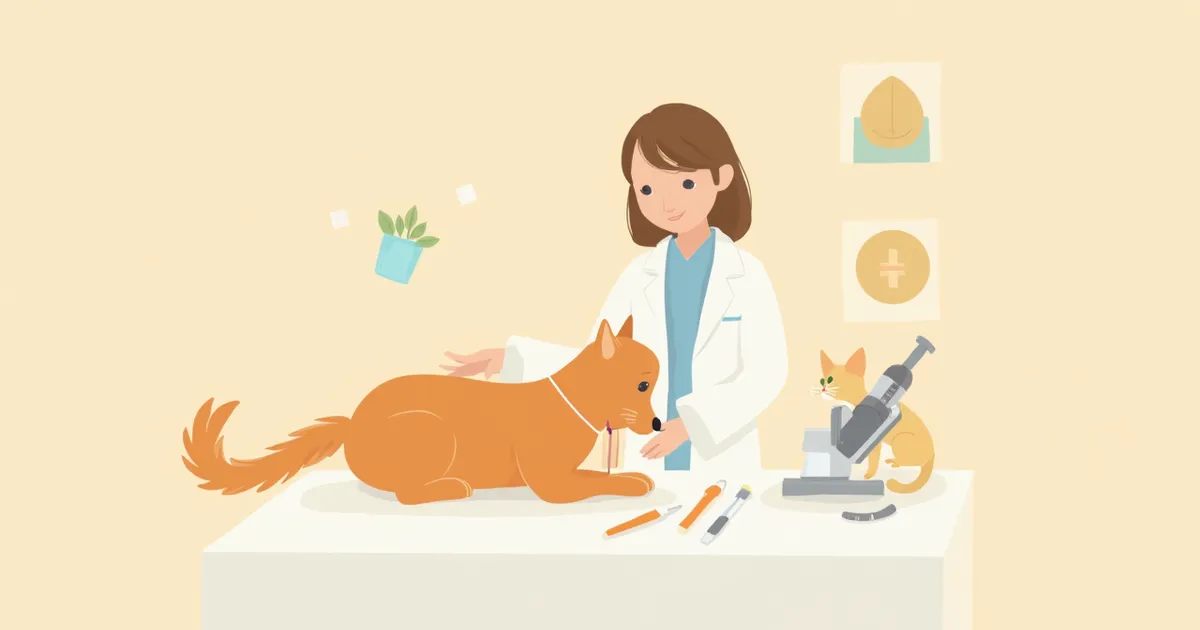
Incisional Biopsy vs. Excisional Biopsy: A Comparison
We’ve put together a clear overview of the differences between incisional and excisional biopsies, when each method is chosen, and what to expect during recovery, including important aftercare tips.
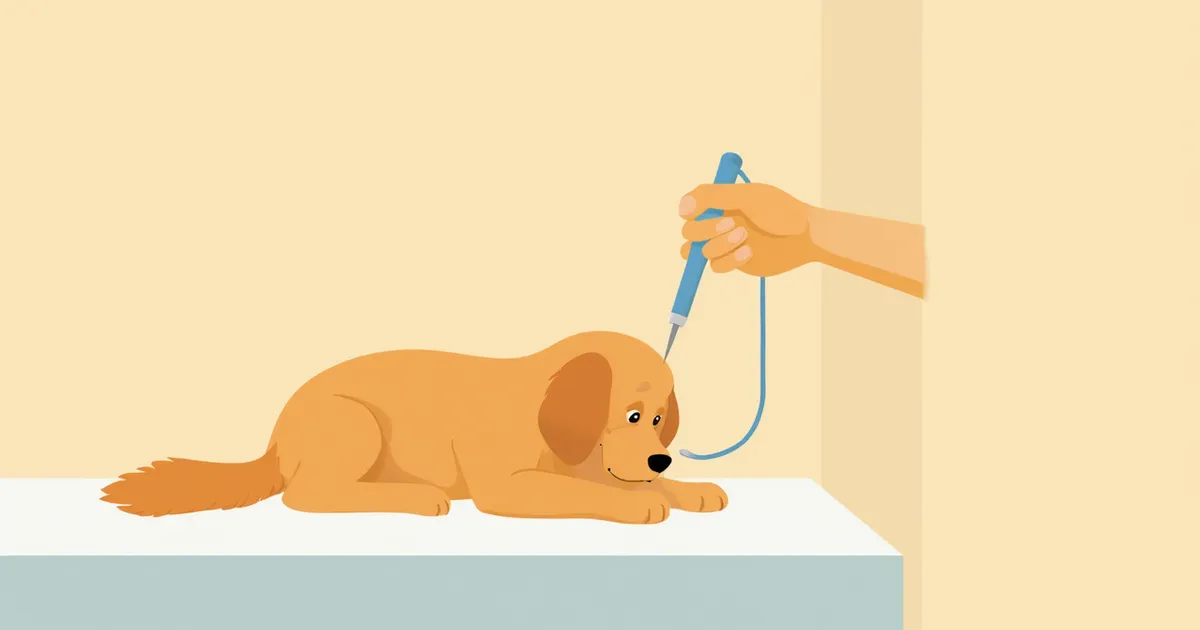
Is a Fine-Needle Aspiration of a Skin Mass Necessary for Dogs and Cats?
We’ve compiled everything pet owners need to know about fine-needle aspiration (FNA)—the first test performed when a lump is felt on the skin—including its principles, procedure, and how to interpret the results.

End-Stage Cancer Palliative Care Guide: Protecting Your Pet’s Final Days
We’ve compiled evidence-based veterinary guidance on pain management, maintaining appetite and hydration, and hospice care to preserve the quality of life for pets with end-stage cancer. This includes practical steps that pet owners can implement at home.

What is Tumor Staging (TNM)? — How Are Dog and Cat Cancers Staged?
Tumor staging (TNM) is a diagnostic procedure that evaluates the extent of cancer progression in pets based on three key factors: the primary tumor, lymph nodes, and distant metastasis. It serves as a critical criterion for determining treatment direction and prognosis.
Medications and Approaches for Tumor Pain Management
Tumor-related pain in pets can’t be managed with a single medication alone. Here’s how to effectively combine multi-drug therapy with non-pharmacological approaches.

Immunotherapy for Cancer (Checkpoint Inhibitors and Vaccines)
Immunotherapy for cancer helps your pet’s immune cells directly attack cancer cells. Here’s a clear overview of how checkpoint inhibitors and cancer vaccines work, which pets they’re suitable for, and details on costs and side effects.
A Complete Guide to Types and Indications of Radiation Therapy
We’ve compiled the essentials every pet owner should know about radiation therapy for pets, including the different types (curative, palliative, and stereotactic), which tumors they’re used for, as well as potential side effects and how to manage them.

Ear Canal Polyps in Dogs and Cats: A Lump-Like Mass is Palpable
Ear canal polyps are benign growths that develop in the external or middle ear and can lead to recurrence and chronic otitis media. Early detection and surgical removal are key.
Dog Ear Tumors (Ear Canal Tumors) Guide
Ear tumors in dogs, also known as ear canal tumors, are benign or malignant growths that develop in the external or middle ear. They are most commonly seen in middle-aged to senior dogs with a history of chronic otitis externa. Key warning signs include foul odor, bleeding, and head tilting, typically affecting only one ear.
Introduction to Pet-Related Professions
The term "pet-related professions" refers to all specialized careers involved in caring for pets and managing their health, training, grooming, and behavior. We’ve compiled a guide covering 10 key roles—from veterinarians and trainers to pet sitters and funeral directors—along with the qualifications and pathways needed to enter each field.

Why Your Cat Chatters at Birds
Chattering, where your cat rapidly clicks its jaw while watching birds outside the window, is a normal behavior driven by a mix of hunting instinct and frustration. Here’s what it means and how to manage it.

Why Your Dog Rubs Its Back on Grass
Here are five reasons why your dog might rub its back on grass, along with tips to help you determine whether it’s a natural instinct or a sign of a health issue. You’ll also learn how to check for signs of skin conditions, parasites, and allergies.

Why Dogs Sniff Each Other’s Rear Ends
Dogs sniffing each other’s rear ends is a natural greeting behavior that allows them to gather information about one another through anal gland secretions. We’ll also let you know when to be concerned.

Why Do Cats Bring Home Dead Animals — Hunting Instinct or Affection?
When cats bring home dead mice, birds, or insects, it’s an instinct inherited from their wild ancestors—rooted in hunting and nurturing behaviors. Rather than scolding them, the key is to maintain good hygiene and provide appropriate outlets for their natural hunting instincts.

Why Dogs Love Human Food and How to Handle It Safely
It’s natural for dogs to react to human food due to a combination of their sense of smell, instincts, and learned behaviors. However, certain foods can be harmful to their immune system, liver, and kidneys, so it’s important to distinguish between safe and unsafe options.
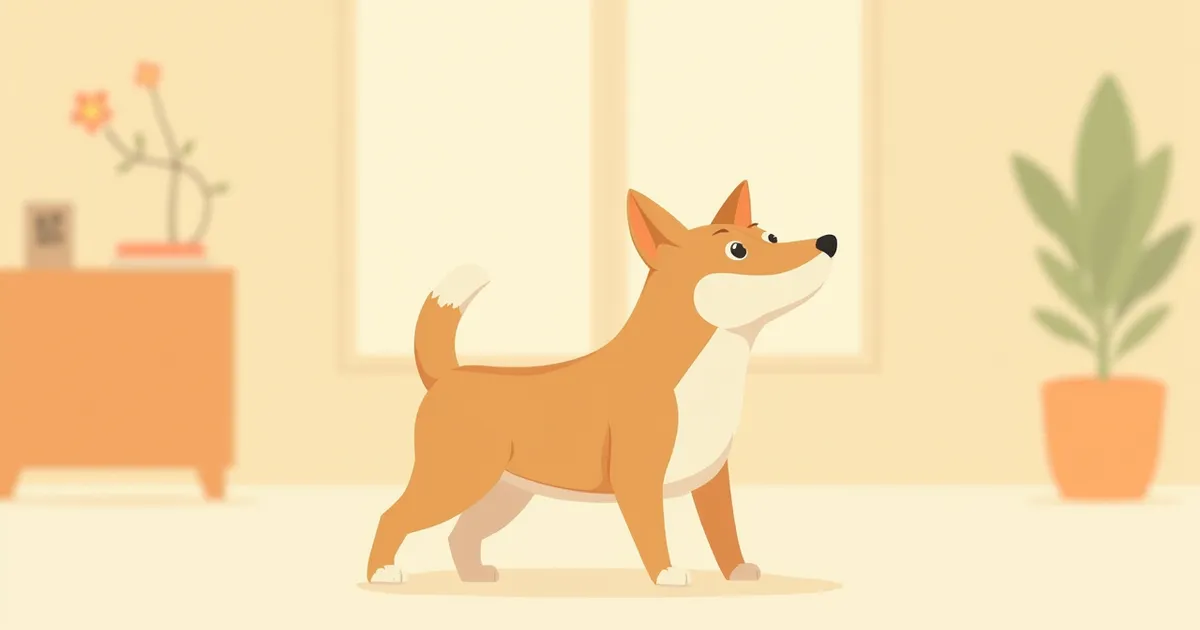
The Meaning of a Dog’s Tail Wag: How to Read Mood by Direction and Speed
A dog’s tail wagging isn’t just a sign of happiness. Depending on the direction, speed, and height of the wag, it can convey entirely different emotions—ranging from joy and excitement to tension, alertness, and even fear.

Why Dogs Make a Sad Face
A dog’s sad expression can be a sign of emotion or a signal of pain or illness. Let’s uncover the hidden meaning behind the expression.

Why Does Your Dog Bark or Ignore Its Reflection in a Mirror?
We’ve put together a guide to help you understand what it means when your dog barks, wags its tail, or completely ignores its reflection in a mirror, along with the cognitive science behind these behaviors and key points for pet owners to keep in mind.

Cat Purr vs. Meow: Aren't They the Same Sound?
A cat’s purr and meow differ completely in both vocal structure and meaning. Here’s a guide to distinguishing the emotions and health signals associated with each type of sound.

Reasons for a Dry Nose in Dogs and Whether It Is Normal
A dry nose is usually a normal physiological occurrence in dogs. However, if it is accompanied by cracking, oozing, or scabbing, it may be a sign of an immune or skin disease.

Why Your Cat Licks Your Head
While a cat licking its owner’s head is usually a sign of affection, excessive repetition can indicate stress or a skin condition. Here’s how to tell the difference based on the situation.

Pet Evacuation Guide for Natural Disasters
We’ve put together a guide on how to safely evacuate your pet during natural disasters, the emergency kit you should prepare in advance, and the rules for using evacuation shelters.
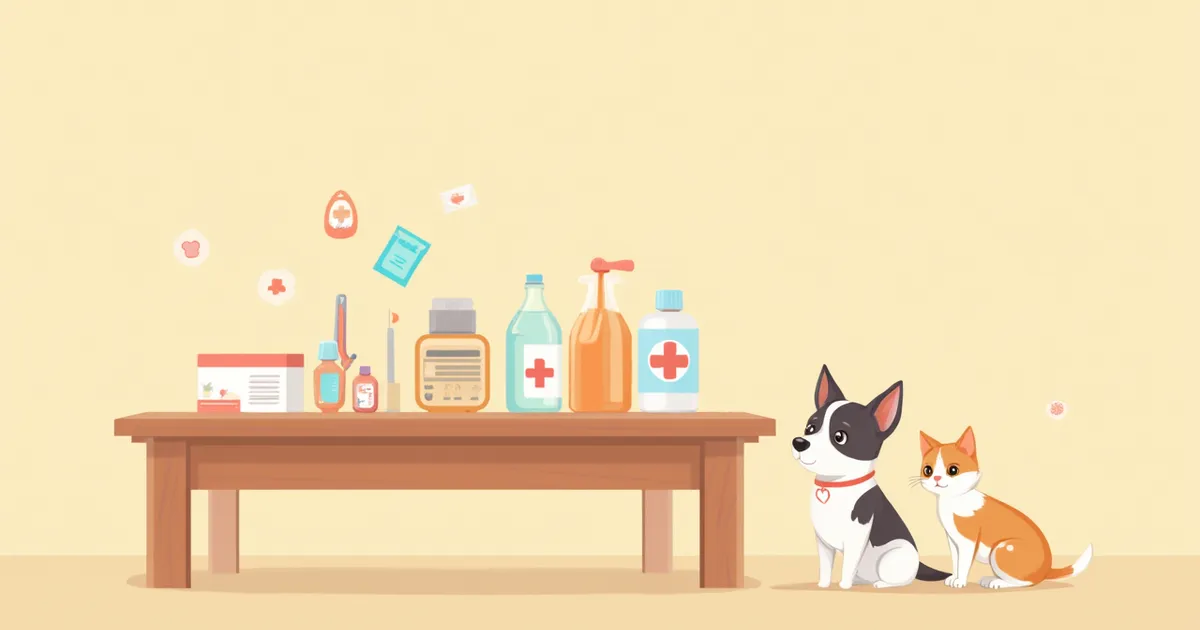
Assembling a Home Emergency Kit
We’ve put together a veterinary-approved guide to assembling a home emergency kit for your pet. Check out the essential supplies, how to use them, and tips for proper storage—all in one place.

How to Safely Manage Multiple Medications in Senior Cats: Interactions and Administration Principles
I’ve outlined how to safely administer medications to senior cats with multiple chronic conditions, along with key points for monitoring drug interactions and side effects.

The Complete Guide to Managing Multiple Medications in Senior Dogs
We’ve put together safe medication management tips and important interaction precautions for senior dogs taking joint, heart, and kidney medications simultaneously. We’ll also share key checkpoints for pet owners to monitor at home.
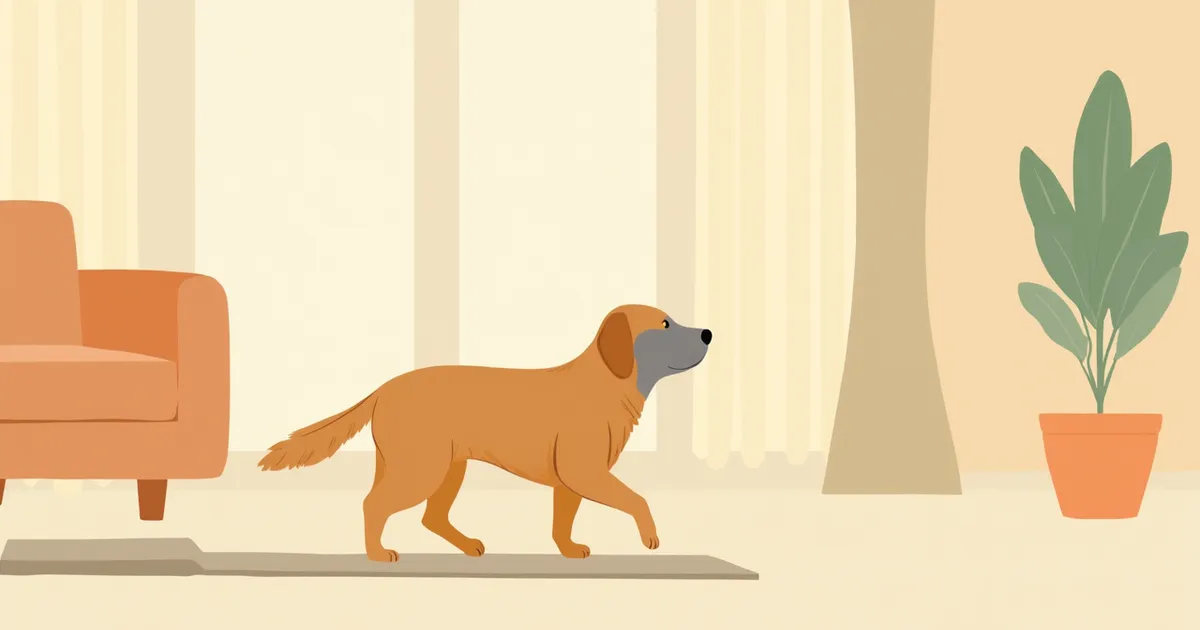
The Complete Guide to Joint-Support Products for Senior Dogs (Jump Pads, Mats, and Stairs)
We’ve compiled evidence-based veterinary guidance on how to choose and properly use jump pads, non-slip mats, and dog stairs to reduce joint strain in senior dogs.

How to Protect Your Senior Cat’s Vision
We’ve compiled the signs of vision loss in senior cats and practical ways to protect their eyesight at home. We also cover key causes, such as lenticular sclerosis and hypertensive retinal detachment, along with how to manage them.
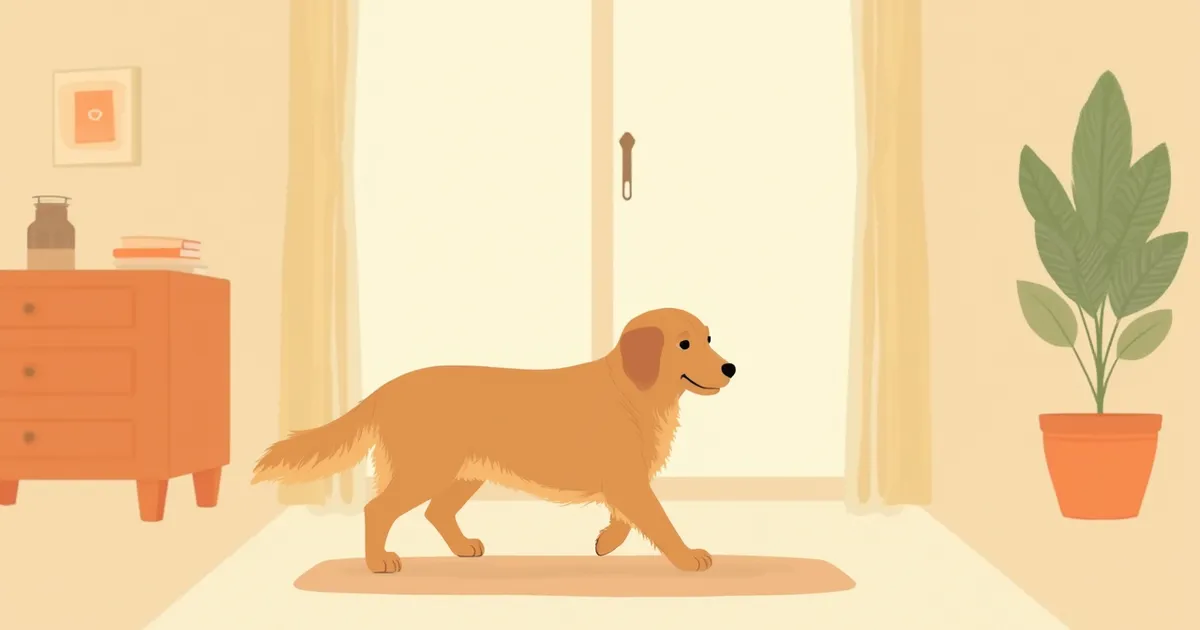
Vision Care for Senior Dogs (Lighting & Slip Prevention)
Here are some tips for creating a safe indoor environment for senior dogs with declining vision. We’ll share practical steps you can take right away, including adjusting lighting, using non-slip mats, and rearranging furniture.
Creating a Hearing-Friendly Environment for Senior Dogs
Hearing gradually declines in senior dogs. The key is to create a stress-free environment by adjusting household noise levels, startle responses, and communication methods.

How Often Should Senior Cats Go for Check-ups?
Senior cats aged 7 and older need regular check-ups at least once or twice a year. Here’s a summary of the recommended frequency by age group and the essential tests to keep in mind.
How Often Should Senior Dogs Visit the Vet for Check-ups? — Recommended Visit Intervals by Age
For senior dogs, we recommend a comprehensive check-up every six months starting at age seven. We’ve outlined the recommended screening intervals and essential tests for both healthy seniors and those managing chronic conditions.

How to Adjust Exercise Intensity for Senior Cats — Guidelines for Indoor Activities to Protect Joints
For senior cats aged seven and older, it's best to keep play sessions short, frequent, and low-intensity to reduce exercise strain. I'll share ways to protect their joints and heart while maintaining muscle mass and a healthy weight.

How to Adjust Exercise Intensity for Senior Dogs
Here’s a practical guide to adjusting exercise intensity for senior dogs aged 7 and older, tailored to their physical condition and joint health.

When to Switch Senior Cat Food — A Step-by-Step Guide to Reducing Digestive Burden
Dietary changes for senior cats typically begin around the age of seven. To ensure safety, it is important to transition their food gradually, taking into account changes in kidney, dental, and digestive function.

Complete Guide to Stages 1–4 of Feline Cognitive Dysfunction Syndrome in Senior Cats
We’ve outlined the behavioral changes across the four stages of feline cognitive dysfunction syndrome (CDS) in senior cats, along with stage-specific management and treatment approaches. This allows caregivers to quickly identify everything from early warning signs to end-of-life care needs.

Why Does My Dog Bark and Get Excited? — Causes and Management of Reactive Behavior
I’ll explain why reactive dogs overreact to certain stimuli and share step-by-step management and training methods.
How to Choose the Right Dog Puzzle Toy for Your Pup
Dog puzzle toys help stimulate your pup’s brain and ease separation anxiety. Choose the right difficulty level and material based on your dog’s age, personality, and chewing habits.

My Dog Hates Having Its Paws Touched — A Step-by-Step Desensitization Training Guide
Here’s a step-by-step paw-handling desensitization program for pets that flinch or snap when their paws are touched. At just 1–2 minutes a day over four weeks, anyone can do it.

How to Start Dog Clicker Training: 5 Steps from Charging to Behavior Formation
Dog clicker training follows five steps: charging (associating the sound), capturing the behavior, adding a cue, fading the reward, and real-world application. Here’s a quick rundown of the key points and common mistakes for each stage.

Systematic Desensitization Training for Puppies' Fear of Children
We’ll explain why dogs may fear or avoid children and guide you through systematic desensitization training based on veterinary behavior science.

Desensitization Training for Dogs with Vacuum Cleaner Phobia
Here’s a step-by-step desensitization training method for dogs who tremble and flee at the sound of a vacuum cleaner, along with the veterinary behavioral science behind it.

Why Does My Dog Tremble When Riding in the Car? — Step-by-Step Desensitization Training for Motion Sickness and Phobia
If your dog or cat is afraid of car rides or frequently experiences motion sickness, you can reduce their stress response through gradual desensitization and counterconditioning. Here’s a summary of the training steps and when to consult your veterinarian.

How to Start Desensitization for Veterinary Clinic Fear?
This is a systematic desensitization training program for pets who tremble and hide at the vet clinic. We’ll guide you through step-by-step adaptation, starting from home and progressing all the way to actual clinic visits.
When is the puppy imprinting period? — The critical period that determines personality
Puppy imprinting is the critical period between 3 and 12 weeks of age when a puppy’s personality is shaped for life. We’ll share socialization techniques to help you make the most of this golden window.

When is the Imprinting Period for Kittens? A Complete Guide to the Critical Socialization Window
The imprinting period for kittens occurs between 2 and 7 weeks of age, which is a critical window for socialization. The people, animals, and environments they encounter during this time will shape their personality for life.
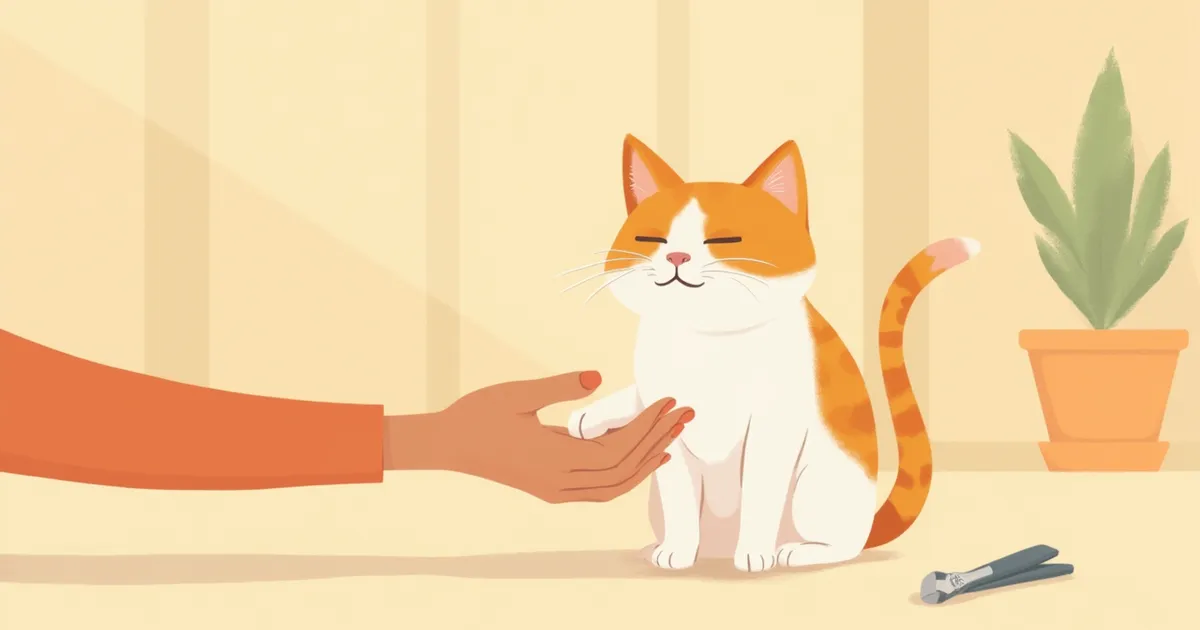
Getting Your Cat Used to Nail Trimming
Getting your cat used to nail trimming starts with gentle paw handling and gradually introducing tools through step-by-step training. The key is using treat rewards and keeping sessions short.

Why is self-control training for dogs necessary, and how should you start?
Self-control training for dogs helps them learn impulse control and the ability to wait patiently. We’ll walk you through step-by-step methods and practical tips.

How to Improve Your Puppy’s Focus: A Step-by-Step Guide to Attention and Focus Training
For effective puppy training, it’s important to progress step by step, starting with name recognition, then eye contact, and finally basic obedience. The key is to keep sessions short, frequent, and reward-focused.
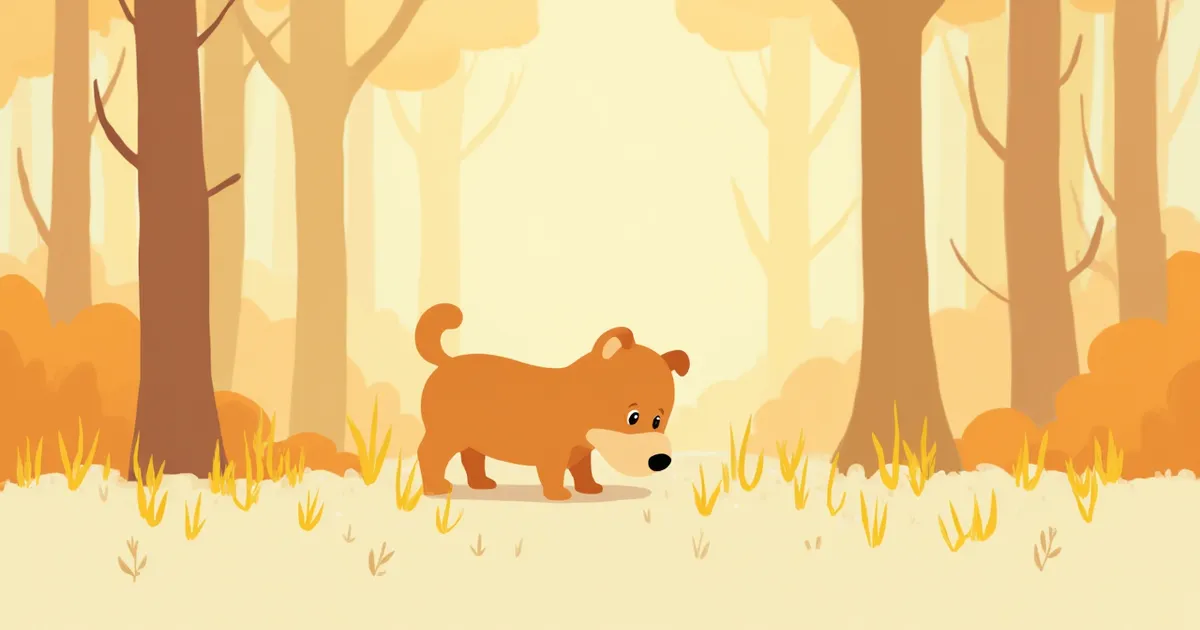
How Do Dogs Follow Paw Prints and Scents? — The Secret of the Scent-Tracking Instinct
I’ll explain the science behind your dog’s tracking instinct—how they follow paw prints and scents left on the ground—and share practical ways to put this natural ability to use in everyday life.

Causes of Dog Mounting Behavior and Proper Management
Dogs may mount (hump) for reasons beyond sexual arousal, including stress, play, and social hierarchy. Understanding the specific cause is essential for effective behavior modification.
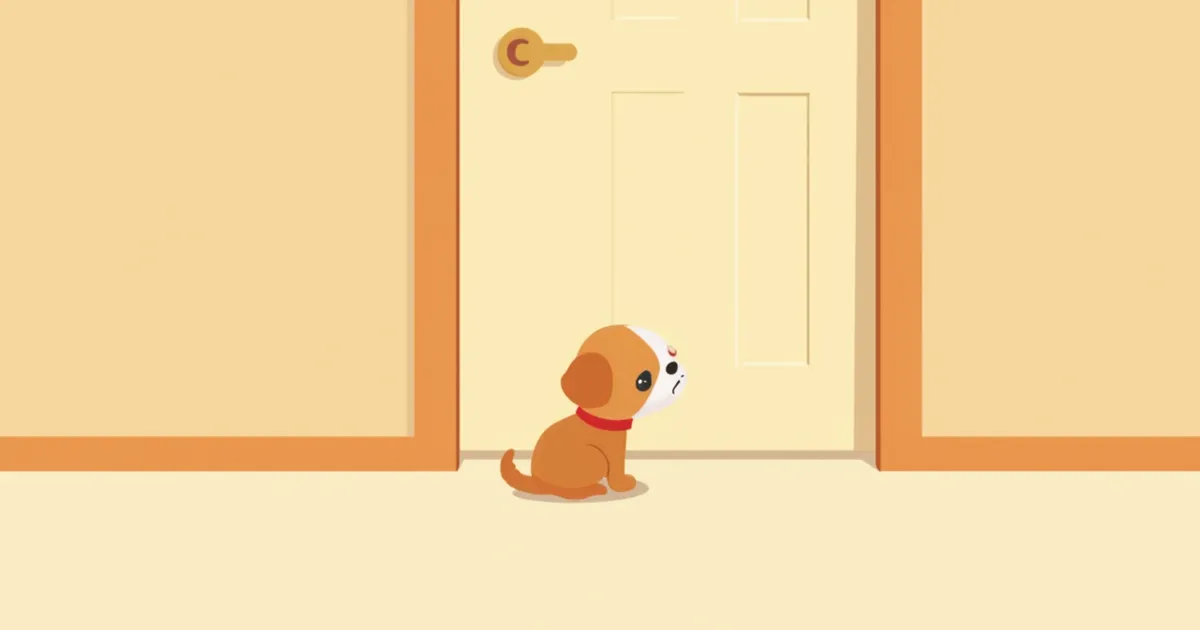
How to Handle Separation Anxiety Stages 1–4
Canine separation anxiety is classified into four stages based on severity. I’ll walk you through the symptoms at each stage, along with tailored behavior modification and medication guidelines.

Are Cat Water Fountains Really Effective? How to Increase Water Intake for Cats That Don’t Drink Water
Cat water fountains and drinking fountains are tools designed to increase daily water intake, supporting urinary and kidney health. Here’s a summary of their benefits, along with tips for choosing and maintaining the right one.
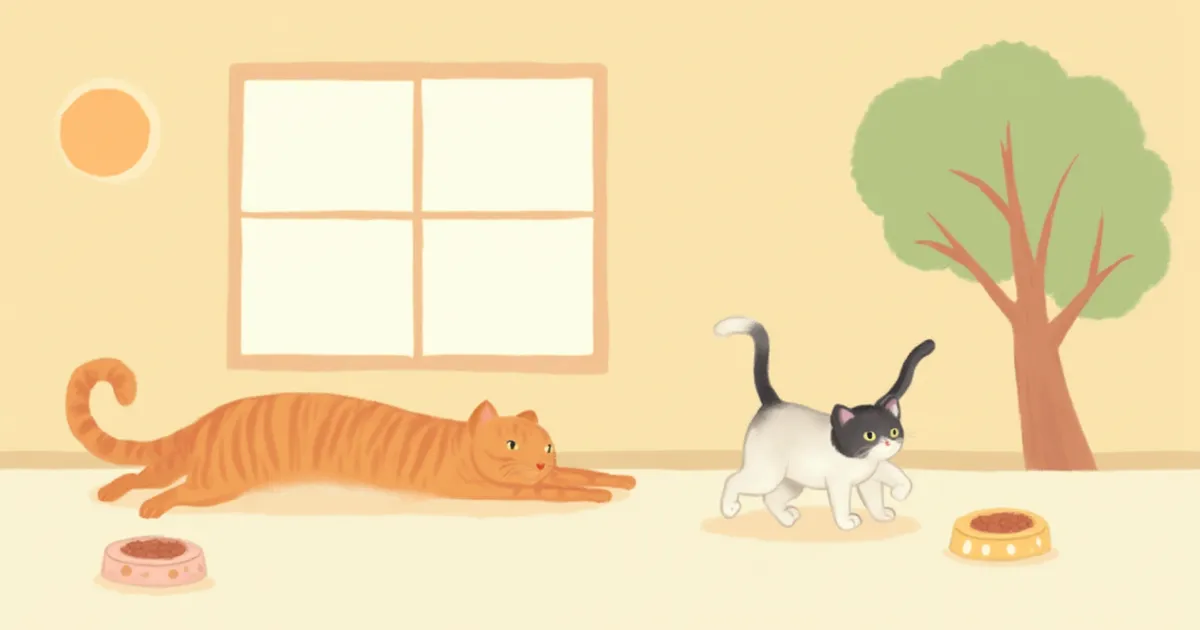
Complete Guide to Dietary Differences Between Indoor and Outdoor Cats
Indoor and outdoor cats differ in their activity levels, energy expenditure, and nutritional requirements, so feeding them the same food can lead to obesity or nutritional imbalances. We’ve put together a guide to help you choose the right food for your cat’s lifestyle.

How to Determine the Right Food Amount Based on Your Dog’s Exercise Level — A Calorie Calculation Method to Prevent Overweight
We’ve organized how to match your dog’s exercise and food intake in a 1:1 ratio based on activity levels. This is an essential guideline for maintaining weight and managing diet.
Vitamin Deficiency in Dogs and Cats: What Are the Warning Signs? — From Symptoms to Supplementation
Vitamin deficiencies in pets often first manifest as skin, neurological, or immune system abnormalities. We’ve outlined how to recognize these early warning signs and review your pet’s diet and supplementation strategy.
Complete Guide to Mineral Deficiency Signs in Dogs and Cats
We’ve compiled a guide to the signs of mineral deficiency in dogs and cats, including the specific symptoms associated with each key mineral and practical checkpoints for pet owners to monitor at home.
Protein Deficiency Symptoms and Assessment
Protein deficiency in pets is a condition where blood protein levels are low. We’ll help you check for signs like muscle loss, swelling, and weakened immunity, and explain how to identify the cause through blood tests.
Vitamin and Mineral Overdose in Puppies: Symptoms, Warning Signs, and What to Do
Vitamin and mineral overdoses in pets often occur from giving multiple supplements at once. We’ve outlined the symptoms of excess fat-soluble vitamins, calcium, and zinc, as well as warning signs that require an immediate vet visit.
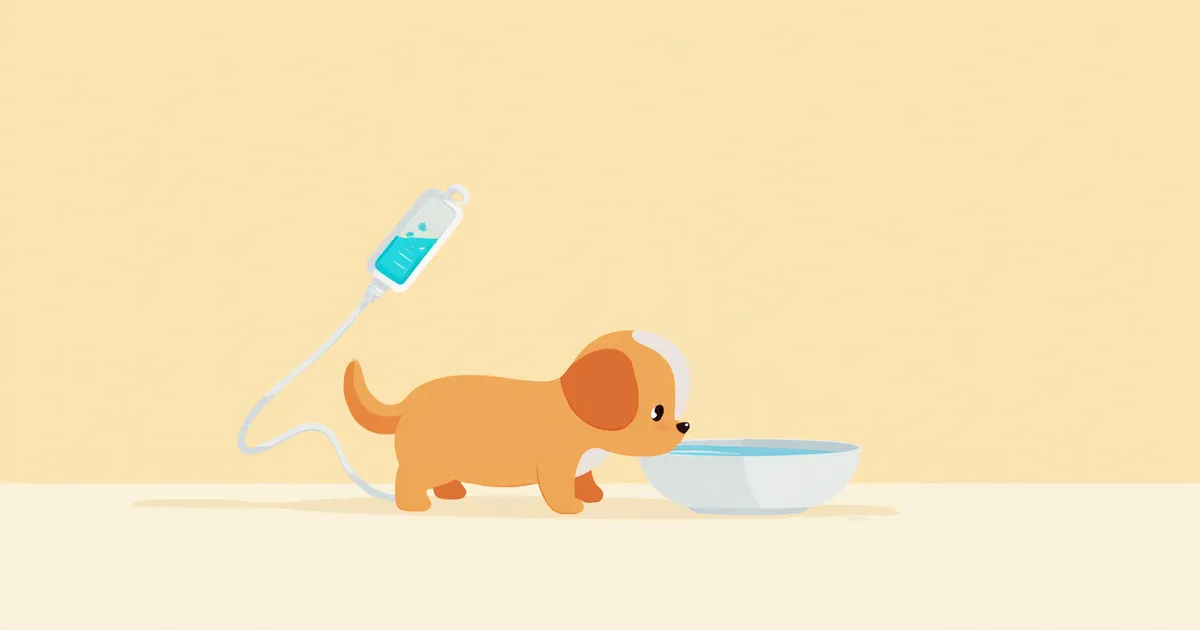
Fluid Therapy vs. Oral Water Supplementation: Which Method Is Needed When?
In cases of dehydration in dogs and cats, fluid therapy and oral water supplementation serve different purposes and are absorbed at different rates. We’ve compared the two methods to help you determine which approach is best suited for each situation.

What to Feed Newborn Puppies and Kittens? — From Colostrum to Weaning
We’ve put together a guide to nutrition management for newborn puppies and kittens under four weeks of age. We’ll cover the importance of colostrum, how to choose the right milk replacer, proper feeding positions, and weight monitoring, sharing practical tips for each step.
Guide to Gastrointestinal Prescription Diets
We’ve compiled a veterinary-backed overview of the role of gastrointestinal prescription diets for dogs and cats with digestive issues, how they differ from regular pet food, and the proper way to feed them.

Complete Guide to AAFCO Label Meanings and Nutritional Adequacy Standards
The AAFCO label certifies that a pet food meets established nutritional standards. Here’s what the different label statements mean and how to choose the right food for your pet.

Pet Food Expiration Date and Use-By Date: How Long Can You Feed It After Opening?
The expiration date on pet food refers to the shelf life of the product when it remains unopened. Once opened, dry food should be fed within 4 to 6 weeks, and wet food within 2 to 3 days, to ensure safety.

How to Store Pet Food and Prevent Rancidity: Keep Nutrients Alive
Once opened, pet food can quickly go rancid when exposed to air, moisture, light, and heat. By simply storing it in an airtight container, keeping it in a cool place, and using it up within a month, you can preserve its nutrients and palatability for longer.

Freeze-Dried vs. Cooked vs. Dry Food: Which Is Right for Your Pet?
We compare the nutrition, safety, cost, and storage of freeze-dried, cooked, and dry food types all at once, and provide you with criteria for choosing the right option for your pet.
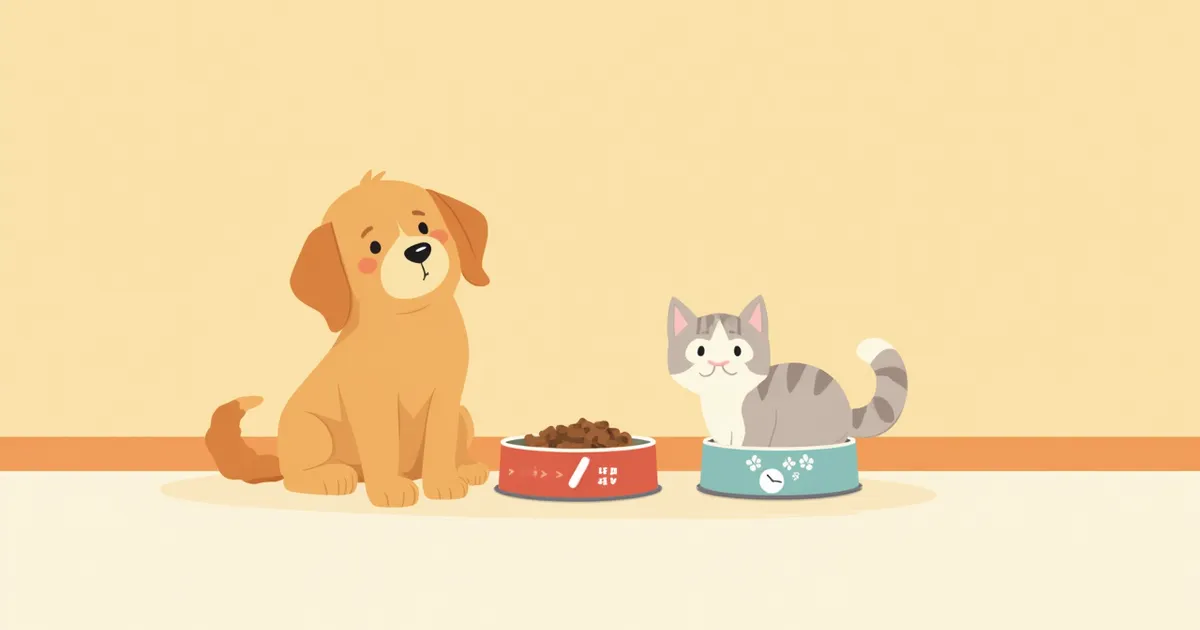
Scheduled Meals vs. Free-Feeding: Tailored Feeding Methods Based on Obesity and Digestion
We’ve outlined the differences between scheduled and free-feeding, their pros and cons, recommended feeding methods for different pets, and the correct way to transition between them, all based on veterinary standards.

How to Read Pet Food Labels (Guaranteed Analysis & Ingredient Order)
I’ll show you how to properly read the guaranteed analysis values and ingredient order on pet food labels. With just one package, you can determine whether the food is right for your pet.

Dog Coat Types (Short, Long, Curly)
Dog coats come in various types, such as short, long, curly, and wiry. The amount of shedding, grooming difficulty, and risk of skin conditions vary depending on the coat type.

The Ultimate Guide to Dog Paw Shapes (Cat Feet and Hare Feet)
Dog paws generally fall into two main types: cat feet and hare feet. Here’s a comprehensive guide to breed-specific traits and paw care tips.

How Many Types of Cat Ear Shapes Are There? — A Quick Guide to Breed-Specific Ear Forms
Cat ear shapes can be broadly categorized into upright, folded, and curled types, with variations in shape and health considerations depending on the genetic traits of each breed. Here’s a summary of the characteristics and care points for each type.
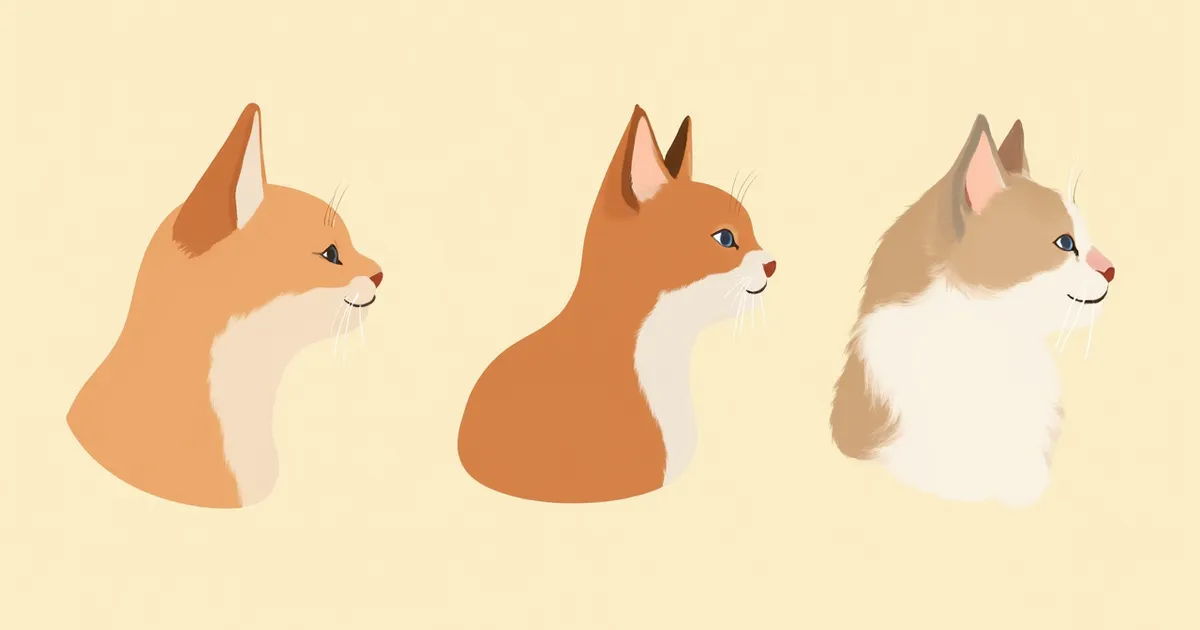
Cat Head Shapes — The Complete Guide to Classification
Cat head shapes fall into three categories: dolichocephalic (long-headed), mesocephalic (medium-headed), and brachycephalic (short-headed). Here’s a clear overview of the health risks and care tips for each type.
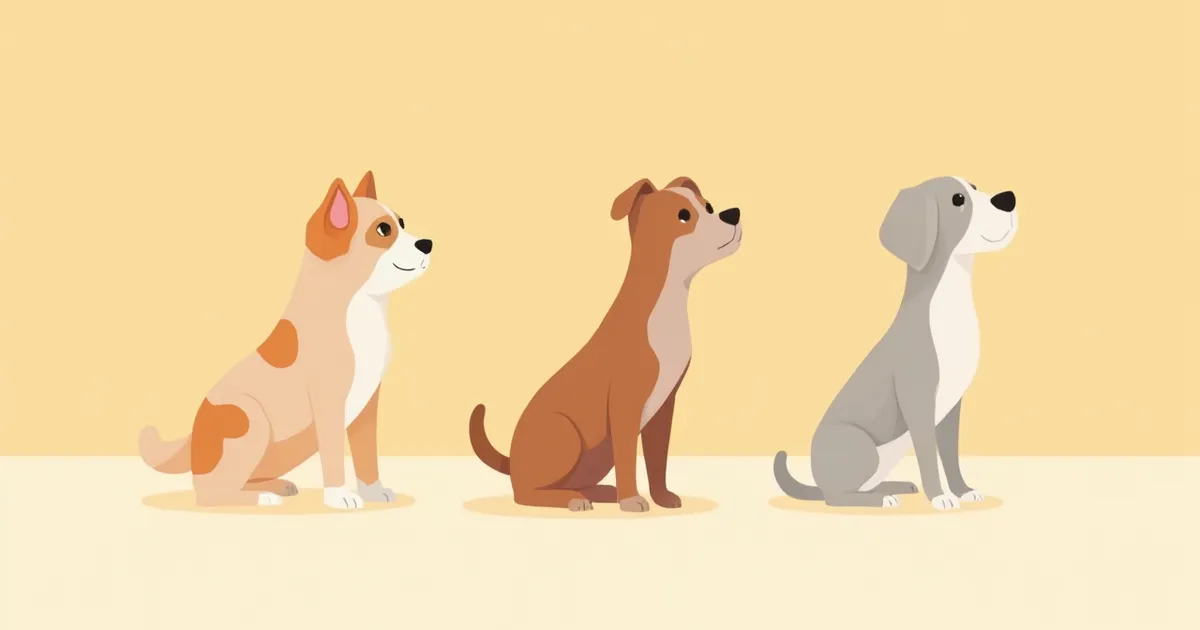
Puppy Head Shapes (Brachycephalic, Mesocephalic, Dolichocephalic)
Puppy head shapes fall into three categories: brachycephalic (short-headed), mesocephalic (medium-headed), and dolichocephalic (long-headed). Each head type has distinct care considerations for breathing, body temperature, dental health, and immune support. Identify your puppy’s head shape and learn the tailored care strategies that best suit them.

The Complete Guide to Kitten Teething: Timing and Care
Teething in kittens is a natural process where baby teeth fall out and are replaced by permanent teeth between 3 and 6 months of age. Here’s what to expect at each stage and how to care for your kitten during this time.

A Complete Guide to Puppy Teething: Timing and Care
Puppy teething typically occurs between 3 and 6 months of age. Here’s a guide to the signs at each stage, how to care for your puppy’s gums, and ways to curb biting habits.

The Genetic Meaning of Cat Coat Colors and Patterns
A cat’s coat color and pattern are not just about looks—they’re the result of genetic combinations. We’ve also outlined the health traits associated with each color and pattern.

The Genetic Significance of a Dog’s Coat Color and Spots
A dog’s coat color and spots are more than just physical traits—they carry genetic information. We’ve outlined the health indicators and key points to watch for, depending on each color.
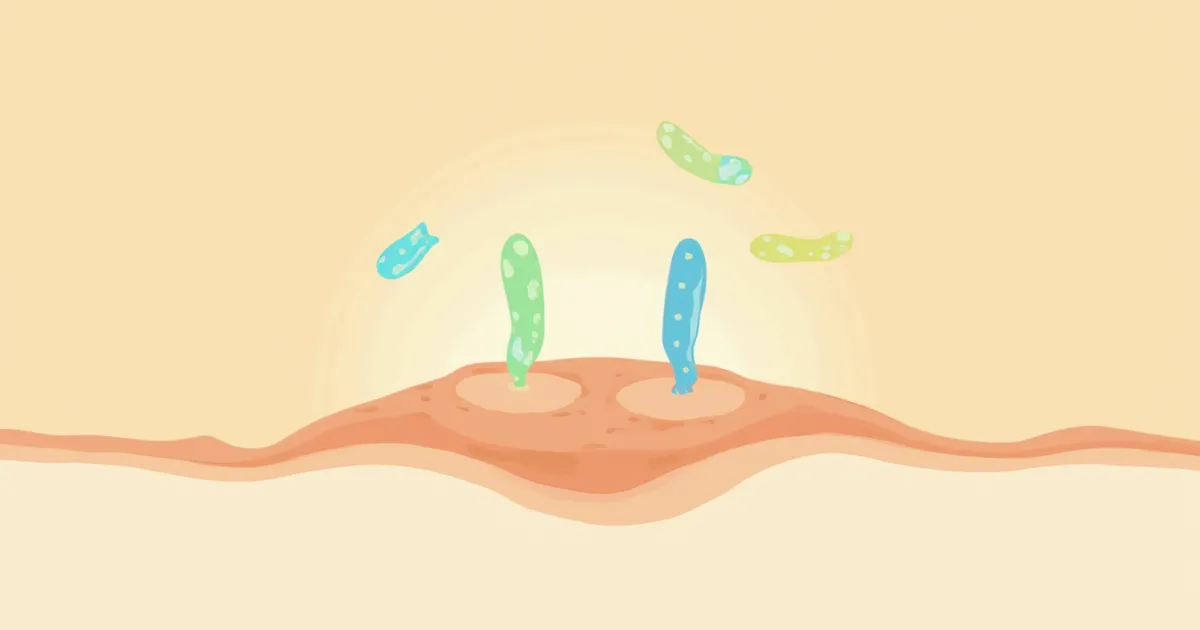
Immunofluorescence Antibody Test (IFA): What Is It and When Is It Needed?
The immunofluorescence antibody test (IFA) is a precise diagnostic tool used to confirm autoimmune skin diseases and certain infectious diseases in dogs and cats. We’ve compiled everything pet owners need to know, from how the test works to interpreting results and important precautions.
What infectious diseases can be detected by PCR testing? — Scope and limitations
We’ve put together a clear, easy-to-understand overview of how PCR testing works, the main infectious diseases it can diagnose, and how it differs from routine tests. You’ll also find guidance on when this test is truly necessary, along with details on cost and turnaround time.
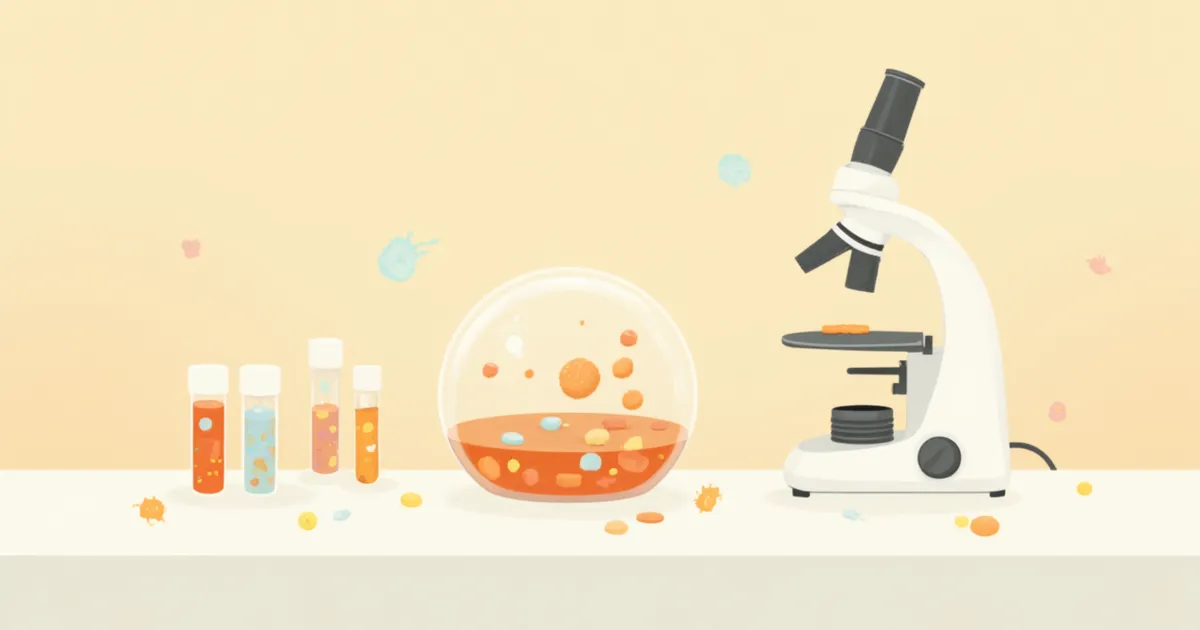
Bacterial Culture and Susceptibility Test: When It’s Needed and How to Interpret Results
A bacterial culture and susceptibility test is a precise diagnostic tool used to identify the specific bacteria causing an infection and determine which antibiotic will be most effective. Here’s when this test is needed and how to interpret the results.
When should you perform a Vitamin B12 and folate test?
A B12 test is a blood test used to screen for intestinal malabsorption and chronic intestinal diseases. Veterinarians recommend it when a pet experiences persistent diarrhea, weight loss, and loss of appetite.

What Are Reticulocyte Counts? — The Key Test to Determine the Cause of Anemia in Pets
Reticulocytes are young, newly formed red blood cells. Their count helps determine whether anemia is regenerative or non-regenerative, making it the first step in identifying the underlying cause.
Coagulation Time (PT/aPTT) Test: What Does It Mean?
A coagulation time test is an essential diagnostic tool that measures how quickly blood clots, helping to assess bleeding risk and liver function. We’ll explain the differences between PT and aPTT, as well as how to interpret the results, in simple terms.

Meaning of the Albumin/Globulin (A/G) Ratio
The A/G ratio is a key indicator that reflects the balance of proteins in the blood. It is used in diagnosing liver disease, chronic inflammation, and dehydration, and understanding how to interpret it makes it easier to comprehend test results.
What is the Puppy Parvo SNAP Test? — From Principles to Result Interpretation
We’ve put together everything pet owners need to know about the Parvo SNAP test, from how it works to interpreting positive and negative results, the possibility of false negatives, and post-test care.

The Complete Guide to Bilirubin Tests and Jaundice Stages
A bilirubin test is a key blood test for early detection of liver, biliary, and red blood cell issues. We’ve summarized the jaundice stages by bilirubin levels and the criteria for immediate veterinary care all in one place.
Aldosterone Test (Hypoaldosteronism)
An aldosterone test is a blood test that measures the concentration of this adrenal hormone to diagnose hypoaldosteronism. I’ll walk you through the testing procedure, how to interpret the results, and what preparation is needed.
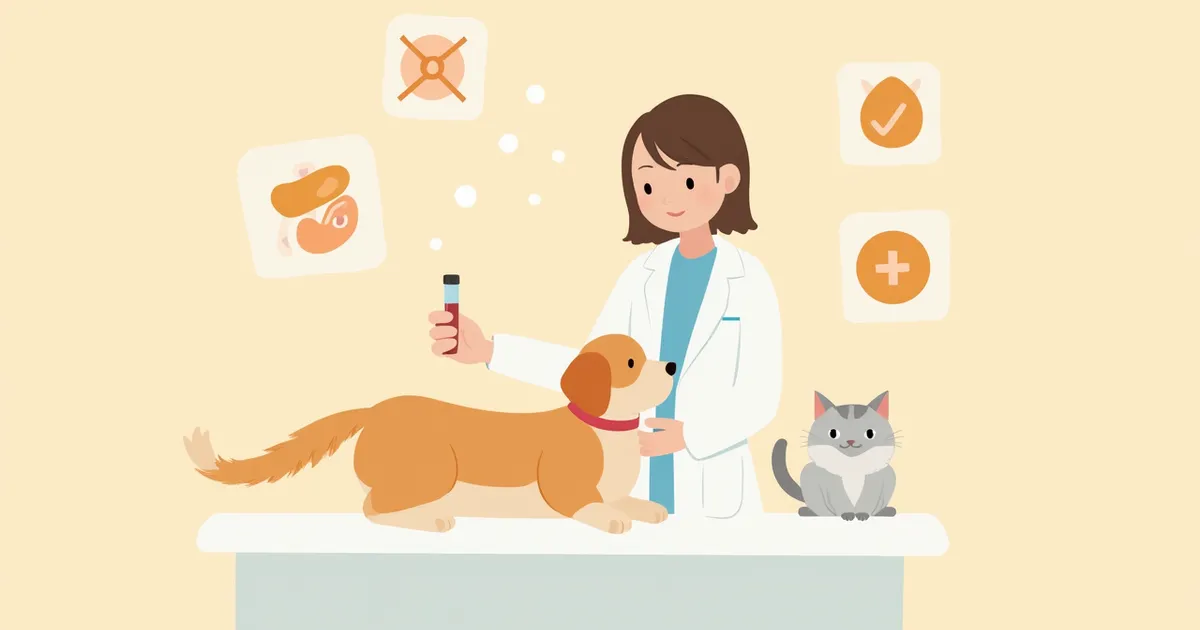
Why are pancreatic enzyme (cPLI/fPLI) tests necessary?
cPLI and fPLI are blood tests that quickly and accurately diagnose pancreatitis in dogs and cats. They can detect pancreatic abnormalities that might be missed by routine blood work.
Types of Minimally Invasive Surgery (MIS)
This guide outlines the types of minimally invasive surgeries performed on dogs and cats, along with the characteristics and recovery periods for each procedure.
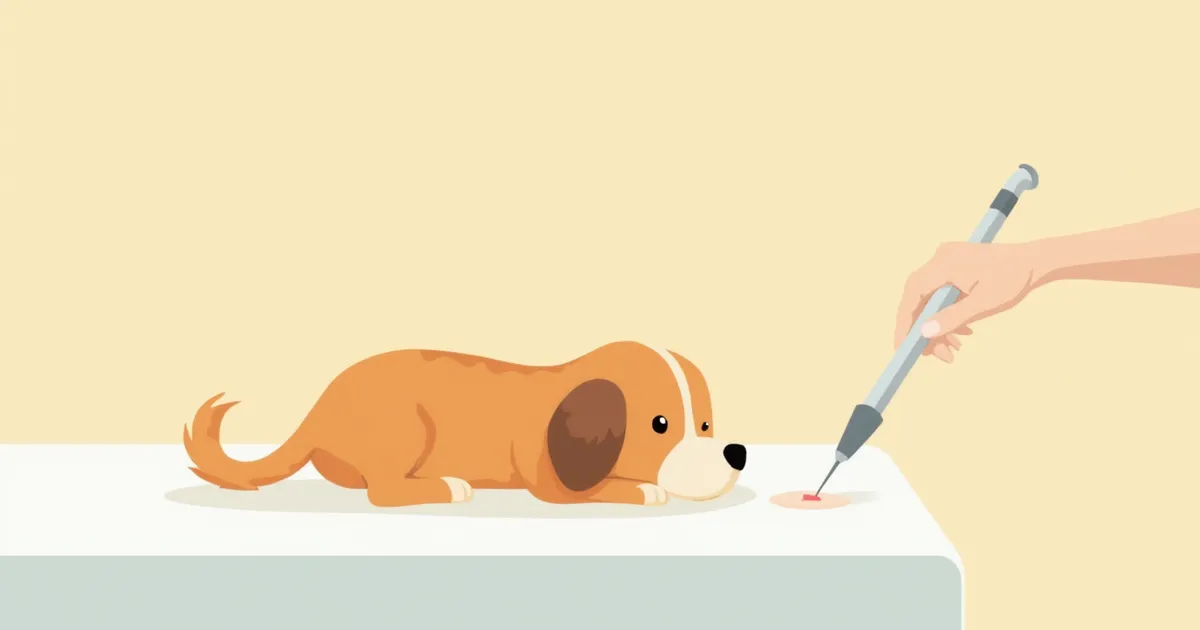
What is Cryosurgery for Pets? — Is It an Option for Your Pet’s Tumor?
Cryosurgery is a procedure that uses liquid nitrogen at -196°C to freeze and destroy tumor cells. It is particularly beneficial for small, superficial tumors and for elderly pets or those at risk from anesthesia.
When is Total Hip Replacement Needed for Dogs, and What Is the Recovery Like?
We’ve put together a practical guide for owners of dogs with end-stage hip dysplasia, covering everything from candidates for total hip replacement, the surgical procedure, recovery time, and success rates, to how it differs from femoral head ostectomy.
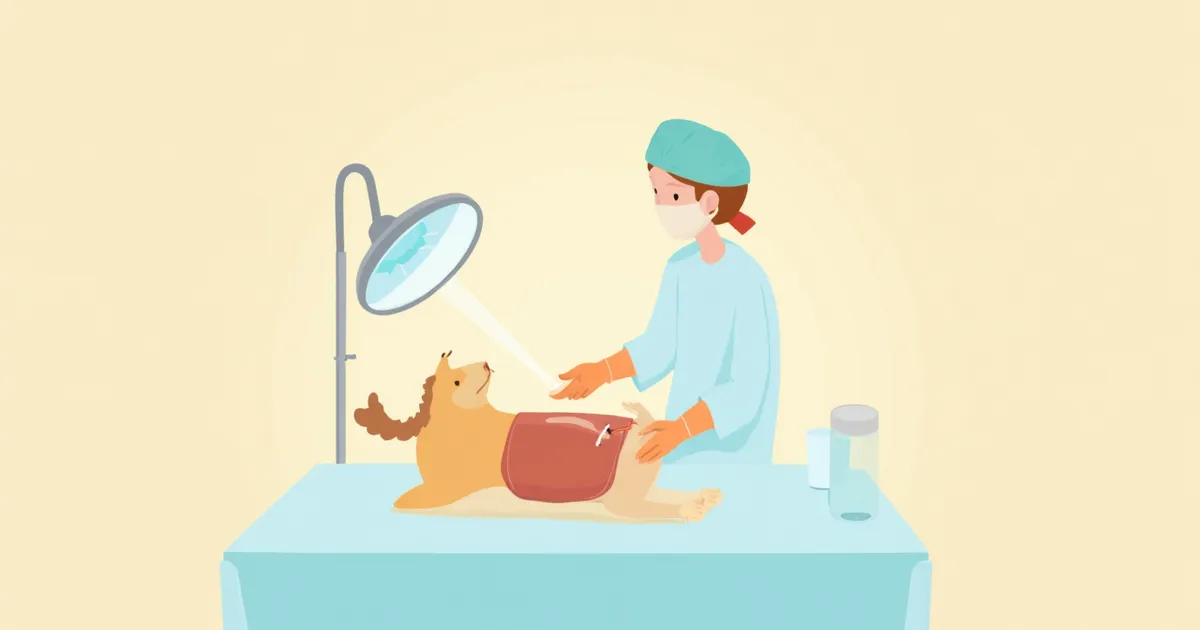
Partial Hepatectomy Procedure
Partial hepatectomy is a surgical procedure that removes the portion of the liver damaged by tumors, cysts, or trauma. We’ve compiled all the essential information pet owners need to know, including the surgical process, associated risks, and recovery period.
Ovariohysterectomy vs Ovariectomy: How Do They Differ for Dog Spaying?
Spaying female dogs can be done in two ways: removing the uterus along with the ovaries, or removing only the ovaries. Here’s a breakdown of the differences between the two methods and how to choose the best option for your dog.

How is a Dog’s Vasectomy Different from Neutering? — A Guide to Hormonal, Reproductive, and Health Differences
A dog’s vasectomy is a procedure that only blocks the vas deferens to eliminate fertility while preserving hormone production, which sets it apart from traditional neutering. Here’s a summary of the differences between the two procedures and how to choose the right option.