Like
Share
멍실장
고양이 간 낭종 자주 묻는 질문 Q&A — 보호자가 꼭 알아야 할 핵심

What are feline liver cysts? — Are they dangerous, and how is follow-up done?

Liver HealthQ&AMeongsiljang Veterinary Advisory Board

While most feline liver cysts are asymptomatic, they can cause gastrointestinal discomfort or pain as they grow. Here’s a summary of the key information pet owners should know.

What are feline liver cysts?
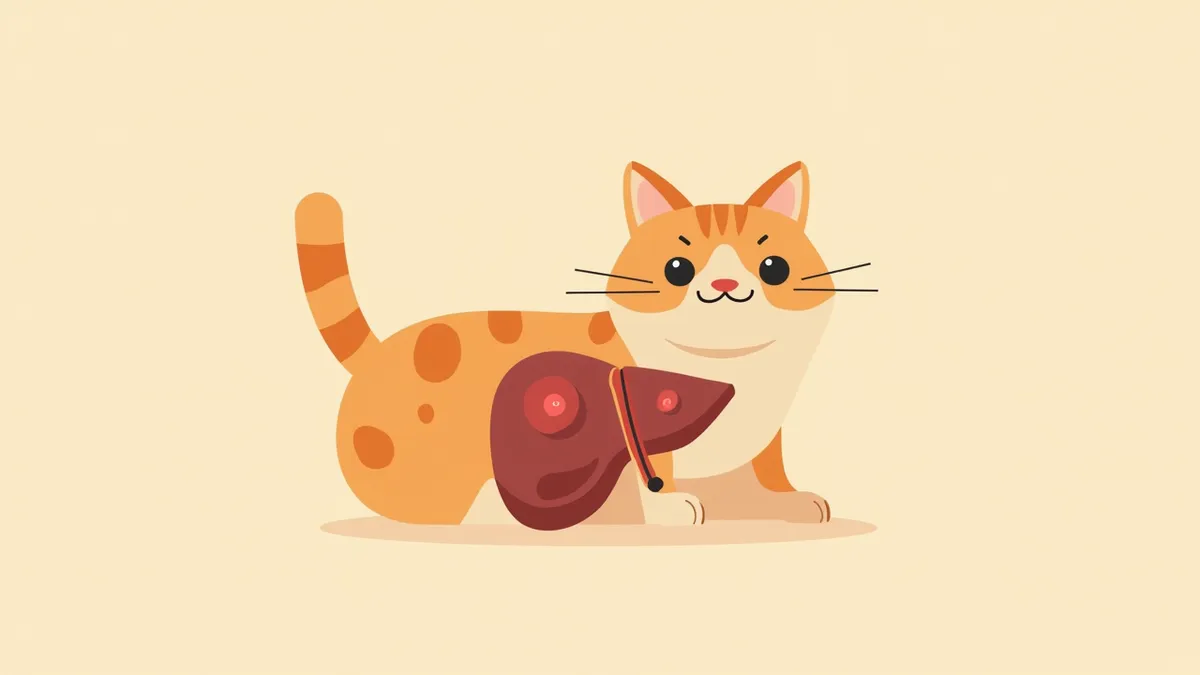
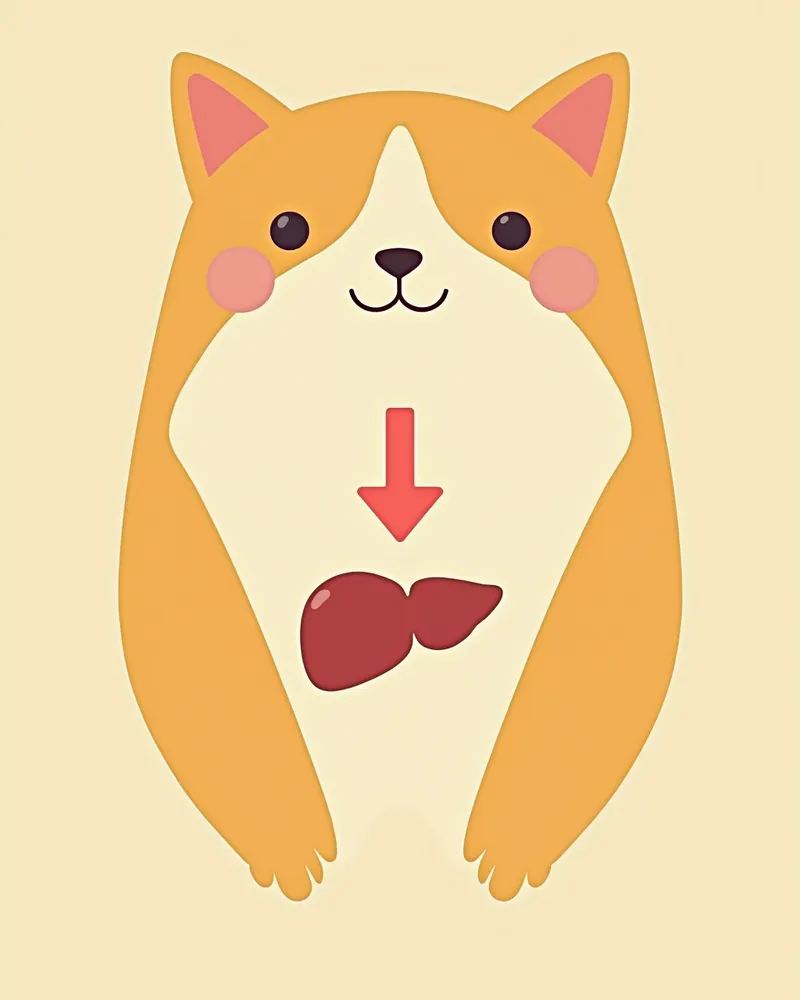
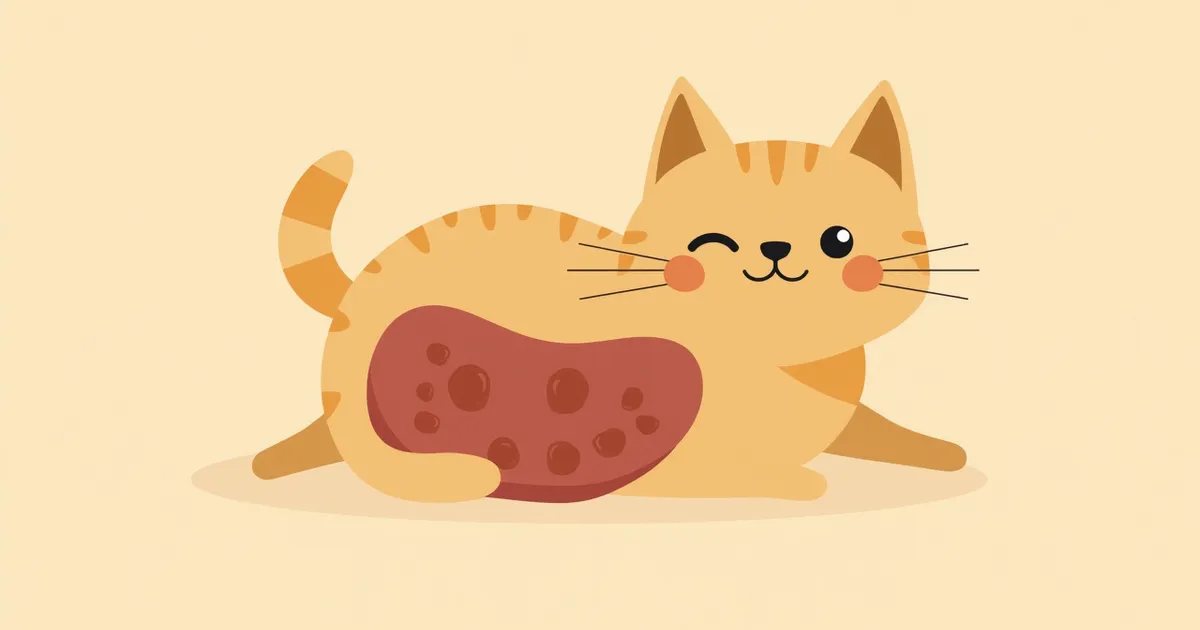
The anatomical structure of cysts that form in a cat’s liver
Feline hepatic cysts are blister-like structures that form within the liver. Most are congenital changes associated with abnormalities in the developmental process of the intrahepatic bile ducts (the ductal plate), and in certain breeds, such as Persians, they may occur alongside polycystic kidney disease. These cysts are often small and asymptomatic. - Asymptomatic cysts: Many cats live without any symptoms, and when discovered incidentally during routine check-ups, monitoring alone is often sufficient. - Cyst size: Small cysts typically cause no issues, but if they grow large enough to compress surrounding liver tissue or stretch the capsule, causing pain, treatment may be necessary. - Timing of diagnosis: Even in the absence of symptoms, early detection is possible through ultrasound examinations. Regular health check-ups are essential.

Why do liver cysts develop?

The exact cause of feline hepatic cysts remains unclear, but they are classically described in veterinary textbooks as a congenital condition linked to developmental abnormalities of the intrahepatic bile ducts. - Developmental abnormalities: Cystic structures can form when the ductal plate, the embryonic precursor to the intrahepatic bile ducts, fails to develop properly. - Genetic predisposition: In certain breeds, such as Persians, mutations in the PKD1 gene are inherited in an autosomal dominant pattern, leading to hepatic cysts alongside polycystic kidney disease. - Progressive course: As the cystic bile duct structures gradually enlarge and surrounding fibrosis develops, the functional liver tissue can become damaged. - Unknown etiology: In many cases, the specific cause remains unidentified, making early detection through regular veterinary check-ups essential.
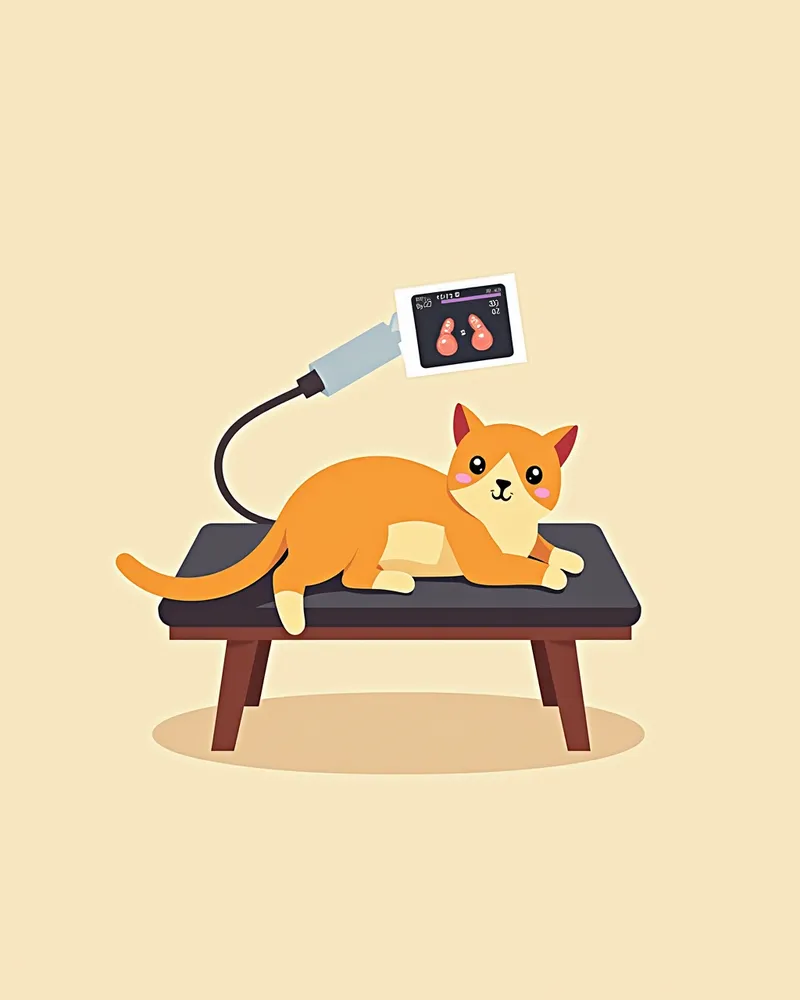
An ultrasound image showing the diagnosis of a liver cyst in a cat.

What are the main symptoms?

Most feline liver cysts are asymptomatic, making them difficult for pet owners to notice. However, if a cyst grows large enough to compress surrounding organs, it can lead to noticeable changes in your cat’s health. - Decreased appetite: As the enlarging cyst presses on nearby tissues, your cat may show less interest in food. - Weight loss: Prolonged loss of appetite can result in weight loss. - Vomiting: Compression of the gastrointestinal tract may trigger vomiting. - Abdominal distension: A significantly enlarged cyst can cause the abdomen to appear swollen. - Jaundice: Bile stasis can elevate bilirubin levels to two or three times the normal range, causing the eyes or gums to appear yellow. If you observe any of these symptoms, seek veterinary care immediately.
A cat showing abdominal distension due to liver cysts

Signs requiring immediate veterinary care

If your cat suddenly loses its appetite, vomits repeatedly, or develops yellowing of the eyes or gums, seek veterinary care immediately. These signs may indicate a serious liver problem, such as bile stasis. Because enlarging cysts can compress surrounding liver tissue, prompt diagnosis is essential.

How are they diagnosed?

Feline liver cysts are often discovered during routine check-ups, even when the cat shows no symptoms. - Ultrasound examination: This non-invasive method allows for a detailed view of the internal liver structure, making it useful for determining the size and location of cysts and guiding sample collection. - Blood tests: Serum chemistry and other blood tests assess liver function markers to evaluate for any abnormalities. - CT and fine-needle aspiration (FNA) or biopsy: For complex cases or when precise evaluation is needed, CT scans provide anatomical information, and FNA or biopsy may be performed to reach a definitive diagnosis. - Regular check-ups: Early detection through regular health screenings and ultrasounds is key to effective treatment, even in the absence of symptoms.
Ultrasound diagnosis process for feline liver cysts

What are the treatment options?

Treatment approaches vary depending on the cyst’s size, location, and your cat’s overall health. - Observation: If the cyst is small and asymptomatic, regular monitoring alone is often sufficient. - Drainage: If the cyst enlarges and causes pressure or pain, ultrasound-guided aspiration can remove the fluid. However, the cyst may refill and recur. - Surgical removal: If the cyst is very large or there is suspicion of a neoplastic condition (e.g., biliary cystadenoma), surgical resection of the affected liver lobe is performed. Solitary lesions typically have a favorable prognosis after excision. - Supportive care: Additional supportive management may be provided as deemed necessary by your veterinarian. The primary goals of treatment are symptom relief and maintenance of liver function.
The drainage procedure to remove fluid from a liver cyst

Comparison of treatment methods

ItemApplicable conditionsAdvantagesDisadvantages
Observation onlySmall cyst, no symptomsNon-invasive, no burdenLow cost, no side effects
Fluid drainageLarge cyst, symptomaticImmediate symptom reliefPossibility of recurrence
Surgical removalComplex location, repeated recurrenceComplete removal possibleHigh cost and requires recovery time

Decide on treatment after consulting a veterinarian.

Points to note

Liver cysts are mostly benign, so there’s no need to worry too much. However, if they grow large, they can press on the liver tissue and affect liver function. Regular check-ups are important to monitor any changes, and if symptoms appear, prompt action is necessary. Always follow your veterinarian’s instructions when administering medication.

Reviewed by a veterinarian

Dr. Tony — Punnawat Phongkittirak

Dr. Tony — Punnawat Phongkittirak

Veterinarian

A veterinarian who majored in veterinary medicine at Khon Kaen University, Thailand, and completed the IVSA program at North Carolina State University in the United States. Drawing on clinical experience at animal hospitals, he works in the pet healthcare field and is dedicated to building a digital care environment that connects pet parents with veterinarians.

Frequently asked questions

Are feline liver cysts cancerous?
Most simple liver cysts are benign. However, since some tumors can appear cystic—such as cholangiocarcinoma, the most common liver tumor in cats—accurate differential diagnosis and regular check-ups are essential.
Can liver cysts not be treated?
If the cyst is small and asymptomatic, observation alone is sufficient without treatment. If it enlarges and causes pressure or pain, it can be treated with ultrasound-guided drainage or surgery.
Are liver cysts hereditary?
In some breeds, such as Persians, a mutation in the PKD1 gene is inherited in an autosomal dominant pattern, which can lead to polycystic kidney disease along with liver cysts.
Can a cat live a long, healthy life with a liver cyst?
Yes, many cats can live normally without symptoms even if they have cysts. If there are no symptoms and the cyst is small, it usually isn't a problem.
How often should I bring my pet in for a routine checkup?
Even if there are no symptoms, regular ultrasound examinations are recommended. If the cyst is large or symptoms develop, more frequent check-ups are necessary.

Share

Related Guides

References

[1] Fowler, L.B., et al. (2020). Ecological level analysis of primary lung tumors in dogs and cats and environmental radon activity. Journal of Veterinary Internal Medicine, 34(6), 2660–2670.

[2] Mellanby, R.J., et al. (2002). Anal sac adenocarcinoma in a Siamese cat. Journal of Feline Medicine and Surgery, 4(4), 205–207.

[3] Heaton, C.M., et al. (2020). Evaluation of toceranib for treatment of apocrine gland anal sac adenocarcinoma in dogs. Journal of Veterinary Internal Medicine, 34(2), 873–881.

This information is based on veterinary literature and does not replace diagnosis or treatment. Please consult a veterinarian for specific health concerns.

Metapet Co., Ltd. | CEO: Park Sung-yong | Business Reg. No. 417-88-02562 | Seoul, South Korea | Customer Center

What Are Feline Liver Cysts? Are They Dangerous & Follow-Up | Meongsiljang