
My Dog Growls and Guards Its Toys — Is Resource Guarding Normal?
While a dog guarding its toys can be an instinctive response, excessive guarding can lead to problems. Here’s a summary of the key causes and solutions that owners should know.
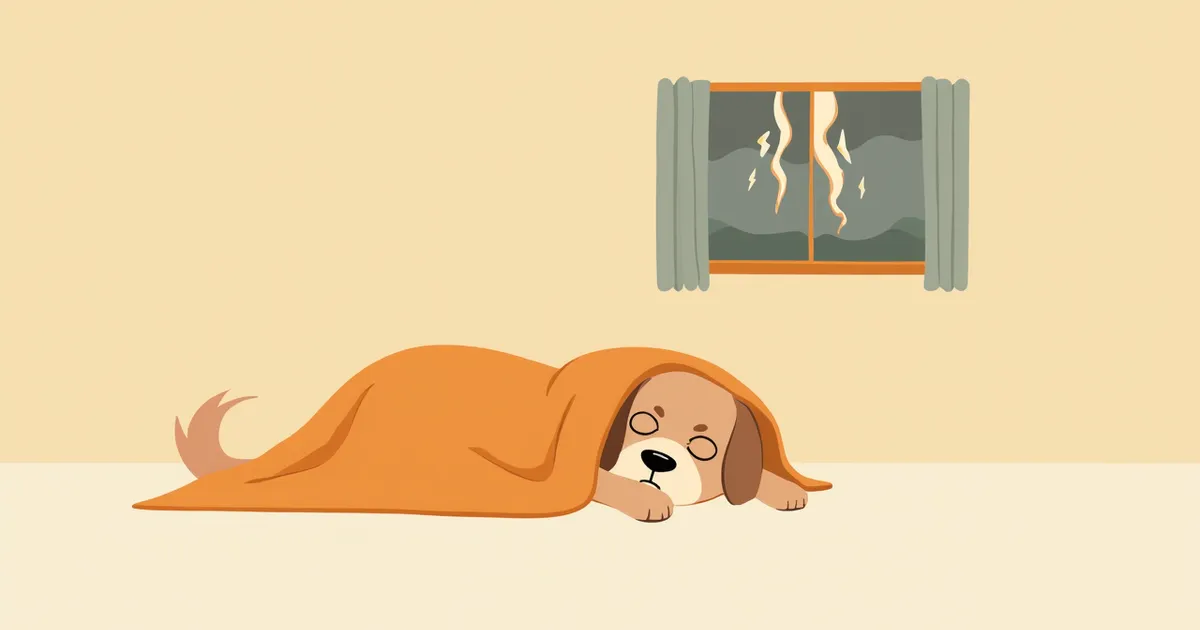
What is thunderstorm phobia in dogs? — Why are they afraid and how to calm them down
Thunderstorm phobia in dogs is a behavioral disorder characterized by an excessive fear response to sudden noises. Knowing the right way to handle it can significantly reduce your dog’s stress.

Frequently Asked Questions About Canine Compulsive Disorders — Key Information for Pet Owners
If your dog can’t stop chasing its tail, spinning in circles, or repeatedly licking its paws, it may be showing signs of a compulsive behavior disorder. We’ll answer the most common questions from pet owners, covering causes, at-home management tips, and when to consult a veterinarian.
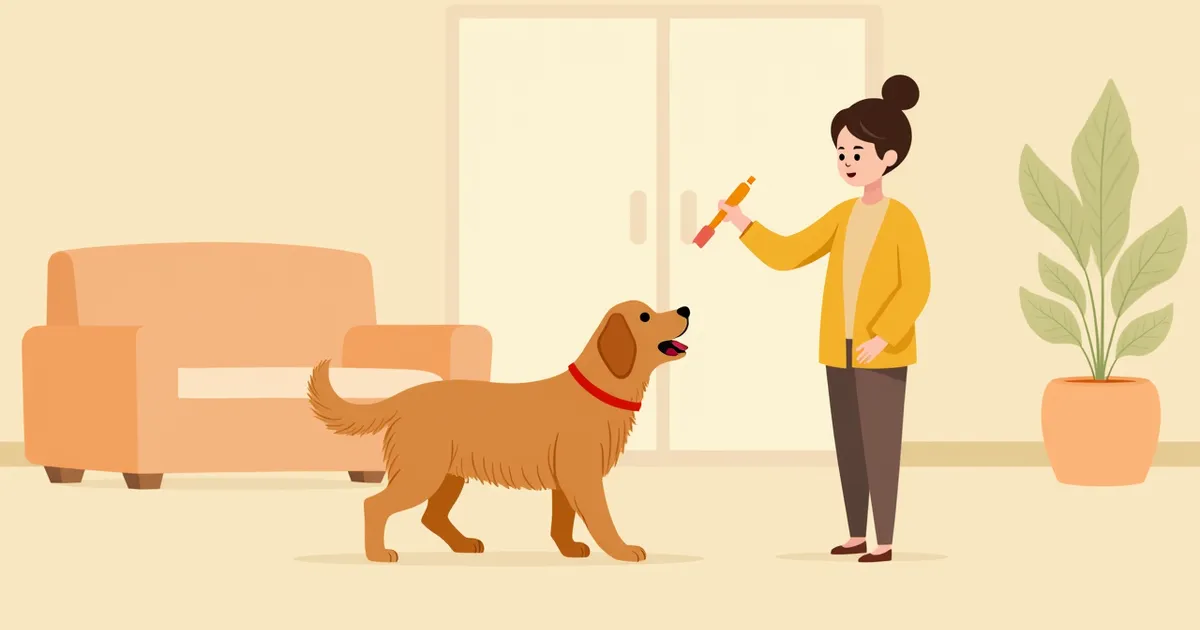
How to Correct Puppy Biting — When Will the Biting Habit Disappear?
We’ve compiled the key points about correcting biting behavior in dogs into a Q&A format, covering everything from why dogs bite to age-appropriate correction methods and when to seek professional advice.

Why Does a Dog’s Hunting Instinct Become Excessive? — How to Correct Chasing and Biting Behaviors
We’ve compiled a Q&A guide to help pet owners understand the causes, warning signs, and safe management strategies when a dog’s hunting instinct becomes excessive.
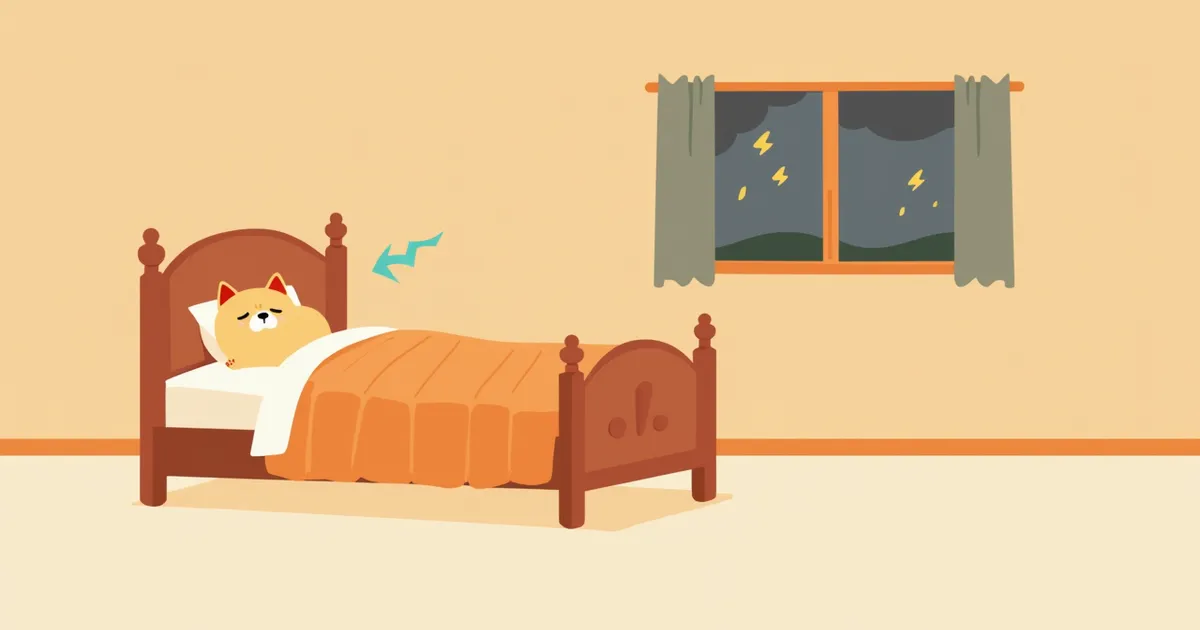
Our Dog Trembles at Thunder and Fireworks — Is It Noise Phobia?
Canine noise phobia is a behavioral issue where dogs exhibit excessive fear responses to loud noises such as thunderstorms and fireworks. We’ve compiled the most frequently asked questions from pet owners along with evidence-based veterinary answers in one place.
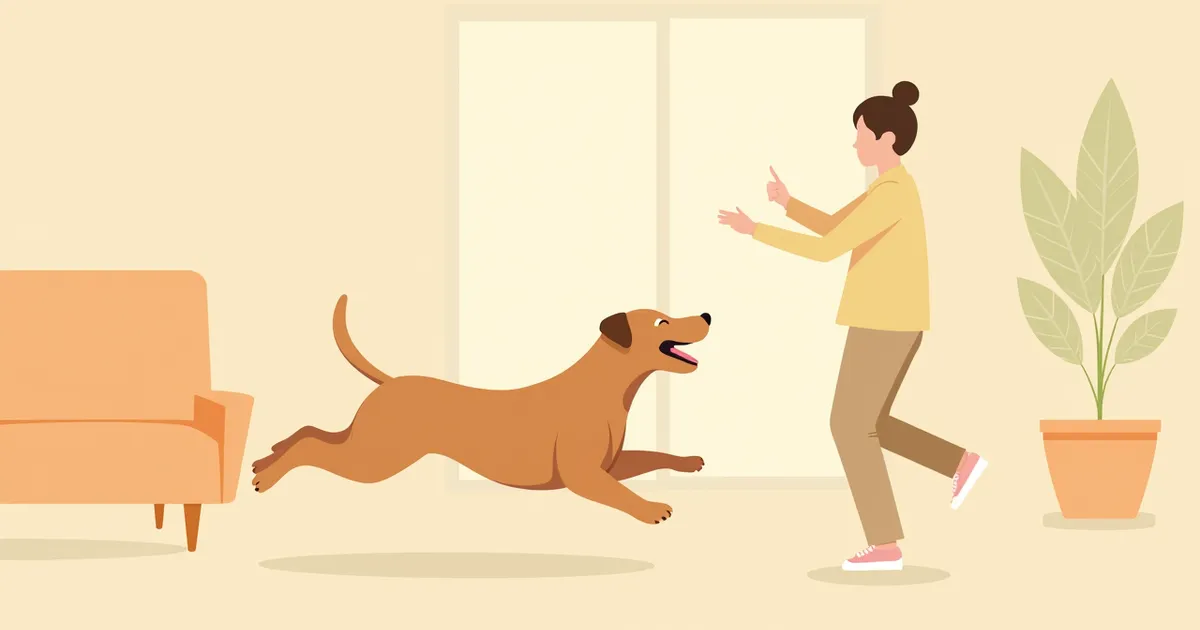
My Dog Is Too Excited — Causes and Management of Overexcitement and Impulse Control Issues Q&A
Excessive excitement and impulse-control issues in dogs result from a complex interplay of genetics, environment, and learned behaviors. We’ve outlined a step-by-step approach, starting with ruling out medical causes, followed by practical behavior modification techniques you can implement at home, and guidance on when to seek professional help.

What are indoor elimination accidents in dogs? — Why do they recur and how can they be corrected?
If a house-trained puppy suddenly starts having repeated indoor accidents, it’s important to first determine whether the cause is medical or behavioral. We’ve compiled the most commonly asked questions from pet owners about causes, solutions, and when to visit the vet in a Q&A format.
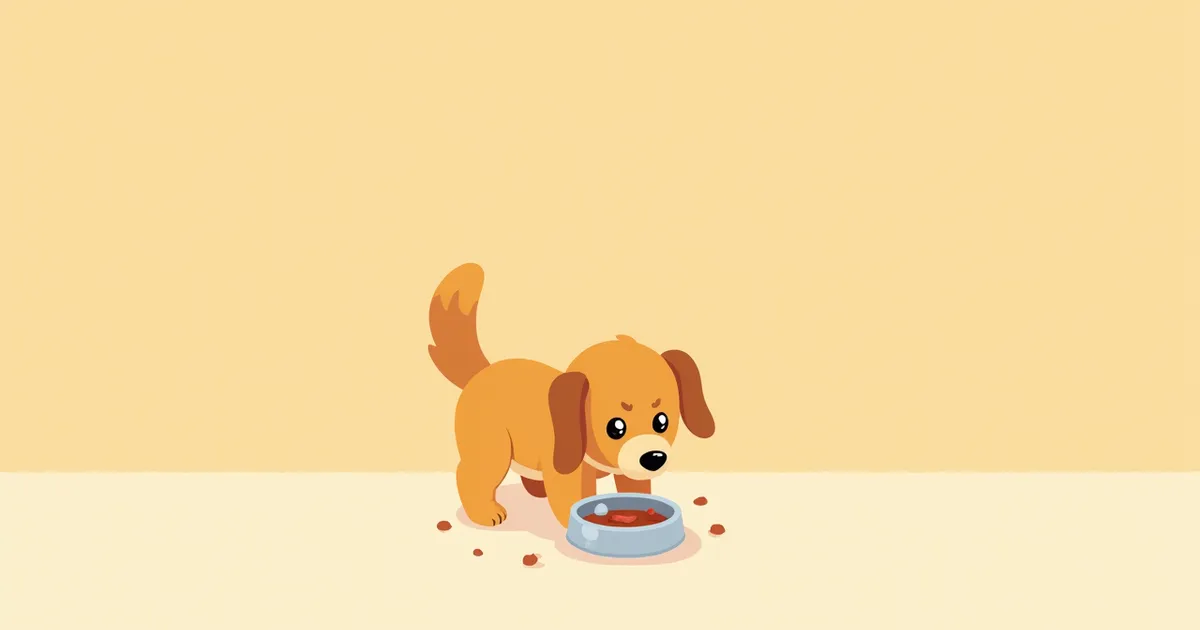
My puppy growls while guarding his food bowl — is this normal?
We’ve compiled a Q&A from a veterinary behaviorist’s perspective, explaining why dogs may growl or become aggressive around their food bowls and how owners can safely manage and correct this behavior.

If Your Dog Is Anxious After Moving — How to Reduce Environmental Change Stress
Moving or changing environments can cause stress in dogs. Here’s a summary of key questions and coping strategies that pet owners should know.
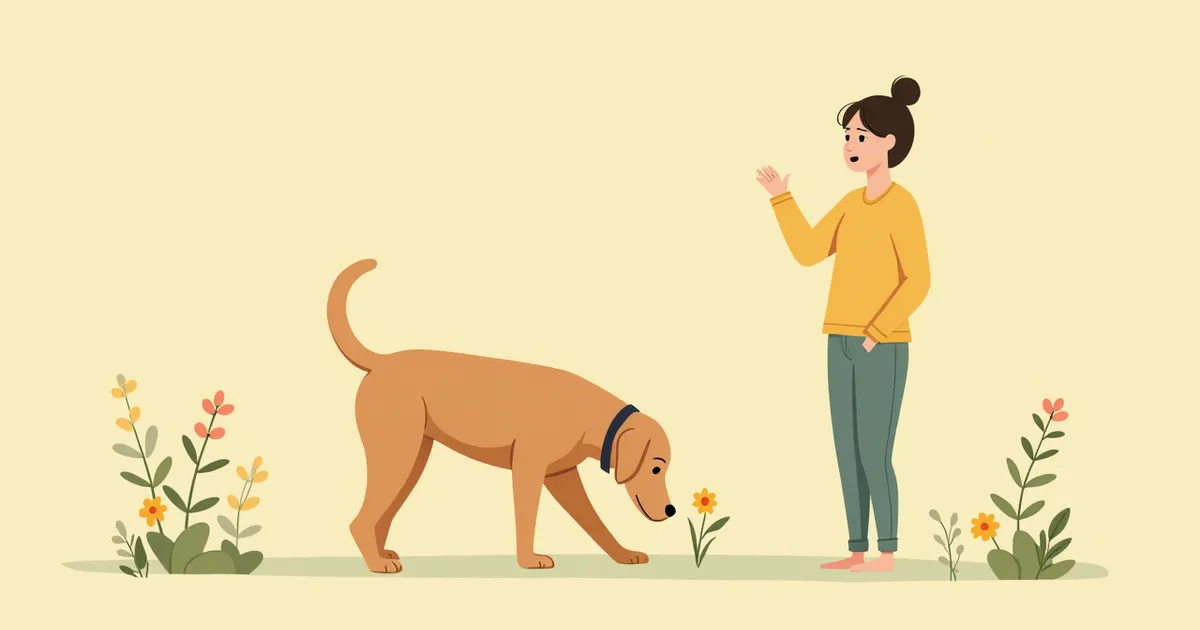
Why Is My Puppy Eating Poop? — Q&A on Coprophagia Causes and When to See the Vet
We’ve put together a clear Q&A to help pet owners understand the causes of coprophagia (feces-eating) in dogs, behavior modification techniques, and when to visit the vet.
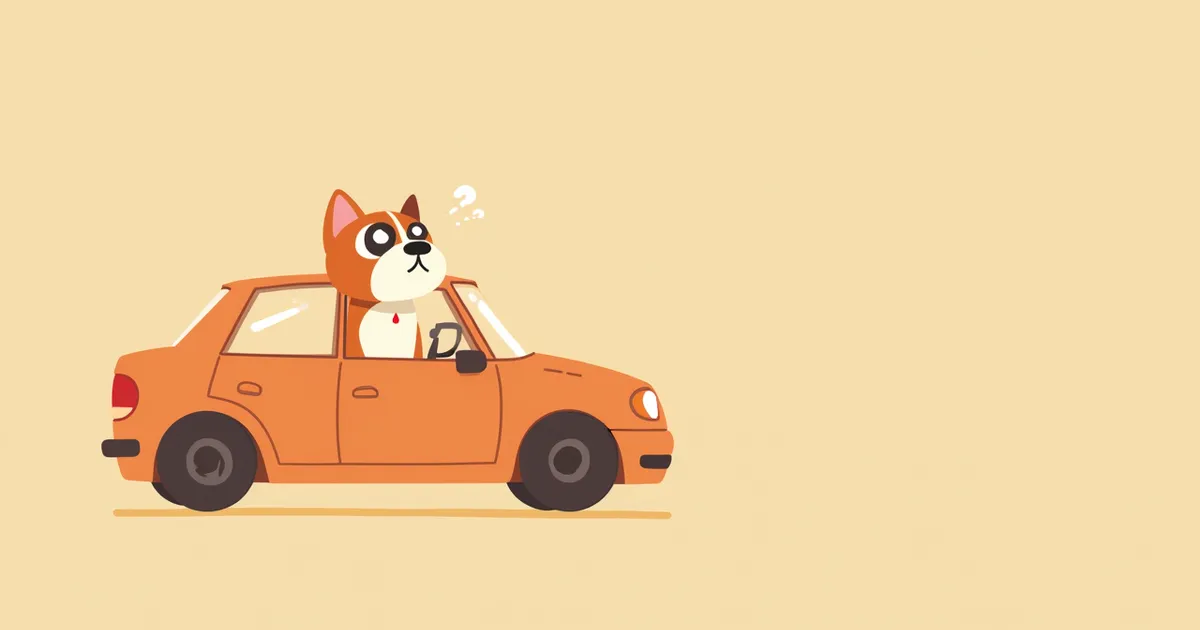
Why Does Your Dog Tremble in the Car? — Causes of Car Anxiety and Motion Sickness, and Adaptation Training
When dogs vomit, whine, or tremble in the car, it’s usually due to motion sickness or fear and anxiety. This guide covers how to distinguish symptoms by cause, step-by-step desensitization training, and how to use veterinarian-prescribed antiemetics effectively.

What is dog pheromone therapy? — A guide to calming puppy anxiety and usage instructions
Dog-appeasing pheromone (DAP) therapy is a safe behavioral treatment adjunct that synthesizes the calming signals of a mother dog to help alleviate separation anxiety and noise phobias. We’ve compiled everything you need to know, from how to choose the right product format to the veterinary research behind it and proper usage instructions.

What Is Behavioral Enrichment for Dogs? Practical Strategies to Reduce Problem Behaviors
Behavioral enrichment for dogs is a strategy that designs the environment to safely satisfy your dog’s natural instincts to explore and hunt. We’ve compiled five types of enrichment—food, cognitive, sensory, physical, and social—along with frequently asked questions from pet owners, all grounded in veterinary behavioral science.
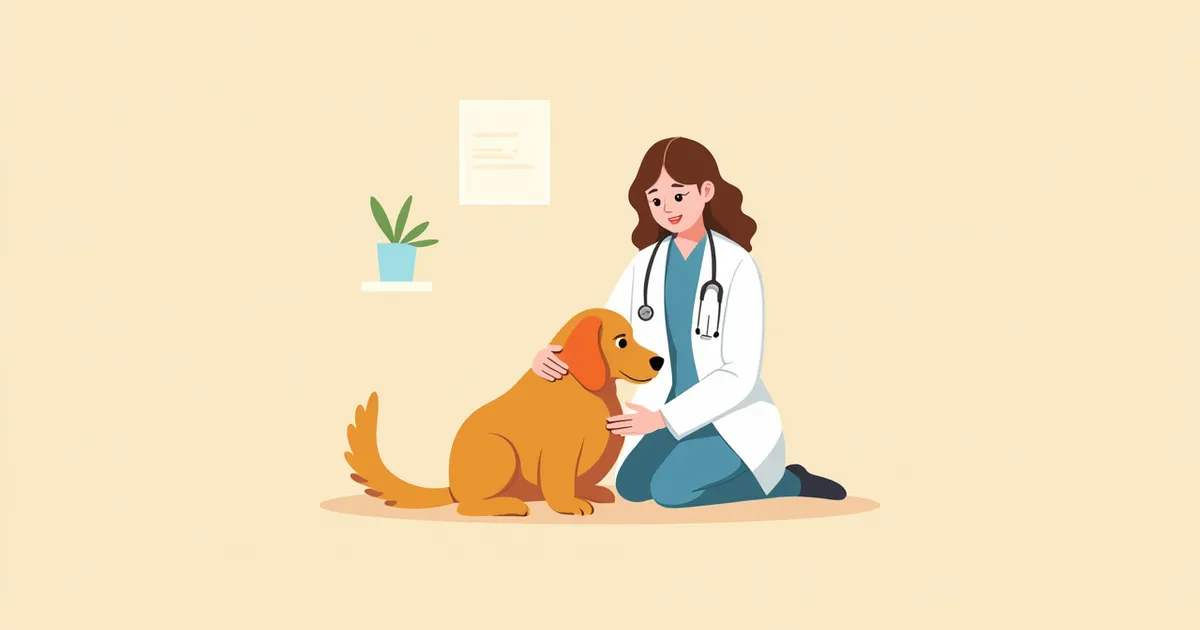
Is medication really necessary for correcting puppy behavior? — How do the effects and side effects differ?
We’ve compiled the most common questions pet owners ask when their veterinarian recommends medication for separation anxiety, aggression, or compulsive behaviors. Here’s everything you need to know about the types of medications, how long they take to work, potential side effects, and how to combine them with training.

My Cat Panics at the Vet — How to Reduce Veterinary Fear
We’ve compiled a Q&A on why cats are so terrified of veterinary visits and practical steps owners can take to ease their fear. Learn step-by-step strategies, from pre-visit preparations and in-clinic handling to long-term desensitization training.

Why Has My Cat Become So Sensitive? — Causes of Territorial Stress and When to Intervene
We’ve compiled the causes, symptoms, and step-by-step solutions for feline territorial stress in a Q&A format. It also includes tips for improving multi-cat home environments and introducing new cats.
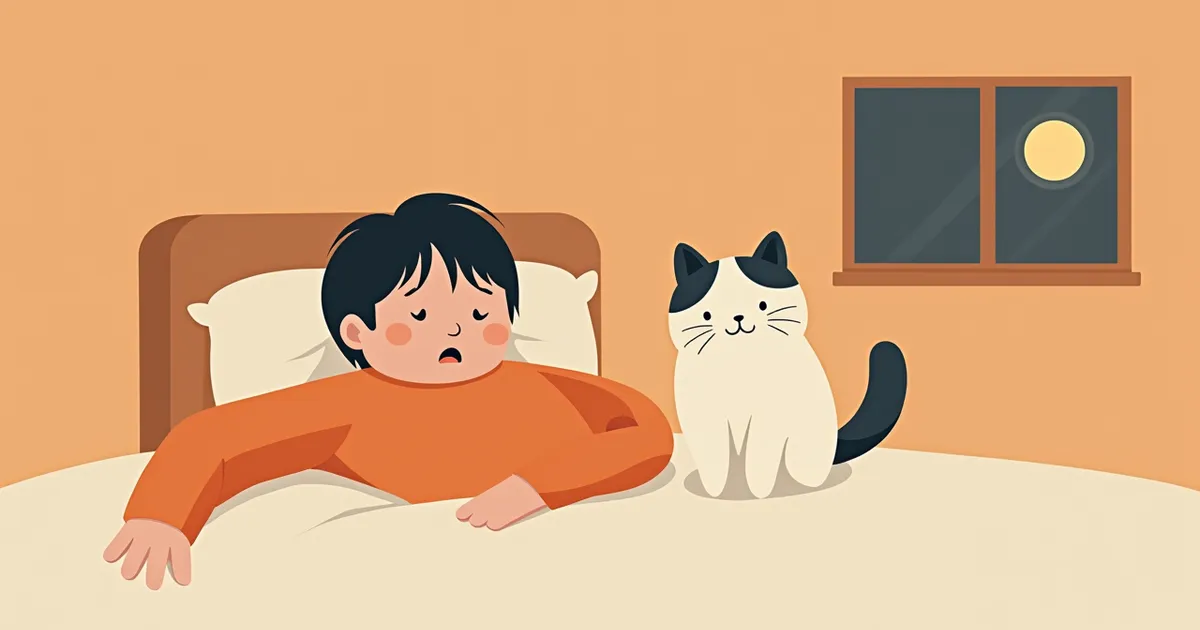
Why Does My Cat Wake Me Up at Dawn? — Causes of Sleep Disruption and the Right Time to Act
We’ve compiled a Q&A on why cats wake their owners at night and how to address the issue based on different behavioral types. Learn about the causes of sleep-disrupting behaviors like early-morning meowing, biting, and dropping objects, along with important precautions for senior cats.

Cat Suddenly Biting and Scratching — Causes and Correction of Play Aggression
Play aggression in cats is a behavioral issue where their hunting instincts are not properly regulated, leading them to direct their predatory behavior toward people. We’ve compiled the causes, how to distinguish it from true aggression, and proper handling and training methods in a Q&A format.

My Cat Keeps Licking Themselves — Is Excessive Grooming Normal?
Excessive grooming in cats can be caused by a variety of factors, including stress, allergies, and parasites. We’ve outlined how to distinguish between medical and psychological causes, as well as environmental improvements you can make at home.

Cats Keep Fighting — Causes and Intervention Timing for Multi-Cat Household Conflicts
We’ve compiled the causes, signs, and solutions for common cat conflicts in multi-cat households, based on veterinary behavior science. This guide covers the essentials, from introduction procedures and resource separation to conflict mitigation strategies.

What is feline pheromone therapy? — Does it really work? A guide to its effects and usage
We’ve compiled a Q&A guide on how to use synthetic pheromone products to reduce stress and problem behaviors in cats. Learn how to apply them in specific situations—such as urine marking, multi-cat conflicts, and travel anxiety—along with important precautions.

What is feline cognitive dysfunction? — Early signs of feline dementia
We’ve compiled a veterinary expert-backed guide on the symptoms, diagnosis, and environmental management of cognitive dysfunction in cats aged 11 and older.

Why Is My Cat Suddenly Aggressive? — Causes and Management of Fear-Based Aggression
How should you handle a cat that bites or scratches out of fear? We’ve compiled frequently asked questions covering the causes of fear-based aggression and behavior modification techniques.

My Cat Keeps Meowing — Is Excessive Meowing Normal?
We’ve compiled a Q&A guide on why cats may suddenly or repeatedly meow excessively, along with how to respond. By distinguishing between medical causes and behavioral issues, you can find the right approach to help your cat.

If Your Cat Has Changed After the Move — Is Environmental Change Stress Normal?
We’ve compiled a Q&A guide on the causes and symptoms of stress in cats due to moving or environmental changes, along with step-by-step adaptation methods for before and after the move. Discover key care tips to help your cat adjust quickly to their new home.

Do Cats with Behavioral Problems Need Medication? — A Complete Guide to Effects and Precautions
Our veterinary advisory panel has compiled a Q&A on the types, effects, and precautions of behavioral modification medications used for anxiety, aggression, and compulsive behaviors in cats.

What is Feline Asthma? — Core Q&A from Symptoms and Attack Signs to Inhaler Treatment
We’ve compiled answers to frequently asked questions from pet owners about feline asthma—covering symptoms, diagnosis, treatment (including steroids and inhalers), and home environment management—all based on veterinary evidence.
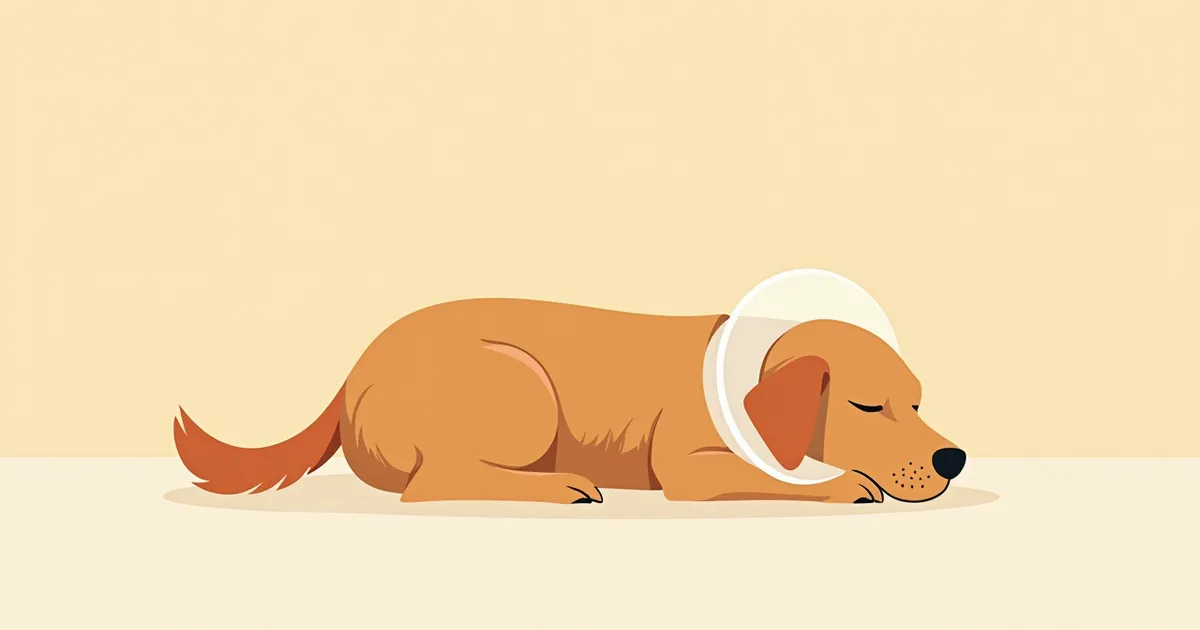
How to Care for Your Dog After Surgery — Key Recovery Steps Owners Must Follow
We’ve outlined the key steps for post-surgical care in dogs, from anesthesia recovery and wound management to activity restrictions and recognizing emergency symptoms. Intensive care during the first 48 to 72 hours after surgery is crucial in determining how quickly your dog recovers.
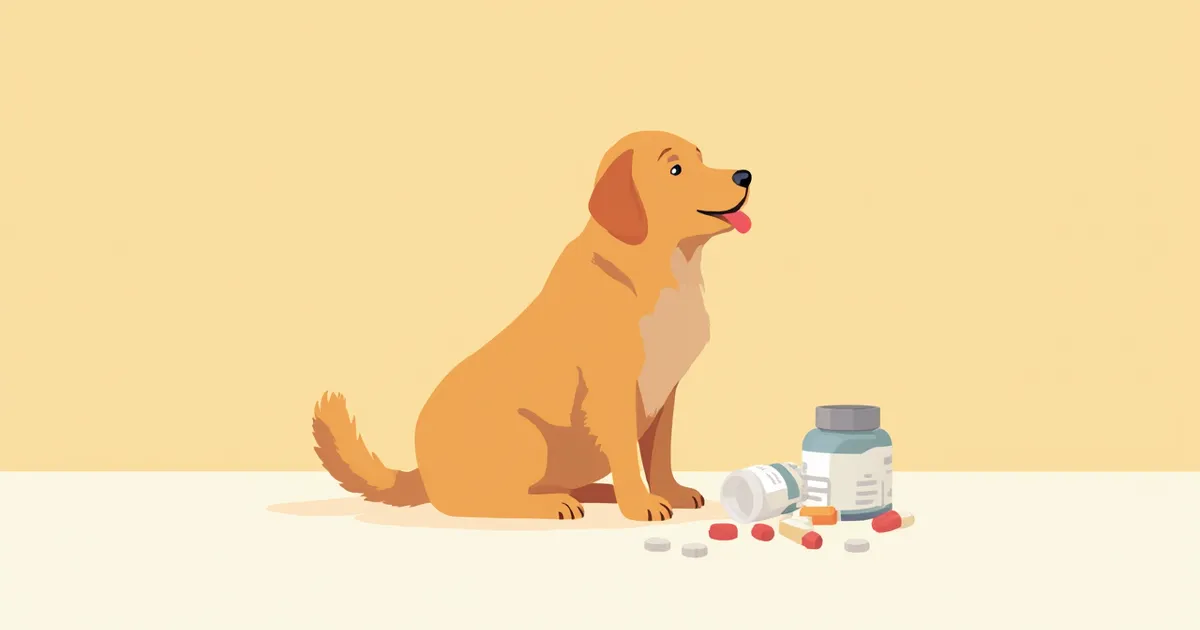
A Complete Guide to Dog Dewormer Types and Selection — Key Points for Pet Owners
We’ve compiled a guide to the key features and selection criteria for deworming ingredients that protect dogs against roundworms, hookworms, tapeworms, whipworms, and heartworms. You’ll also find age-specific dosing schedules and breed-specific precautions.

A Complete Guide to Feline Rehabilitation Physical Therapy — Key Points for Pet Owners
I’ve compiled evidence-based veterinary information on the types and benefits of feline rehabilitation physical therapy, when to start it, and how to manage care at home.
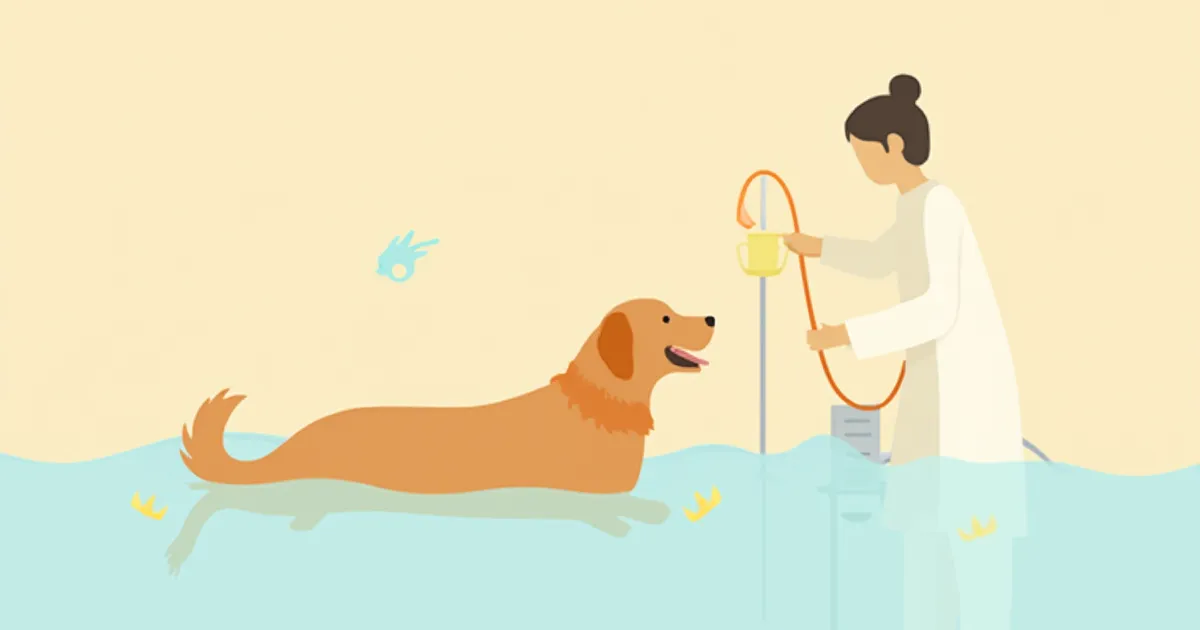
Canine Rehabilitation Physical Therapy: A Complete Guide for Pet Owners
We’ve compiled evidence-based veterinary information on the types, indications, duration, costs, and home care methods for canine rehabilitation physical therapy. Learn how to help your dog recover more quickly after surgery.

How to Feed Your Cat a Prescription Diet — Differences from Regular Food and Feeding Principles
How should you feed your pet a veterinarian-prescribed therapeutic diet? We’ve summarized the essentials every pet owner needs to know, from transition methods and precautions to feeding duration.

What Is Prescription Dog Food? — Differences From Regular Food and Feeding Principles
We’ve put together a clear, owner-friendly guide to the key principles of feeding prescription dog food, the differences between types, how to transition your dog properly, and important precautions to keep in mind during feeding.

The Complete Guide to the Causes of Feline Stereotypic Behavior and Behavioral Correction and Treatment Methods
Here’s a summary based on veterinary behavioral science explaining why cats develop repetitive abnormal behaviors (stereotypies), and how they can be corrected and treated.
A Complete Guide to the Causes, Behavioral Modifications, and Treatment of Canine Cognitive Dysfunction
Canine cognitive dysfunction is a condition in older dogs where cognitive and behavioral functions gradually decline due to brain aging. We’ve compiled a comprehensive guide covering everything from causes to medication and at-home behavioral modifications, all based on veterinary expertise.

How to Use Medication for Canine Noise Phobia — From Types to Timing
We’ve clearly outlined the effects and optimal timing for four medications commonly prescribed for thunderstorm and firework phobia in dogs: trazodone, gabapentin, Sileo®, and clonidine. We’ve also covered environmental management and desensitization training, which are just as important as medication.

Cat Excessive Grooming and Self-Harm — Medical Guide to Stress-Induced Dermatitis
We’ve outlined the medical causes of self-harm grooming in cats—where they repeatedly lick the same area, causing hair loss and skin damage—along with step-by-step treatment plans and home care tips.

Where Do Cat Tapeworms Come From? — The Flea Infection Cycle and Deworming Timing
Most cats become infected with tapeworms, an intestinal parasite, by ingesting fleas. A key sign is the presence of rice-grain-like segments around the anus, and it’s essential to treat with deworming medication while simultaneously managing fleas.

Can Dogs Eat Macadamia Nuts? — Toxicity Symptoms and Emergency Response
Even a small amount of macadamia nuts—just 0.7 grams per kilogram of body weight—can cause hind leg weakness and tremors in dogs. Here’s a clear guide to help you assess the urgency based on symptoms, provide home care, and know when to visit the vet.

Possibility of Remission (Cure) in Feline Diabetes — Key Dietary Management and Insulin Adjustment
With early intervention using a low-carbohydrate diet combined with long-acting insulin, approximately 30–50% of cats with diabetes can achieve remission (a state of clinical cure). However, because there is a lifelong risk of relapse, regular monitoring is essential.
What is Canine Addison’s Disease? — Emergency Shock and Lifelong Hormone Management
We’ve put together a clear, owner-friendly overview of canine Addison’s disease, including its definition, warning signs of an Addisonian crisis (emergency shock), and key points for lifelong hormone replacement therapy and home care.

Feline Tumor Biopsy — Anesthesia Risks and Decision-Making for Senior Cats
We’ve compiled the essentials every cat owner should know—based on veterinary expert advice—including the differences between biopsy methods for feline tumors, anesthesia risks and safety protocols for senior cats, and criteria for determining the optimal timing for testing.
Is Your Cat’s Bad Breath a Sign of Cancer? — Suspected Symptoms of Oral Squamous Cell Carcinoma and an Early Detection Checklist
Feline oral squamous cell carcinoma is the most common malignant tumor in cats, accounting for 70–80% of all oral tumors. We’ve outlined the early warning signs—such as bad breath, drooling, and decreased appetite—along with guidelines for when to visit the clinic, and the diagnostic and treatment process.

Can Cats Wear Tick Collars? — Ingredient Checklist to Prevent Permethrin Poisoning
The safety of tick collars for cats varies significantly depending on their ingredients. In particular, permethrin-based products are lethal to cats and must be avoided at all costs.
Cat Antifreeze Poisoning — Why It Progresses Faster Than in Dogs
Antifreeze poisoning in cats is a medical emergency in which ethylene glycol accumulates in the kidneys, causing acute kidney failure. We’ve outlined why it progresses more rapidly in cats than in dogs—even with smaller amounts—and what emergency steps to take.
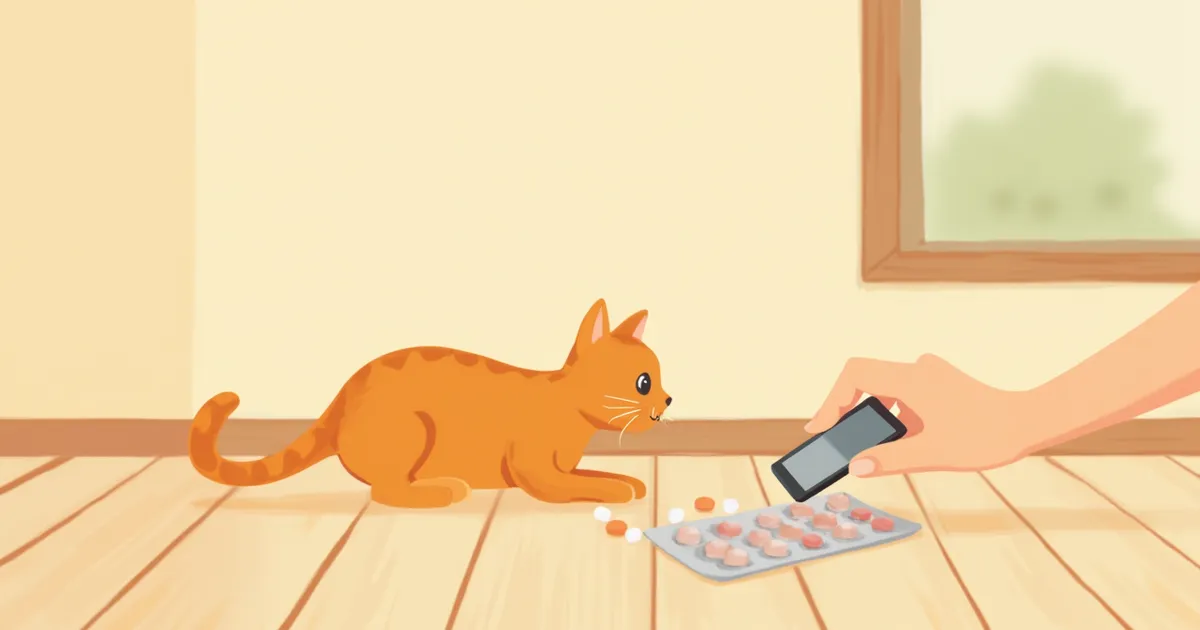
My Cat Ate Ibuprofen — Key Emergency Response for Kidney Failure and Stomach Bleeding
We’ve outlined the symptoms of kidney failure and stomach bleeding that can occur when cats ingest ibuprofen, along with the lethal dose threshold and what owners should do before reaching the vet. Even doses as low as 5 mg/kg can be dangerous.
Canine Cannabis (THC) Exposure Emergency — Key Differences from CBD
When dogs are exposed to THC (cannabis), they can quickly develop an emergency situation characterized by ataxia, inability to stand, and urinary incontinence. Here’s a clear overview of how THC differs from CBD and when you should seek veterinary care.

Antifreeze Poisoning in Dogs — Why Even a Single Lick Can Be Fatal
Antifreeze poisoning in dogs is a medical emergency that can cause acute kidney failure from just a single lick, due to its sweet taste. Administering an antidote within three hours of exposure is the golden window for treatment. We’ve outlined the three stages of symptoms, home care steps, and prevention guidelines.

What to Do If Your Dog Ingests Ibuprofen: Emergency Response for GI Bleeding and Kidney Failure
If your dog has ingested ibuprofen, it is a medical emergency that can rapidly lead to gastrointestinal mucosal damage and acute kidney failure. A dose of 5 mg or more per kilogram of body weight is considered dangerous, so you should take your dog to an emergency veterinary clinic immediately.

Rice-like Granules Around Your Dog’s Anus — Tapeworm Causes and When to Visit the Vet
If you notice rice-like white granules around your dog’s anus or under its tail, it may be a sign of tapeworm infection. The key to treatment is prescribing praziquantel dewormer and simultaneously addressing flea infestations.
Canine Mast Cell Tumor Treatment by Grade and Post-Operative Care — A Step-by-Step Guide for Pet Owners
The prognosis and treatment for canine mast cell tumors vary significantly depending on the grade (Grade I–III). Here’s a comprehensive overview of the differences between grades, the diagnostic, surgical, and chemotherapy process, and key points for post-operative care.
Emergency First Aid for Cats Accidentally Treated with Dog Tick Medication (Pyrethrin) — Symptoms, Treatment, and Prognosis Overview
Here’s a comprehensive overview of the poisoning symptoms, home first aid, veterinary treatment, and prognosis when a cat is accidentally treated with a dog-specific permethrin flea medication.
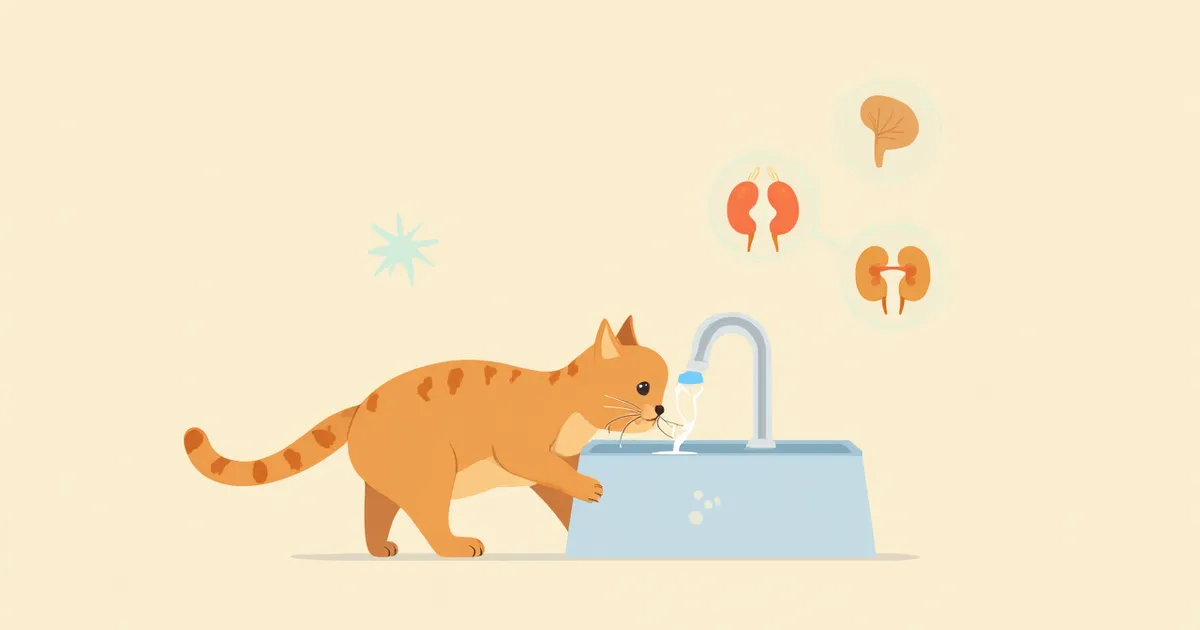
Feline Bladder Stones: Which Prescription Diet Is Right? — How Diets Differ by Stone Type
The dietary approach for feline bladder stones depends entirely on the stone type, as the strategies can be diametrically opposed. Struvite stones can be dissolved medically, whereas calcium oxalate stones require surgical removal. Because recurrence rates are high, lifelong management with a prescription diet is essential.

If Your Senior Cat Is Vocalizing at Night or Pacing — Symptoms and Management of Cognitive Dysfunction
Here’s a summary of the five key symptoms and diagnostic steps for feline cognitive dysfunction (dementia) in senior cats, along with medical management options such as selegiline and dietary therapy. If your cat has started vocalizing at night or pacing in circles, it’s crucial to rule out other underlying conditions first.

What Is Dog Mange? — Demodex and Sarcoptic Mange Symptoms and Treatment
Dog mange is classified into two types: demodex (caused by Demodex mites) and sarcoptic mange (caused by Sarcoptes scabiei). Because contagiousness, symptoms, and treatment methods vary depending on the type, accurate diagnosis is the most critical step.

When to Deworm Cats for Roundworms: Schedules and Medication Guide for Kittens and Adults
Toxocara cati, a type of roundworm, is the most common intestinal parasite in kittens. For safety, kittens should be dewormed every two weeks starting at two weeks of age, while adult cats should be dewormed quarterly.

Ticks in Outdoor Cats: Removal and Prevention of Vector-Borne Diseases
We’ve put together a guide on how to safely remove ticks from cats that go outdoors frequently, as well as how to choose the right external parasite prevention medication to protect against tick-borne diseases.

When to Deworm Puppies for Roundworms: A Guide to Timing and Medication Selection
Roundworms are a common internal parasite that live in the small intestine of puppies. Since almost all puppies are born infected through the placenta or mother's milk, regular deworming is essential starting from two weeks of age.
Feline Hyperthyroidism Treatments — Comparing Medication, Surgery, and Radioactive Iodine
We’ve compared the four treatment options for feline hyperthyroidism—medication, diet, surgery, and radioactive iodine—based on their effectiveness, cost, and recurrence rates, and outlined how to choose the right option for your cat, along with post-treatment care tips.

Dog Cushing’s Disease Symptoms — Checklist for Distended Abdomen, Excessive Thirst, and Hair Loss, and Diagnostic Criteria
We’ll walk you through the early warning signs of Cushing’s disease in dogs—such as a distended abdomen, excessive thirst, and symmetrical hair loss—and explain step by step when an ACTH stimulation test is needed for a definitive diagnosis.

Early Signs of Canine Diabetes — Guide to Checking for Polydipsia, Polyuria, and Weight Loss
We’ve put together a guide on how pet owners can monitor the most common early signs of diabetes in dogs—excessive thirst, frequent urination, and weight loss—at home, along with clear guidelines on when to visit the vet.

How is canine chemotherapy different from human treatment? — Key home care tips for managing side effects
Unlike cancer treatment in humans, the primary goal of chemotherapy for dogs is to maintain quality of life, so the treatment is designed to have a significantly lower incidence and severity of side effects. We’ve outlined what owners should monitor at home and when to contact the veterinary clinic.
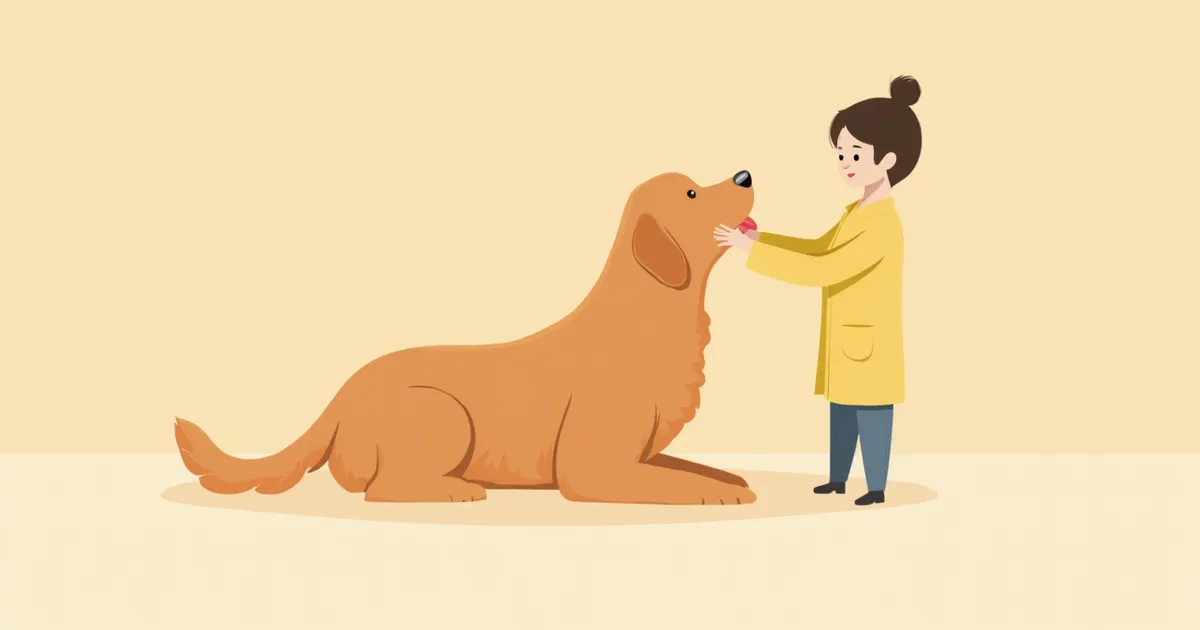
Wondering about canine lymphoma symptoms? — Stage-by-stage progression and lymph node swelling check method
Canine lymphoma is a malignant tumor of the lymphatic system, with swollen lymph nodes being the most common sign. We’ve put together a pet-owner-friendly guide covering the four types, five stages of progression, a self-check method for lymph nodes, and CHOP chemotherapy.

10 Dangerous Houseplants Cats Frequently Chew — Including Pothos
This veterinary guide covers 10 household plants that are deadly to cats, focusing on lilies and arums, and provides information on poisoning symptoms, emergency care, and safe alternative plants.

What If Your Cat Eats Onions or Garlic? — Key Facts on Red Blood Cell Destruction and Anemia Risk
Cats are more susceptible to red blood cell oxidation than dogs, so even small amounts of onion or garlic can cause hemolytic anemia. We’ve compiled essential information for pet owners, including toxic dose thresholds, stage-specific symptoms, first aid, and treatment options.

Are Lilies Dangerous for Cats? — 12 Toxic Flowers and Plants That Cause Kidney Failure
We’ve compiled a list of 12 flowers that can cause acute kidney failure, cardiotoxicity, and oral mucosal damage in cats, along with emergency response steps for exposure. Be sure to check this list before accepting any floral gifts.

My Cat Licked a Lily — Kidney Failure Risk and the 12-Hour Golden Window
Here’s a summary of what to do within 12 hours if your cat licks lily pollen or chews on the leaves, along with the symptoms that serve as warning signs. This is a true emergency—just a sip of water from a vase containing lilies can lead to acute kidney failure.

15 Indoor Plants That Are Deadly to Dogs and Risk Levels by Symptoms
We’ve compiled a list of 15 indoor plants that are deadly to dogs, categorized by family—Liliaceae, Araceae, and Ericaceae—and provided the risk level based on symptoms after ingestion, along with immediate emergency steps to take.

Can dogs eat avocado? — Risk levels by part: flesh and pit
This guide outlines the risks of avocado ingestion in dogs by part (flesh, pit, skin, leaves), explains persin toxicity, and provides emergency response criteria.

How Much Chocolate Is Dangerous for Dogs? — Lethal Doses by Weight and Emergency Response
Chocolate poisoning in dogs is an emergency caused by theobromine’s toxic effects on the nervous system and heart. We’ve outlined the risk levels by body weight, lethal dose thresholds by chocolate type, and emergency response steps.

How Much Onion Is Dangerous for Dogs? — Toxic Doses by Weight and Anemia Signs
The dangerous amount of onion for dogs is 5 grams or more per kilogram of body weight. A 5kg dog can start to face the risk of anemia with just 25 grams of onion (about 1/4 of a slice). Here’s a summary of the exact dangerous amounts based on weight and the signs that indicate an immediate need to visit the vet.

3D-Printed Prosthetic Limbs: Custom Application Possibilities and Case Guide for Dogs and Cats
3D printing technology opens up the possibility of creating custom prosthetics for dogs and cats that have lost limbs. Explore its feasibility through veterinary adaptations and real-world case studies.

Deep Dive into Utilizing Genetic Testing
Canine genetic testing is a preventive tool that helps you understand breed-specific genetic disease risks, drug response tendencies, and personalized health management strategies in advance. Here’s a summary of when to test, how to interpret the results, and key points for using them effectively.
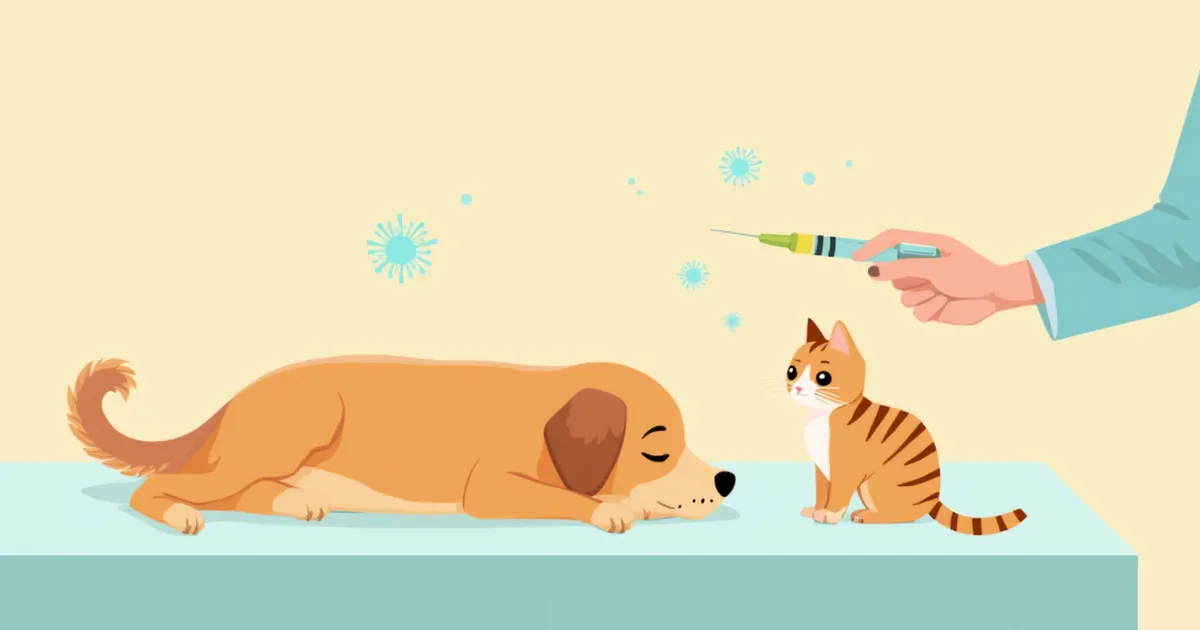
Where is stem cell therapy used for dogs and cats? A complete overview of applications
Here’s a clear, easy-to-understand overview of the main uses, benefits, limitations, and treatment process of stem cell therapy for dogs and cats, explained from a pet owner’s perspective.

Can Immunocompromised Individuals Keep Pets? — Infection Risks and Essential Safety Guidelines
Even people with weakened immune systems can safely enjoy pet ownership by following proper hygiene practices and staying up to date on vaccinations. Here’s a summary of key measures to prevent zoonotic diseases and ensure safe pet care.

Is it safe to keep pets during pregnancy? — Guidelines for preventing toxoplasmosis
We’ve compiled evidence-based veterinary guidance on the infection risks (such as toxoplasmosis) and safety precautions that pregnant women should know when living with pets.

Do Pets Really Reduce Depression? — 7 Scientifically Proven Benefits
Living with a pet is associated with reduced loneliness, anxiety, and depression, as well as lower blood pressure and stress hormone levels. We’ve summarized the scientifically proven mental health benefits supported by research papers.

Which Pet Trainer Certification Should You Get First? — A Comprehensive Guide to Types, Costs, and Employment
There is no nationally certified pet trainer license in Korea; instead, most certifications are privately issued. Here’s a comprehensive guide covering the types of certifications, how to obtain them, and key criteria for choosing a qualified trainer.

How to Get a Pet Groomer Certification: Types, Costs, and Employment at a Glance
Pet grooming certifications are divided into government-recognized and private qualifications, with each level having its own curriculum and practical skill requirements. We’ve outlined the certification system and selection criteria that pet owners and aspiring groomers should know.

Pet Influencer Industry Guide: From Revenue Models to Health Management
This practical guide outlines the structure and revenue models of the pet influencer industry, along with strategies for maintaining your pet’s health while actively participating in this field.

Essential Information on Pet Expos in Korea
We’ve compiled all the essential information pet owners need to know, including the timing of major pet expos in Korea, key highlights to look out for, and important precautions when bringing your pet along.

AAFCO Certification Detailed Guide — How to Read Labels
We’ve put together a clear guide on what AAFCO certification means, how to check for it on pet food labels, and what the “complete and balanced” statement and nutritional guidelines actually mean.

If Your Pet’s Food Is Subject to a Recall — How to Check Recall Information and Take Action
We’ve compiled a guide on where and how to check for pet food recall and withdrawal notices, as well as step-by-step actions pet owners should take if their pet shows any unusual symptoms.

Beach & Pool Safety: How to Keep Your Pet Safe During Water Play?
We’ve compiled safety guidelines and emergency response steps to help prevent drowning, waterborne infections, and heatstroke in pets at beaches and swimming pools.

Is hiking with your pet okay? — Safety rules to check before heading out
Hiking with your pet requires careful preparation that takes into account their fitness level, the temperature, and the terrain. We’ve put together a comprehensive guide covering breed-specific precautions, essential gear, and how to handle emergencies.

Can You Go Camping with Your Pet? A Safety Guide from Preparation to Emergency Response
Planning a camping trip with your dog or cat? Here’s how to prepare for a safe and enjoyable adventure. We’ve covered everything you need to know—from essential gear to potential risks like ticks and heatstroke, plus emergency response tips.

Our Child Has Lost a Companion — How to Help the Remaining Pet Through Grief
Pet grief refers to the behavioral and emotional changes that occur in a surviving pet after another companion animal passes away. These changes can manifest as decreased appetite, altered sleep patterns, and increased clinginess toward their owner, and typically resolve within 2 to 6 months.

Compulsive Behaviors (Tail-Chasing, Licking) Deep Dive
We’ve compiled the causes, diagnosis, and treatment of compulsive behaviors in pets—such as tail-chasing or repetitive licking of specific body parts—based on veterinary behavioral science.

Can Pets Get PTSD? — Post-Traumatic Stress Symptoms and Behavioral Therapy
Pets can experience PTSD just like humans. We’ve summarized the key symptoms, diagnostic criteria, treatment options, and what pet owners can do to help.

Lethargy vs. Fatigue vs. Illness in Dogs and Cats: How to Tell the Difference?
Lethargy, fatigue, and illness can be distinguished by the speed of recovery and accompanying symptoms. If the condition persists for more than 24 hours or is accompanied by a decreased appetite or vomiting, it may be a sign of illness.

How to Check Your Dog’s Paws at Home — Warning Signs and What to Do
Checking your pet’s paws and paw pads once a week at home can help detect joint issues, injuries, and infections early. Here’s a simple 5-step self-check method using touch and sight.
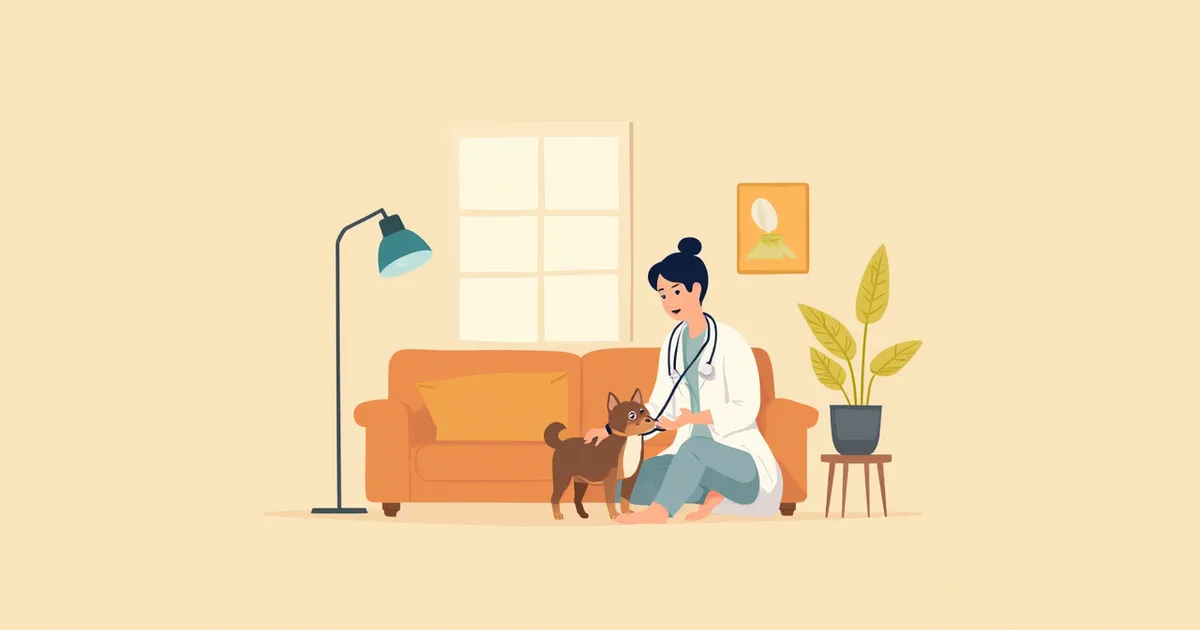
Basics of Auscultation at Home
Home check-ups allow pet owners to easily monitor their pet's heart rate and breathing at home, helping to detect any abnormalities early on.
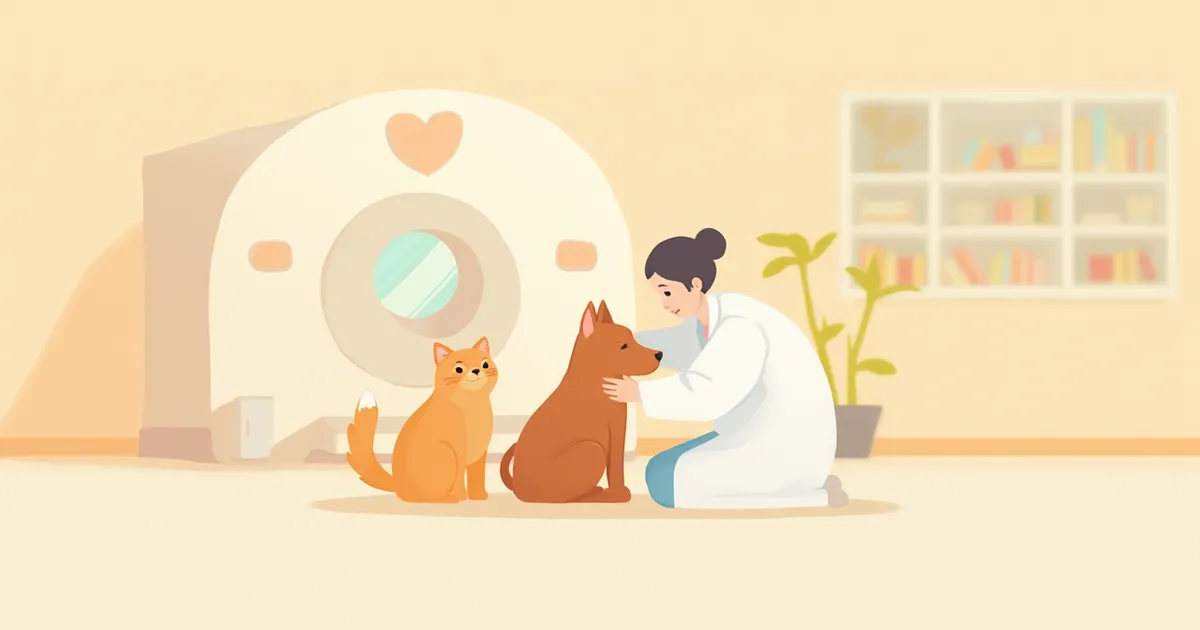
Guide to Veterinary Neurology Consultations: When and How to Seek Care
We’ll explain when to see a veterinary neurologist if you suspect neurological issues like seizures, paralysis, or gait abnormalities, along with how to prepare and what tests to expect.
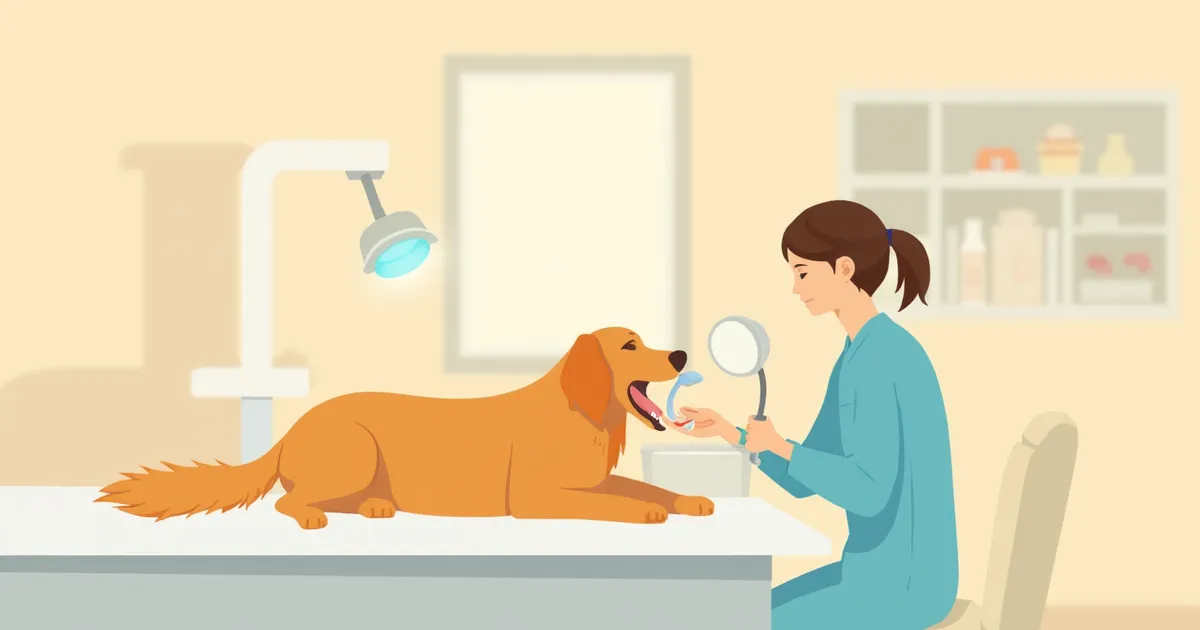
Our Pet’s Dentist: General Clinic vs. Specialist — A Guide to Choosing Care
Veterinary dental specialists are veterinarians who provide in-depth diagnosis and treatment for diseases of the teeth, gums, and jaws. We’ve put together everything you need to know, including how they differ from general clinics, when to visit, and what to prepare.
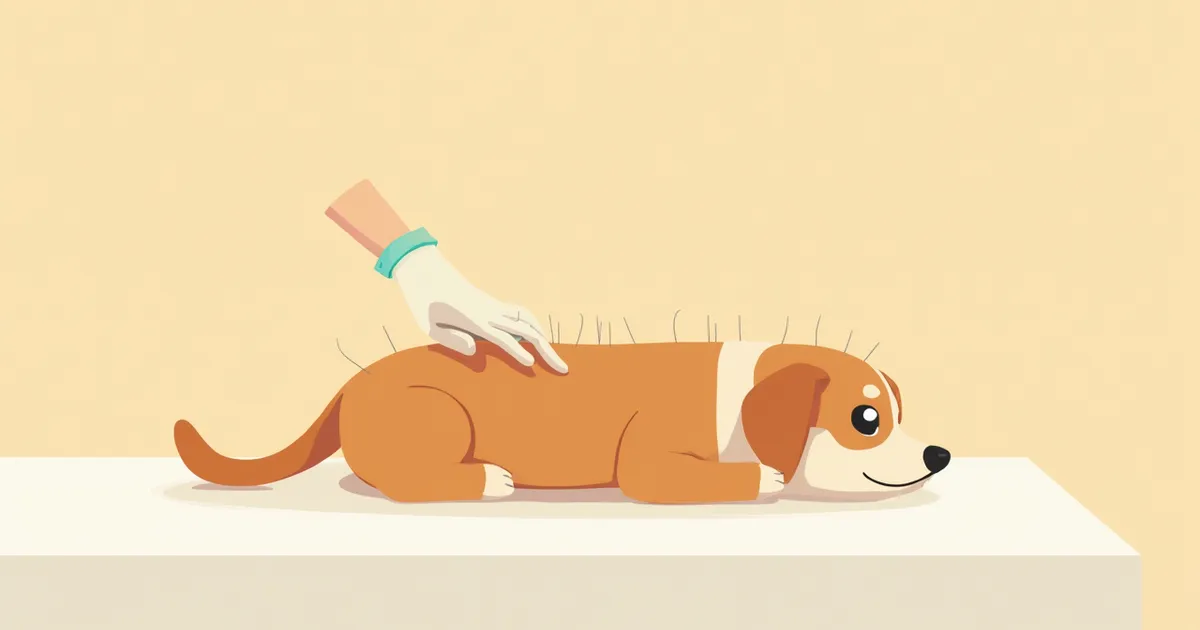
Indications for Veterinary Acupuncture (TCVM)
Acupuncture for dogs is a complementary therapy proven effective for chronic pain conditions such as arthritis, disc disease, and neurological disorders. We’ve summarized the indications and expected benefits in terms that are easy for pet owners to understand.

Comparing Implantable Microchips and External ID Tags
I’ve compared implantable microchips and external ID tags, including their differences, pros and cons, and recovery rates in case of loss, to help you determine the safest combination.
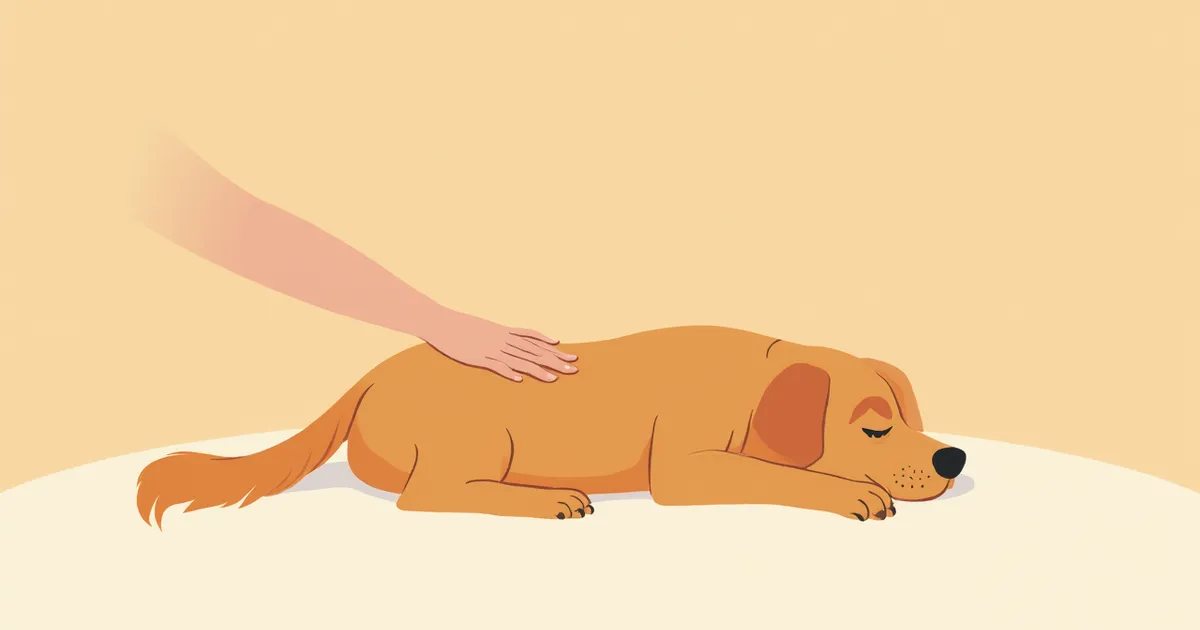
What Is Therapeutic Massage for Dogs and Cats? — Safe Techniques and Precautions at Home
Therapeutic massage is a non-pharmacological complementary therapy that helps relieve pain and improve circulation in dogs and cats. Here’s a summary of three techniques—stroking, effleurage, and petrissage—along with important safety precautions.
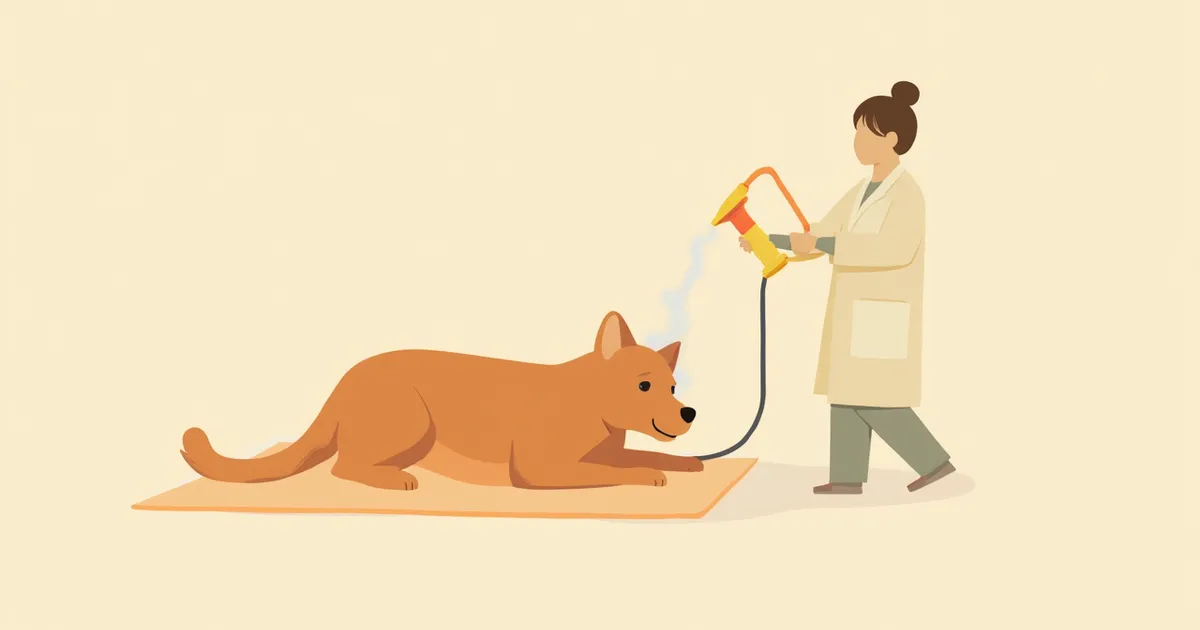
Low-Level Laser Rehabilitation Therapy
Low-level laser therapy is a non-invasive treatment that uses light energy to boost cellular activity, reduce pain, and promote tissue healing. It’s widely used for arthritis, post-surgical recovery, and wound healing.

The Complete Guide to Post-Disc Surgery Rehabilitation Protocols
Rehabilitation after disc surgery (IVDD) in dogs is key to restoring mobility and preventing recurrence. Here’s a summary of step-by-step rehab protocols and home care tips.