
Frequently Asked Questions on Teaching Your Cat to Tolerate Tooth Brushing — Key Points for Pet Owners
Teaching your cat to tolerate tooth brushing is key to maintaining good oral health. Here are answers to some of the most frequently asked questions from pet owners.

Why Is My Dog’s Phosphorus Level High? — Key Facts on Hyperphosphatemia and Phosphate Binders
Hyperphosphatemia is a common complication of chronic kidney disease in dogs. Phosphate binders are a cornerstone of treatment, helping to regulate blood phosphorus levels. Here’s what every pet owner should know.

Cat Sleep Respiratory Rate and Heart Monitoring FAQ — Key Points for Pet Owners
This article explains how to easily monitor your cat’s respiratory rate and heart condition at home while they’re sleeping, and why it’s important. It helps you detect health changes early on.

Why does my dog bark and bite at strangers? — Causes and when to start correction
Aggression toward strangers in dogs can stem from fear, protective instincts, or anxiety. Proper handling and behavior modification are key to addressing this issue.

Is Your Dog Depressed After Losing a Companion? — Signs of Grief and Recovery Care
The grief that follows the loss of a dog doesn’t have to be faced alone. We’ve compiled essential Q&A covering the stages of grief, healthy coping strategies, how to talk about your pet’s passing, and how other pets may react—everything you need to know as a caregiver.

Can dogs and children live together safely? — How to prevent dog bites
In households where children and dogs live together, we provide practical ways to prevent dog bites and answer frequently asked questions. We’ve compiled essential guidelines that all pet owners should know, regardless of breed.

My cat keeps repeating the same behavior — Is this repetitive behavior disorder normal?
We’ve compiled a Q&A guide covering the causes and types of feline repetitive behavior disorders, along with at-home environmental enrichment strategies and veterinary treatment options.

What is feline behavioral enrichment? — A guide to creating a stress-reducing environment
We’ve organized behavior-enrichment strategies that satisfy the instinctual needs of indoor cats in a Q&A format. From hunting play and environmental setup to food enrichment, plus important tips for multi-cat households, this guide offers practical advice that cat owners can put into practice right away.

Guide to Telemedicine (Remote Veterinary Care)
We’ve put together a clear overview of what telemedicine for pets is, what services are available in Korea, and when it’s most beneficial to use.

Guide to Safe Storage of Pet Food and Treats
We’ve compiled veterinary nutrition guidelines on how to properly store pet food and treats to prevent rancidity, mold, and mite contamination. Learn everything you need to know, from shelf life after opening to refrigeration and freezing best practices.

When Your Dog Growls, Is It Fear or Aggression? — How to Tell by the Signals
We’ve outlined how to tell whether your dog’s growling or barking stems from fear or aggression, covering body language, context, and how to respond.

Cat Fur Types: How to Identify and Care for Them?
Cat fur is categorized into short, medium, long, and hairless types based on its length and structure, with each type requiring different care methods and carrying varying disease risks. Identify your cat’s fur type and check the key care points.

Is My Dog Anemic? — Checking Iron Levels with Ferritin and Transferrin
Ferritin and transferrin are key blood test markers used to diagnose anemia and assess iron status in pets. Interpreting these two values together is essential for pinpointing the exact cause.

What is the Pancreatitis SNAP Test? How to Interpret Results and Accuracy
We’ve put together a clear overview of the canine pancreatitis SNAP test, covering how it works, how to interpret the results, its accuracy, and whether additional testing is needed.
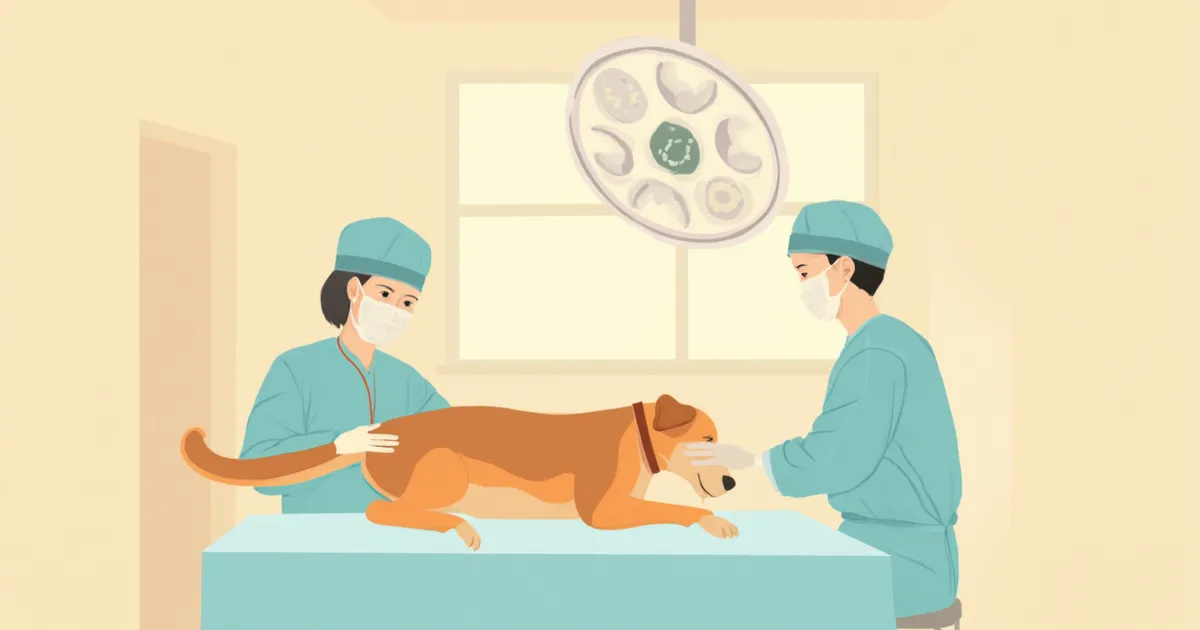
Gastric Dilatation-Volvulus (GDV) Surgical Process
Here’s a step-by-step explanation of the entire surgical process for gastric dilatation-volvulus (GDV). From emergency diagnosis to gastropexy and recovery, we’ve included all the essential information pet owners need to know.

Why Does Your Cat Zoom at 3 AM? — How to Calm Them Down
Early morning zoomies in cats is a natural behavior resulting from their nocturnal instincts combined with a need to burn off energy. In most cases, this can be improved by adjusting the timing of evening play sessions and meals.

What Changes in Middle-Aged Cats (7–10 Years)? — Essential Health Care
Middle-aged cats, aged 7 to 10, may appear healthy on the outside, but subtle changes are already beginning in their metabolism, immune system, and joints. Here’s a summary of the key health signs to watch for and the care practices to prioritize during this stage.

Metronidazole Antibiotic and Antiprotozoal
We’ve compiled a clear, textbook-backed overview of metronidazole—what it is, why it’s commonly used for gastrointestinal conditions, and the side effects and precautions pet owners should know.

How to Safely Administer Prescribed Medication at Home
We’ve compiled tips for safely administering your vet-prescribed medication at home, along with easy-to-miss precautions for storage and dosing. You’ll also find a checklist to help prevent accidental double-dosing.

Guide to Canine Ophthalmology Specialist Care — When Should You Go?
Canine ophthalmology specialist care is a secondary referral service that provides precise diagnosis and treatment for eye conditions that are difficult to diagnose or require surgery at general veterinary clinics. We’ve compiled everything you need to know, including when to visit, what types of exams are performed, and associated costs.

When Dog Clothes Are Truly Necessary
Dog clothes are not for fashion—they’re meant to help maintain body temperature and protect the skin. Here’s a breakdown of when they’re truly necessary and when your dog can comfortably go without them.

Complete Guide to Pet-Friendly Venues
We’ve compiled the key requirements and essentials for pet-friendly cafes, hotels, parks, and transportation options in one convenient guide.

Frequently Asked Questions About Feline Urine Culture Tests — Key Information Every Pet Owner Should Know
A urine culture test for cats is a key diagnostic tool for accurately identifying the bacteria causing urinary tract infections. We’ve compiled the essential information every pet owner should know in a Q&A format.

Cat Ureteral Bypass Surgery (SUB) FAQ — Key Information Every Pet Owner Should Know
A ureteral bypass surgery (SUB) is a procedure performed to protect the kidneys when a cat’s ureter becomes blocked. Here’s a summary of the key information every pet owner should know.

Frequently Asked Questions About Bladder Neuromodulation Therapy for Cats — Key Information Every Pet Owner Should Know
Bladder neuromodulation therapy for cats is an innovative approach to alleviating chronic bladder issues. We’ve compiled the essential information every pet owner should know in a Q&A format.

Feline Nasal Polyps: Frequently Asked Questions (Q&A) — Key Information for Pet Owners
Feline nasal polyps are a condition that can cause a variety of symptoms, including difficulty breathing, nasal congestion, and nosebleeds. Here’s a summary of the key information pet owners should know.

Feline Bronchiectasis FAQ — Key Information Every Pet Owner Should Know
Feline bronchiectasis is a condition that causes chronic coughing and difficulty breathing, making early detection and management crucial. We’ve compiled the essential information every pet owner should know.

Dog Ear Cleaning Methods FAQ — Key Points Owners Must Know
Cleaning your dog’s ears is a key part of preventive care. Knowing the proper technique and precautions can help you effectively prevent ear diseases.

Frequently Asked Questions on Managing Cats During Winter Cold Snaps and Preventing Hypothermia — Key Points Pet Owners Must Know
Managing cats during winter cold snaps and preventing hypothermia are critical for saving lives, going beyond simple temperature control. Here’s a summary of essential questions and responses that pet owners must know.

Frequently Asked Questions on Cat Nutritional Counseling and Diet Selection — Key Essentials for Pet Owners
Your cat’s health depends on its diet. We’ve compiled the key questions pet owners often ask about nutritional counseling and food choices.

Cat Coat Care & Brushing FAQ — Key Information Every Owner Should Know
Proper coat care is essential for maintaining your cat’s health and reducing stress. We’ve compiled the key information every owner should know, including how often to brush, which tools to choose, and how to spot warning signs.

Frequently Asked Questions on Preventing and Removing Ticks from Dogs — Key Information Every Pet Owner Should Know
We’ve compiled frequently asked questions about preventing and removing ticks from dogs. From choosing the right preventive products to effective removal methods, we’ll share the essential information every pet owner should know.

Dog Seasonal Parasite Prevention Strategy FAQ — Key Points Every Pet Owner Must Know
We’ve compiled the essential questions and answers every pet owner should know to accurately understand seasonal parasite risks for dogs and develop a tailored prevention strategy.

Canine Lung Fluke FAQ — Key Information Every Pet Owner Should Know
Canine paragonimiasis is a lung disease caused by parasitic worms. Because the symptoms are often subtle, early detection can be challenging. We’ve compiled the essential information every pet owner should know.

Dog Lice Infestation FAQ — Key Information Pet Owners Must Know
Dog lice infestation is a skin condition caused by parasites that live in the fur. Here’s a summary of key information pet owners should know.

Dog Echinococcus FAQ — Key Information Every Owner Must Know
Echinococcus in dogs is a parasite that can also be dangerous to humans. It’s important to know the infection routes, symptoms, and prevention methods accurately.

Frequently Asked Questions on Drug Resistance in Dog Parasite Preventives — Key Information Pet Owners Must Know
The issue of resistance to deworming medications in dogs is becoming increasingly common. We’ve compiled the key information pet owners need to know in a Q&A format.

Cat Tapeworm (Tapeworm) Frequently Asked Questions Q&A — Key Information Pet Owners Must Know
Cat tapeworms are a common parasitic infection, typically contracted through exposure to household flies or ticks. Here’s a summary of the key information pet owners should know.

Cat Fecal Parasite Testing Methods FAQ — Key Information Every Pet Owner Should Know
Fecal parasite testing in cats is a key procedure for accurately determining whether a cat is infected with parasites. We’ve outlined the testing methods and important precautions that pet owners should know.

Frequently Asked Questions on Eliminating Fleas from Your Indoor Cat’s Environment — Key Information Every Pet Owner Should Know
Successfully eliminating fleas from your indoor cat’s environment requires more than just treating the cat—it means thoroughly cleaning and preventing infestations throughout your entire home. Here’s a summary of the essential information every pet owner should know.

Cat Ear Mites FAQ — Key Information Every Owner Should Know
Cat ear mites are highly contagious parasites that cause symptoms such as ear itching, dandruff, and head shaking. Early detection and proper treatment are essential.

Dog Tooth Fracture FAQ — Key Information Every Pet Owner Should Know
A fractured tooth in your dog is more than just a minor injury—it can lead to infection and pain. Here’s the essential information every pet owner should know.

Feline Oral Bacteria and Systemic Diseases FAQ — Key Information for Pet Owners
Oral bacteria in cats can lead to systemic diseases such as heart disease and kidney disorders, going beyond just bad breath. Here’s a summary of essential information that pet owners should know.

Frequently Asked Questions on Recommended Cat Oral Exam Intervals — Key Points Every Owner Should Know
A single annual checkup isn’t enough to maintain your cat’s oral health. Here’s a clear guide to the recommended examination schedule and practical tips every pet owner should know.

Is early detection of dog cancer possible? — Which screening tests should be done first?
Early detection tumor screening for dogs is a key test that helps identify cancer at an early stage, significantly improving treatment success rates. We’ve compiled the essential information every pet owner should know in a Q&A format.

Is My Breed at Risk for Hepatitis? — Vulnerable Breeds and Early Signs Not to Miss
Canine hepatitis is a condition with a strong genetic predisposition in certain breeds. We’ve compiled the key breed-related risk factors and prevention strategies every pet owner should know, presented in a Q&A format.

What is Feline Triaditis (Liver-Pancreas-Intestine)? — Key Summary from Symptoms to Treatment
Triaditis in cats is a condition characterized by chronic inflammation affecting the liver, pancreas, and small intestine simultaneously, often presenting with symptoms such as abdominal pain, vomiting, and diarrhea. Early detection and proper management are essential.

Is leptospiral kidney involvement in puppies dangerous? — A complete guide to symptoms and prevention
Puppies are at higher risk of leptospiral kidney involvement if they haven’t been vaccinated or have come into contact with contaminated water. Here’s a summary of the key symptoms and what you should do as a pet owner.

What is feline ureteral obstruction? — Why is it an emergency?
Feline ureteral obstruction is a life-threatening emergency in which stones block the ureter, making urination difficult. Early detection is crucial to saving your cat’s life. Here’s the essential information every pet owner should know.

Frequently Asked Questions (Q&A) on Feline Hypertrophic Cardiomyopathy Genetic Testing — Key Information Every Pet Owner Should Know
The genetic test for feline hypertrophic cardiomyopathy is a key screening tool designed to identify hereditary risks specific to Maine Coon and Ragdoll cats. We’ve compiled the essential information every pet owner should know in a Q&A format.

Something in your dog’s eye — how far can you go with first aid at home?
Here’s a guide to the first aid steps and precautions pet owners should take immediately when a foreign object gets into their dog’s eye. Quick action is key to preventing eye damage.

Feline Eyelid Tumors: Benign or Malignant? — Symptoms and Timing of Surgery
Feline eyelid tumors may go unnoticed in their early stages, but if left untreated, they can lead to vision loss or metastasis. Here’s a summary of the essential information every pet owner should know.

If Your Dog’s Flank Hair Falls Out Seasonally — Key Q&A on Seasonal Alopecia
Seasonal alopecia in dogs is a chronic hair loss condition caused by hormonal imbalances due to abnormal responses to growth hormones. Here’s a summary of key information pet owners should know.

What are adrenal medullary tumors in dogs? — Pheochromocytomas, why are they dangerous?
Adrenal medullary tumors in dogs are uncommon but can cause serious hormonal imbalances. Early detection and appropriate treatment are essential.

Canine Cushing’s Disease (Hyperadrenocorticism) FAQ — Key Information for Pet Owners
Cushing’s disease in dogs is a condition characterized by excessive hormone secretion from the adrenal cortex, with symptoms such as increased water consumption, frequent urination, and abdominal enlargement. Early diagnosis and appropriate treatment are essential.

What is ectopic ACTH syndrome in dogs? — How does it differ from Cushing’s disease?
Ectopic ACTH syndrome in dogs is a condition that causes hormonal imbalance due to the abnormal production of ACTH. We’ve compiled the key information pet owners should know in a Q&A format.

Frequently Asked Questions About Feline Thyroid Cancer — Key Information Every Pet Owner Should Know
Feline thyroid cancer is one of the common conditions seen in older cats, making early detection and appropriate treatment essential. Here’s a summary of the key information every pet owner should know.

Feline Sex Hormone-Related Skin Conditions FAQ — Key Information for Pet Owners
Feline skin conditions linked to sex hormones arise from hormonal imbalances that trigger skin reactions, and they typically manifest according to a cat’s specific reproductive cycle or sex. Here’s a summary of the key information pet owners should know.

Recurring Hypoglycemia and Seizures: Could It Be Feline Insulinoma? — Key Signs Explained
Feline insulinoma is a tumor that secretes excessive amounts of insulin, which can cause hypoglycemia. Early detection and accurate diagnosis are key to effective treatment.

Is Rehoming Your Dog Really the Answer? — Considerations and Alternatives Before Deciding
If you're considering rehoming your dog, we've put together a checklist of essential things to review before making a decision, along with practical alternatives you can try.

What to Prepare Before Adopting a Puppy — Essential Checklist
If you’ve decided to adopt a puppy, we’ve put together an easy-to-follow guide covering everything from the essential supplies you’ll need before bringing them home, to tips for helping them adjust during their first week, and how to introduce them to your current pets.

Symptoms and Treatment Process of Bladder Stones in Dogs
Bladder stones in dogs are a condition in which minerals in the urine harden and form stones in the bladder. Based on veterinary textbooks, we’ve summarized how to identify symptoms, treatment methods for different types of stones, post-surgery care, and ways to prevent recurrence.

How to Remove Tartar from Your Dog’s Teeth and Care Guide
Once tartar hardens on your dog’s teeth, it can’t be removed by brushing alone. We’ve compiled evidence-based guidance from veterinary textbooks, covering everything from professional dental scaling at the clinic to at-home brushing routines.

Frequently Asked Questions on Preventive Diets for Canine Urinary Tract Stones — Key Information Every Pet Owner Should Know
Dietary management is the cornerstone of preventing urinary tract stones in dogs. We’ve compiled the essential questions and answers every pet owner should know.

Dog Urethral Stricture FAQ — Key Information Every Pet Owner Must Know
Urethral stricture in dogs is a condition that makes it difficult to pass urine, and early detection and appropriate treatment are crucial. Here’s a summary of the key information every pet owner should know.

Dog Uric Acid Uroliths FAQ — Key Information for Pet Owners
Uric acid uroliths are stones that form in the urinary tract and can cause pain and difficulty urinating. Here’s a summary of the key information pet owners should know.

Frequently Asked Questions About Chronic Recurrent Urinary Tract Infections in Dogs — Key Points Every Pet Owner Should Know
Chronic recurrent urinary tract infections in dogs are a painful condition characterized by recurring urinary symptoms. Here’s a clear overview of the causes, symptoms, and management strategies that every pet owner should know.

Dog Neurogenic Bladder FAQ — Key Information for Pet Owners
Neurogenic bladder in dogs is a condition where nerve damage prevents the bladder from contracting properly, leading to urinary dysfunction. Here’s a summary of the key information pet owners should know.

Frequently Asked Questions About the Relationship Between High Blood Pressure and Proteinuria in Dogs — Key Points for Pet Owners
High blood pressure in dogs can lead to protein in the urine, which may be an early sign of kidney damage. Regular check-ups and management are essential.

Dog Hematuria FAQ — Key Information Every Pet Owner Should Know
Blood in your dog’s urine isn’t just a simple symptom—it can be a sign of a serious underlying condition. We’ve compiled the key questions and answers every pet owner should know.

Dog Cystine Urolithiasis FAQ — Key Information for Pet Owners
Cystine urolithiasis in dogs is a type of urinary stone caused by genetic factors, and it is particularly common in young dogs. Early detection and proper management are essential.

Dog Bladder Ultrasound Exam FAQ — Key Information Every Pet Owner Should Know
Ultrasound examinations of a dog’s bladder are non-invasive tests that precisely evaluate the bladder’s structure and function. We’ve compiled the key information every pet owner should know in a Q&A format.

Frequently Asked Questions About Bladder Nerve Stimulation Therapy for Dogs — Key Information Every Pet Owner Should Know
Bladder nerve stimulation therapy is an effective treatment for dogs with chronic bladder issues. We’ve compiled the essential information every pet owner should know in a Q&A format.

Dog Bladder Diverticulum FAQ — Key Information Every Pet Owner Should Know
A bladder diverticulum in dogs is a pouch-like protrusion in the bladder wall that can lead to infections or urinary difficulties. Here’s a Q&A summary of the key information every pet owner should know.

Canine Amyloid Nephropathy FAQ — Key Information Every Pet Owner Should Know
Canine amyloid nephropathy is a degenerative kidney disease with a strong genetic component, and early detection is key to effective treatment. We’ve compiled the essential information every pet owner should know in a Q&A format.

Frequently Asked Questions About Feline Urinary Stone Prevention Diets — Key Essentials for Pet Owners
We’ve compiled the most common questions pet owners have about diets to prevent urinary tract stones in cats. We’ll share the key principles of dietary management along with practical tips.

Frequently Asked Questions About Feline Urine Specific Gravity Testing — Key Information Every Pet Owner Should Know
The feline urine specific gravity test is a key diagnostic tool for evaluating kidney function and hydration status. We’ve compiled the essential information every pet owner should know in a Q&A format.

Cat Urine pH Management FAQ — Key Information Every Pet Owner Should Know
A cat’s urine pH directly impacts urinary tract health. Since an imbalanced pH can increase the risk of stone formation and infections, we’ve compiled the essential information every pet owner should know.

Feline Urethral Stricture FAQ — Key Information Pet Owners Must Know
Feline urethral stricture is a dangerous condition that can cause acute pain and urinary dysfunction. Here’s a summary of the key information pet owners should know.

Feline Stress-Induced Cystitis Management FAQ — Key Points Pet Owners Must Know
Feline stress-induced cystitis is a bladder condition triggered by environmental changes or anxiety. Here’s a summary of the key management strategies and coping methods that pet owners should know.

Frequently Asked Questions (FAQ) on Chronic Recurrent Urinary Tract Infections in Cats — Key Information Every Pet Owner Must Know
Chronic recurrent urinary tract infections in cats can significantly diminish their quality of life due to persistent urinary issues. Here’s a summary of the essential information every pet owner should know.

Frequently Asked Questions About Proteinuria in Cats — Key Information Every Pet Owner Should Know
Proteinuria in cats can be an early sign of kidney dysfunction. Here are the key questions and answers every pet owner should know.

Frequently Asked Questions About Feline Penile and Ureteral Transplantation — Key Information for Pet Owners
Feline penile and ureteral transplantation is a major surgical procedure performed in cases at high risk of urinary tract obstruction. Here’s a summary of the essential information pet owners need to know.

Feline Hypertension and Proteinuria FAQ — Key Information for Pet Owners
Feline hypertension can cause proteinuria, which is an early sign of kidney damage. Regular check-ups and management are essential.

Frequently Asked Questions About Feline Hydronephrosis — Key Points Pet Owners Must Know
Feline hydronephrosis is a condition in which urine accumulates in the kidneys, making early detection crucial. Here’s a summary of key questions and answers that pet owners should know.

Feline Lower Urinary Tract Disease (FLUTD) FAQ — Key Information for Pet Owners
Feline lower urinary tract disease (FLUTD) can manifest with a variety of symptoms, including frequent urination, difficulty urinating, and blood in the urine. It requires immediate attention, especially in male cats, due to the risk of acute urinary obstruction.

Frequently Asked Questions About Feline Idiopathic Cystitis — Key Information for Pet Owners
Feline idiopathic cystitis is a bladder inflammation of unknown cause, with difficulty urinating and pain as the main symptoms. It's important for pet owners to fully understand the condition and respond appropriately to help reduce the risk of recurrence.

Frequently Asked Questions About Feline Dysuria (Straining to Urinate) — Key Points Every Pet Owner Should Know
Feline dysuria is a life-threatening emergency. Here’s a summary of key questions and responses every pet owner should know.

Feline Calcium Oxalate Uroliths FAQ — Key Information Pet Owners Must Know
Feline calcium oxalate uroliths are stones that form in the urinary tract and can cause pain and urinary difficulties. Here’s a summary of the key information pet owners should know.

Feline Amyloid Nephropathy FAQ — Key Information Every Pet Owner Should Know
Feline amyloid nephropathy is a degenerative kidney disease with a strong genetic component, and early detection is key to effective treatment. Here’s a summary of the essential information every pet owner should know.

Dog Lung Percussion and Thoracentesis FAQ — Key Information for Pet Owners
Percussion of the lungs and thoracentesis are important procedures for removing pleural effusion that causes respiratory distress in dogs. We have compiled the essential information that pet owners need to know.

Canine Pneumothorax FAQ — Essential Information for Pet Owners
Canine pneumothorax is an emergency condition in which air enters the chest cavity, making breathing difficult. We’ve compiled the essential information pet owners need to know in a Q&A format.

Frequently Asked Questions About Canine Oxygen Therapy — Key Information for Pet Owners
Oxygen therapy for dogs is an important treatment prescribed by veterinarians when they experience difficulty breathing. We’ve compiled the essential information pet owners need to know in a Q&A format.

Canine Fungal Respiratory Infection (Aspergillosis) FAQ — Key Information for Pet Owners
Canine fungal respiratory infections caused by Aspergillus occur when airborne spores enter and infect the lungs or nasal passages, and they are particularly common in young dogs. Early detection and treatment are essential.

Dog Elongated Soft Palate FAQ — Key Information for Pet Owners
Brachycephalic airway syndrome in dogs is a breed-related trait that can affect breathing. We’ve compiled the key information pet owners should know, presented in an easy-to-understand Q&A format covering symptoms, causes, and management strategies.

Dog Chronic Rhinitis and Nasal Discharge FAQ — Key Information Every Pet Owner Should Know
Chronic rhinitis and nasal discharge in dogs can have various causes, making accurate diagnosis essential. We’ve compiled the key information every pet owner should know in a Q&A format.

Dog Chronic Cough Differential Diagnosis FAQ — Key Points Pet Owners Must Know
If your dog coughs repeatedly for an extended period, it could indicate not only an infection but also serious conditions such as bronchiectasis or tracheal collapse. Here’s a summary of the key points for differential diagnosis that pet owners should know.

Canine Influenza FAQ — Key Information Every Pet Owner Must Know
Canine influenza is a highly contagious respiratory disease, with coughing and fever being the primary symptoms. Here’s a summary of the key information every pet owner should know.

Frequently Asked Questions About Canine Bronchoscopy — Key Information Every Pet Owner Should Know
A bronchoscopy is a key diagnostic test for accurately identifying the cause of chronic coughing in dogs. We’ve compiled the essential information every pet owner should know in a Q&A format.

Dog Bordetella Respiratory Infection FAQ — Key Information Every Pet Owner Should Know
Bordetella respiratory infection in dogs is a highly contagious cough-causing pathogen that spreads easily in environments where dogs are in close contact. Here’s the essential information every pet owner should know.