
How to Help Your Dog Who Refuses Brushing Adapt — A Step-by-Step Training Method Without Resistance
This is a step-by-step desensitization training method for pets who dislike having their teeth brushed. The key is to gradually get them comfortable over the course of four weeks, starting with simply touching their mouth and progressing all the way to actual brushing.

My Dog Hates Having Its Paws Touched — A Step-by-Step Desensitization Training Guide
Here’s a step-by-step paw-handling desensitization program for pets that flinch or snap when their paws are touched. At just 1–2 minutes a day over four weeks, anyone can do it.

Why Start Body Handling Training for Puppies at an Early Age?
Body handling is a foundational training technique that helps your dog become comfortable with being touched all over, including their paws, ears, and mouth. It significantly improves your dog's ability to cope with veterinary exams, grooming, and emergency situations.

How to Start Whistle Recall Training for Your Dog — The Key to Getting Them to Come Back Every Time
Whistle recall training teaches your dog to come when called using a clear, consistent signal that carries well over distance. We’ve covered everything you need to know—from choosing the right equipment and a five-step training method to outdoor practice sessions and troubleshooting common pitfalls.

Correcting Fear of Other Dogs
We’ve outlined the causes and step-by-step correction methods for fear responses—such as barking, trembling, or hiding—when dogs encounter other dogs. We also cover contributing factors like insufficient socialization, negative experiences, and genetic predispositions.

Systematic Desensitization Training for Puppies' Fear of Children
We’ll explain why dogs may fear or avoid children and guide you through systematic desensitization training based on veterinary behavior science.
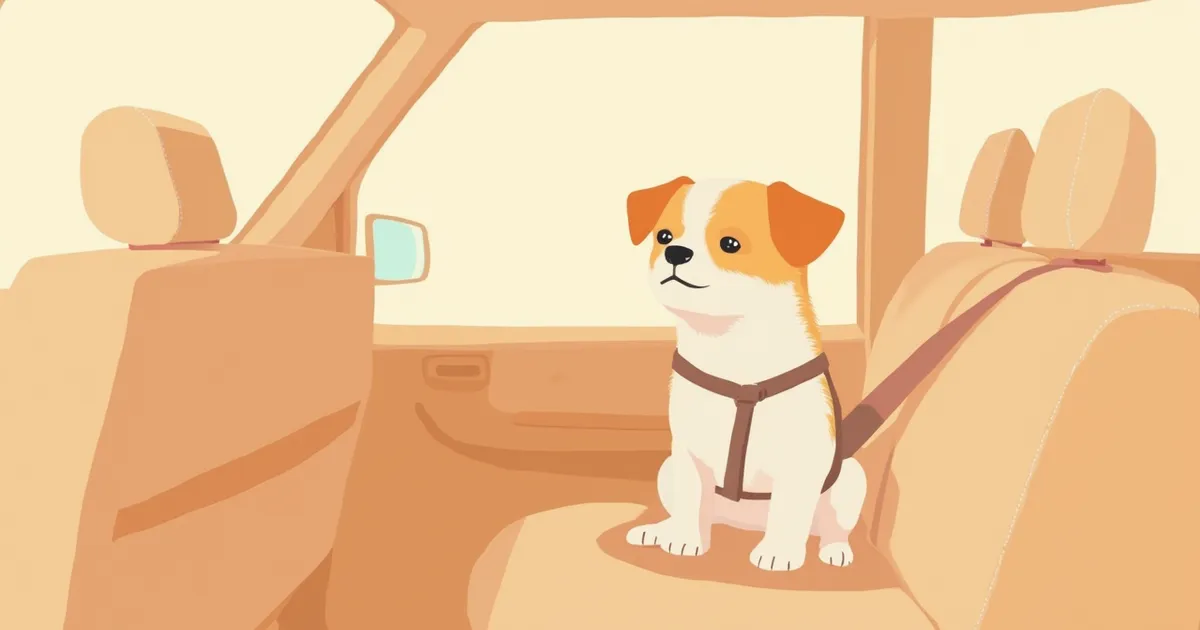
Why Does My Dog Tremble When Riding in the Car? — Step-by-Step Desensitization Training for Motion Sickness and Phobia
If your dog or cat is afraid of car rides or frequently experiences motion sickness, you can reduce their stress response through gradual desensitization and counterconditioning. Here’s a summary of the training steps and when to consult your veterinarian.

How to Start Desensitization for Veterinary Clinic Fear?
This is a systematic desensitization training program for pets who tremble and hide at the vet clinic. We’ll guide you through step-by-step adaptation, starting from home and progressing all the way to actual clinic visits.

7 Cognitive Stimulation Activities for Senior Cats to Preserve Cognitive Function — A Complete Guide to Preventing Dementia
Cognitive enrichment activities are a key part of slowing age-related cognitive decline in senior cats. Engaging their sense of smell, playing hunting-style games, and introducing environmental changes are all effective strategies.

The Complete Guide to Cognitive Stimulation Activities for Senior Dogs
Cognitive stimulation activities are essential for maintaining brain function in senior dogs as they age. We’ve compiled practical methods you can start right away in your daily routine, such as scent-based games, walks along new routes, and nose work.
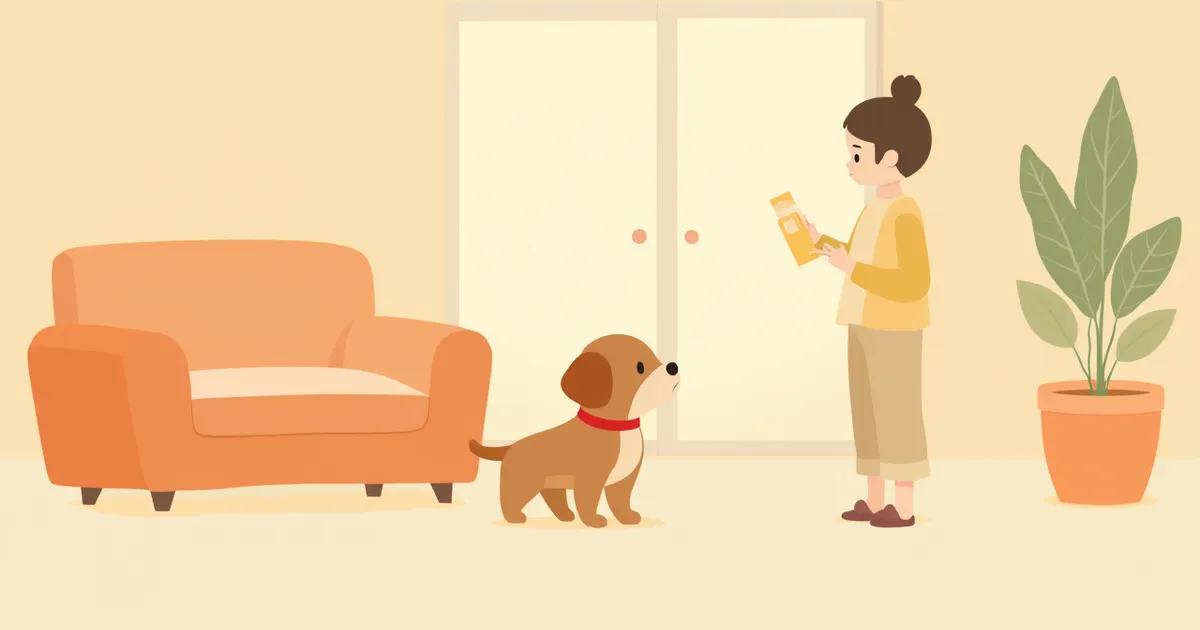
When is the puppy imprinting period? — The critical period that determines personality
Puppy imprinting is the critical period between 3 and 12 weeks of age when a puppy’s personality is shaped for life. We’ll share socialization techniques to help you make the most of this golden window.

How to Teach Kitten Litter Box Training
Kitten litter box training typically begins instinctively around 3 to 4 weeks of age. With the right location, litter type, and box size, most kittens will master it within 1 to 2 weeks.
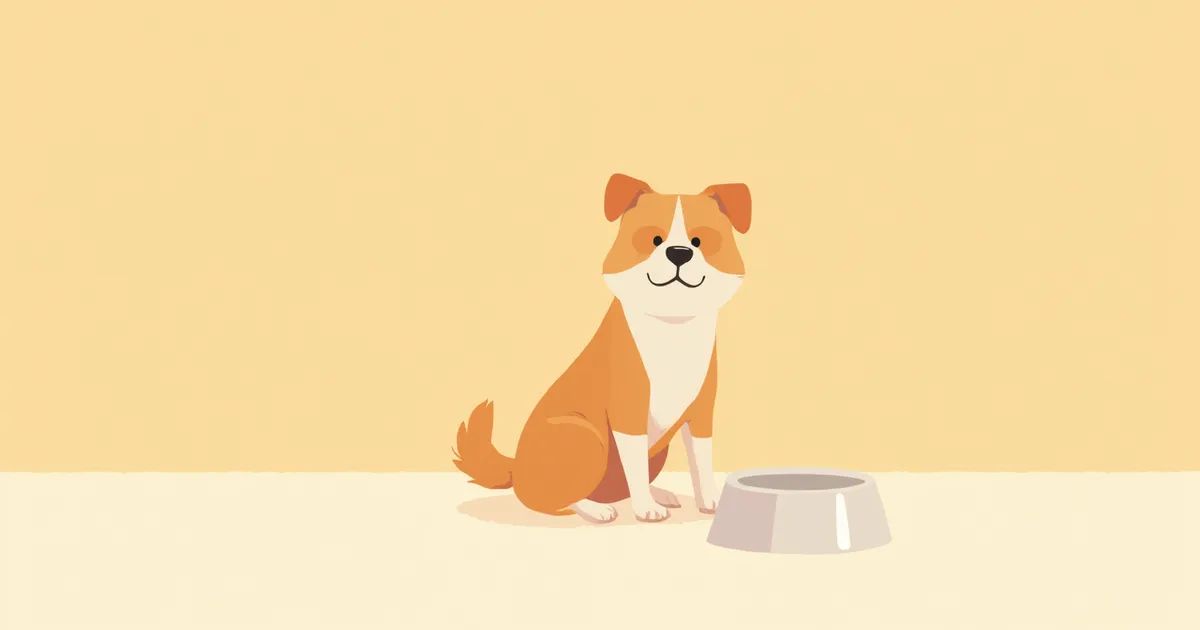
Why is self-control training for dogs necessary, and how should you start?
Self-control training for dogs helps them learn impulse control and the ability to wait patiently. We’ll walk you through step-by-step methods and practical tips.

How to Improve Your Puppy’s Focus: A Step-by-Step Guide to Attention and Focus Training
For effective puppy training, it’s important to progress step by step, starting with name recognition, then eye contact, and finally basic obedience. The key is to keep sessions short, frequent, and reward-focused.

Causes of Coprophagia by Case
Puppy coprophagia isn’t just a bad habit—it can stem from various causes, including nutritional deficiencies, digestive or absorption issues, stress, or learned behavior. We’ll help you identify the underlying cause specific to your dog and provide tailored solutions.

Are Cat Water Fountains Really Effective? How to Increase Water Intake for Cats That Don’t Drink Water
Cat water fountains and drinking fountains are tools designed to increase daily water intake, supporting urinary and kidney health. Here’s a summary of their benefits, along with tips for choosing and maintaining the right one.
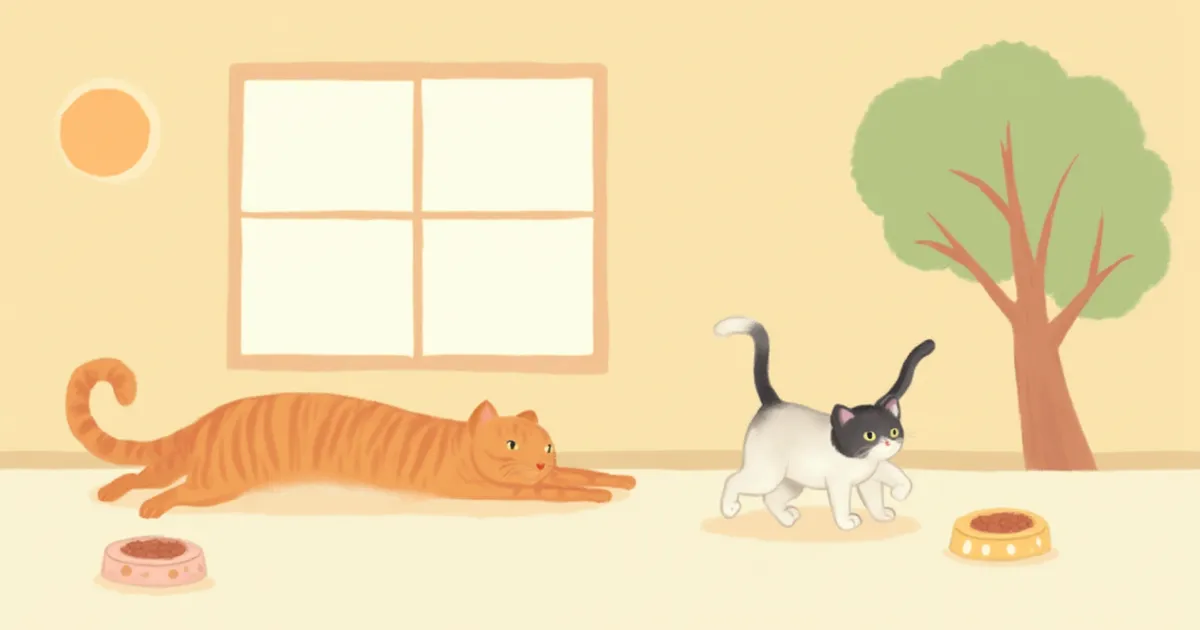
Complete Guide to Dietary Differences Between Indoor and Outdoor Cats
Indoor and outdoor cats differ in their activity levels, energy expenditure, and nutritional requirements, so feeding them the same food can lead to obesity or nutritional imbalances. We’ve put together a guide to help you choose the right food for your cat’s lifestyle.

Why Do Working Dogs Need to Eat More? — Key Principles of Calorie and Nutritional Design for High-Calorie Diets
We’ve outlined the key requirements for high-calorie diets suited to working dogs like search-and-rescue and herding breeds, along with feeding guidelines tailored to different activity levels.

Vitamin Deficiency in Dogs and Cats: What Are the Warning Signs? — From Symptoms to Supplementation
Vitamin deficiencies in pets often first manifest as skin, neurological, or immune system abnormalities. We’ve outlined how to recognize these early warning signs and review your pet’s diet and supplementation strategy.
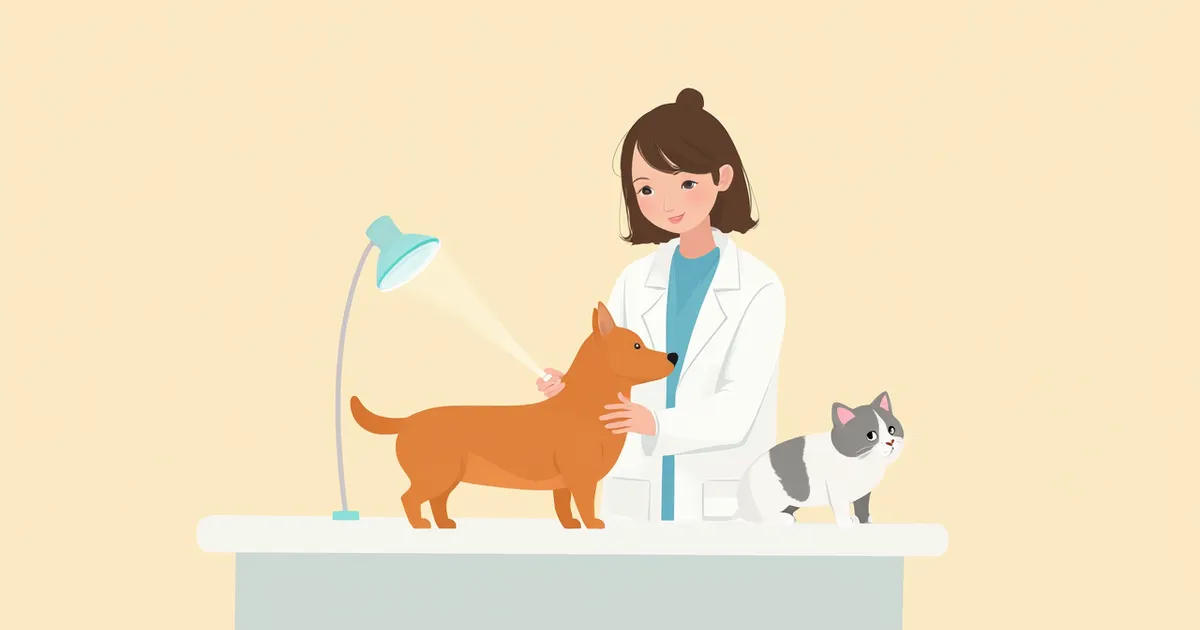
Complete Guide to Mineral Deficiency Signs in Dogs and Cats
We’ve compiled a guide to the signs of mineral deficiency in dogs and cats, including the specific symptoms associated with each key mineral and practical checkpoints for pet owners to monitor at home.

What Is Fatty Acid Deficiency in Dogs and Cats? — Symptoms to Supplementation, All in One Place
When fatty acid deficiency occurs, we’ll explain the signs that appear in the skin, coat, and overall body, as well as guidelines for omega-3/6 supplementation and when to visit the vet.
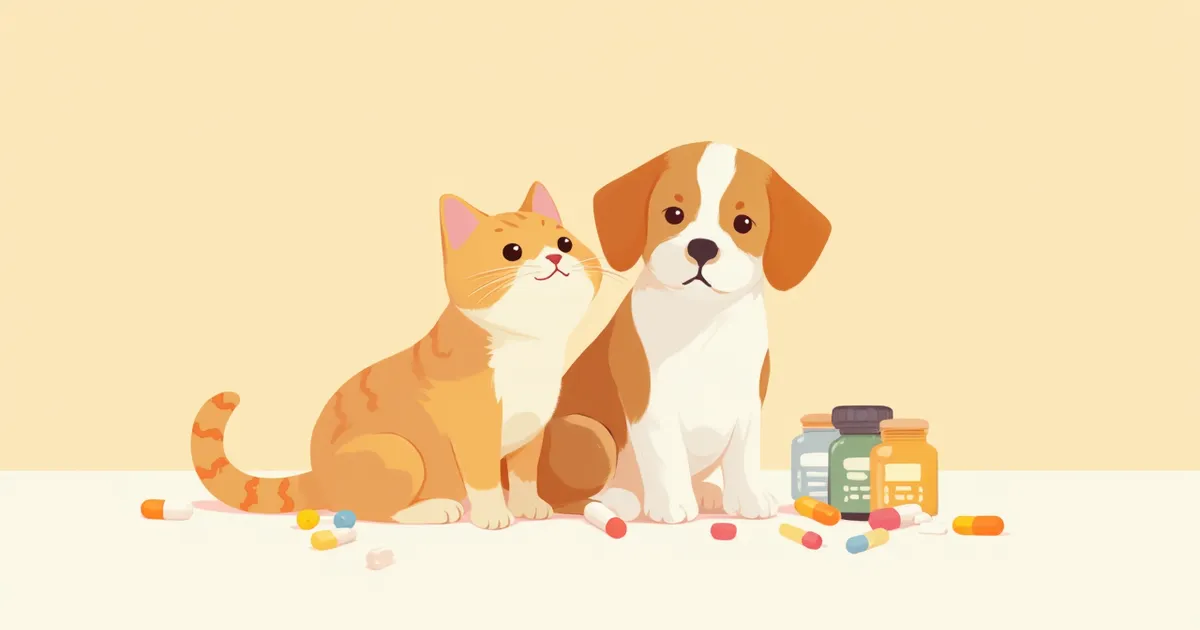
Vitamin and Mineral Overdose in Puppies: Symptoms, Warning Signs, and What to Do
Vitamin and mineral overdoses in pets often occur from giving multiple supplements at once. We’ve outlined the symptoms of excess fat-soluble vitamins, calcium, and zinc, as well as warning signs that require an immediate vet visit.

How to Manage Obesity Diets for Dogs and Cats Step by Step?
For overweight pets, a weight-loss diet involves reducing calories by 20–30% below the ideal body weight requirement, with gradual weight loss of 0.5–1% per week. We’ve outlined a step-by-step approach, including prescription diets, exercise, and maintenance strategies.

What to Feed Newborn Puppies and Kittens? — From Colostrum to Weaning
We’ve put together a guide to nutrition management for newborn puppies and kittens under four weeks of age. We’ll cover the importance of colostrum, how to choose the right milk replacer, proper feeding positions, and weight monitoring, sharing practical tips for each step.