How to Start Shelter Volunteering: From Eligibility to Actual Activities
This practical guide covers the essentials for first-time volunteers at animal shelters, including what to bring, step-by-step procedures, and important precautions. It also addresses infection prevention and psychological preparation.
How Much Does Puppy Training Cost? — Comparing Group, Private, and Board-and-Train Options and Selection Criteria
We’ll compare the costs of dog and cat training by type and share guidelines for choosing a training method that fits your budget and your pet’s personality.
Why Your Dog Follows You Around Everywhere
It’s completely natural for dogs to follow their owners around, driven by a mix of attachment and pack instincts. However, it’s important to distinguish this behavior from signs that could indicate separation anxiety.

Why Dogs Love Human Food and How to Handle It Safely
It’s natural for dogs to react to human food due to a combination of their sense of smell, instincts, and learned behaviors. However, certain foods can be harmful to their immune system, liver, and kidneys, so it’s important to distinguish between safe and unsafe options.
Why Dogs Circle Before Lying Down
Dogs circling before settling down is an instinct inherited from their wild ancestors. However, if your dog circles excessively or appears anxious, it could be a sign of pain or cognitive issues.

Why Cats Love Empty Boxes: Could It Be Related to Stress?
Cats are drawn to empty boxes due to their instinct to avoid predators, regulate body temperature, and reduce stress. If your cat becomes overly fixated on boxes, it may be a sign of environmental stress.

Why Does Your Dog Bark or Ignore Its Reflection in a Mirror?
We’ve put together a guide to help you understand what it means when your dog barks, wags its tail, or completely ignores its reflection in a mirror, along with the cognitive science behind these behaviors and key points for pet owners to keep in mind.
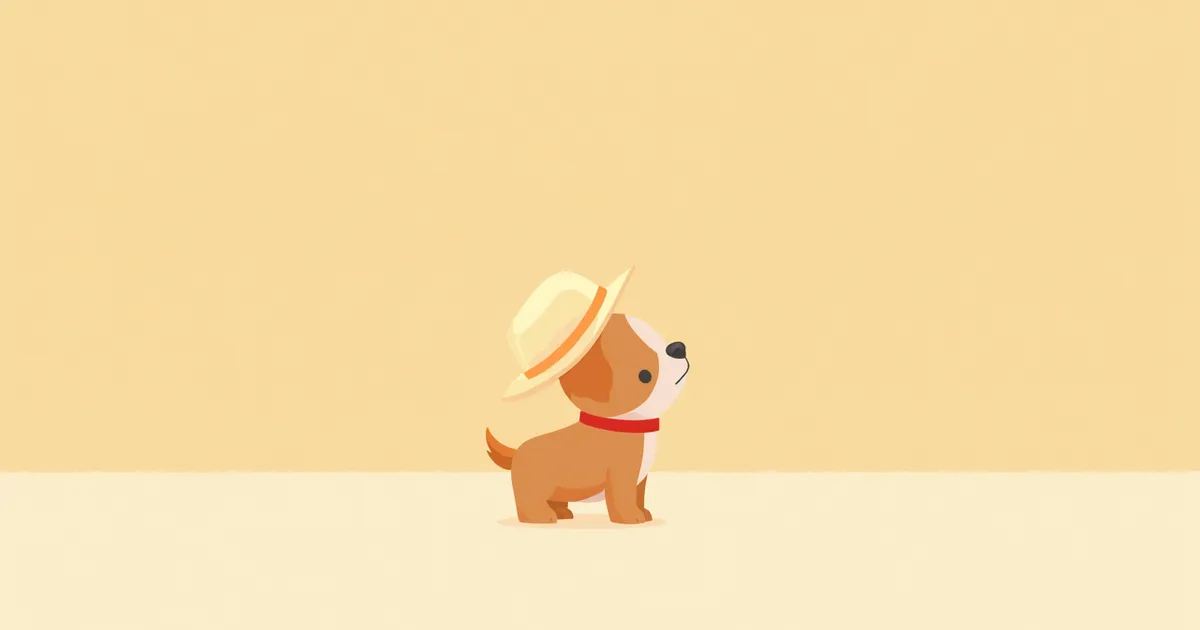
Why Dogs Fear People Wearing Hats
Dogs may fear people wearing hats because the altered silhouette and field of vision make them appear unfamiliar. This fear can be effectively reduced through gradual desensitization training.

Why Your Dog Is Lifting One Leg — Pain Causes and When to See a Vet
When your dog lifts one leg, it could be due to pain, joint issues, paw problems, or other causes. Here’s how to recognize the signs and when to seek immediate veterinary care.
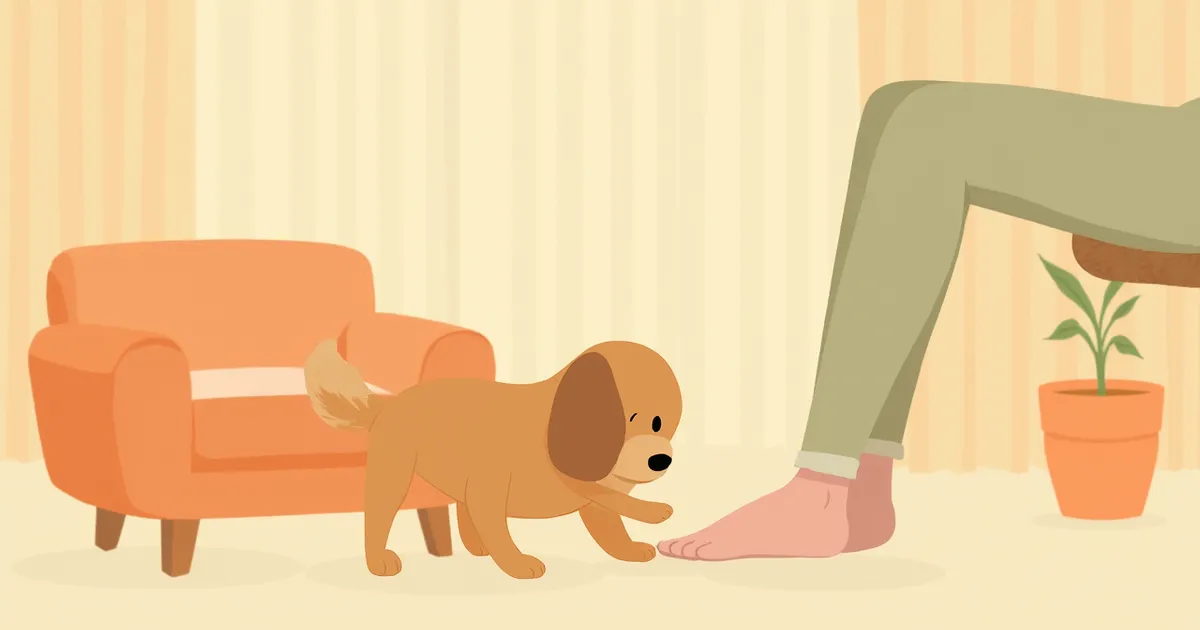
Why Your Dog Licks Your Feet: Affection or Stress Signal?
There are many reasons why a dog might lick its owner's feet, ranging from affection and attention-seeking to anxiety, stress, or even a desire for salt. We’ve outlined how to distinguish between normal behavior and potential warning signs based on the duration of the licking and any accompanying symptoms.
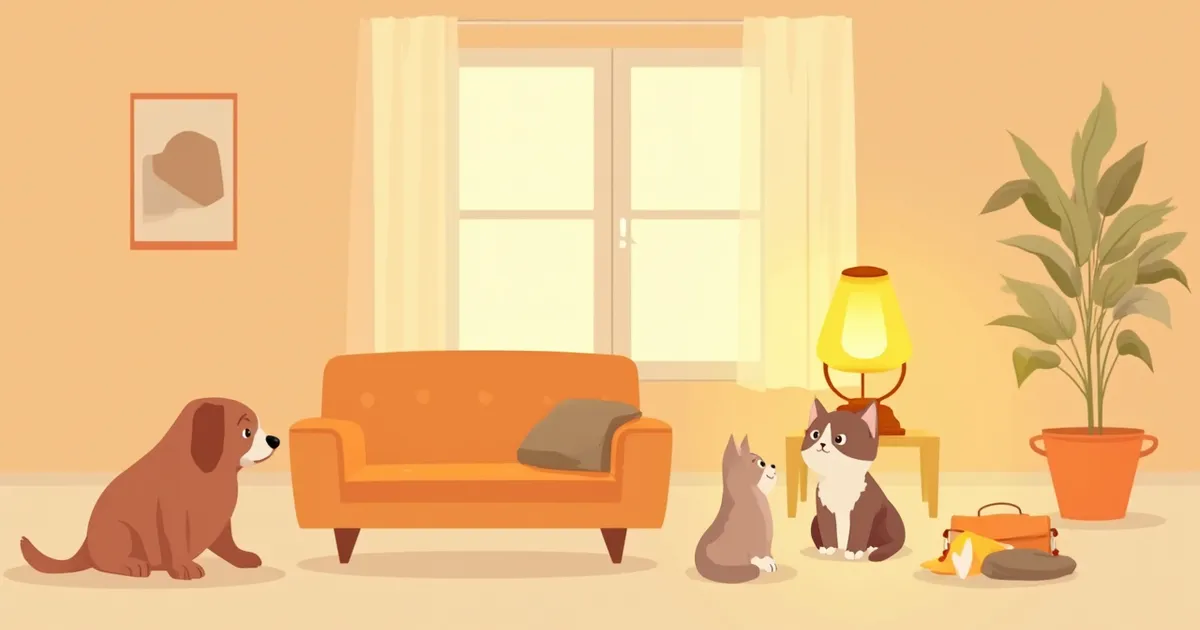
What Happens to Our Pets During a Power Outage? — Essential Response Steps for Pet Owners
Power outages can put pets at risk due to the loss of heating and cooling, as well as anxiety-related stress. Here’s a guide to essential supplies and step-by-step actions to keep your pet safe.
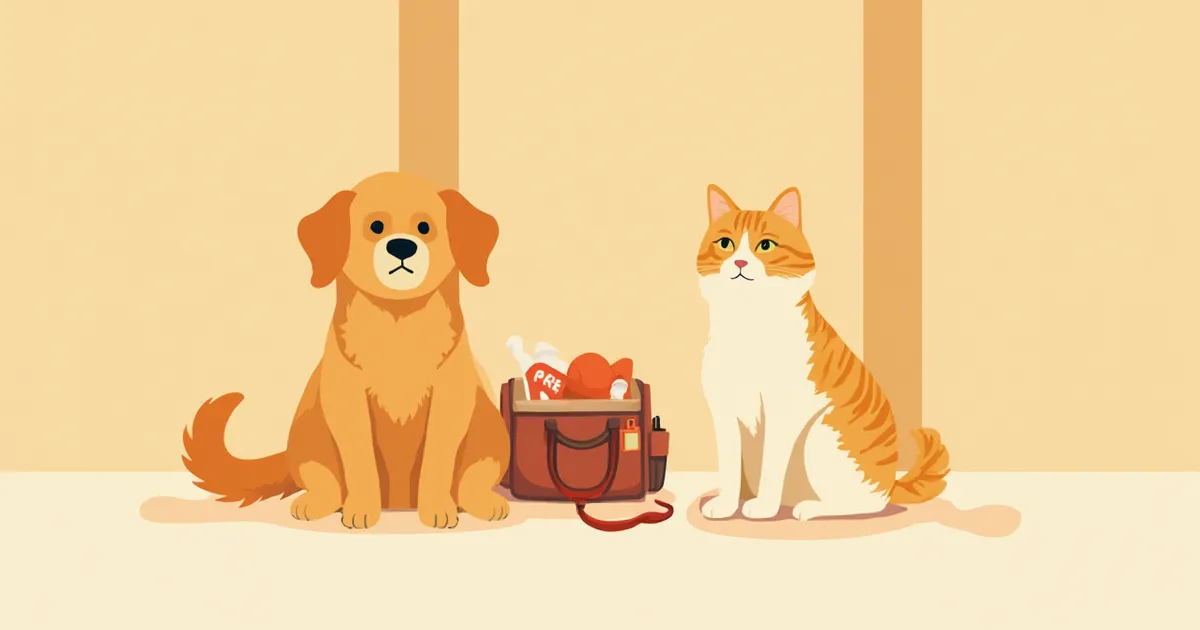
Pet Evacuation Guide for Natural Disasters
We’ve put together a guide on how to safely evacuate your pet during natural disasters, the emergency kit you should prepare in advance, and the rules for using evacuation shelters.
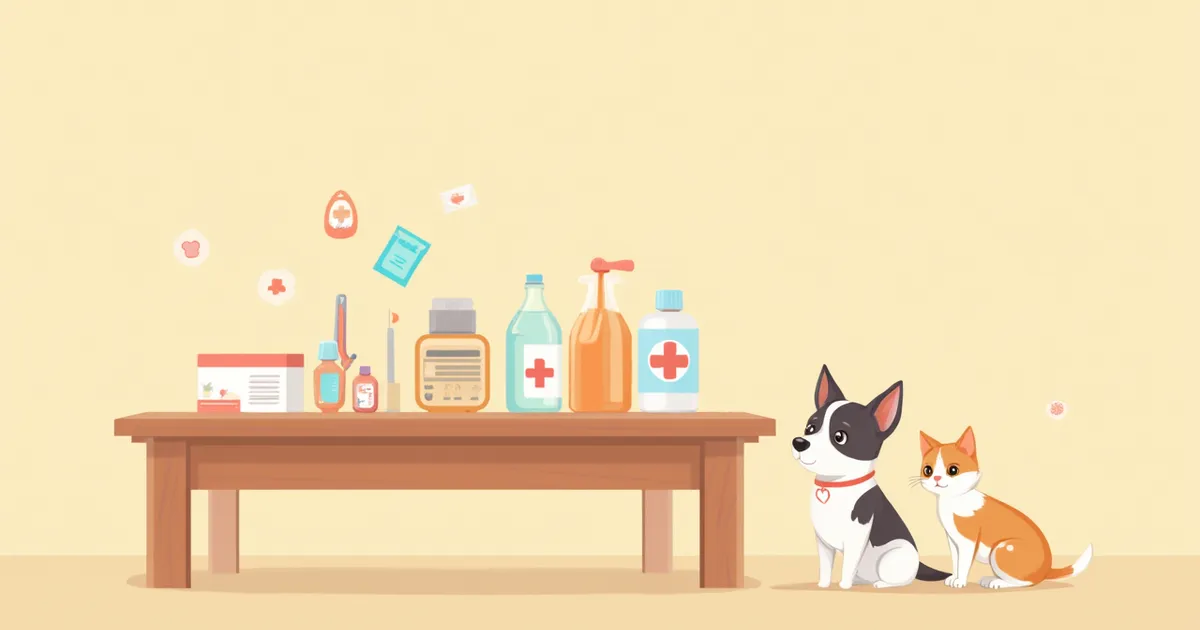
Assembling a Home Emergency Kit
We’ve put together a veterinary-approved guide to assembling a home emergency kit for your pet. Check out the essential supplies, how to use them, and tips for proper storage—all in one place.
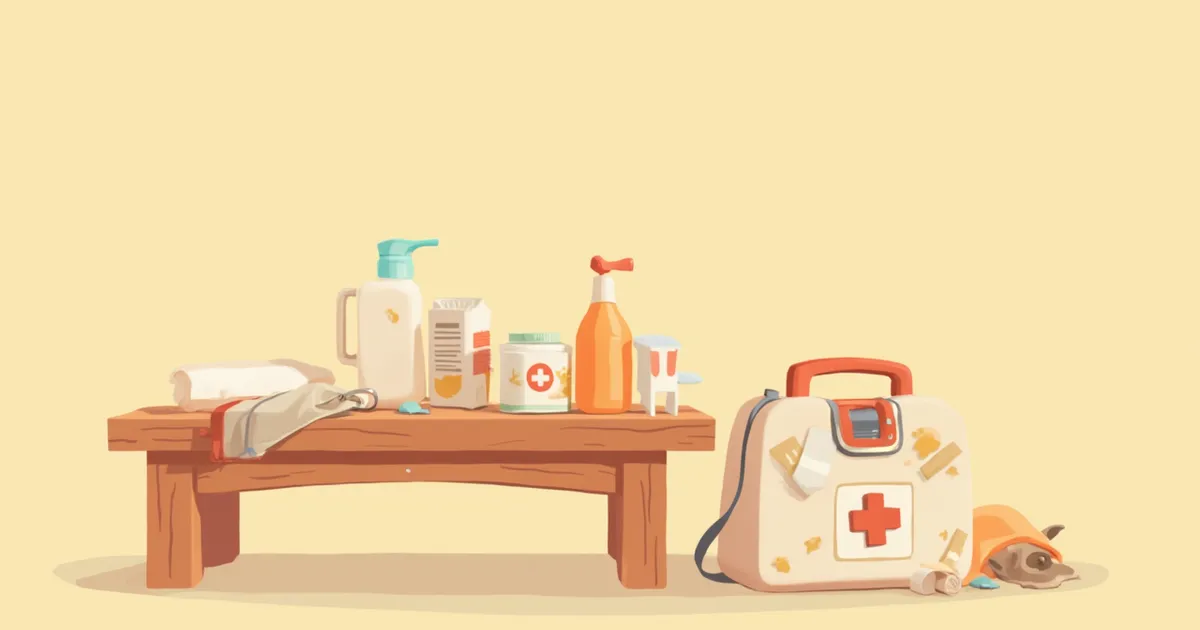
Pet Outdoor Emergency Kit: What to Pack — A Complete Guide to Essential Components and Preparation
We’ve compiled a veterinary-backed guide to the essential components and proper use of an emergency kit for pets, helping you prepare for unexpected situations during outdoor activities like walks, camping, and hiking.

How to Handle Your Pet’s Remains: A Complete Guide to Home, Clinic, and Professional Options
We’ve outlined the options for handling your pet’s remains after they pass away, categorized by home, veterinary clinic, and professional pet funeral services, including legal requirements, costs, and procedures.
When to Welcome a New Family Member After Losing a Pet — Signs You’re Emotionally Ready
There’s no one-size-fits-all answer to when to welcome a new pet after saying goodbye to your beloved companion. The key is to carefully consider your own grieving process, the well-being of any remaining pets, and your home environment before making this important decision.

How to Safely Manage Multiple Medications in Senior Cats: Interactions and Administration Principles
I’ve outlined how to safely administer medications to senior cats with multiple chronic conditions, along with key points for monitoring drug interactions and side effects.
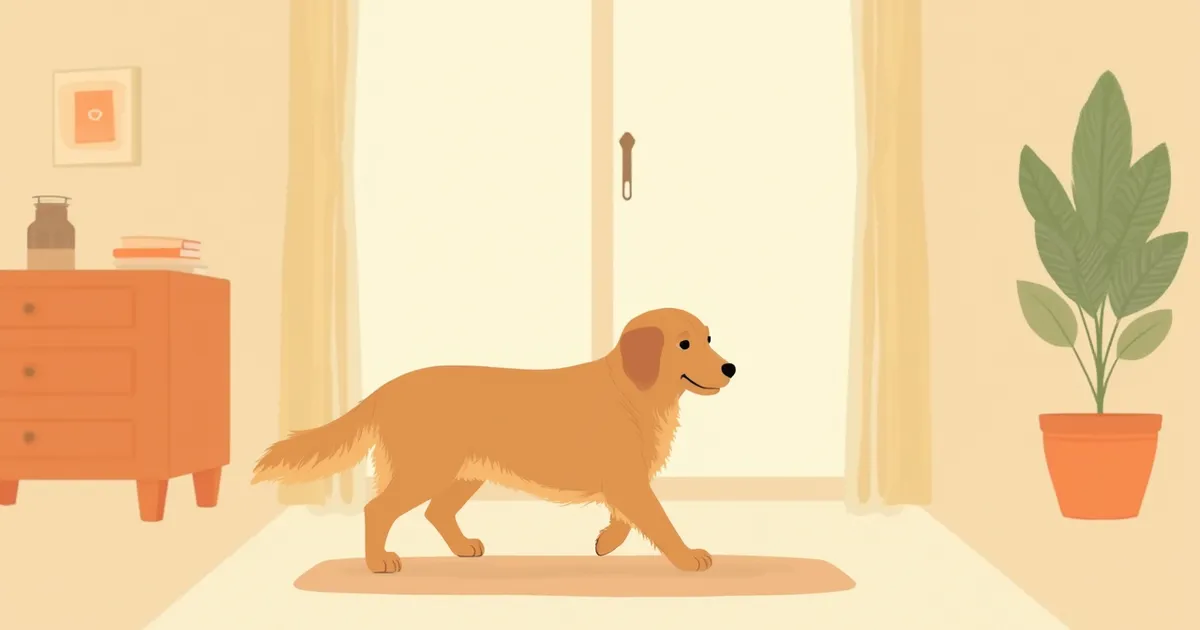
Vision Care for Senior Dogs (Lighting & Slip Prevention)
Here are some tips for creating a safe indoor environment for senior dogs with declining vision. We’ll share practical steps you can take right away, including adjusting lighting, using non-slip mats, and rearranging furniture.

When to Switch Senior Cat Food — A Step-by-Step Guide to Reducing Digestive Burden
Dietary changes for senior cats typically begin around the age of seven. To ensure safety, it is important to transition their food gradually, taking into account changes in kidney, dental, and digestive function.
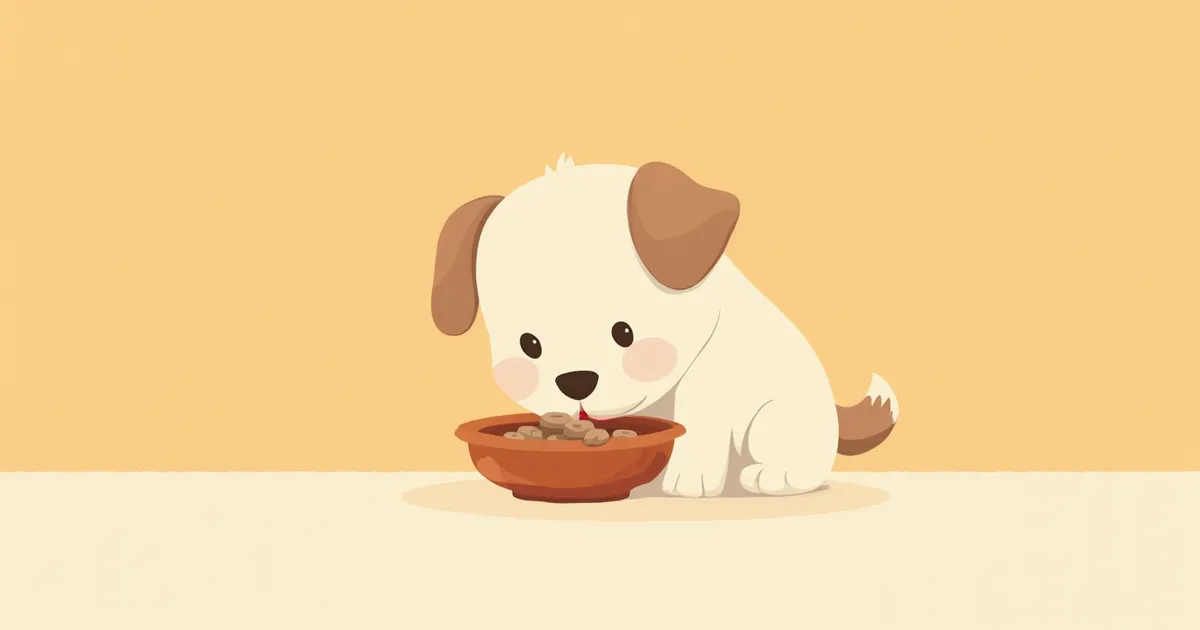
When to Change Your Senior Dog’s Food — Timing and Safe Transition Methods
Changing a senior dog’s diet isn’t just about their age. To minimize digestive stress, you should transition gradually based on their weight, dental health, and any existing medical conditions.

Complete Guide to Stages 1–4 of Feline Cognitive Dysfunction Syndrome in Senior Cats
We’ve outlined the behavioral changes across the four stages of feline cognitive dysfunction syndrome (CDS) in senior cats, along with stage-specific management and treatment approaches. This allows caregivers to quickly identify everything from early warning signs to end-of-life care needs.
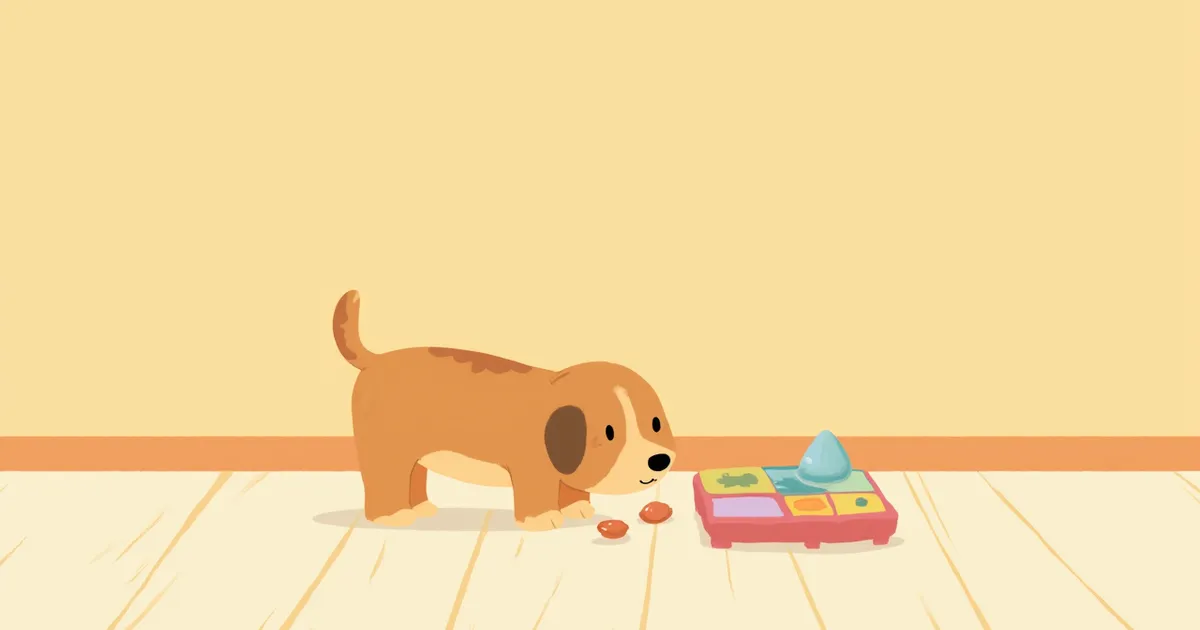
How to Choose the Right Dog Puzzle Toy for Your Pup
Dog puzzle toys help stimulate your pup’s brain and ease separation anxiety. Choose the right difficulty level and material based on your dog’s age, personality, and chewing habits.
Can I Send My Dog to a Pet Hotel? — When and How to Start Manners Training
The key to good pet hotel manners is preparing your pet in advance by training them to cope with separation anxiety, adapt to unfamiliar environments, and develop basic daily habits. Here’s how you can gradually prepare them starting at least 2–3 months ahead of time.

How to Start Cafe Manners Training for Your Dog — Step-by-Step Methods to Stop Barking and Distraction
Cafe manners training is a form of socialization that teaches your dog to stay calm and relaxed in external environments without getting overly excited. We’ll guide you through step-by-step methods and practical tips.