Guide to Gastrointestinal Prescription Diets
We’ve compiled a veterinary-backed overview of the role of gastrointestinal prescription diets for dogs and cats with digestive issues, how they differ from regular pet food, and the proper way to feed them.

How Much Treats Per Day? — The 10% Calorie Rule and How to Calculate It Correctly
The 10% rule for treat calories is a nutritional guideline that limits treats to no more than 10% of your pet’s total daily caloric intake. We’ve outlined how to calculate this based on body weight and provide practical portion sizes.
How to Read Pet Food Labels (Guaranteed Analysis & Ingredient Order)
I’ll show you how to properly read the guaranteed analysis values and ingredient order on pet food labels. With just one package, you can determine whether the food is right for your pet.

Dog Coat Types (Short, Long, Curly)
Dog coats come in various types, such as short, long, curly, and wiry. The amount of shedding, grooming difficulty, and risk of skin conditions vary depending on the coat type.

The Ultimate Guide to Dog Paw Shapes (Cat Feet and Hare Feet)
Dog paws generally fall into two main types: cat feet and hare feet. Here’s a comprehensive guide to breed-specific traits and paw care tips.

How Many Types of Cat Ear Shapes Are There? — A Quick Guide to Breed-Specific Ear Forms
Cat ear shapes can be broadly categorized into upright, folded, and curled types, with variations in shape and health considerations depending on the genetic traits of each breed. Here’s a summary of the characteristics and care points for each type.

The Complete Guide to Kitten Teething: Timing and Care
Teething in kittens is a natural process where baby teeth fall out and are replaced by permanent teeth between 3 and 6 months of age. Here’s what to expect at each stage and how to care for your kitten during this time.

The Genetic Significance of a Dog’s Coat Color and Spots
A dog’s coat color and spots are more than just physical traits—they carry genetic information. We’ve outlined the health indicators and key points to watch for, depending on each color.
What infectious diseases can be detected by PCR testing? — Scope and limitations
We’ve put together a clear, easy-to-understand overview of how PCR testing works, the main infectious diseases it can diagnose, and how it differs from routine tests. You’ll also find guidance on when this test is truly necessary, along with details on cost and turnaround time.
When should you perform a Vitamin B12 and folate test?
A B12 test is a blood test used to screen for intestinal malabsorption and chronic intestinal diseases. Veterinarians recommend it when a pet experiences persistent diarrhea, weight loss, and loss of appetite.

What Are Reticulocyte Counts? — The Key Test to Determine the Cause of Anemia in Pets
Reticulocytes are young, newly formed red blood cells. Their count helps determine whether anemia is regenerative or non-regenerative, making it the first step in identifying the underlying cause.
Coagulation Time (PT/aPTT) Test: What Does It Mean?
A coagulation time test is an essential diagnostic tool that measures how quickly blood clots, helping to assess bleeding risk and liver function. We’ll explain the differences between PT and aPTT, as well as how to interpret the results, in simple terms.
What is the Puppy Parvo SNAP Test? — From Principles to Result Interpretation
We’ve put together everything pet owners need to know about the Parvo SNAP test, from how it works to interpreting positive and negative results, the possibility of false negatives, and post-test care.
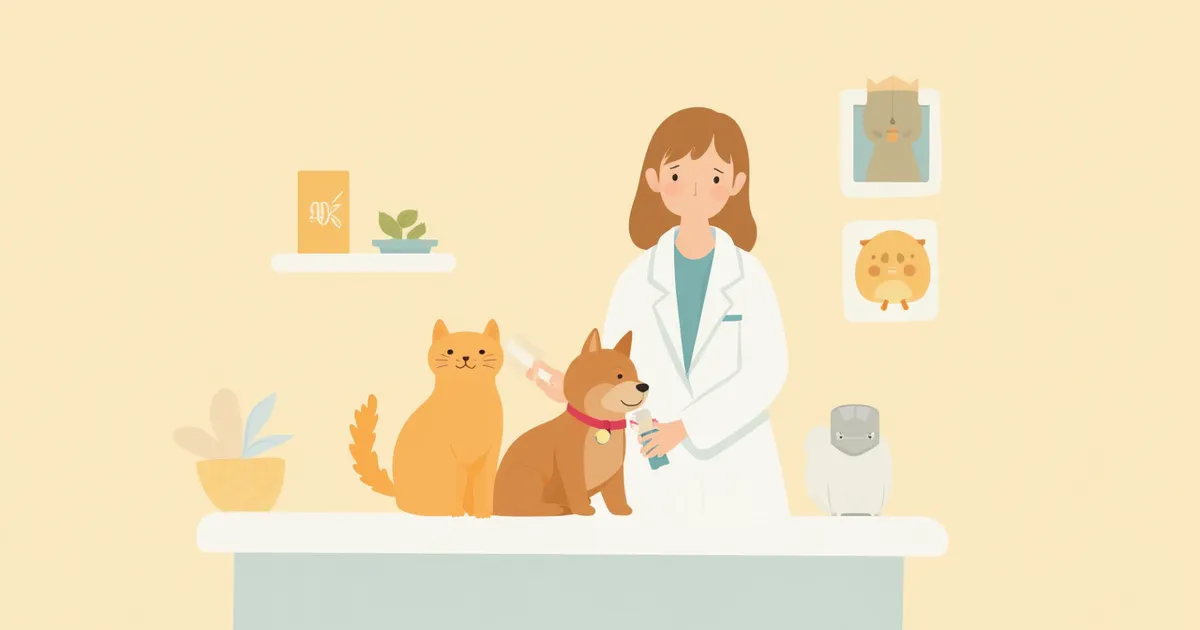
What is the insulin-glucagon stimulation test for dogs — procedure and precautions?
The insulin-glucagon stimulation test is a precise blood test used to evaluate the pancreas’s ability to secrete insulin. We’ve summarized the purpose, procedure, and important precautions in a way that’s easy for pet owners to understand.
ACTH Stimulation Test (Cushing’s Diagnosis)
The ACTH stimulation test is a primary blood test used to evaluate adrenal function and diagnose Cushing’s disease. Here’s a summary of the procedure and how to interpret the results.
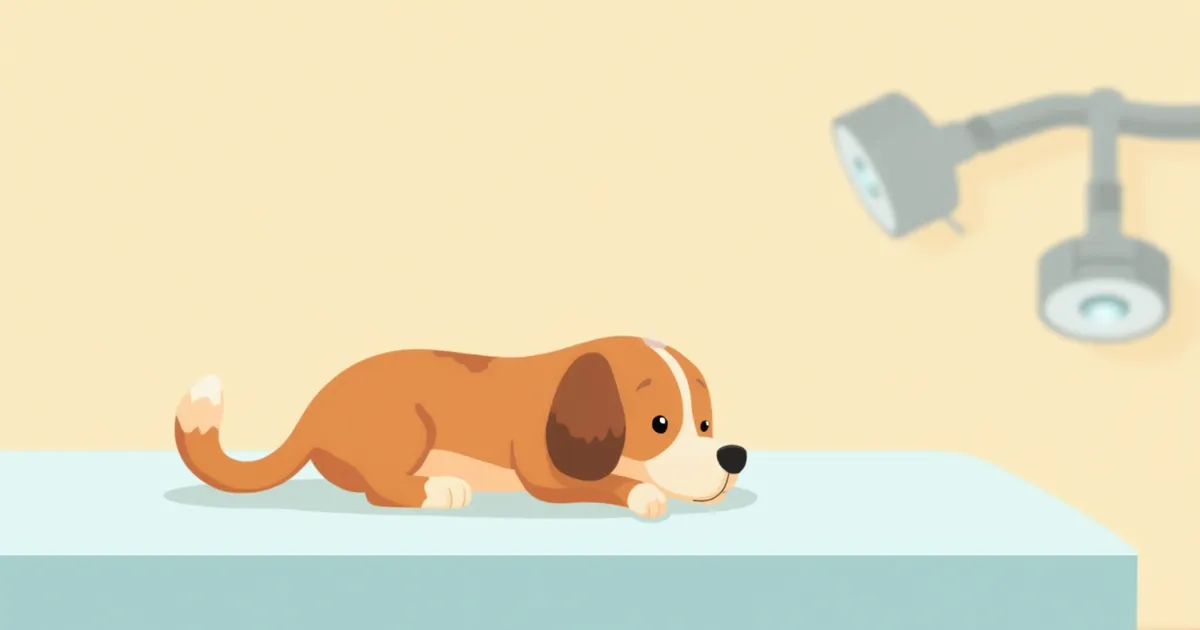
Types of Minimally Invasive Surgery (MIS)
This guide outlines the types of minimally invasive surgeries performed on dogs and cats, along with the characteristics and recovery periods for each procedure.
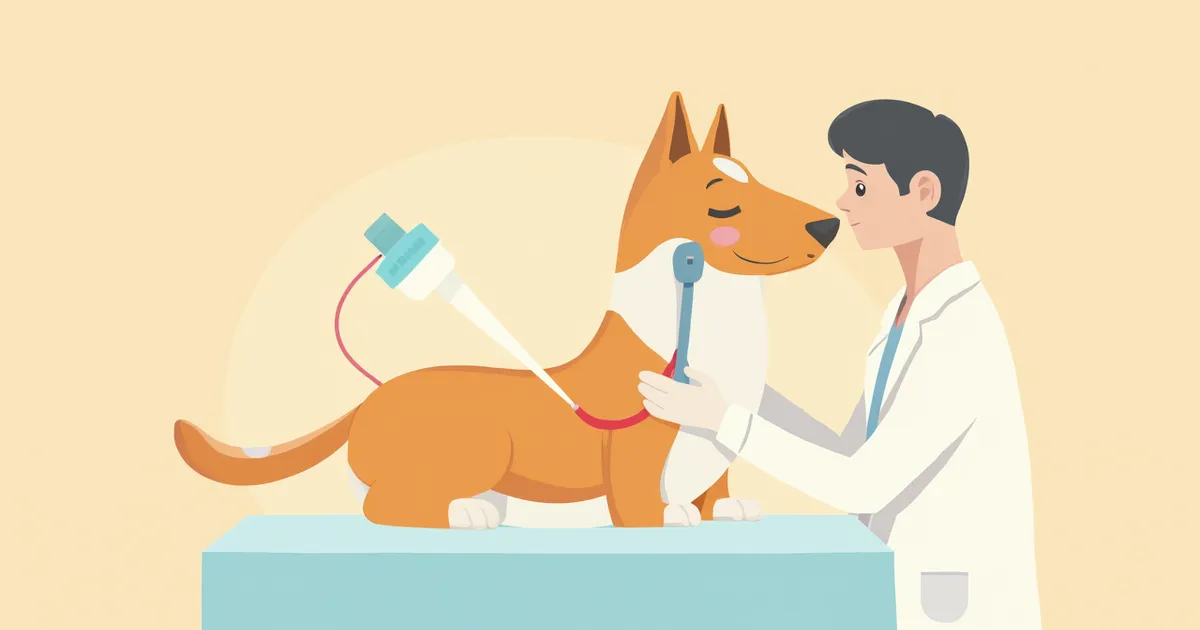
Laser Tumor Removal: When to Choose It and How It’s Performed
Laser tumor removal causes less bleeding and pain, but its indications are limited. Here’s a summary of which tumors it’s used for and how it differs from conventional surgical excision.
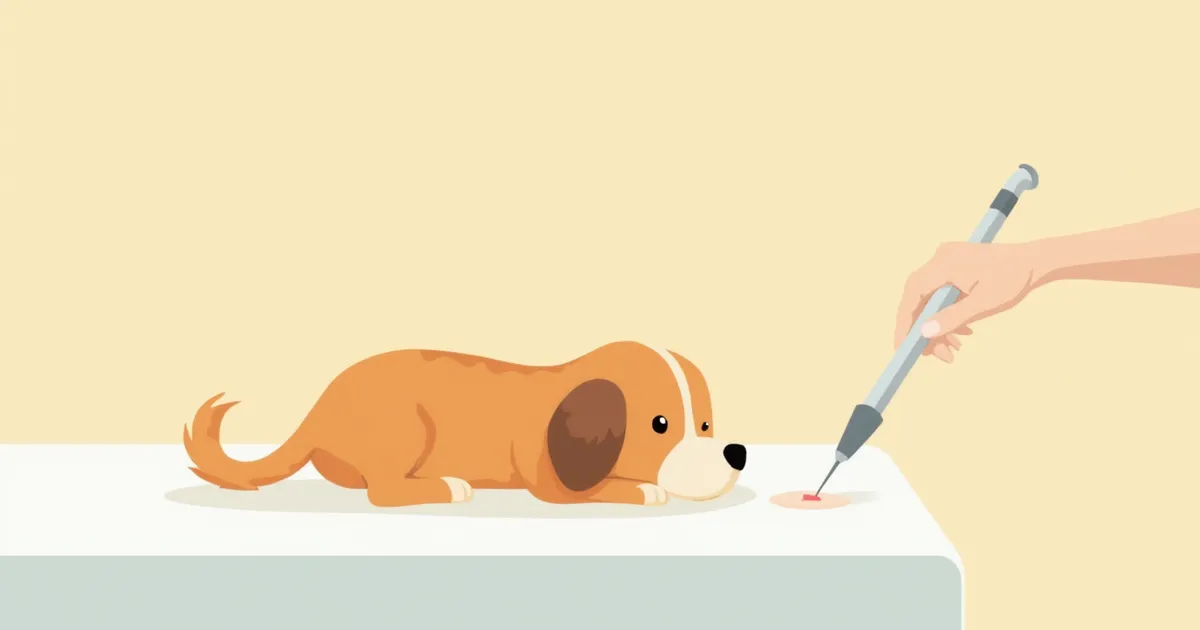
What is Cryosurgery for Pets? — Is It an Option for Your Pet’s Tumor?
Cryosurgery is a procedure that uses liquid nitrogen at -196°C to freeze and destroy tumor cells. It is particularly beneficial for small, superficial tumors and for elderly pets or those at risk from anesthesia.

Spinal Fusion Surgery (Post-Disc Surgery)
We’ve put together a clear, easy-to-understand overview of spinal fusion surgery for dogs, including when it’s needed after disc surgery, the recovery process, and important precautions, all explained from a pet owner’s perspective.
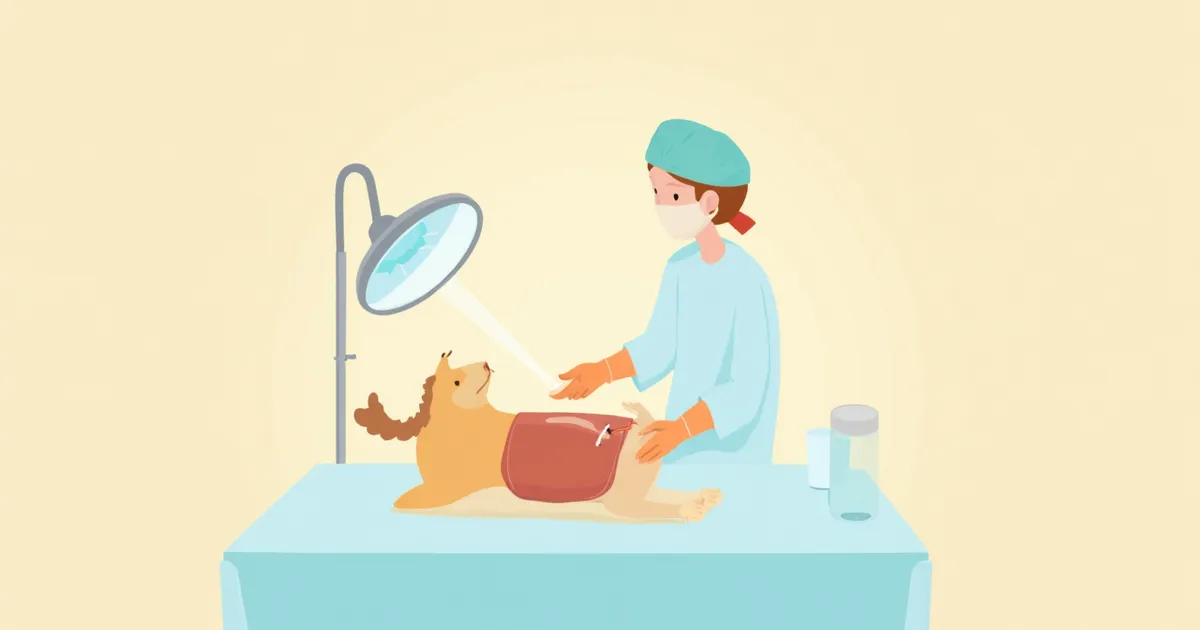
Partial Hepatectomy Procedure
Partial hepatectomy is a surgical procedure that removes the portion of the liver damaged by tumors, cysts, or trauma. We’ve compiled all the essential information pet owners need to know, including the surgical process, associated risks, and recovery period.
Ovariohysterectomy vs Ovariectomy: How Do They Differ for Dog Spaying?
Spaying female dogs can be done in two ways: removing the uterus along with the ovaries, or removing only the ovaries. Here’s a breakdown of the differences between the two methods and how to choose the best option for your dog.

How is a Dog’s Vasectomy Different from Neutering? — A Guide to Hormonal, Reproductive, and Health Differences
A dog’s vasectomy is a procedure that only blocks the vas deferens to eliminate fertility while preserving hormone production, which sets it apart from traditional neutering. Here’s a summary of the differences between the two procedures and how to choose the right option.

Penile Amputation (for Urinary Tract Obstruction)
Canine penectomy is a corrective surgery performed when a dog experiences recurrent urinary tract obstruction or has penile necrosis or tumors. Here’s a comprehensive overview of the timing, procedure, and postoperative care.

Anal Sac Excision Procedure
Anal sac excision is a surgical procedure to remove anal sacs that have developed chronic inflammation or tumors. Here’s an overview of the entire process, recovery period, and important precautions.