

Partial Hepatectomy Procedure
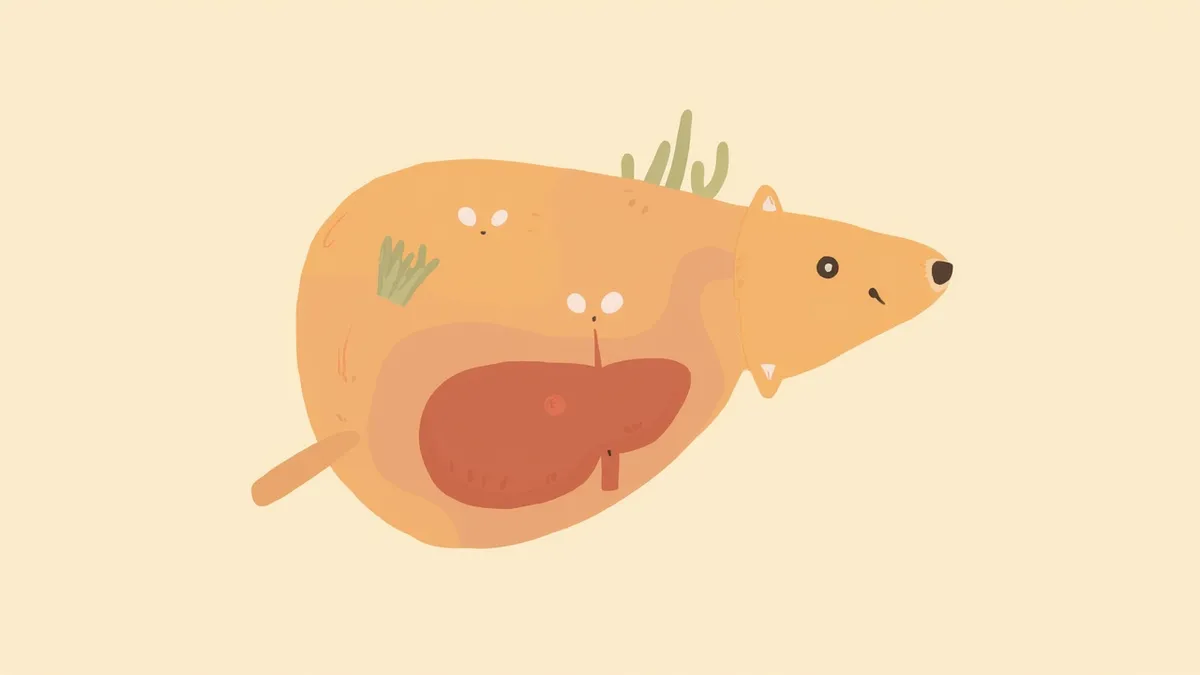
Partial hepatectomy is a surgical procedure that removes the portion of the liver damaged by tumors, cysts, or trauma. We’ve compiled all the essential information pet owners need to know, including the surgical process, associated risks, and recovery period.
What Is Partial Hepatectomy?
When Is Partial Hepatectomy Necessary?
Essential Preoperative Tests
Required Preoperative Test Items
| Item | What is checked | Reason |
|---|---|---|
| Blood test | Liver values (ALT, AST, ALP) | Assess remaining liver functional capacity |
| Coagulation test | PT, aPTT, platelets | Evaluate intraoperative bleeding risk |
| Abdominal ultrasound | Tumor location and size | Determine extent of resection |
| CT scan | Vascular invasion | Determine surgical feasibility |
| Chest X-ray | Lung metastasis | Confirm surgical indication |
Coagulation testing in particular is essential — the liver produces clotting factors, so if its function is impaired, bleeding may not stop.
How Partial Hepatectomy Is Performed
Major Surgical Risks
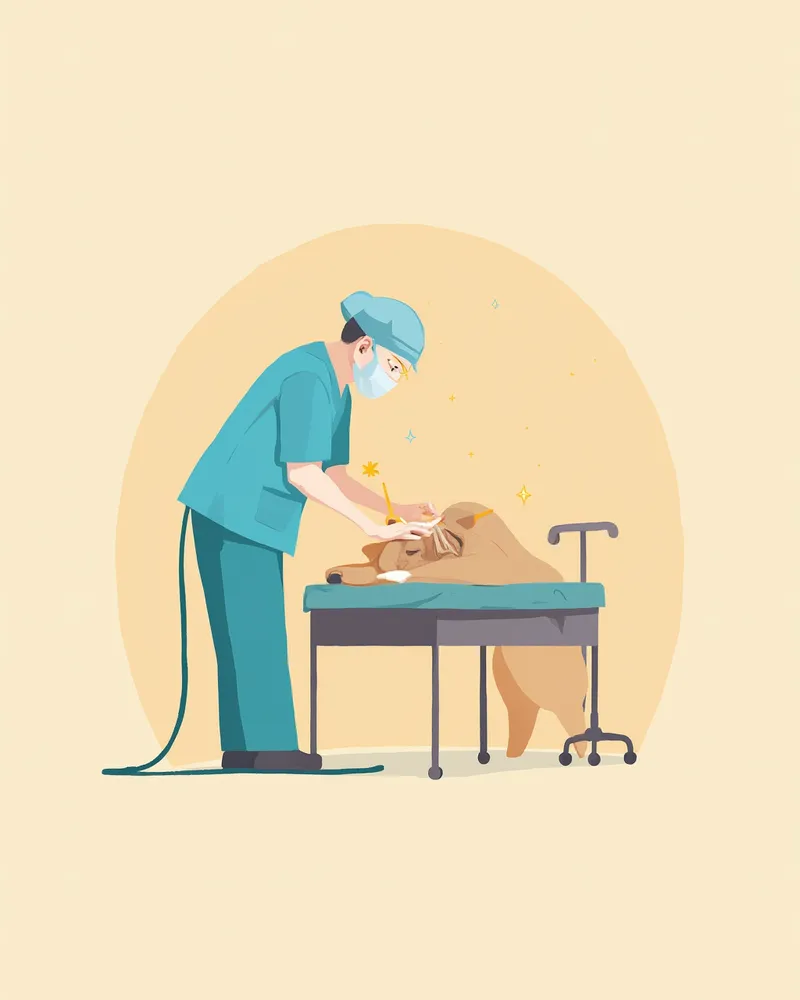
Partial hepatectomy is one of the more challenging abdominal surgeries. The greatest risk is massive hemorrhage, and tumors located near the central veins carry a high risk of vascular injury. Bile leakage can also occur within a few days after surgery, and extensive resection may lead to hepatic failure. The risk is even higher in emergency situations such as hepatic lobe torsion, or in cases of severe anemia or coagulopathy, so it is essential to choose a veterinary hospital with an experienced surgical specialist.
Postoperative Hospitalization and Recovery Care

Key Points for Home Care After Discharge
Prognosis and Recurrence Management
Outcomes are generally favorable when benign tumors, cysts, or trauma-related lesions are surgically removed. In particular, cats with solitary hepatic cystadenomas have been shown to have longer survival times when the tumor is completely removed via lobectomy. The duration and extent of recovery can vary depending on the scope of the resection, as well as the patient’s remaining liver function and overall health status. For malignant tumors, prognosis depends on the tumor type and whether metastasis has occurred; however, studies indicate that performing a lobectomy on solitary lesions in cats can extend survival time. That said, the liver is a common site for metastasis from cancers originating elsewhere, so it is crucial to monitor for recurrence or metastasis through regular ultrasound and blood tests after surgery. The frequency of these check-ups should be determined in consultation with your veterinarian. Recurrent tumors may require additional treatment, so please be sure to keep all scheduled follow-up appointments.
Reviewed by a veterinarian

Dr. Tony — Punnawat Phongkittirak
VeterinarianA veterinarian who majored in veterinary medicine at Khon Kaen University, Thailand, and completed the IVSA program at North Carolina State University in the United States. Drawing on clinical experience at animal hospitals, he works in the pet healthcare field and is dedicated to building a digital care environment that connects pet parents with veterinarians.
Reviewed 2026-04-26
Frequently Asked Questions
Can a pet survive even if a large portion of its liver is removed?
How much will the surgery cost?
Do cats undergo the same surgery?
Is it possible to perform this procedure via laparoscopy?
Will my pet’s liver enzyme levels remain elevated for life after surgery?
Share
Related Guides

7 Key Symptoms and Management Essentials for Canine Cholecystitis Recommended by Veterinarians

Top 5 Milk Thistle (Silymarin) Liver Supplements for Dogs — A Comparison Guide Based on Silybin Content and Absorption Rates

Top Prescription Diets for Dogs with Liver Disease and Selection Criteria

Fleas on an Indoor Cat? — Entry Routes and Environmental Management to Prevent Reinfestation

Wet Cat Food Selection Guide — Moisture, Protein, and Age-Based Criteria

Feline Infectious Peritonitis (FIP): Symptoms and Latest Treatments

Pet Euthanasia Decision and Procedure

Average Cat Lifespan and Secrets to Longevity: A Complete Guide

Types of Dog Allergy Tests and the Procedure

Frequently Asked Questions on Early Detection of Health Issues in Cats — Key Points for Pet Owners
References
[1] Tobias KM, Johnston SA. Veterinary Surgery: Small Animal, 2nd Edition. Elsevier, 2017. Chapter on Liver
[2] Ettinger SJ, Feldman EC. Textbook of Veterinary Internal Medicine, 8th Edition. Elsevier, 2017
[3] Fossum TW. Small Animal Surgery, 5th Edition. Elsevier, 2019. Surgery of the Liver