
Lobectomy Procedure and Recovery
I’ll explain in simple terms what a lobectomy is, including the surgical procedure, recovery period, and care tips for pet owners, based on veterinary surgical textbooks.
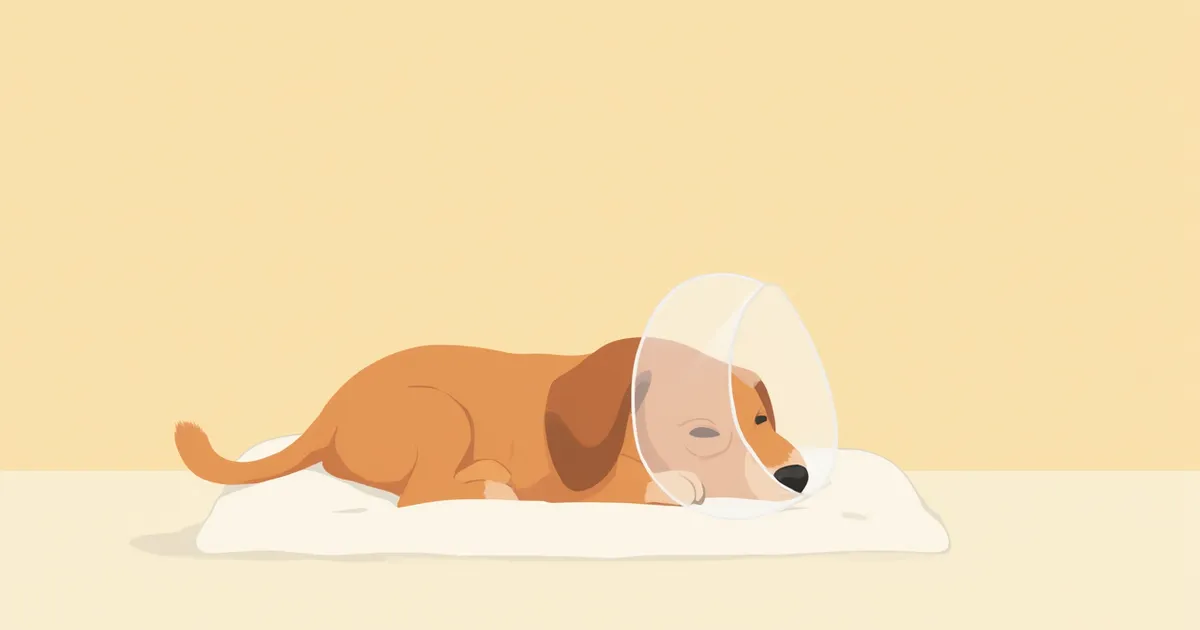
What is femoral head ostectomy (FHO)?
Femoral head ostectomy (FHO) is a surgical procedure that removes the damaged femoral head to alleviate pain and create a false joint. Here’s an overview of the surgical process, recovery period, and prognosis.
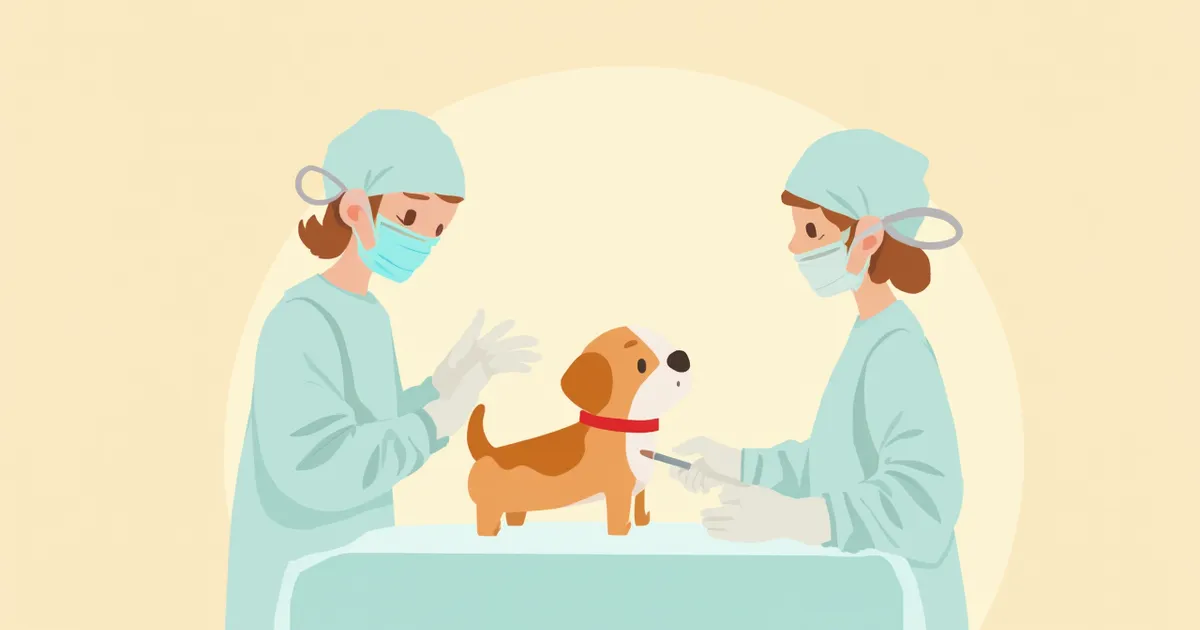
What is a Cystotomy in Cats? — From Preoperative Preparation to Recovery at a Glance
A cystotomy is a urological procedure in which the bladder is surgically opened to remove stones, tumors, or foreign bodies. We’ve outlined the entire process, from preoperative preparation to recovery, in terms that are easy for pet owners to understand.
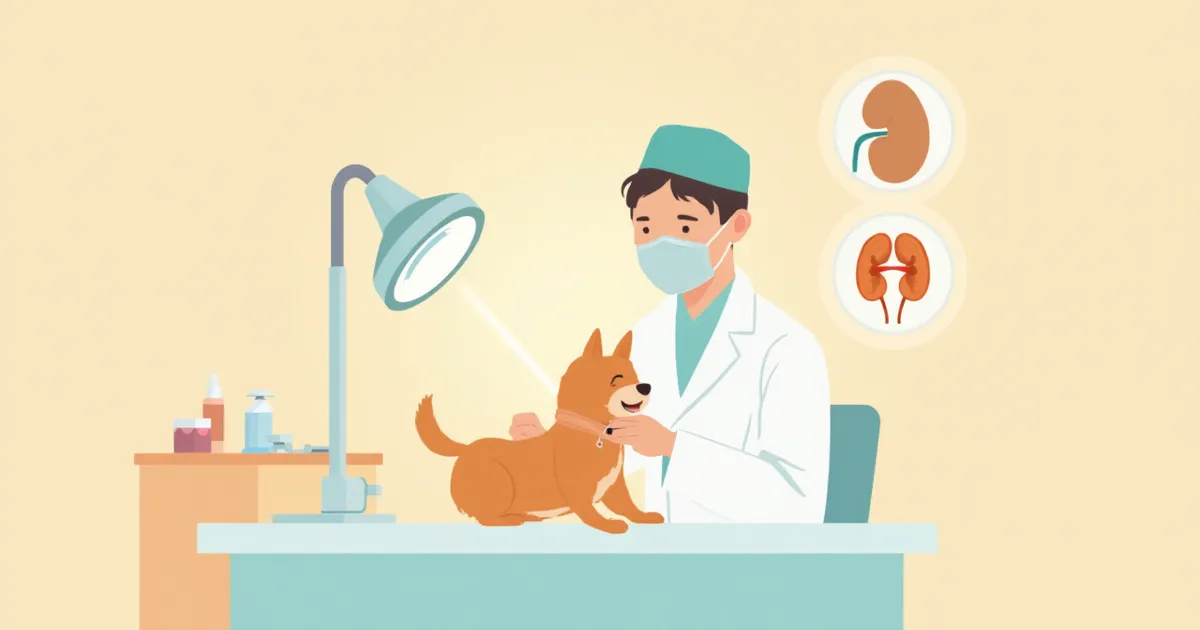
How is kidney stone surgery (pyelolithotomy) performed?
Our veterinary advisory team has compiled all the essential information pet owners need to know about kidney stone surgery (pyelolithotomy), including the procedure, indications, recovery period, costs, and potential side effects.

Dog Gum Surgery: Differences Between Incision and Reconstruction — Types and Selection Criteria
We’ve compiled a veterinary overview of the types of gum surgery for dogs and cats, along with the differences between incision and reconstruction techniques. You can also find everything you need to know about pre-surgical preparation and post-operative care.

Corrective Surgery for Brachycephalic Airway Syndrome (BOAS)
We’ve outlined the candidates for corrective surgery for Brachycephalic Obstructive Airway Syndrome (BOAS), the surgical procedure, the recovery process, and key care points that pet owners should know.
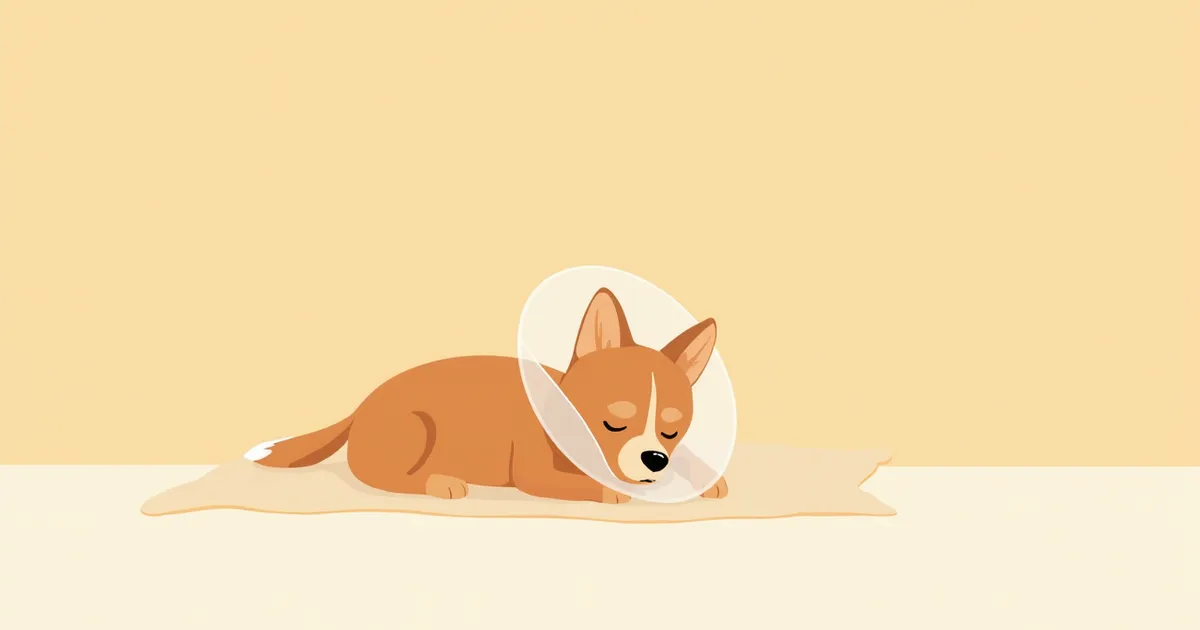
What Is Canine Enucleation? — From Surgical Procedure to Recovery Care
Enucleation is a surgical procedure performed to relieve pain and preserve quality of life in cases of difficult-to-treat eye conditions. Here’s an overview of the surgery and postoperative care.

Complete Guide to Stages 1-4 of Feline Cognitive Dysfunction
Feline cognitive dysfunction is a brain aging disorder that occurs in senior cats. I’ve outlined the four stages of progression, along with the symptoms and management strategies for each stage.

What is Feline Toxoplasmosis? — Risk of Human Infection and Prevention Guidelines
Here’s a veterinary-evidence-based overview of feline toxoplasmosis, covering transmission routes, clinical signs, precautions for pregnant women, and diagnosis, treatment, and prevention methods.
What Is GS-441524, the New Drug for Feline FIP? — Key Points to Know Before Treatment
We’ve compiled everything pet owners need to know about GS-441524, a treatment for feline infectious peritonitis (FIP), including its mechanism of action, administration methods, costs, and potential side effects.

Stage-by-Stage Symptoms and Treatment Options for Feline Megacolon
Here’s a clear overview of the stage-by-stage symptoms and treatment options for feline megacolon. Learn how it differs from constipation, and get a quick look at dietary, medication, and surgical treatment guidelines.

Can Cats Be Walked Too? — Key Points and Precautions for Harness Training
Walking your cat isn’t necessary for every feline, but we’ll guide you through step-by-step training—from harness acclimation to outdoor outings.

The Complete Guide to Catnip Effects and Types
We’ve put together a clear overview of how catnip works, the percentage of cats that respond to it, how it differs from alternative plants like silver vine and valerian, and how to use it safely.

Why Do Cats Love Sunbathing Spots? — How to Create a Safe Sunbathing Spot
Discover the importance of sunbathing spots for cats and learn how to create a safe one. We’ve covered everything you need to know, from window temperature and UV protection to preventing heatstroke.

Cat Wheel Usage Guide and Acclimation Methods
Cat wheels are large, circular exercise devices designed to address indoor cats' lack of physical activity and help with weight management. Choosing the right size and gradually acclimating your cat through step-by-step training are key.

Why Do Cats React to Mirrors? — Behavioral Psychology Pet Owners Should Know
We’ve compiled the reasons why cats exhibit a range of reactions—such as hissing, attacking, or ignoring—when they see their own reflection in a mirror, along with key behavioral insights for pet owners to understand.

Why Does Your Cat Bring You Prey as a Gift? — Psychology and Proper Responses
Let us explain the meaning behind your cat’s “gift-giving” behavior—when they place dead insects, toys, or even real prey at your feet—and how you can respond appropriately as a pet owner.

Cat Food Burying Behavior: Instinct or Health Signal?
Let’s explore why cats scratch around their food bowls or try to cover their food, what this behavior means, and how you can help your feline friend.

Why Cats Scratch Furniture — A Complete Guide to Redirecting Them to a Scratching Post
I’ll walk you through why cats scratch sofas and wallpaper, and share a step-by-step training method to gently redirect them to use a scratching post instead.

Cat Keeps Rubbing Its Eyes — Simple Itch or Sign of an Ophthalmic Condition?
We’ve compiled the reasons why cats frequently rub their eyes, how to distinguish normal from abnormal behavior, and the warning signs that indicate a vet visit is necessary.

The Ultimate Guide to Super-Senior Cat (15+) Care
We’ve outlined the physical changes that occur in cats aged 15 and older, along with essential health care tips. Learn everything you need to know, from regular check-ups to dietary and environmental adjustments.

The Ultimate Guide to Caring for Senior Cats (10–15 Years Old)
Senior cats (10–15 years old) are at a sharply increased risk of chronic diseases. You can help extend their healthy lifespan by scheduling health check-ups every six months, feeding a high-protein, low-phosphorus diet, and making environmental adjustments.

The Ultimate Guide to Health Care for Early Senior Cats (Ages 7–10)
We’ve outlined the key characteristics of the early senior stage in cats, which begins at age 7, along with essential health care tips that owners should keep in mind.

The Ultimate Guide to Daily Care for Adult Cats (Ages 1–7)
We’ve outlined evidence-based veterinary guidelines for nutrition, weight, dental care, and stress management in adult cats (ages 1–7). Proper care during this stage plays a pivotal role in shaping your cat’s health as it ages.