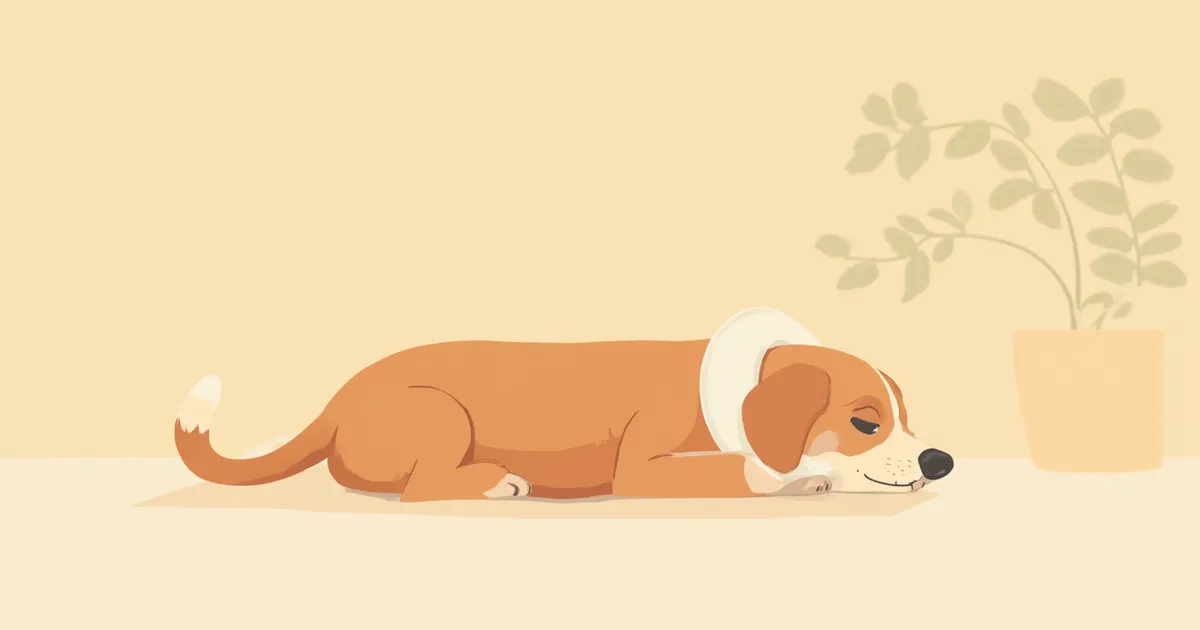
Post-Surgical Activity Restriction Guide: Management by Recovery Stage
Restricting activity after surgery is key to recovery. We’ve outlined activity restrictions based on the type of surgery and recovery stage, along with rehabilitation exercises and warning signs to watch for.
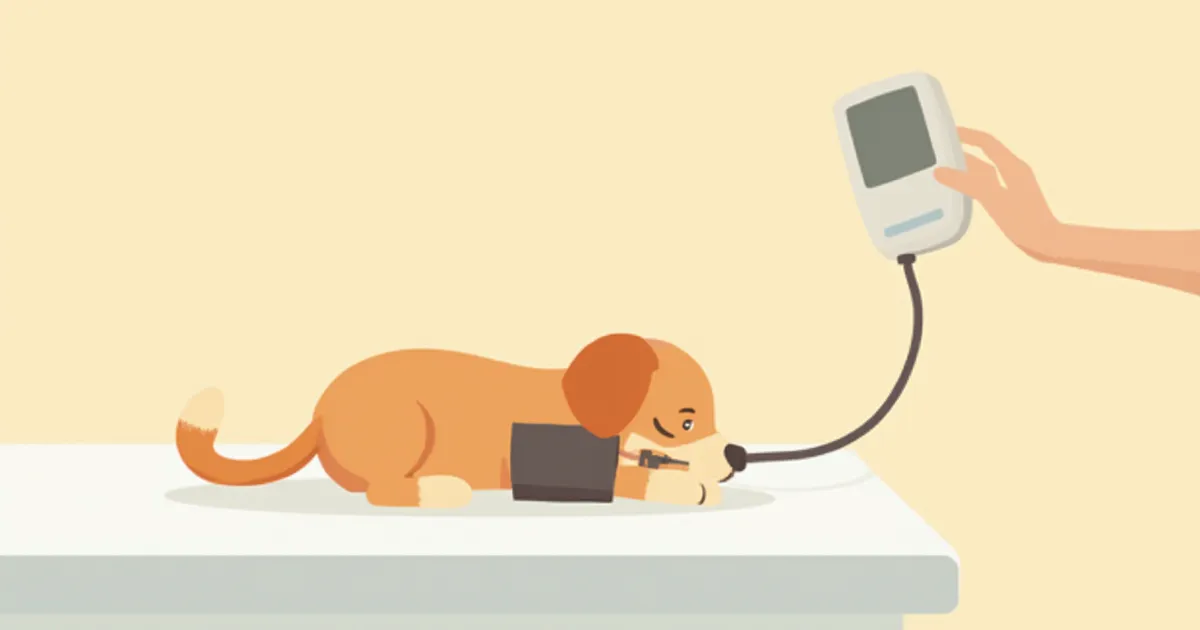
Pet Blood Pressure Measurement and Normal Values
We’ve compiled the essentials of blood pressure management that pet owners should know, including normal blood pressure ranges for dogs and cats, measurement methods, signs of hypertension, and the criteria used by veterinary clinics for diagnosis.

Is Your Dog Experiencing Her First Heat? — Signs of Estrus and When to Visit the Vet
The first heat marks the time when dogs and cats reach sexual maturity and become capable of reproduction. Here’s a summary of the signs to watch for and key care tips you can follow at home.
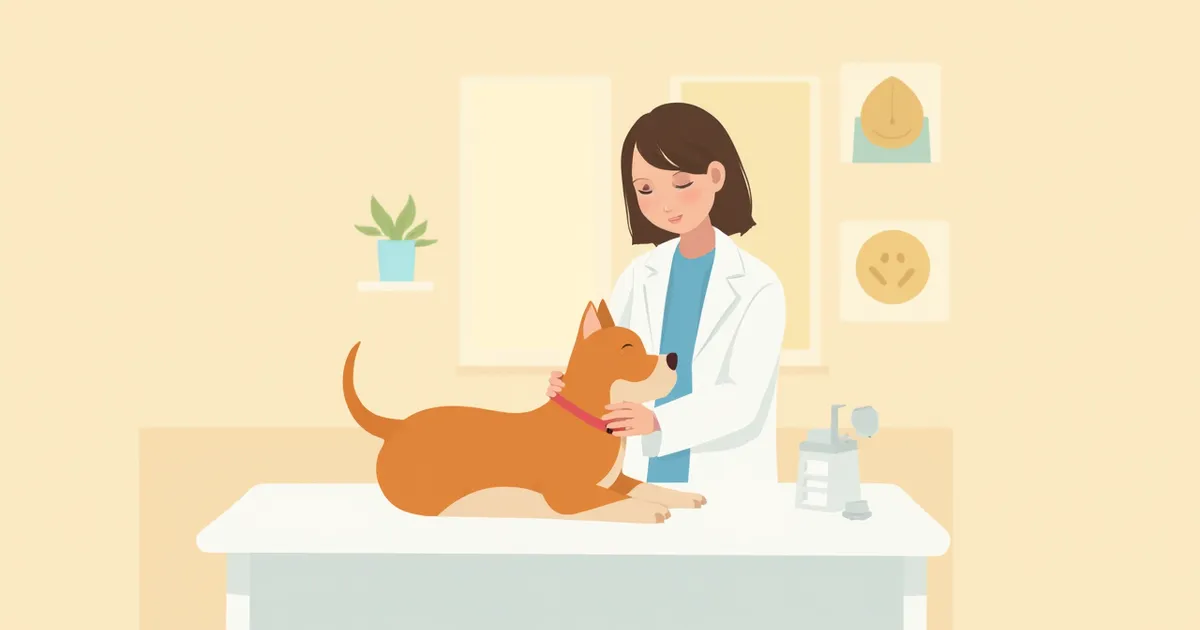
When Is a Cesarean Section Necessary for Puppies? — Key Indications and Recovery Essentials
We’ve compiled a veterinary-based guide on when a cesarean section is necessary and how to care for the mother and puppies during their postoperative recovery.

When Are Newborn Puppies and Kittens in an Emergency? — A Guide to Critical Warning Signs You Must Not Miss
We’ve compiled the emergency signs that can appear in newborn puppies and kittens, along with the immediate steps pet owners should take, based on veterinary textbooks.
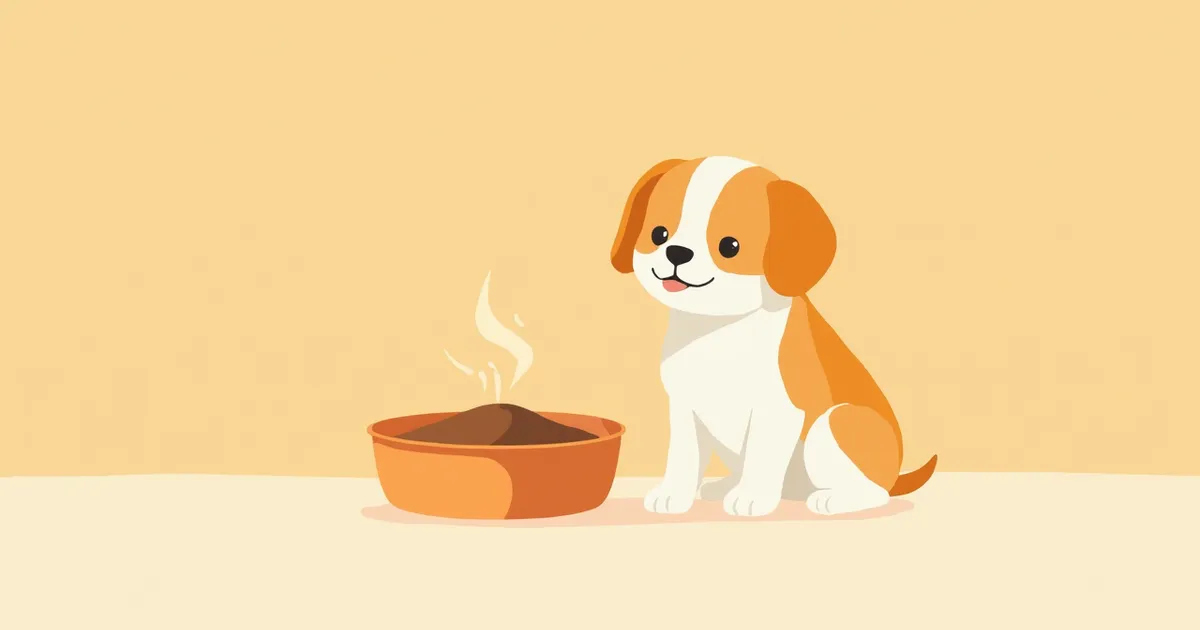
Frequent Vomiting and Soft Stools? — Key Points for Choosing Sensitive Stomach Dog Food
Sensitive stomach dog food is specially formulated to reduce gastrointestinal stress in dogs with weak digestion. The key factors are the protein source, fat content, and fiber ratio.
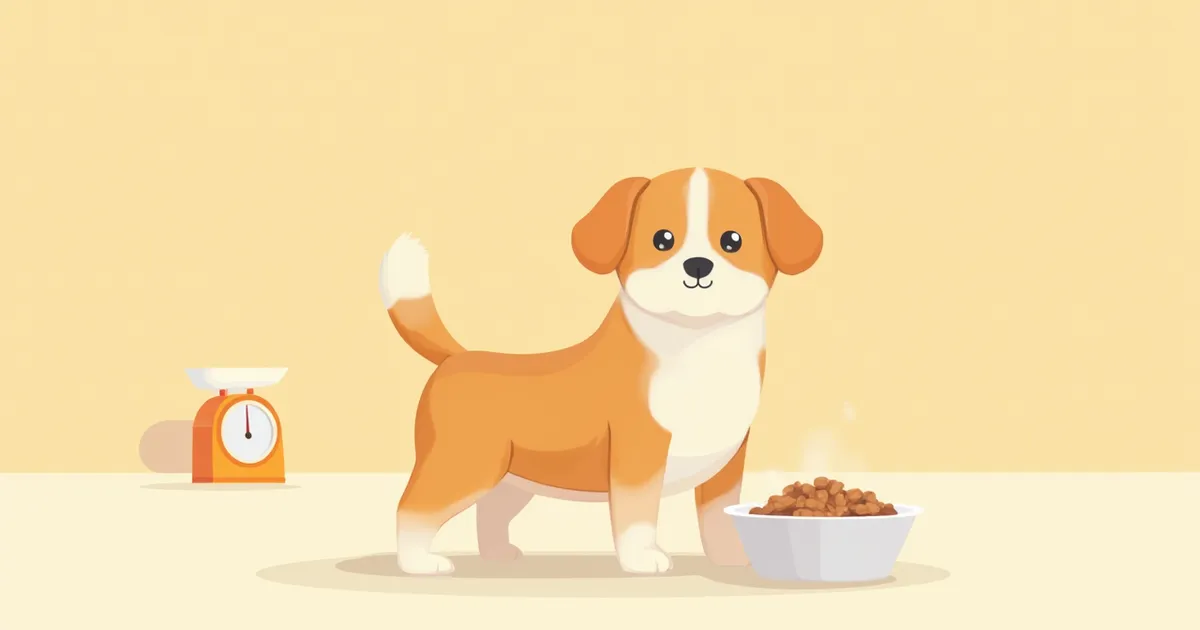
How Do Weight-Loss Prescription Diets Differ from Regular Diets? Ingredient Differences and Selection Criteria
We’ll explain the definition of veterinary weight-loss prescription diets, how they differ from regular diet foods, and how to properly choose and feed them according to veterinary guidelines.

Meaning of Dog Gaze and Icon-tact
When your dog locks eyes with you, it can convey a range of signals—affection, a request, or tension. By observing the duration of the gaze, pupil dilation, and surrounding body language, you can accurately understand what your dog is trying to communicate.
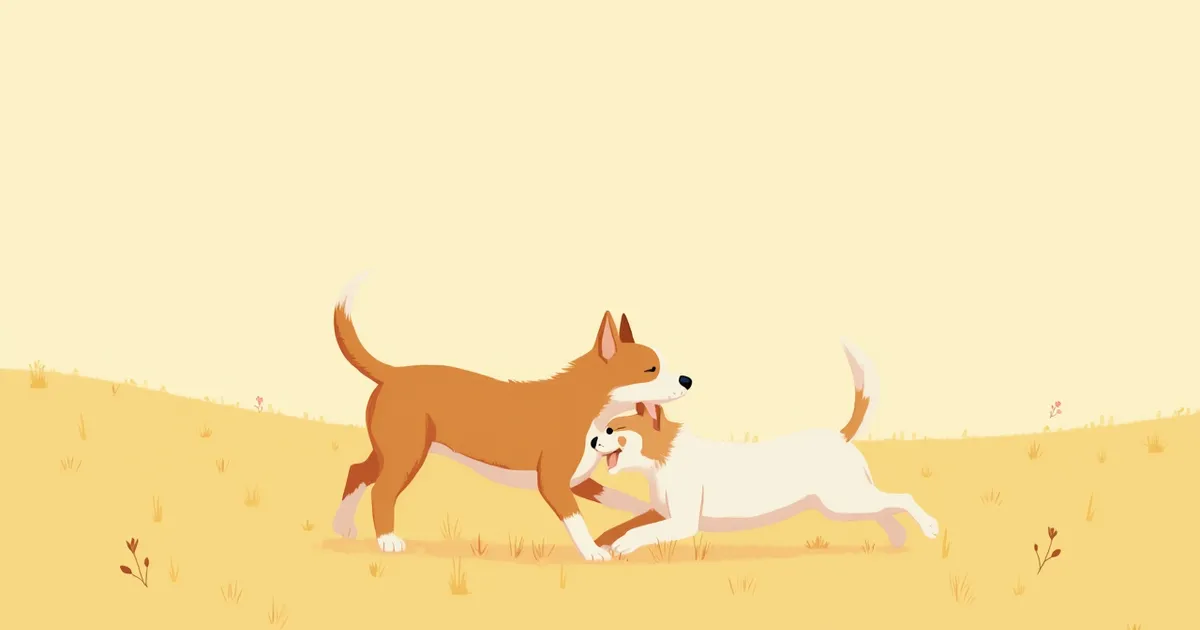
How to Distinguish Between Play and Aggression in Dogs: Stop When You See These Signs
Play and aggression in dogs can be distinguished by differences in body language, vocalizations, and speed. Play bows, a relaxed mouth, and role-switching are all signs of play.

Does Your Dog Struggle with Greetings? — How to Teach Proper Etiquette for Meeting People and Other Dogs
We’ve put together a guide on proper greeting etiquette for dogs when meeting other dogs, along with training tips that owners can use to help their pets.

Is Your Dog Showing Its Belly Out of Submission or Fear? — Reading Emotional Signals Through Posture
We’ve outlined how to accurately distinguish between submission and fear postures based on veterinary behavior standards, using tail, ear, and eye cues. Misinterpreting these signals can cause your pet to become even more withdrawn.

Meaning and Behavioral Signals of the Play Bow
The play bow is a classic canine invitation to play, where your dog lowers its front legs while lifting its hindquarters. Here’s how to interpret this signal based on its meaning and context.

What Does Your Dog’s Tail Mean? — A Complete Guide to Reading Tail Signals
Learn how to accurately interpret your dog’s tail movements—by height, speed, and direction—to understand their emotions and detect signs of health issues.

The Complete Guide to Decoding Dog Body Language
A dog’s body language is a nonverbal way of expressing emotions through its tail, ears, eyes, posture, and mouth shape. Here’s a quick guide to the key signals and warning signs to watch for.

Why Does Your Cat Slowly Blink? — How Should You Respond?
When a cat slowly blinks its eyes, it's sending a signal of trust and affection to its owner. Here's a summary of what it means and how to respond appropriately.

What Does Kneading Mean in Cats? Why Do They Do It?
Kittens’ kneading behavior, often called “making biscuits,” stems from their instinctual nursing motions in kittenhood and serves as a way to express affection and seek comfort. Here’s a breakdown of what it means in different contexts, along with important points to keep in mind.
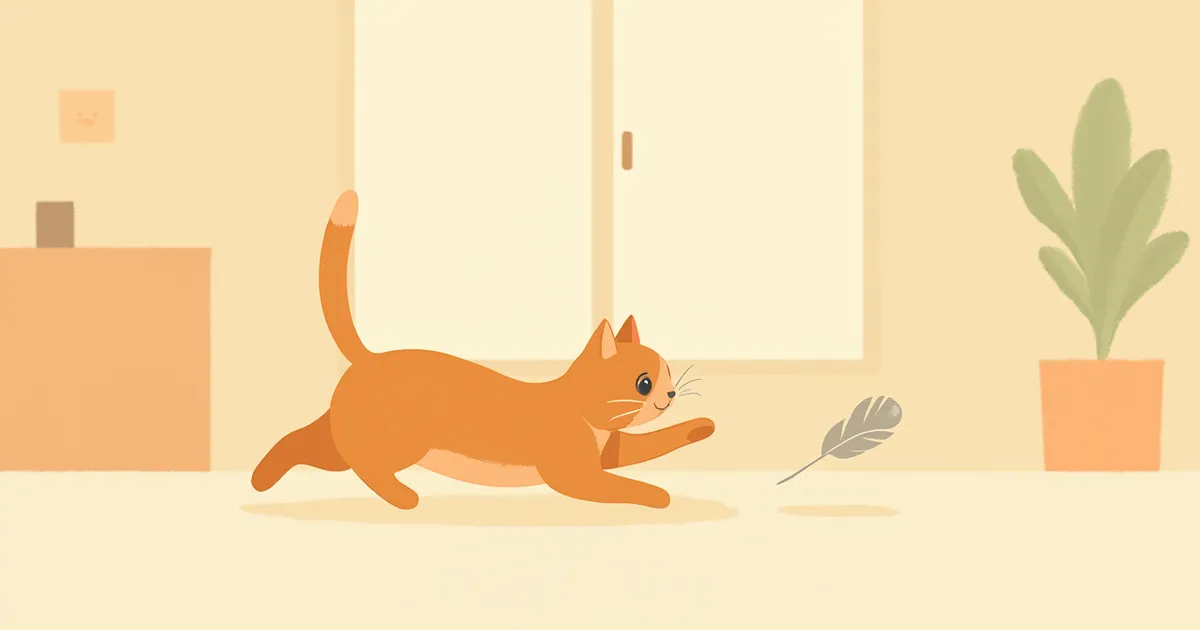
The Meaning of Cat Hunting Behavior and How to Satisfy It
I’ll explain the meaning behind your cat’s hunting behaviors—like carrying toys in their mouth or raising their claws—and share ways to healthily satisfy the instincts of indoor cats.

What Is My Cat Feeling Right Now? — Reading Emotional Signals Through Ear Position
A cat’s ear position and movement are the most honest indicators of its emotions. Here’s a breakdown of what each position means and how to respond.

What Is Your Cat Saying Through Body Language? — Reading Tail, Ear, and Vocal Signals
We’ve compiled a guide to interpreting the signals your cat sends through its tail, ears, eyes, whiskers, and body posture in various situations. Learn to distinguish between signs of affection, caution, fear, and pain so you can communicate with your cat without misunderstanding.

What Does a Cat’s Purr Mean? — Meanings and Types by Situation
Let’s explore the meanings behind a cat’s purr and the different types of purring in various situations. We’ve also outlined how to distinguish between signs of contentment, anxiety, and pain, as well as when it’s time to visit the vet.

When to Start Pet Hospice Care: Key Criteria for End-of-Life Decisions
We’ve outlined when and how to begin hospice and end-of-life care for your pet, including quality-of-life assessments and key criteria that owners should never overlook.

Helping Senior Dogs Adapt to Vision Loss
Vision loss in senior dogs is a gradual change that occurs with aging. Maintaining consistent furniture placement, using vocal cues, and practicing safe walking techniques can help your dog adapt comfortably.

How to Change Kidney Diets for Senior Cats — Key Stage-by-Stage Feeding Guide
Kidney diets for senior cats are tailored to adjust the balance of protein, phosphorus, and sodium according to IRIS stages (1–4). A systematic approach from the early stages can significantly improve their quality of life.
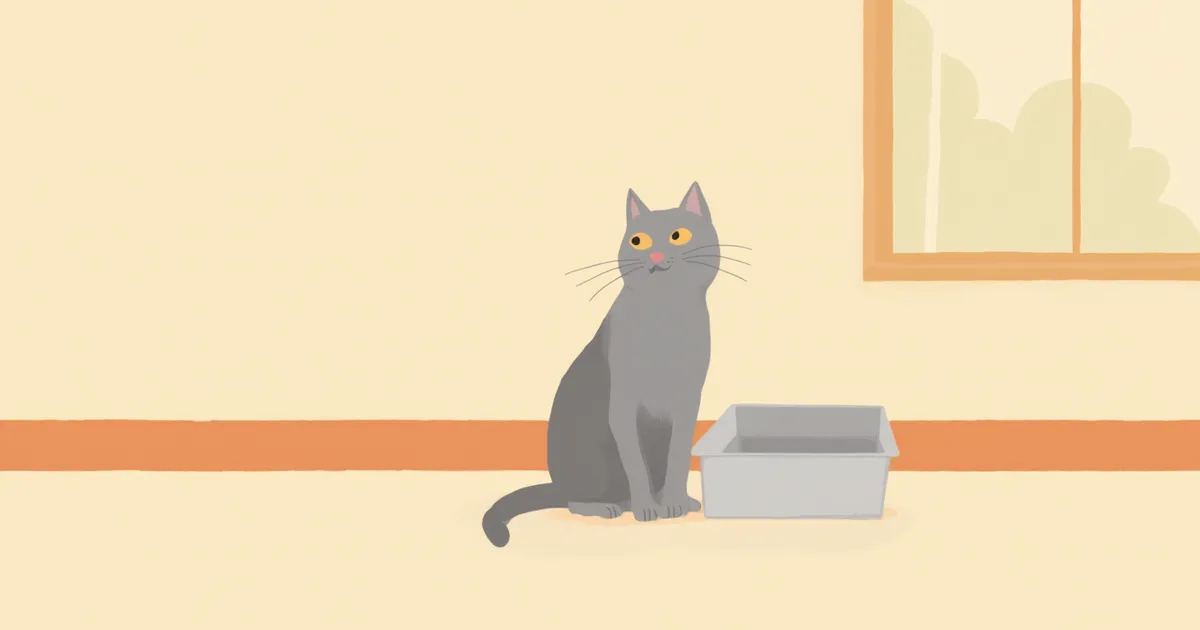
My Senior Cat’s Litter Box Habits Have Changed — Is This Normal or a Sign of Illness?
If your senior cat suddenly stops using the litter box properly, it could be a sign of joint issues, cognitive decline, or other medical conditions. Here’s a breakdown of key checkpoints by cause and home care tips you can try.