
Which Pet Trainer Certification Should You Get First? — A Comprehensive Guide to Types, Costs, and Employment
There is no nationally certified pet trainer license in Korea; instead, most certifications are privately issued. Here’s a comprehensive guide covering the types of certifications, how to obtain them, and key criteria for choosing a qualified trainer.

How to Get a Pet Groomer Certification: Types, Costs, and Employment at a Glance
Pet grooming certifications are divided into government-recognized and private qualifications, with each level having its own curriculum and practical skill requirements. We’ve outlined the certification system and selection criteria that pet owners and aspiring groomers should know.

Essential Information on Pet Expos in Korea
We’ve compiled all the essential information pet owners need to know, including the timing of major pet expos in Korea, key highlights to look out for, and important precautions when bringing your pet along.

If Your Pet’s Food Is Subject to a Recall — How to Check Recall Information and Take Action
We’ve compiled a guide on where and how to check for pet food recall and withdrawal notices, as well as step-by-step actions pet owners should take if their pet shows any unusual symptoms.

Is hiking with your pet okay? — Safety rules to check before heading out
Hiking with your pet requires careful preparation that takes into account their fitness level, the temperature, and the terrain. We’ve put together a comprehensive guide covering breed-specific precautions, essential gear, and how to handle emergencies.

Can You Go Camping with Your Pet? A Safety Guide from Preparation to Emergency Response
Planning a camping trip with your dog or cat? Here’s how to prepare for a safe and enjoyable adventure. We’ve covered everything you need to know—from essential gear to potential risks like ticks and heatstroke, plus emergency response tips.

The Ultimate Guide to Pet Quarantine for International Relocation
We’ve outlined the step-by-step quarantine procedures, rabies antibody testing, and country-specific requirements for relocating overseas with your pet.

Our Child Has Lost a Companion — How to Help the Remaining Pet Through Grief
Pet grief refers to the behavioral and emotional changes that occur in a surviving pet after another companion animal passes away. These changes can manifest as decreased appetite, altered sleep patterns, and increased clinginess toward their owner, and typically resolve within 2 to 6 months.

Compulsive Behaviors (Tail-Chasing, Licking) Deep Dive
We’ve compiled the causes, diagnosis, and treatment of compulsive behaviors in pets—such as tail-chasing or repetitive licking of specific body parts—based on veterinary behavioral science.

Can Pets Get PTSD? — Post-Traumatic Stress Symptoms and Behavioral Therapy
Pets can experience PTSD just like humans. We’ve summarized the key symptoms, diagnostic criteria, treatment options, and what pet owners can do to help.

Causes and Management of Social Avoidance Behavior in Dogs and Cats
We’ve outlined the causes of social avoidance behavior in pets—such as hiding from family members or other animals—and step-by-step ways to address it. You’ll also learn about key triggers like pain, fear, and stress, as well as when it’s time to visit the vet.

Should I Take My Pet to the Vet? — Key Checklist for Home Skin Checks
Here’s a veterinary-backed guide on how to check your pet’s skin at home and when it’s time to visit the vet.

How to Check Your Dog’s Paws at Home — Warning Signs and What to Do
Checking your pet’s paws and paw pads once a week at home can help detect joint issues, injuries, and infections early. Here’s a simple 5-step self-check method using touch and sight.

How to Check Your Pet’s Gums and Teeth at Home — See a Vet If You Notice These Signs
We’ve put together a guide on how to check your pet’s gum color, tartar buildup, and bad breath at home, along with clear signs that it’s time to visit the vet. Checking just once a week can help catch periodontal disease early.

Guide to Veterinary Emergency Medicine Specialists
We’ll explain how veterinary emergency medicine specialists differ from general practitioners, when to seek their care, and how they compare to 24-hour animal hospitals. We’ve also covered specialist qualifications and treatment costs.

What Is a Veterinary Surgeon? — When to Refer and How They Differ
We’ve put together a practical guide that explains who veterinary surgeons are, when to refer a case to them, and how to verify their credentials and prepare for the visit.

What is a veterinary nutritionist? When to see one and what to expect
A veterinary nutritionist is a veterinarian who has completed specialized training in veterinary nutrition. Here’s how we handle referrals for consultations on chronic diseases, homemade diets, and prescription diets.

When to See a Veterinary Behaviorist — Is Medical Treatment the Answer for Problem Behaviors?
We’ve outlined who a veterinary behaviorist is, when to schedule a visit, and how they differ from general trainers or veterinarians. Learn how to manage separation anxiety, aggression, and compulsive behaviors all in one place.

Guide to Veterinary Oncology Specialist Care
We’ve compiled the essential information every pet owner should know about veterinary oncology, including what these specialists do, when to seek their expertise, the diagnostic process, and associated costs.

What Is a Veterinary Dermatologist? — When to Visit and How They Differ from General Clinics
Veterinary dermatologists are specialists who precisely diagnose and treat chronic skin conditions that don’t respond well to general care. Here’s a guide on when to refer your pet and what tests to expect.

Our Pet’s Dentist: General Clinic vs. Specialist — A Guide to Choosing Care
Veterinary dental specialists are veterinarians who provide in-depth diagnosis and treatment for diseases of the teeth, gums, and jaws. We’ve put together everything you need to know, including how they differ from general clinics, when to visit, and what to prepare.
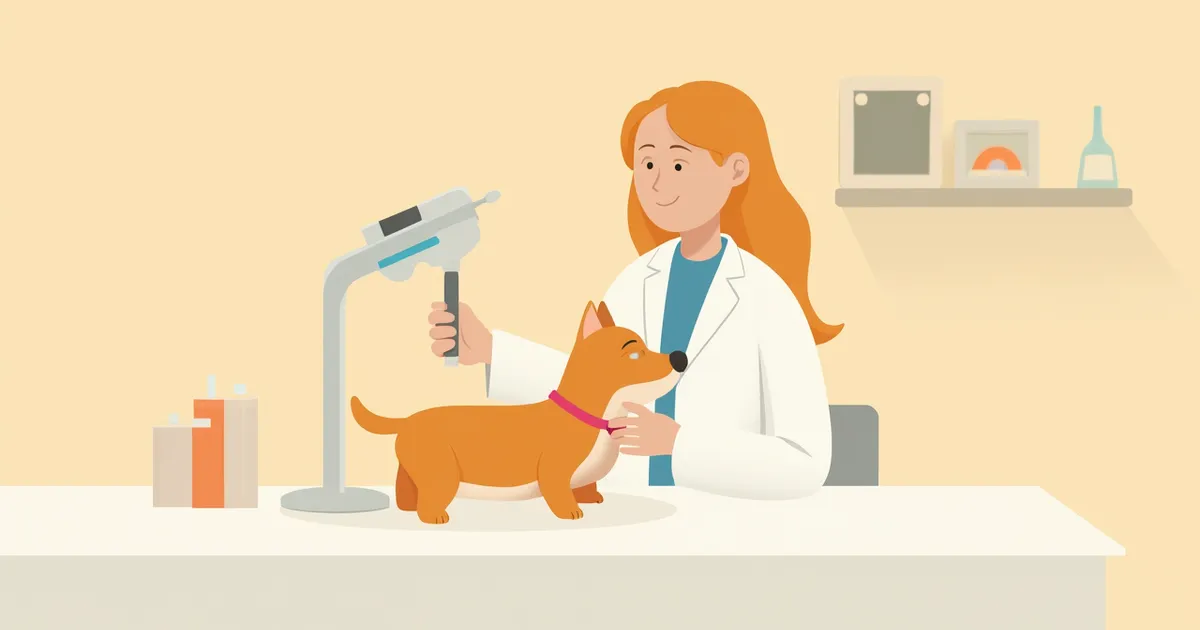
When to See a Veterinary Ophthalmologist: A Guide to Symptoms Requiring Referral
Veterinary ophthalmologists are specialists who use advanced equipment to diagnose and treat eye conditions that are difficult to assess at general animal hospitals. Here’s a summary of the symptoms that warrant a referral and the typical flow of care.

Can You Live with a Pet If You Have Allergies? — How to Reduce Symptoms
We’ve compiled evidence-based veterinary and medical information on the causes, symptoms, and daily management strategies for pet owners allergic to dogs and cats. We also provide guidelines to help you determine whether living together is feasible.

What is Pet Medical Tourism? — Key Essentials and Precautions for Singapore and Japan
Pet medical tourism to Singapore and Japan involves traveling abroad for specialized, high-difficulty surgeries and advanced imaging diagnostics that are difficult to access domestically. We’ve compiled a comprehensive guide covering everything from quarantine and entry procedures to costs and post-operative care.