
What if a cat eats grapes or raisins? Kidney damage risks and symptoms different from dogs
Although there are fewer reported cases in cats than in dogs, consuming grapes or raisins can cause kidney damage and is considered a potential poisoning risk. If you suspect your cat has ingested them, it's safest to contact your veterinarian immediately.
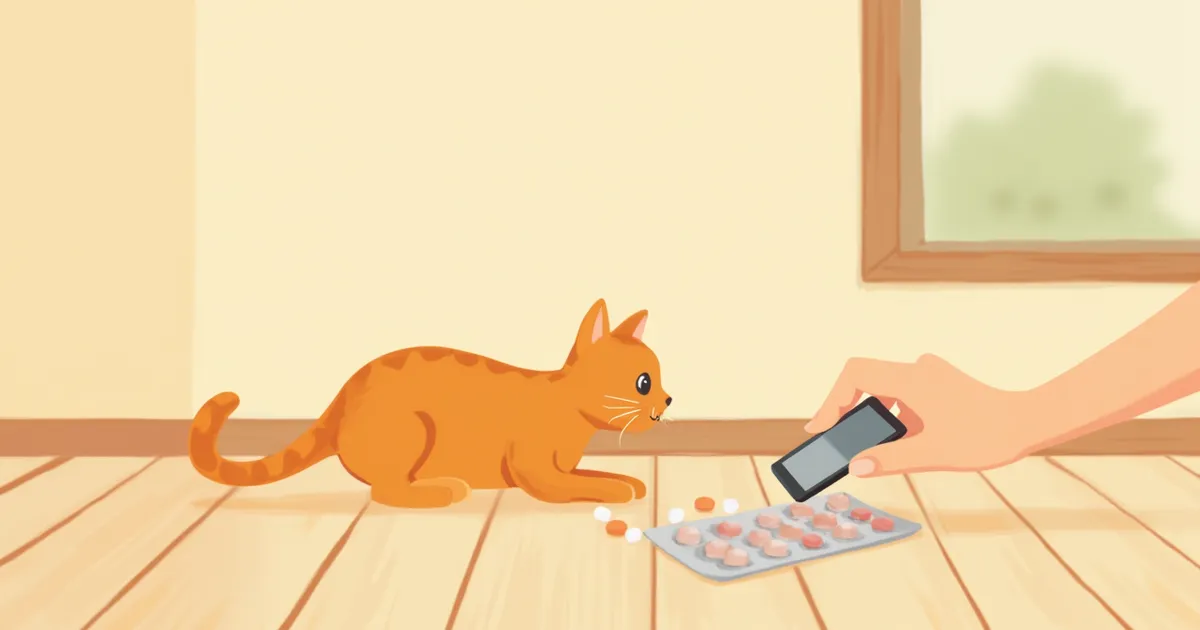
My Cat Ate Ibuprofen — Key Emergency Response for Kidney Failure and Stomach Bleeding
We’ve outlined the symptoms of kidney failure and stomach bleeding that can occur when cats ingest ibuprofen, along with the lethal dose threshold and what owners should do before reaching the vet. Even doses as low as 5 mg/kg can be dangerous.
Canine Cannabis (THC) Exposure Emergency — Key Differences from CBD
When dogs are exposed to THC (cannabis), they can quickly develop an emergency situation characterized by ataxia, inability to stand, and urinary incontinence. Here’s a clear overview of how THC differs from CBD and when you should seek veterinary care.

Can Dogs Eat Walnuts and Pecans? — Key Facts on Poisoning Symptoms and First Aid
Walnuts and pecans are dangerous for dogs because they can contain mold toxins, are high in fat, and may include xylitol, all of which can cause tremors, vomiting, and pancreatitis. We’ve outlined the symptoms by stage, emergency first aid steps, and recovery care tips.

If Your Dog Ate Wild Mushrooms During a Walk — Emergency Steps and Risks by Type
Here’s what you need to know about emergency steps if your dog eats wild mushrooms during a walk, including the risks associated with specific types like death cap, Galerina, and psilocybin mushrooms, as well as the critical window for treatment.

What to Do If Your Dog Ingests Ibuprofen: Emergency Response for GI Bleeding and Kidney Failure
If your dog has ingested ibuprofen, it is a medical emergency that can rapidly lead to gastrointestinal mucosal damage and acute kidney failure. A dose of 5 mg or more per kilogram of body weight is considered dangerous, so you should take your dog to an emergency veterinary clinic immediately.

Did Your Dog Drink Alcohol? — Signs of Alcohol Poisoning and When to Go to the Vet
We’ve compiled a veterinary guide on the signs of alcohol poisoning in dogs, when to rush to the emergency room, what pet owners should and shouldn’t do, and more.

Puppy 24-Hour Emergency Animal Hospital — How to Find by Region and Cost Guide
We’ve compiled everything you need to know about quickly finding a 24-hour emergency veterinary clinic by region, average nighttime emergency room costs, and how to assess whether your dog is in an emergency situation.
Canine Separation Anxiety: Is Medication Necessary? — Key Points on Medical Diagnosis and Pharmacological Treatment
I’ve outlined the medical diagnostic criteria for canine separation anxiety, medication options, and how to combine behavior modification techniques like desensitization and counterconditioning.

Rice-like Granules Around Your Dog’s Anus — Tapeworm Causes and When to Visit the Vet
If you notice rice-like white granules around your dog’s anus or under its tail, it may be a sign of tapeworm infection. The key to treatment is prescribing praziquantel dewormer and simultaneously addressing flea infestations.

When to Let Go of Our Dog with End-Stage Cancer — Hospice Care and the Euthanasia Decision
This guide walks pet owners through hospice care for dogs with end-stage cancer, covering pain relief, maintaining quality of life, and making the decision about euthanasia, step by step.

If Your Dog Ate Dark Chocolate? — Why It’s More Dangerous and Risk Levels by Type
Here’s why dark chocolate is more than five times as dangerous for dogs as milk chocolate, along with a clear breakdown of the toxic dose by chocolate type and your dog’s weight. We also guide you on what to do immediately after your dog ingests chocolate.
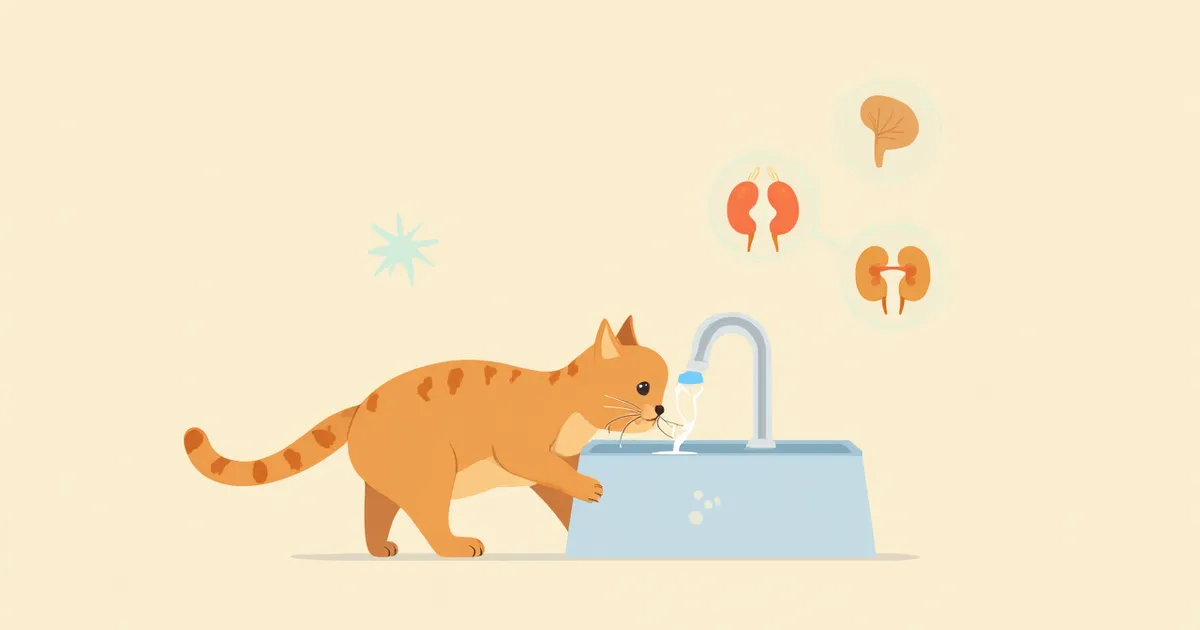
Feline Bladder Stones: Which Prescription Diet Is Right? — How Diets Differ by Stone Type
The dietary approach for feline bladder stones depends entirely on the stone type, as the strategies can be diametrically opposed. Struvite stones can be dissolved medically, whereas calcium oxalate stones require surgical removal. Because recurrence rates are high, lifelong management with a prescription diet is essential.

Recurrent Urinary Tract Infections in Dogs — Diagnosis and Treatment Guide by Cause
We’ve broken down the six main reasons why dogs suffer from recurrent urinary tract infections, and organized diagnosis, treatment, and prevention strategies for each cause in a way that’s easy for pet owners to understand.

End-Stage Kidney Failure in Cats — Symptoms and Euthanasia Decision Guide
I’ve outlined the key symptoms of end-stage kidney failure in cats, along with quality-of-life considerations for making euthanasia decisions and hospice care options, all from a pet owner’s perspective.

If Your Senior Cat Is Vocalizing at Night or Pacing — Symptoms and Management of Cognitive Dysfunction
Here’s a summary of the five key symptoms and diagnostic steps for feline cognitive dysfunction (dementia) in senior cats, along with medical management options such as selegiline and dietary therapy. If your cat has started vocalizing at night or pacing in circles, it’s crucial to rule out other underlying conditions first.

If Your Senior Dog Barks at Night and Wanders Aimlessly — Key to Diagnosing Canine Cognitive Dysfunction (Dementia)
We’ve compiled a guide to help you assess key symptoms of canine cognitive dysfunction (often referred to as doggy dementia), such as nighttime barking and disorientation, using the DISHAA checklist. It also covers early diagnosis, medication, dietary adjustments, and environmental management strategies.

Tick-Borne Disease Checklist — What to Check After Your Dog’s Walk
This guide explains why it’s important to check your dog for ticks after walks, where to look, and covers the symptoms and emergency warning signs of four tick-borne diseases: babesiosis, anaplasmosis, Lyme disease, and ehrlichiosis.

Can Cats Get Heartworm Disease? — Why It’s More Dangerous Than in Dogs and How to Prevent It
Heartworm disease in cats is far more dangerous than in dogs because there is no effective treatment. However, it can be safely prevented with just one monthly dose of preventive medication.

When to Deworm Cats for Roundworms: Schedules and Medication Guide for Kittens and Adults
Toxocara cati, a type of roundworm, is the most common intestinal parasite in kittens. For safety, kittens should be dewormed every two weeks starting at two weeks of age, while adult cats should be dewormed quarterly.

Fleas on an Indoor Cat? — Entry Routes and Environmental Management to Prevent Reinfestation
Indoor cats can also contract fleas through exposure on balconies, via their owners’ clothing, or from other pets. We’ve outlined five common entry routes, prioritized flea control for carpets and bedding, and provided steps for environmental management to prevent reinfestation.

Ticks in Outdoor Cats: Removal and Prevention of Vector-Borne Diseases
We’ve put together a guide on how to safely remove ticks from cats that go outdoors frequently, as well as how to choose the right external parasite prevention medication to protect against tick-borne diseases.

Symptoms of Feline Hyperthyroidism — Check for Ravenous Appetite and Weight Loss
Here’s a summary of the key symptoms of feline hyperthyroidism and the checkpoints you can verify at home. If your cat is eating well but losing weight, this should be the first condition you suspect.

If Your Dog Is Constantly Lethargic — Canine Hypothyroidism Symptom Checkpoints
We break down the hallmark signs of canine hypothyroidism—lethargy, weight gain, and symmetrical hair loss—by stage, and provide a clear overview of how to distinguish it from similar conditions, as well as the diagnostic and treatment process.