
Why Does Your Dog Tremble in the Car? — Causes of Car Anxiety and Motion Sickness, and Adaptation Training
When dogs vomit, whine, or tremble in the car, it’s usually due to motion sickness or fear and anxiety. This guide covers how to distinguish symptoms by cause, step-by-step desensitization training, and how to use veterinarian-prescribed antiemetics effectively.

What is dog pheromone therapy? — A guide to calming puppy anxiety and usage instructions
Dog-appeasing pheromone (DAP) therapy is a safe behavioral treatment adjunct that synthesizes the calming signals of a mother dog to help alleviate separation anxiety and noise phobias. We’ve compiled everything you need to know, from how to choose the right product format to the veterinary research behind it and proper usage instructions.

What is Canine Cognitive Dysfunction? — How to Spot Early Signs of Dementia
Veterinary answers to the most common questions from owners of senior dogs with canine cognitive dysfunction (CCD). We’ve summarized the essentials, from distinguishing symptoms to diagnosis, treatment, and home care.

My Dog Changed After the Baby Was Born — Is This Normal?
We’ve compiled a Q&A guide explaining the causes of jealousy, anxiety, and regression in dogs after a baby is born, along with step-by-step adaptation management strategies for the pre- and postpartum periods.
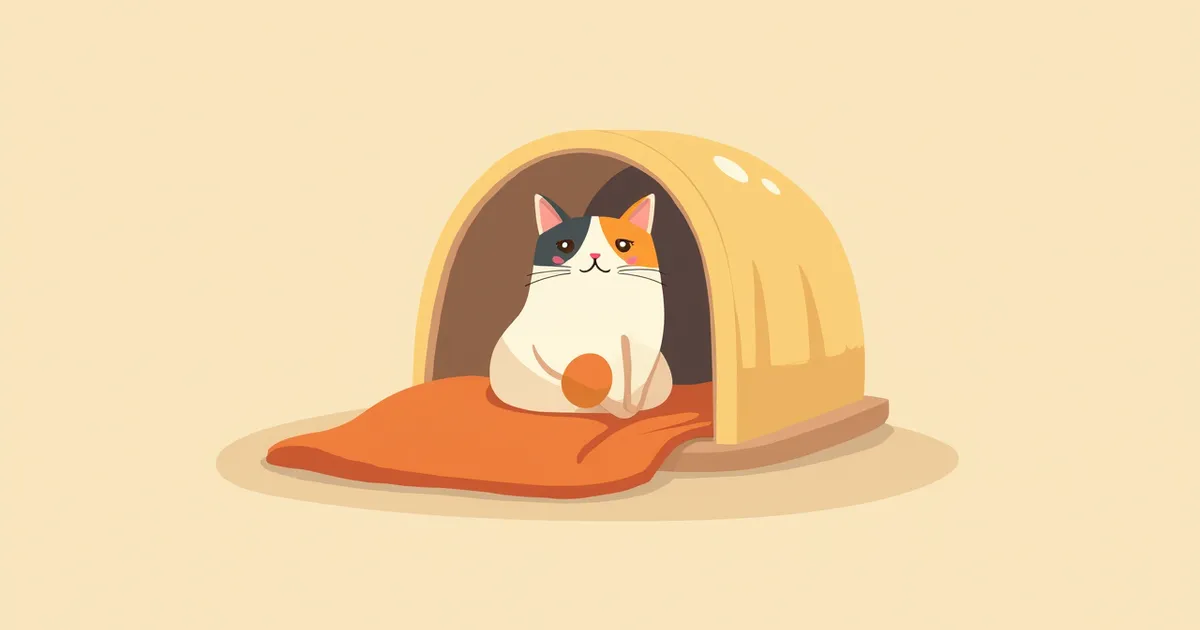
My Cat Panics at the Vet — How to Reduce Veterinary Fear
We’ve compiled a Q&A on why cats are so terrified of veterinary visits and practical steps owners can take to ease their fear. Learn step-by-step strategies, from pre-visit preparations and in-clinic handling to long-term desensitization training.

Why Has My Cat Become So Sensitive? — Causes of Territorial Stress and When to Intervene
We’ve compiled the causes, symptoms, and step-by-step solutions for feline territorial stress in a Q&A format. It also includes tips for improving multi-cat home environments and introducing new cats.
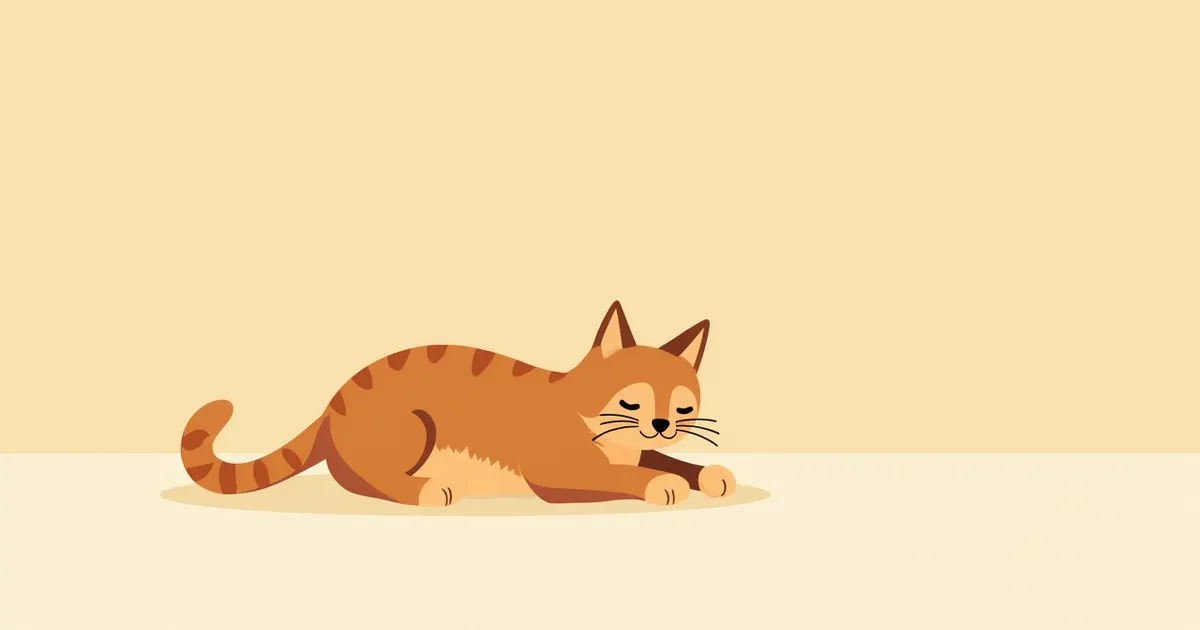
Why Is My Cat Constantly Licking and Losing Hair? — Causes and Management of Psychogenic Alopecia
Feline psychogenic alopecia is a behavioral hair loss condition caused by excessive licking due to stress or anxiety. We’ve compiled the most frequently asked questions from pet owners—covering causes, diagnosis, treatment, and environmental improvements—based on veterinary evidence.
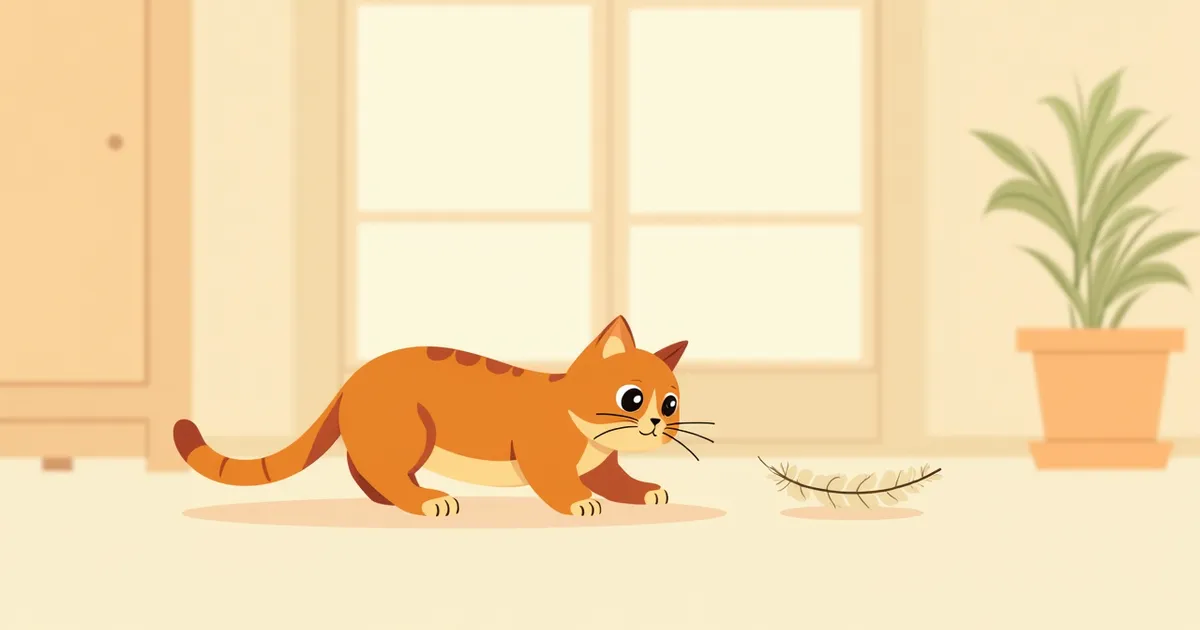
Is Your Cat’s Hunting Instinct Too Strong? — Just Play or Does It Need Management?
We’ve compiled a Q&A on the causes, symptoms, and management of excessive hunting instincts in indoor cats. It covers everything from designing a daily play routine to recognizing warning signs, focusing on the essentials.

Cat Suddenly Biting and Scratching — Causes and Correction of Play Aggression
Play aggression in cats is a behavioral issue where their hunting instincts are not properly regulated, leading them to direct their predatory behavior toward people. We’ve compiled the causes, how to distinguish it from true aggression, and proper handling and training methods in a Q&A format.
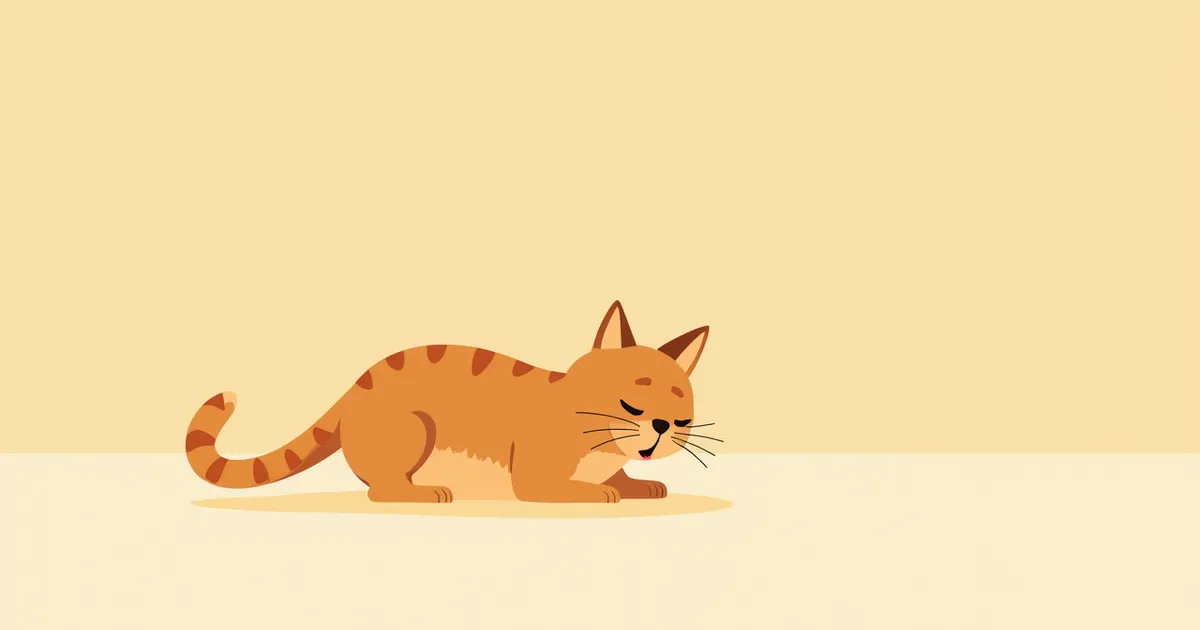
My Cat Keeps Licking Themselves — Is Excessive Grooming Normal?
Excessive grooming in cats can be caused by a variety of factors, including stress, allergies, and parasites. We’ve outlined how to distinguish between medical and psychological causes, as well as environmental improvements you can make at home.
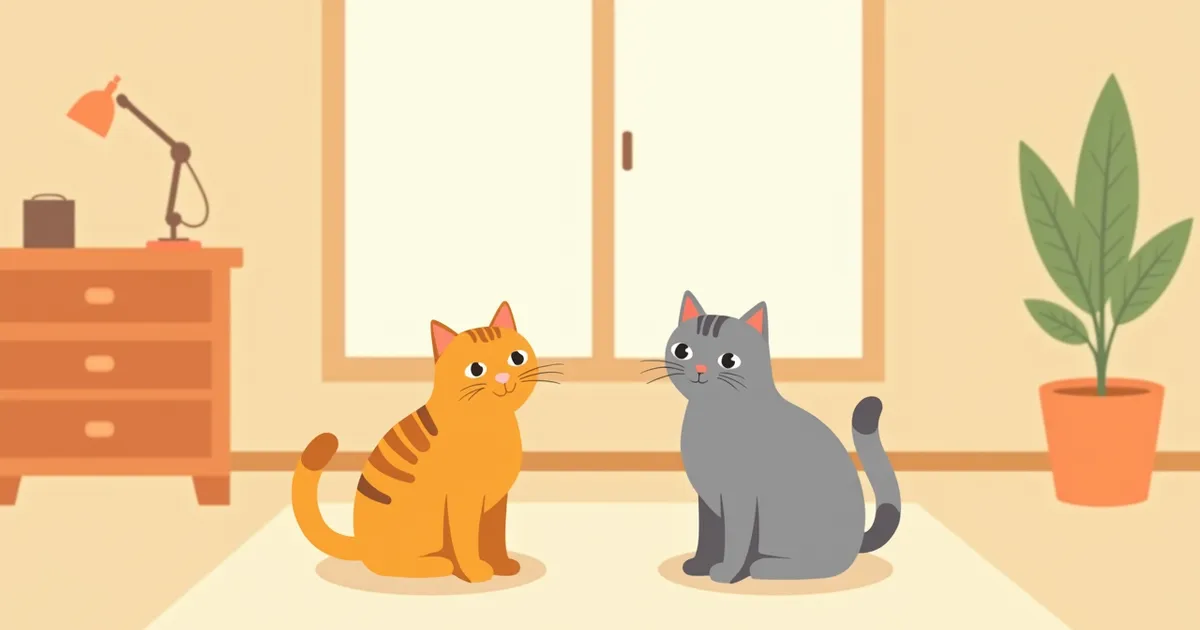
Cats Keep Fighting — Causes and Intervention Timing for Multi-Cat Household Conflicts
We’ve compiled the causes, signs, and solutions for common cat conflicts in multi-cat households, based on veterinary behavior science. This guide covers the essentials, from introduction procedures and resource separation to conflict mitigation strategies.

What is feline cognitive dysfunction? — Early signs of feline dementia
We’ve compiled a veterinary expert-backed guide on the symptoms, diagnosis, and environmental management of cognitive dysfunction in cats aged 11 and older.

Why Is My Cat Suddenly Aggressive? — Causes and Management of Fear-Based Aggression
How should you handle a cat that bites or scratches out of fear? We’ve compiled frequently asked questions covering the causes of fear-based aggression and behavior modification techniques.

My Cat Keeps Meowing — Is Excessive Meowing Normal?
We’ve compiled a Q&A guide on why cats may suddenly or repeatedly meow excessively, along with how to respond. By distinguishing between medical causes and behavioral issues, you can find the right approach to help your cat.

If Your Cat Has Changed After the Move — Is Environmental Change Stress Normal?
We’ve compiled a Q&A guide on the causes and symptoms of stress in cats due to moving or environmental changes, along with step-by-step adaptation methods for before and after the move. Discover key care tips to help your cat adjust quickly to their new home.

Do Cats with Behavioral Problems Need Medication? — A Complete Guide to Effects and Precautions
Our veterinary advisory panel has compiled a Q&A on the types, effects, and precautions of behavioral modification medications used for anxiety, aggression, and compulsive behaviors in cats.
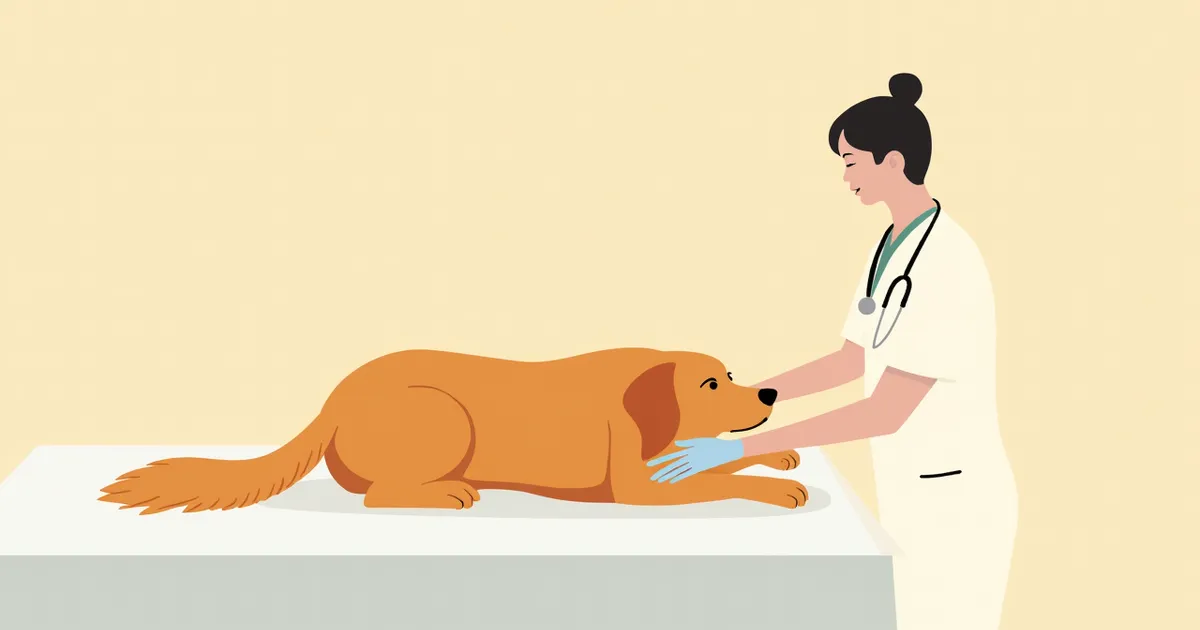
Dog Mammary Tumors FAQ — Key Information Every Pet Owner Must Know
Mammary tumors are the most common type of tumor in female dogs. We’ve compiled a Q&A covering everything pet owners need to know, from early detection to surgery and spaying for prevention.

Complete Guide to Postoperative Recovery and Intensive Care for Cats — Key Points for Pet Owners
From the moment your cat returns home after surgery until the stitches are removed, we’ve outlined step-by-step recovery checkpoints and emergency signs that pet owners should check daily.
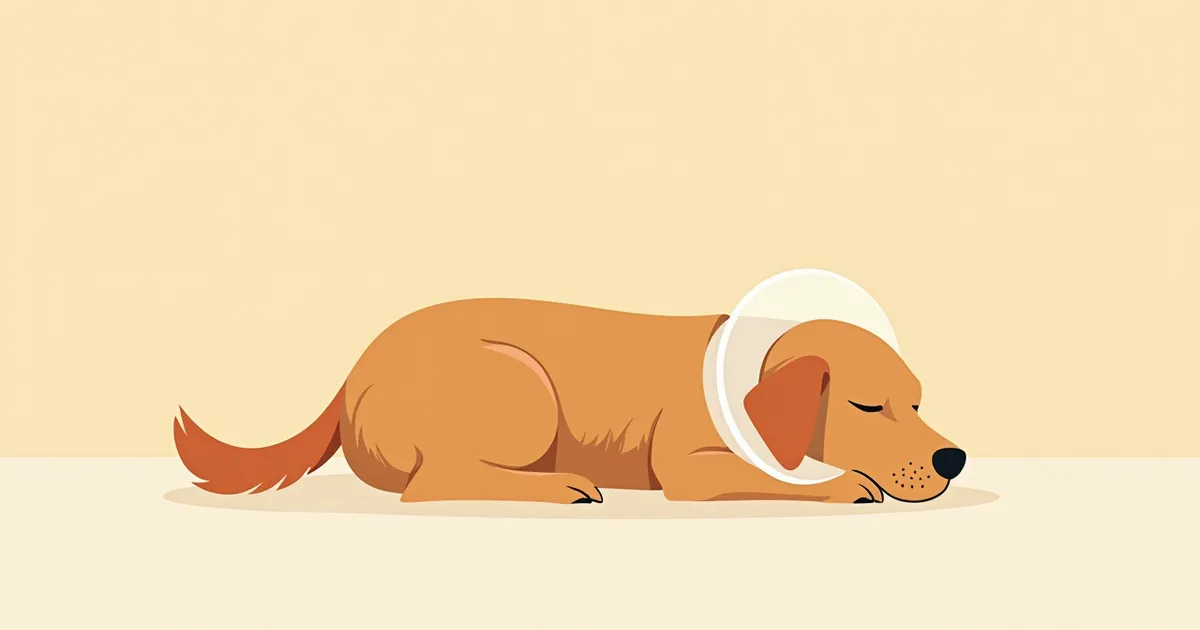
How to Care for Your Dog After Surgery — Key Recovery Steps Owners Must Follow
We’ve outlined the key steps for post-surgical care in dogs, from anesthesia recovery and wound management to activity restrictions and recognizing emergency symptoms. Intensive care during the first 48 to 72 hours after surgery is crucial in determining how quickly your dog recovers.
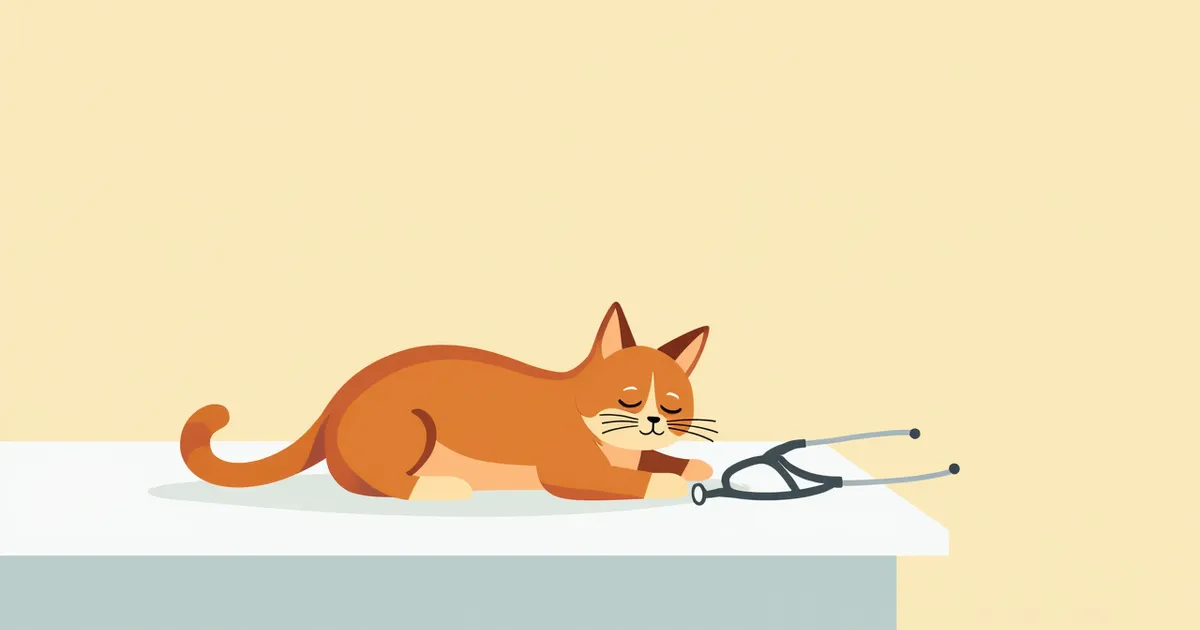
Is General Anesthesia in Cats Really Safe? — From Pre-anesthetic Tests to Risk Factors
Based on veterinary literature, I’ve compiled data on the actual mortality rate of general anesthesia in cats, age-related risk factors, essential pre-anesthetic tests, and how pet owners can prepare their cats for anesthesia.
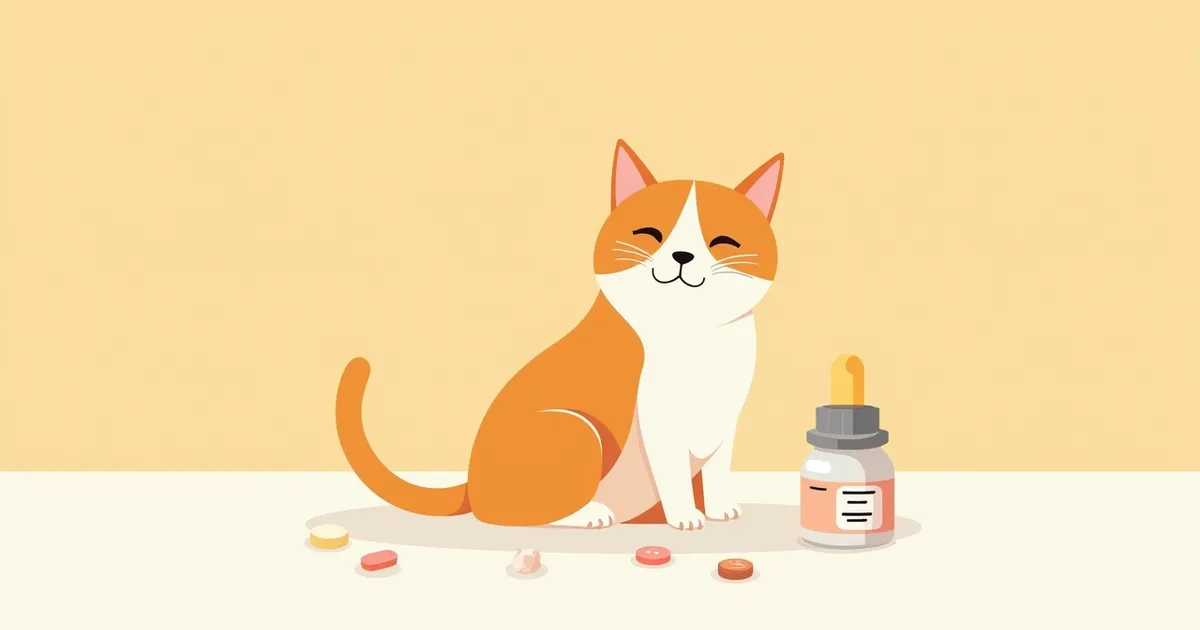
Which Cat Dewormer Should You Choose? — Differences by Type and Selection Criteria
The active ingredients in cat dewormers vary depending on the type of parasite. We’ve put together an easy-to-understand guide on which dewormer to use, when, and how, covering everything from roundworms, tapeworms, and hookworms to heartworms.
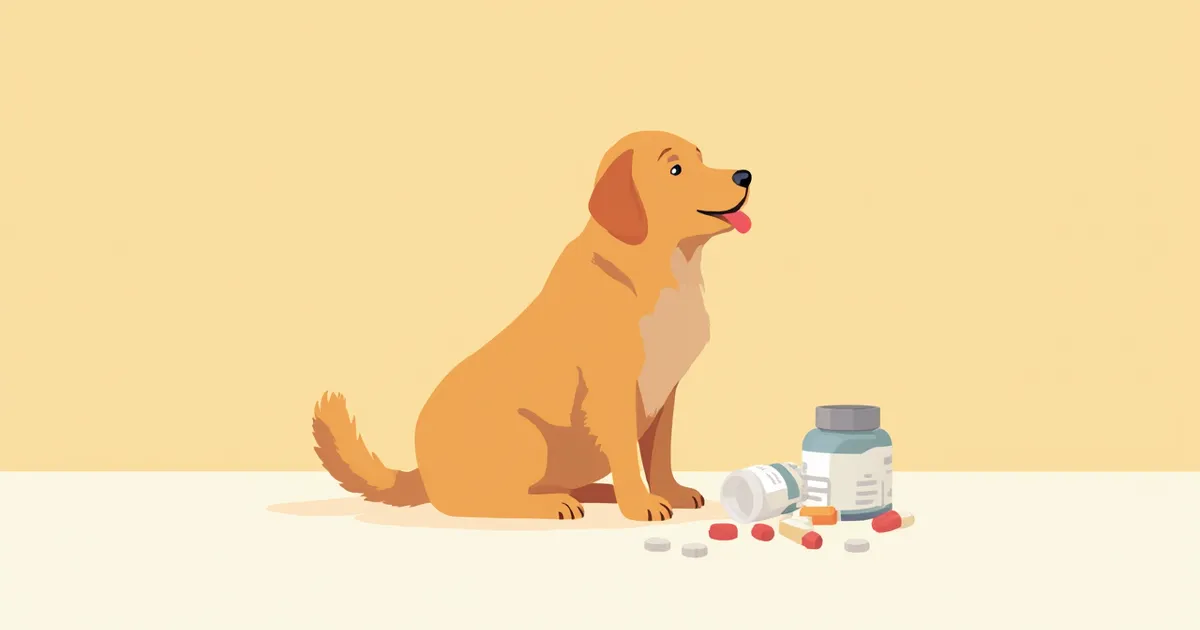
A Complete Guide to Dog Dewormer Types and Selection — Key Points for Pet Owners
We’ve compiled a guide to the key features and selection criteria for deworming ingredients that protect dogs against roundworms, hookworms, tapeworms, whipworms, and heartworms. You’ll also find age-specific dosing schedules and breed-specific precautions.
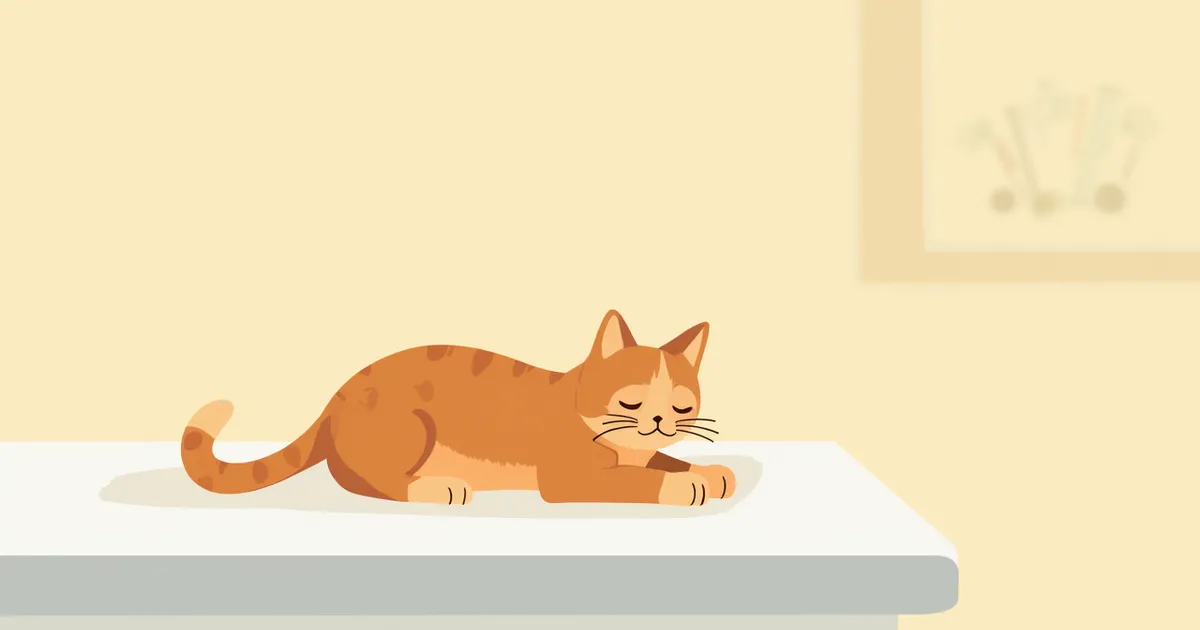
A Complete Guide to Feline Rehabilitation Physical Therapy — Key Points for Pet Owners
I’ve compiled evidence-based veterinary information on the types and benefits of feline rehabilitation physical therapy, when to start it, and how to manage care at home.

Canine Rehabilitation Physical Therapy: A Complete Guide for Pet Owners
We’ve compiled evidence-based veterinary information on the types, indications, duration, costs, and home care methods for canine rehabilitation physical therapy. Learn how to help your dog recover more quickly after surgery.