
Why Does Your Dog Tremble in the Car? — Causes of Car Anxiety and Motion Sickness, and Adaptation Training
When dogs vomit, whine, or tremble in the car, it’s usually due to motion sickness or fear and anxiety. This guide covers how to distinguish symptoms by cause, step-by-step desensitization training, and how to use veterinarian-prescribed antiemetics effectively.
Why Do Dogs Experience Car Anxiety and Motion Sickness?
Motion Sickness and Fear/Anxiety Have Different Causes
These Symptoms Are Signs of Fear or Motion Sickness

See a Veterinarian First If You Notice These Symptoms
If vomiting persists, or if you notice signs of dehydration such as dry and pale gums, or extreme panic (including self-harm or aggressive behavior), please consult a veterinarian before attempting any behavior modification. Behavioral training should only begin after medical treatment has been administered.
Step-by-Step Desensitization Training to Reduce Fear — Creating Positive Associations with the Car
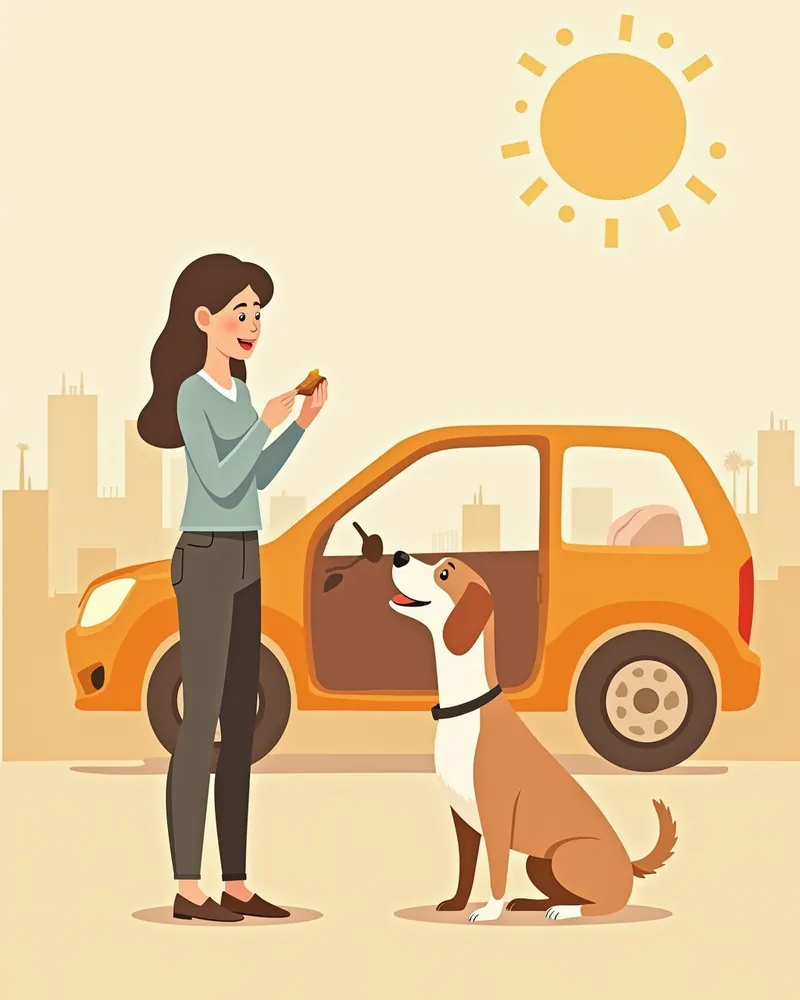
How to Help Dogs with Severe Motion Sickness
Carrier vs. Harness + Seatbelt: How to Choose?

Behaviors to Avoid During Training
Forcing your dog into the car or ignoring their anxiety can intensify their fear. Training should always proceed at your dog’s pace. If progress is too slow or aggressive behavior emerges, we recommend consulting a veterinary behavior specialist.
Reviewed by a veterinarian

Dr. Tony — Punnawat Phongkittirak
VeterinarianA veterinarian who majored in veterinary medicine at Khon Kaen University, Thailand, and completed the IVSA program at North Carolina State University in the United States. Drawing on clinical experience at animal hospitals, he works in the pet healthcare field and is dedicated to building a digital care environment that connects pet parents with veterinarians.
Reviewed 2026-06-01
Frequently Asked Questions
My dog always vomits when riding in the car. Is it motion sickness or fear?
What ingredients are in the motion sickness medications prescribed by veterinarians?
Can adult dogs improve through training?
At what age should you start training your puppy to ride in a car?
My dog seems really uncomfortable during long car rides. What should I do?
Share
Related Guides

7 Behavioral Enrichment Strategies for Mental Stimulation Recommended by Veterinarians

Top 5 Calming Supplements for Dogs and Cats in 2026

L-Theanine Effects and Calming Support

Pet Outdoor Emergency Kit: What to Pack — A Complete Guide to Essential Components and Preparation

When to Welcome a New Family Member After Losing a Pet — Signs You’re Emotionally Ready

After Saying Goodbye to a Companion — Do Surviving Pets Feel Grief Too?

How to Choose Cat Puzzle Toys — Which One Is Right for Stimulating Your Cat’s Brain?

Can I Send My Dog to a Pet Hotel? — When and How to Start Manners Training

How to Start Cafe Manners Training for Your Dog — Step-by-Step Methods to Stop Barking and Distraction
The Complete Guide to Multi-Dog Park Etiquette — From Dog Socialization to Accident Prevention
References
[1] Herron, M.E. & Shreyer, T., Veterinary Guide to Preventing Behavior Problems in Dogs and Cats, Ch. 9 Car Ride Anxiety (Table 9.3), Wiley-Blackwell, 2014
[2] Korpivaara, M., Laapas, K., Huhtinen, M. et al., Dexmedetomidine oromucosal gel for noise-associated acute anxiety and fear in dogs—a randomised, double-blind, placebo-controlled clinical study, Vet. Rec. 180(14): 356, 2017
[3] Pratsch, L. et al., Carrier training cats reduces stress on transport to a veterinary practice, Applied Animal Behaviour Science 206: 63–67, 2018