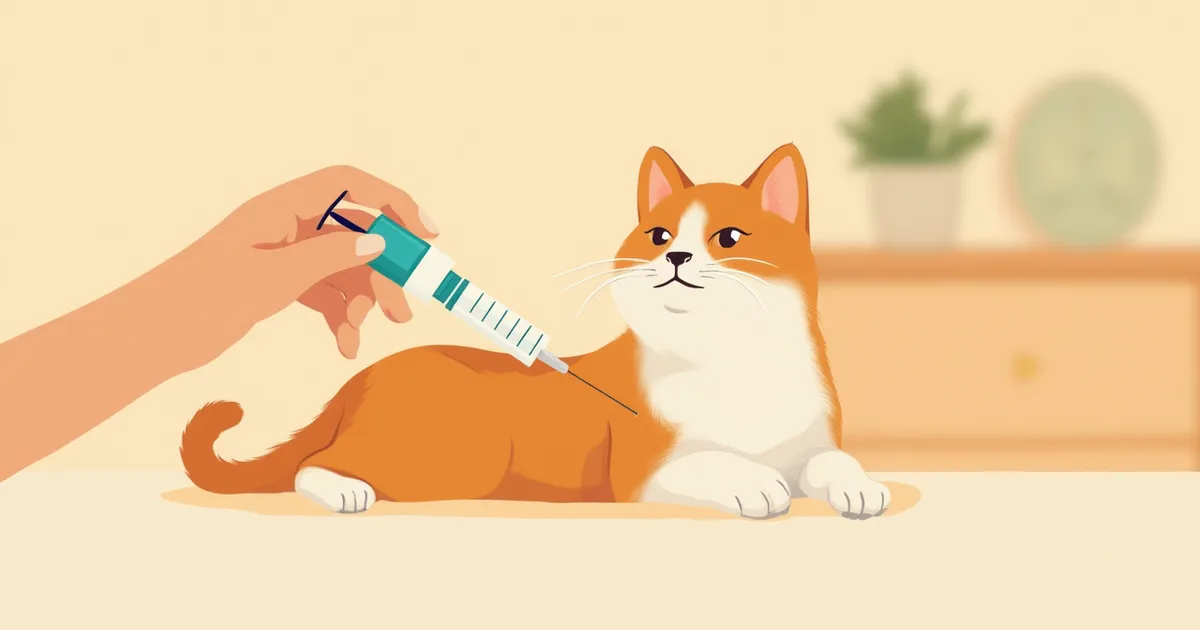
How to Administer Insulin to Cats — Key Precautions to Prevent Hypoglycemia
This is a comprehensive guide to insulin administration for cat owners managing feline diabetes. It covers essential, practical information you can implement at home, including injection techniques, emergency response for hypoglycemia, and proper storage methods.

Complete Guide to Dog Insulin Administration and Precautions — Key Points for Pet Owners
Administering insulin at home is a crucial skill that pet owners must learn to effectively manage their dog’s diabetes. Knowing the correct injection site, timing, storage methods, and emergency procedures for hypoglycemia will help you care for your pet much more safely.

What Is Prescription Dog Food? — Differences From Regular Food and Feeding Principles
We’ve put together a clear, owner-friendly guide to the key principles of feeding prescription dog food, the differences between types, how to transition your dog properly, and important precautions to keep in mind during feeding.

Cat Anticonvulsant Medication: Key Points on Side Effects and Administration Management
Never stop your cat’s anticonvulsant medication abruptly; regular blood tests and careful tracking of doses are essential. Here’s a clear overview of the different types of medications, how to administer them, and how to monitor for side effects.

The Ultimate Guide to the Causes of Canine Stereotypic Behavior and Behavior Modification/Treatment Methods
We’ve compiled essential information for pet owners, covering everything from the causes of compulsive behaviors in dogs to behavior modification, medication, and home care strategies.

My Cat Is Urinating Outside the Litter Box — Is It a Simple Mistake or a Sign of Disease?
When cats urinate outside the litter box, this inappropriate elimination behavior is often caused by a combination of medical and behavioral factors. We’ve outlined a step-by-step approach, from diagnosing the underlying cause to implementing environmental and behavioral modifications.

Why Does Feline Cognitive Dysfunction Occur? — Causes, Behavioral Modification, and Treatment
We’ve compiled a veterinary-backed guide on the causes, symptoms, treatment, and behavioral modification strategies for cognitive dysfunction syndrome (CDS) in cats aged 11 and older.

A Complete Guide to the Causes, Behavioral Modifications, and Treatment of Canine Cognitive Dysfunction
Canine cognitive dysfunction is a condition in older dogs where cognitive and behavioral functions gradually decline due to brain aging. We’ve compiled a comprehensive guide covering everything from causes to medication and at-home behavioral modifications, all based on veterinary expertise.

If Your Cat Repeats the Same Behavior — Signs of Compulsive Disorder and Treatment
Feline compulsive disorder is a behavioral medical condition characterized by repetitive, uncontrollable behaviors such as excessive grooming, vocalizing, and chewing. This guide covers everything from causes and diagnosis to behavior modification techniques and pharmacological treatments, all based on veterinary literature.

What is Canine Compulsive Disorder? — From Causes to Behavioral Modification and Treatment Timing
We’ve compiled a veterinary-evidence-based overview of canine compulsive disorder, covering causes, symptoms, behavioral modification techniques, and pharmacological treatments. Learn how to recognize early warning signs such as tail chasing, repetitive licking, and air snapping, and take prompt action.

How to Use Medication for Canine Noise Phobia — From Types to Timing
We’ve clearly outlined the effects and optimal timing for four medications commonly prescribed for thunderstorm and firework phobia in dogs: trazodone, gabapentin, Sileo®, and clonidine. We’ve also covered environmental management and desensitization training, which are just as important as medication.

Where Do Cat Tapeworms Come From? — The Flea Infection Cycle and Deworming Timing
Most cats become infected with tapeworms, an intestinal parasite, by ingesting fleas. A key sign is the presence of rice-grain-like segments around the anus, and it’s essential to treat with deworming medication while simultaneously managing fleas.

What are hookworms in puppies? — Why do anemia and weight loss occur?
Hookworms in dogs are parasitic worms that cause anemia and weight loss by feeding on blood. This guide covers everything from early warning signs like pale gums and black stools, to diagnosis via fecal testing, deworming treatment, and prevention of reinfection.

Can Dogs Eat Macadamia Nuts? — Toxicity Symptoms and Emergency Response
Even a small amount of macadamia nuts—just 0.7 grams per kilogram of body weight—can cause hind leg weakness and tremors in dogs. Here’s a clear guide to help you assess the urgency based on symptoms, provide home care, and know when to visit the vet.

What is Canine Addison’s Disease? — Emergency Shock and Lifelong Hormone Management
We’ve put together a clear, owner-friendly overview of canine Addison’s disease, including its definition, warning signs of an Addisonian crisis (emergency shock), and key points for lifelong hormone replacement therapy and home care.

Feline Skin Cancer (Squamous Cell Carcinoma) in White Cats — Sun Exposure and Prevention Guide
White or light-colored cats are prone to developing squamous cell carcinoma on their noses, ear tips, and eyelids due to cumulative UV exposure. If detected during the actinic keratosis stage, progression can be prevented.

Is Your Cat’s Bad Breath a Sign of Cancer? — Suspected Symptoms of Oral Squamous Cell Carcinoma and an Early Detection Checklist
Feline oral squamous cell carcinoma is the most common malignant tumor in cats, accounting for 70–80% of all oral tumors. We’ve outlined the early warning signs—such as bad breath, drooling, and decreased appetite—along with guidelines for when to visit the clinic, and the diagnostic and treatment process.

How Much Does Radiation Therapy for Dogs Cost? — Per-Session Estimates by Tumor Type and How to Find a Hospital
The cost of radiation therapy for dogs varies widely depending on the type of tumor and treatment protocol, ranging from around $1,000 for palliative care to approximately $7,000 for curative treatment. We’ve compiled a comprehensive guide from a pet owner’s perspective, covering key cost factors, available hospitals in Korea, and how to utilize pet insurance.
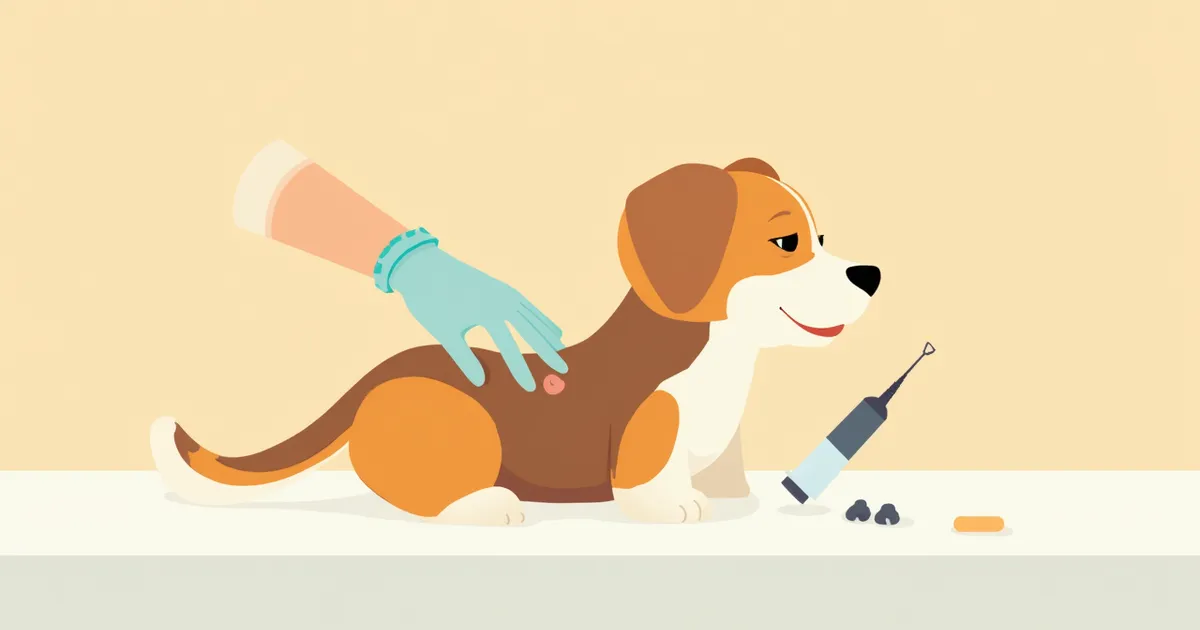
How much does a dog’s tumor biopsy cost? — How does accuracy vary by test type?
The cost of a dog’s biopsy ranges from $40 to $600 depending on the type, with significant differences in accuracy and anesthesia burden. We’ll walk you through how to choose step-by-step—from FNA to excisional biopsy—based on the tumor’s location, size, and suspected malignancy.

My Dog Collapsed Suddenly — Emergency Shock Signs and Survival Prognosis for Splenic Hemangiosarcoma
Canine hemangiosarcoma is the most common malignant vascular tumor of the spleen. Because splenic rupture can cause sudden shock with a very narrow window for effective intervention, it’s crucial for pet owners to recognize emergency warning signs. This guide provides a clear overview of the diagnostic, surgical, and chemotherapy process, along with realistic prognostic expectations.

Preventing Mammary Tumors in Dogs — Spaying Timing and Risk Reduction Effects
Mammary tumors in dogs are one of the most preventable cancers, with spaying before the first heat cycle reducing the risk to as low as 0.5%. We’ve put together a comprehensive guide covering age-related risk levels and how to perform at-home checks.

Can Cats Wear Tick Collars? — Ingredient Checklist to Prevent Permethrin Poisoning
The safety of tick collars for cats varies significantly depending on their ingredients. In particular, permethrin-based products are lethal to cats and must be avoided at all costs.

Cat Antifreeze Poisoning — Why It Progresses Faster Than in Dogs
Antifreeze poisoning in cats is a medical emergency in which ethylene glycol accumulates in the kidneys, causing acute kidney failure. We’ve outlined why it progresses more rapidly in cats than in dogs—even with smaller amounts—and what emergency steps to take.

Emergency Response for Cat Exposure to Dangerous Spring Flowers — Tulips, Azaleas, Daffodils
This guide for pet owners outlines the most dangerous spring flowers for cats—such as tulips, azaleas, daffodils, and lilies—and explains emergency response steps based on the six-hour golden window, all according to veterinary toxicology textbook standards.