
If Your Cat Is Constantly Losing Weight — Symptoms and Diagnosis of Hyperthyroidism
Feline hyperthyroidism is a common endocrine disorder in older cats, making early diagnosis and appropriate treatment essential. Here’s a summary of key information every pet owner should know.
Do Cats Need to Take Thyroid Medication for Life? — Drug Therapy Efficacy and Side Effects
Here’s a summary of the essential information pet owners need to know about medication for feline hyperthyroidism. Check out everything from medication selection to side effects and management tips.

My Cat Has High Blood Sugar — Is This a Sign of Diabetes? Causes and Tests
Feline hyperglycemia is closely linked to diabetes, making early detection and management crucial. Here’s a summary of the key information every pet owner should know.
Feline Hypercalcemia FAQ — Key Information Every Pet Owner Should Know
Feline hypercalcemia is a condition characterized by elevated calcium levels. We’ve compiled the essential information pet owners need to know about its causes, symptoms, and treatment options.
Feline Hyperaldosteronism FAQ — Key Information Every Pet Owner Should Know
Feline hyperaldosteronism is an endocrine disorder caused by excessive secretion of aldosterone from the adrenal cortex, leading to high blood pressure and low potassium levels. We’ve compiled the essential information every pet owner should know in a Q&A format.

What is a cat blood glucose curve monitoring? How to measure and interpret it at home
Monitoring a cat’s blood glucose curve is essential for effective diabetes management. Based on frequently asked questions from pet owners, we’ll guide you toward a clear understanding and practical steps for care.
Should Cats Undergo a Comprehensive Endocrine System Checkup? — A Complete Guide to Test Items and Timing
A comprehensive endocrine system checkup for cats is a key test for early detection of major diseases such as diabetes and hyperthyroidism. We’ve organized the essential information every pet owner should know in a Q&A format.

What is Feline Endocrine Hypertension? Early Detection Signs to Prevent Blindness and Kidney Failure
Feline endocrine hypertension is a common condition, and early detection and management are crucial. We’ve summarized the key information every pet owner should know.

What is feline ectopic ACTH syndrome? — What symptoms should you look for?
Feline ectopic ACTH syndrome is an endocrine disorder caused by excessive production of adrenal cortex hormones. Early diagnosis and appropriate management are essential.
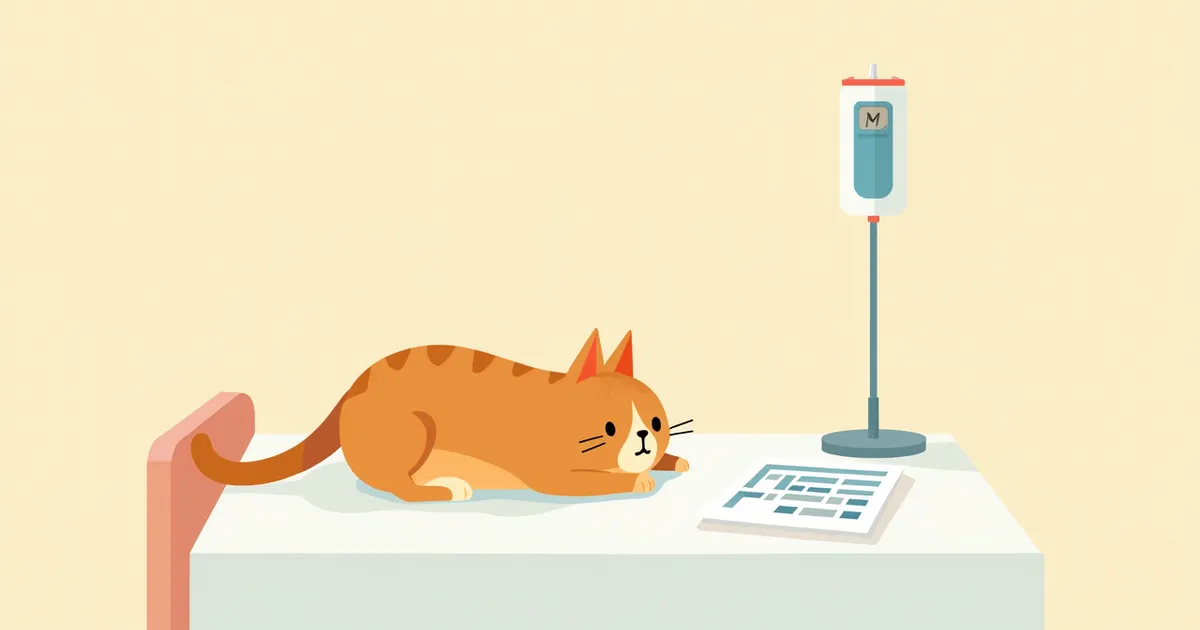
What is Feline Diabetic Ketoacidosis? — Emergency Warning Signs You Must Not Miss
Feline diabetic ketoacidosis is an acute, life-threatening condition, making early recognition and intervention crucial. Here’s a summary of the key information every pet owner should know.
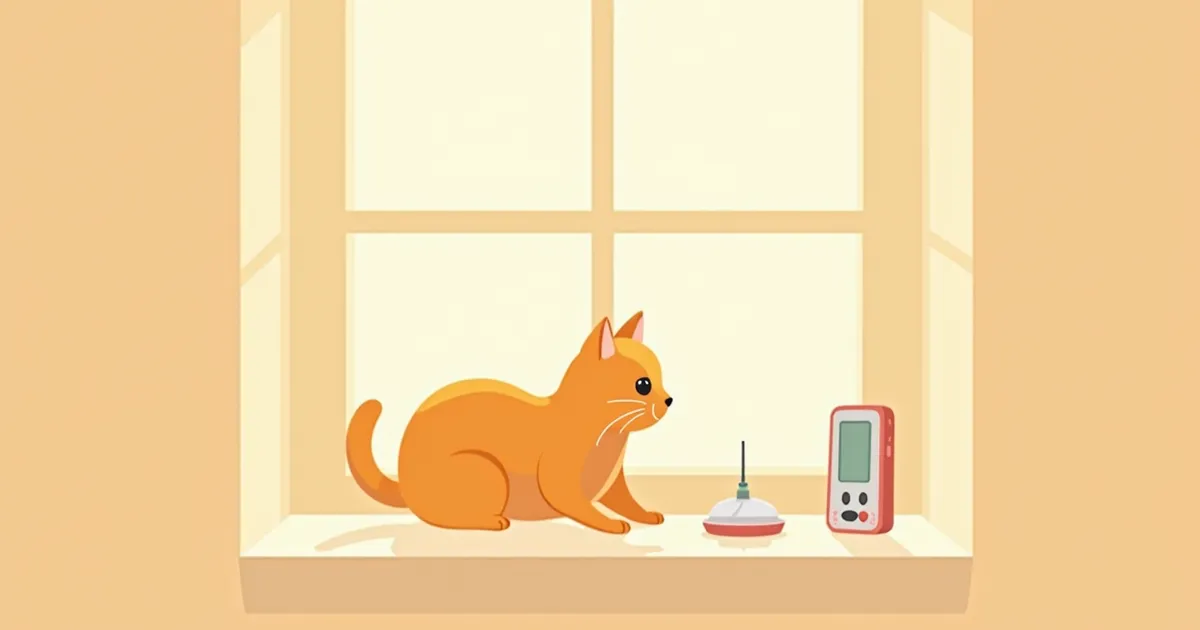
What is feline diabetes? — From polydipsia and polyuria signs to insulin management
Early detection and consistent management are key to feline diabetes. We’ve compiled the essential questions and answers every pet owner should know.

Frequently Asked Questions About Feline Diabetes Insipidus — Key Points Pet Owners Must Know
Feline diabetes mellitus is an endocrine disorder characterized by excessive thirst and frequent urination. For early detection and effective management, it is essential for pet owners to accurately understand the causes and appropriate care strategies for this condition.

What is Feline Acromegaly? — The Real Reason Insulin Isn’t Working and Diagnosis
Feline acromegaly is a rare endocrine disorder caused by excessive growth hormone production. It often occurs alongside diabetes, making early detection crucial.

My Dog Growls and Guards Its Toys — Is Resource Guarding Normal?
While a dog guarding its toys can be an instinctive response, excessive guarding can lead to problems. Here’s a summary of the key causes and solutions that owners should know.
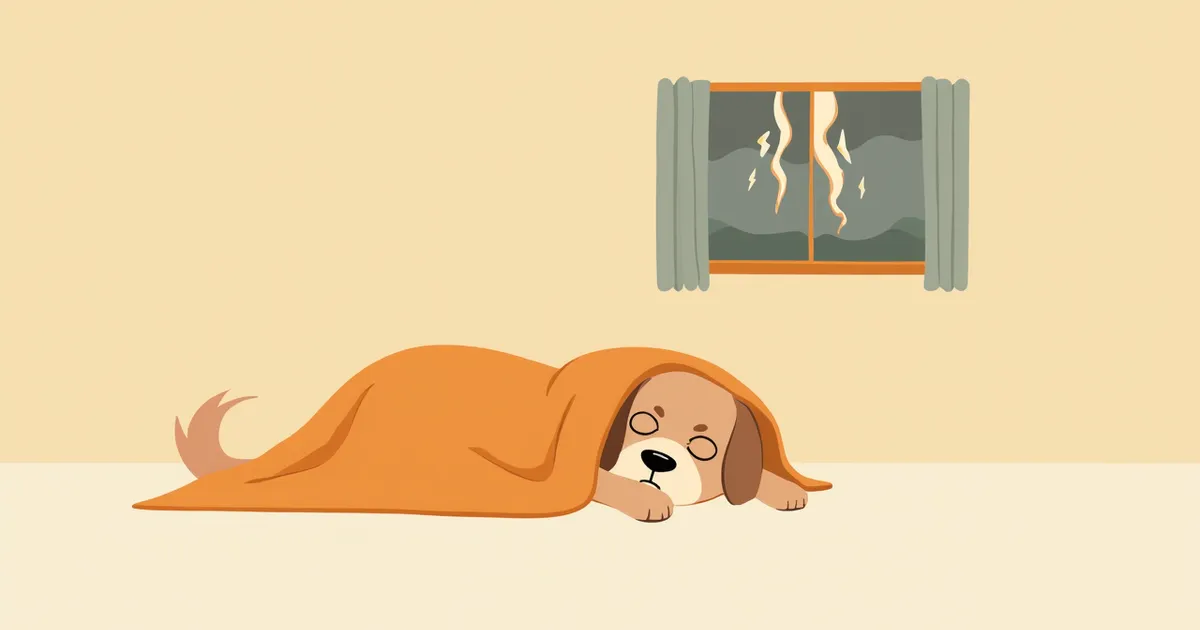
What is thunderstorm phobia in dogs? — Why are they afraid and how to calm them down
Thunderstorm phobia in dogs is a behavioral disorder characterized by an excessive fear response to sudden noises. Knowing the right way to handle it can significantly reduce your dog’s stress.

My Puppy Trembles at Strangers and New Environments — Is It Due to Insufficient Socialization?
We’ve compiled the most common questions from pet owners about insufficient socialization in dogs, covering causes, symptoms, and correction methods, all based on veterinary behavior science.
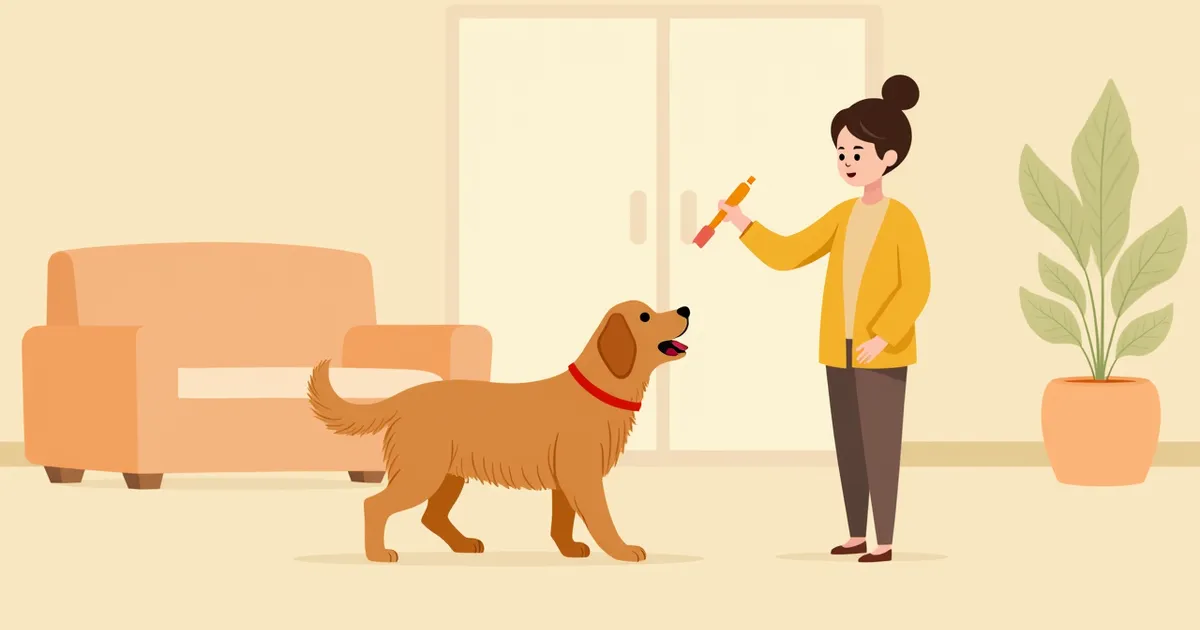
How to Correct Puppy Biting — When Will the Biting Habit Disappear?
We’ve compiled the key points about correcting biting behavior in dogs into a Q&A format, covering everything from why dogs bite to age-appropriate correction methods and when to seek professional advice.

Why Does a Dog’s Hunting Instinct Become Excessive? — How to Correct Chasing and Biting Behaviors
We’ve compiled a Q&A guide to help pet owners understand the causes, warning signs, and safe management strategies when a dog’s hunting instinct becomes excessive.
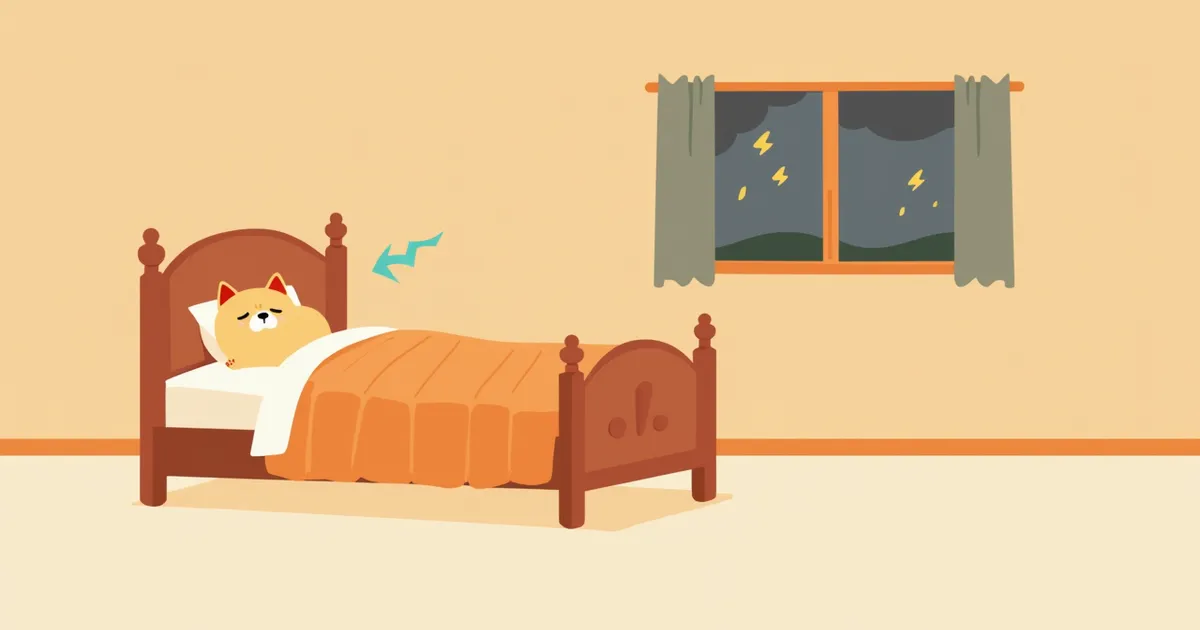
Our Dog Trembles at Thunder and Fireworks — Is It Noise Phobia?
Canine noise phobia is a behavioral issue where dogs exhibit excessive fear responses to loud noises such as thunderstorms and fireworks. We’ve compiled the most frequently asked questions from pet owners along with evidence-based veterinary answers in one place.

My Dog Is Too Excited — Causes and Management of Overexcitement and Impulse Control Issues Q&A
Excessive excitement and impulse-control issues in dogs result from a complex interplay of genetics, environment, and learned behaviors. We’ve outlined a step-by-step approach, starting with ruling out medical causes, followed by practical behavior modification techniques you can implement at home, and guidance on when to seek professional help.

What are indoor elimination accidents in dogs? — Why do they recur and how can they be corrected?
If a house-trained puppy suddenly starts having repeated indoor accidents, it’s important to first determine whether the cause is medical or behavioral. We’ve compiled the most commonly asked questions from pet owners about causes, solutions, and when to visit the vet in a Q&A format.

Why Does Your Puppy Growl at Other Dogs? — Warning Signs and Correction Timing
Dog-on-dog aggression in puppies is a behavioral issue stemming from a combination of stress, anxiety, and wariness. Knowing the right way to respond can help reduce the risk.
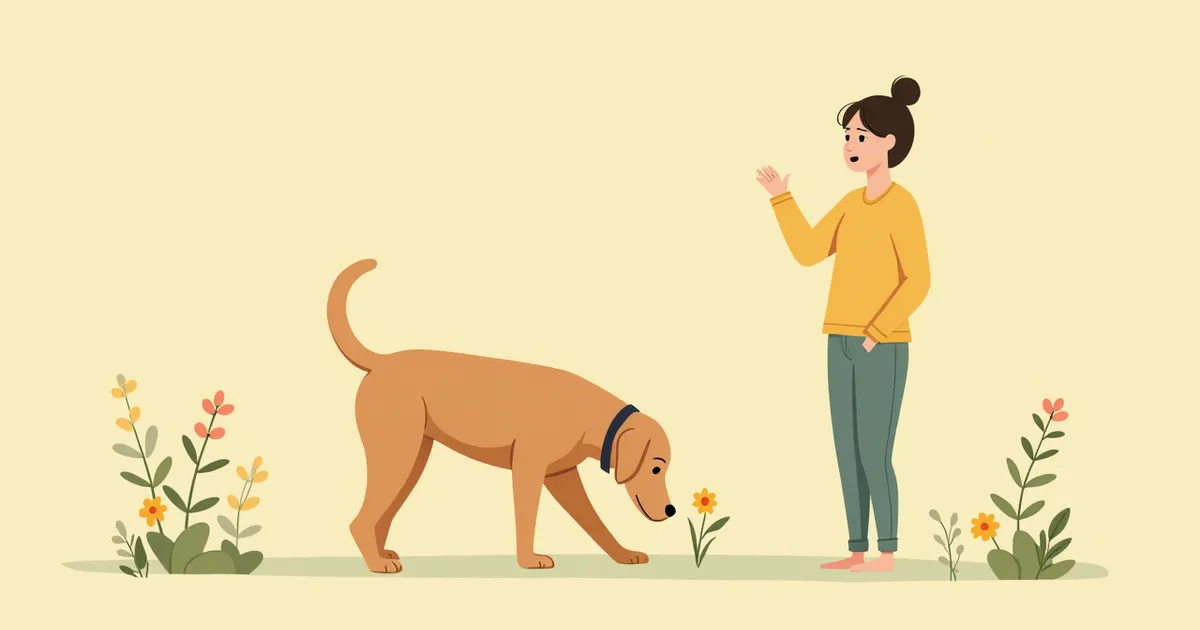
Why Is My Puppy Eating Poop? — Q&A on Coprophagia Causes and When to See the Vet
We’ve put together a clear Q&A to help pet owners understand the causes of coprophagia (feces-eating) in dogs, behavior modification techniques, and when to visit the vet.
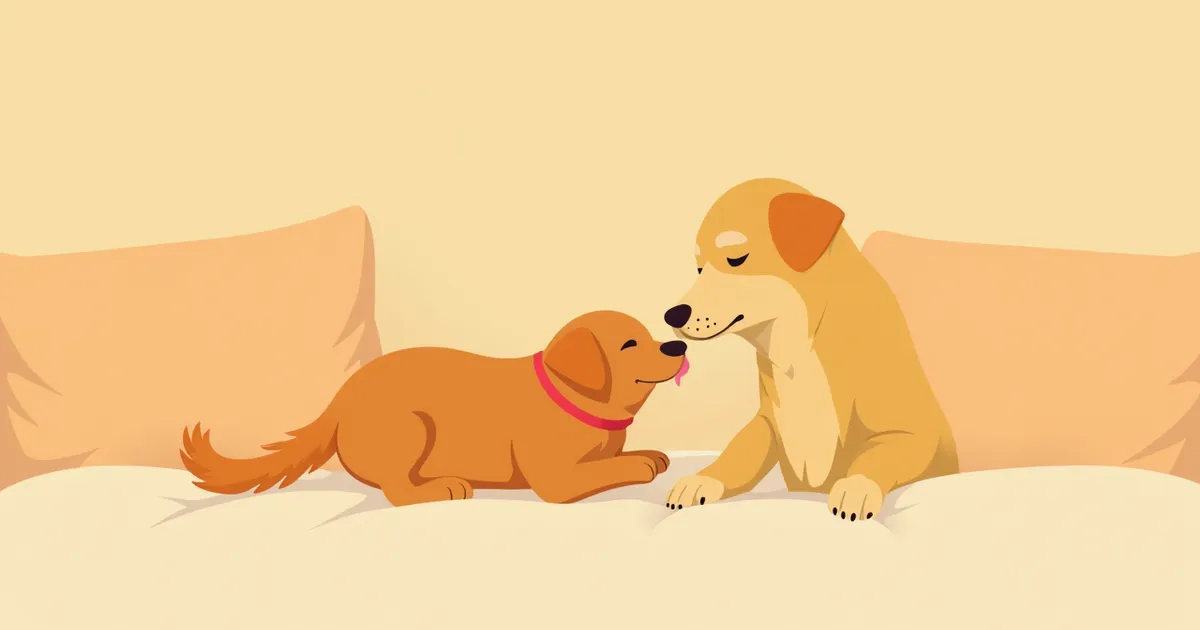
Why Does Your Dog Keep Licking and Chewing? — Key Causes and Management of Compulsive Behavior
Dogs’ compulsive licking and chewing are not mere habits but behavioral disorders rooted in physical or psychological causes. We’ve compiled the essential information pet owners need to know—from identifying the underlying causes to treatment and home care—in a Q&A format.