
If Your Cat’s Eyes Look Cloudy — Causes of Corneal Edema and When to Visit the Vet
Feline corneal edema is an urgent ophthalmic condition that can cause vision loss and pain. Here’s a Q&A summary of the key information pet owners should know.

Why Is My Cat’s Eye Red and Swollen? — Causes of Conjunctivitis and When to Visit the Vet
Feline conjunctivitis typically presents with excessive tearing and redness of the eyes, most commonly caused by viral or bacterial infections. With early diagnosis and appropriate treatment, the condition is usually fully curable.

If Your Cat’s Pupil Looks Cloudy — Key Q&A on Cataract Causes and When to Treat
Feline cataracts are an eye condition that can lead to vision loss, making early detection and management crucial. Here’s a summary of key information every pet owner should know.
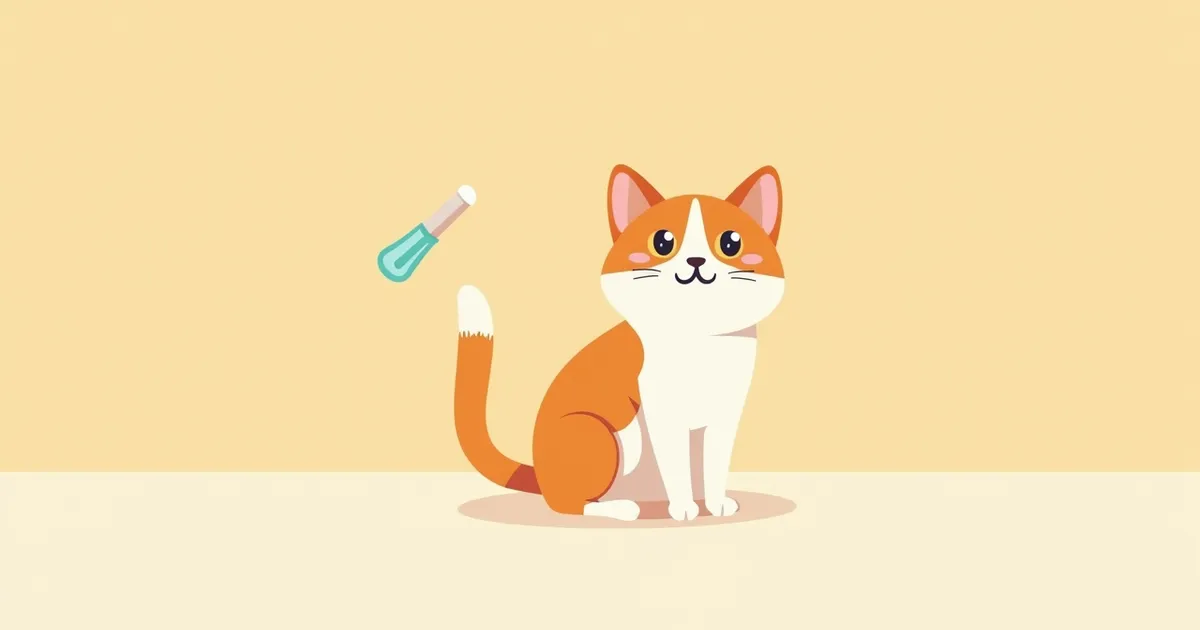
What is Phacoemulsification? — Cat Cataract Surgery Cost, Recovery, and Success Rate Q&A
Cataract surgery in cats is performed safely and effectively using phacoemulsification, with pre- and post-operative care being crucial. Here are the key questions and answers that pet owners should know.

Can My Blind Pet Still Be Happy? — Essential Guide to Caring for Blind Pets
Cats and dogs that are blind may find daily life challenging due to their visual impairment. Here’s a summary of essential care tips and coping strategies that pet owners should know.

If You Feel a Lump on Your Dog’s Neck — Essential Q&A for Owners on Thyroid Nodules and Cysts
Although thyroid nodules and cysts in dogs are usually asymptomatic, early detection is crucial. Please have your veterinarian check for any risks during regular check-ups.
Suspected Canine Thyroid Cancer — Key Q&A on Symptoms, Diagnosis, and Survival Rates
Canine thyroid cancer is uncommon, but early detection is crucial. Here’s a summary of the symptoms, diagnostic methods, and treatment options that pet owners should know.

Why Is My Dog Losing Hair Symmetrically? — Symptoms and Treatment of Sex Hormone-Related Skin Conditions
Skin conditions related to sex hormones in dogs are caused by hormonal imbalances, leading to hair loss and flaky skin. We’ve compiled the essential information every pet owner should know in a Q&A format.

If Your Dog’s Flank Hair Falls Out Seasonally — Key Q&A on Seasonal Alopecia
Seasonal alopecia in dogs is a chronic hair loss condition caused by hormonal imbalances due to abnormal responses to growth hormones. Here’s a summary of key information pet owners should know.

My puppy is acting strange after birth — could it be a hormonal abnormality during pregnancy or lactation?
Abnormalities caused by hormonal changes during pregnancy and lactation in dogs are important signs that pet owners should be aware of. This content addresses frequently asked key questions.

What is primary hyperparathyroidism in dogs? — Why blood calcium levels are high
Primary hyperparathyroidism in dogs is an endocrine disorder characterized by elevated calcium levels due to excessive production of parathyroid hormone. Early detection and proper management are key.

Hormonal Changes After Dog Neutering: Is It Normal? — Causes and When to Visit the Vet
Here’s a roundup of the most common questions pet owners have about hormonal changes after neutering their dogs. I’ll walk you through everything in detail, including changes in the heat cycle, behavioral shifts, and the reasons behind weight gain.
Dog Pituitary Tumor FAQ — Key Information Every Owner Must Know
Pituitary tumors in dogs are growths that develop in the pituitary gland, often leading to symptoms such as leg weakness and frequent bathing due to hormonal imbalances. Early detection and management are crucial.
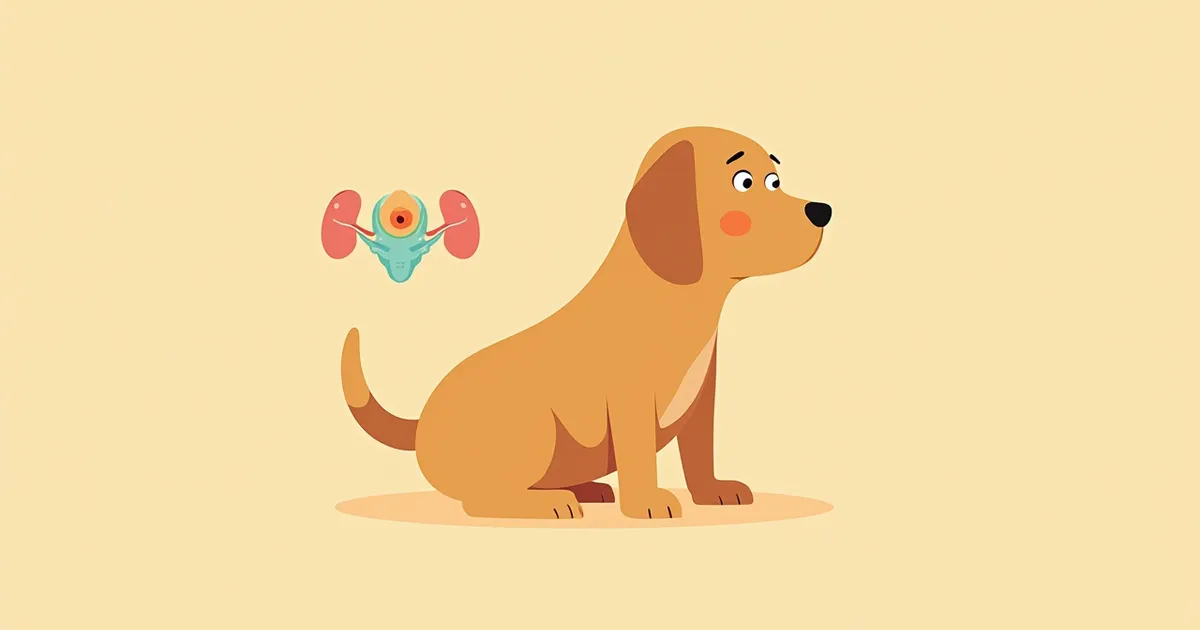
What are adrenal medullary tumors in dogs? — Pheochromocytomas, why are they dangerous?
Adrenal medullary tumors in dogs are uncommon but can cause serious hormonal imbalances. Early detection and appropriate treatment are essential.

If Your Puppy Keeps Collapsing — Causes and Warning Signs of Tumor-Induced Hypoglycemia
Hypoglycemia caused by tumors in puppies is rare but can be life-threatening. Here’s a Q&A summary of the key information every pet owner should know.
Why isn't my puppy growing? — Causes and diagnostic timing for canine hypopituitarism
Canine hypopituitarism is a rare condition in which the pituitary gland’s overall function declines, leading to insufficient hormone production. Early diagnosis and management are key.
Canine Obesity and Insulin Resistance: Signs to Know Before Diabetes Develops
Canine obesity can lead to insulin resistance. Here’s a summary of key questions and answers that pet owners should know.

What is Canine Insulinoma? — Hypoglycemia Signs You Must Not Miss
Canine insulinoma is a pancreatic tumor that secretes excessive amounts of insulin, leading to hypoglycemia and causing significant concern for pet owners. In this article, we’ll address the key questions you may have.

Frequently Asked Questions About Hypoglycemia in Puppies — Key Information Pet Owners Must Know
Hypoglycemia in puppies is a dangerous condition that can lead to shock due to a rapid drop in blood sugar levels. Here’s a summary of the key information pet owners should know.
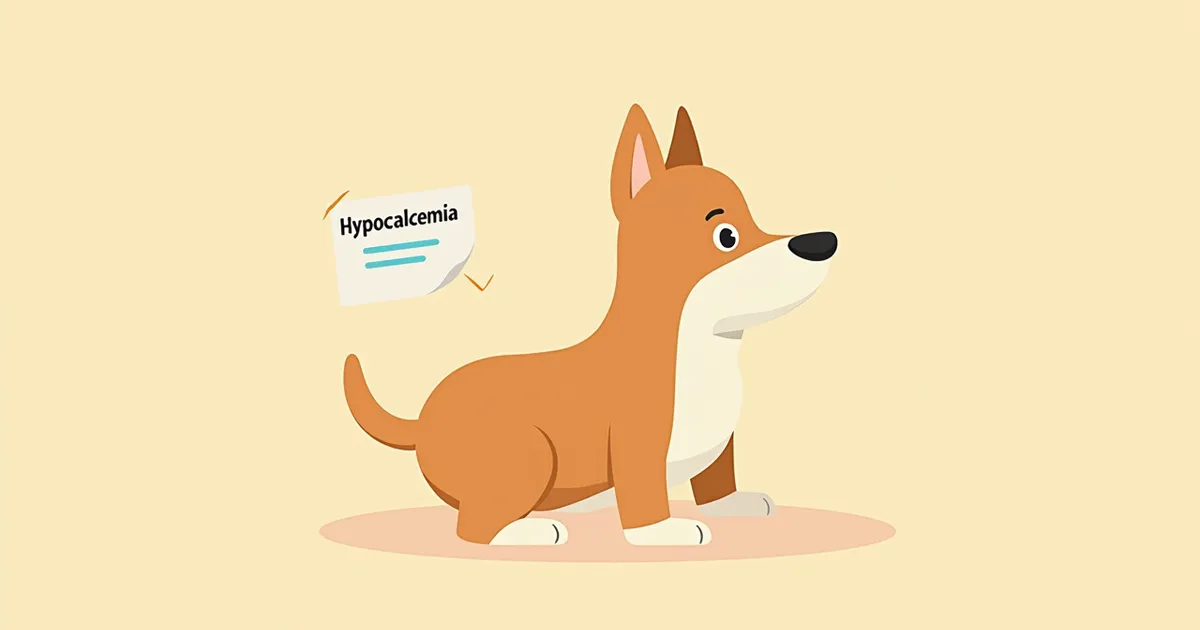
What Is Hypocalcemia in Dogs? — Warning Signs You Can’t Miss and Emergency Response
Hypocalcemia in dogs is a dangerous condition in which low calcium levels can cause muscle spasms, restlessness, and even shock. Here’s the key information every pet owner should know.
What is Canine Addison’s Disease? — Warning Signs of Adrenal Crisis You Must Not Miss
Canine hypoadrenocorticism (Addison’s disease) is a rare endocrine disorder caused by a deficiency of hormones. Early diagnosis and proper management are essential for survival.

Canine Hyperglycemia FAQ — Key Information Every Pet Owner Should Know
Canine hyperglycemia is an endocrine disorder closely linked to diabetes, making early detection and management essential. Here’s a summary of the key information every pet owner should know.

Dog Hypercalcemia FAQ — Key Information Every Owner Must Know
Hypercalcemia in dogs is an endocrine disorder characterized by elevated calcium levels that lead to a variety of symptoms. Early detection and appropriate treatment are essential.
When should you get a comprehensive endocrine system checkup for your dog? — What items are checked?
A comprehensive endocrine system checkup for dogs is a key test for early detection of hormonal imbalances. Here’s a summary of essential questions and answers that pet owners should know.