
What Is Lens Luxation in Dogs? — Timing for Emergency Surgery to Prevent Blindness
Lens luxation in dogs is an emergency condition that can cause sudden vision loss and pain. Here’s the essential information every pet owner should know.
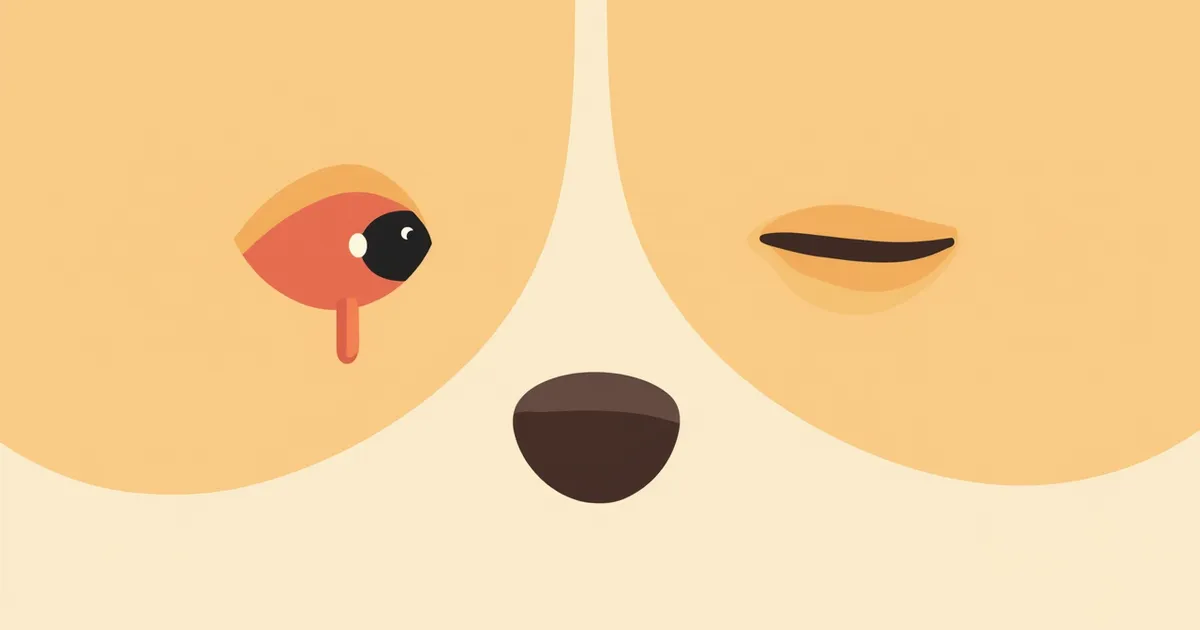
What is Canine Keratoconjunctivitis Sicca (KCS)? — How to Recognize Symptoms of Insufficient Tear Production
Keratoconjunctivitis sicca (KCS), commonly known as dry eye in dogs, is a condition in which insufficient tear production leads to dryness and inflammation of the eyes. Early detection and proper management are essential.
Should You Definitely Use Cyclosporine for Canine Dry Eye? — A Summary of Effects and Side Effects
Keratoconjunctivitis sicca (dry eye) in dogs is a condition caused by insufficient tear production, and cyclosporine is a primary treatment. Here’s what pet owners need to know.
Tumor in My Dog’s Eye? — Early Signs of Intraocular Tumors and When to Visit the Vet
Early detection of canine anal gland tumors significantly improves treatment outcomes. Here are the key facts every pet owner should know.

What is hypertensive retinopathy in dogs? — How to prevent sudden blindness
Hypertensive retinopathy in dogs is a condition where high blood pressure causes damage to the retina. Early detection and management are key to preserving vision.

If Your Dog’s Eye Has Protruded — Proptosis First Aid and the Golden Hour
Canine eye protrusion is an acute emergency. It’s essential to understand the breeds at risk, underlying causes, immediate first aid steps, and treatment options. We’ve compiled the key information every pet owner should know in a Q&A format.

How to Decide on Glaucoma Treatment in Dogs: Key Points for Choosing Between Medication and Surgery
Glaucoma in dogs is a serious condition that can lead to rapid vision loss. We’ve compiled the essential information pet owners need to know about the effectiveness, timing, and side effects of medication and surgical treatments.

What Is Canine Glaucoma? — Warning Signs You Must Not Miss Before Vision Loss
Canine glaucoma is a serious eye condition that can lead to vision loss. We’ve compiled the essential information every pet owner should know in a Q&A format.
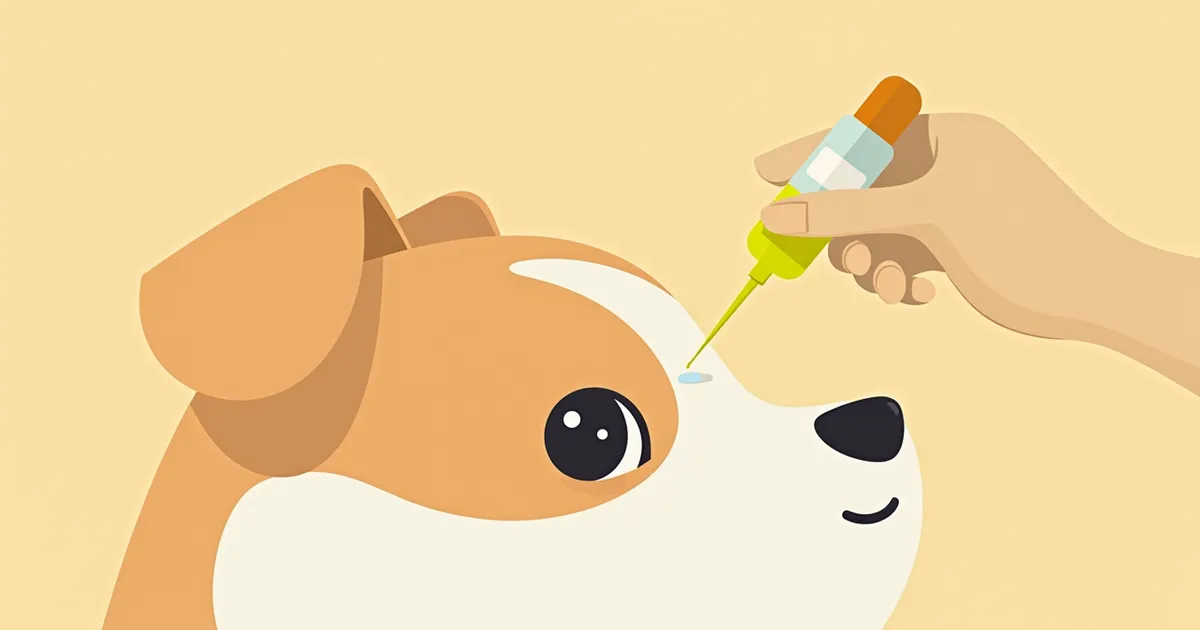
Dog Fluorescein Staining Corneal Exam FAQ — Key Information Every Pet Owner Should Know
Fluorescein staining is a key diagnostic test frequently used to accurately assess corneal damage when your dog shows signs of eye abnormalities. Here’s a summary of the essential information every pet owner should know.

If Your Dog Has a Lump on Its Eyelid — Distinguishing Benign from Malignant Eyelid Tumors and How to Respond
Canine eyelid tumors are growths that develop around the eye. While most are benign, some can be malignant, making early detection and accurate diagnosis crucial.
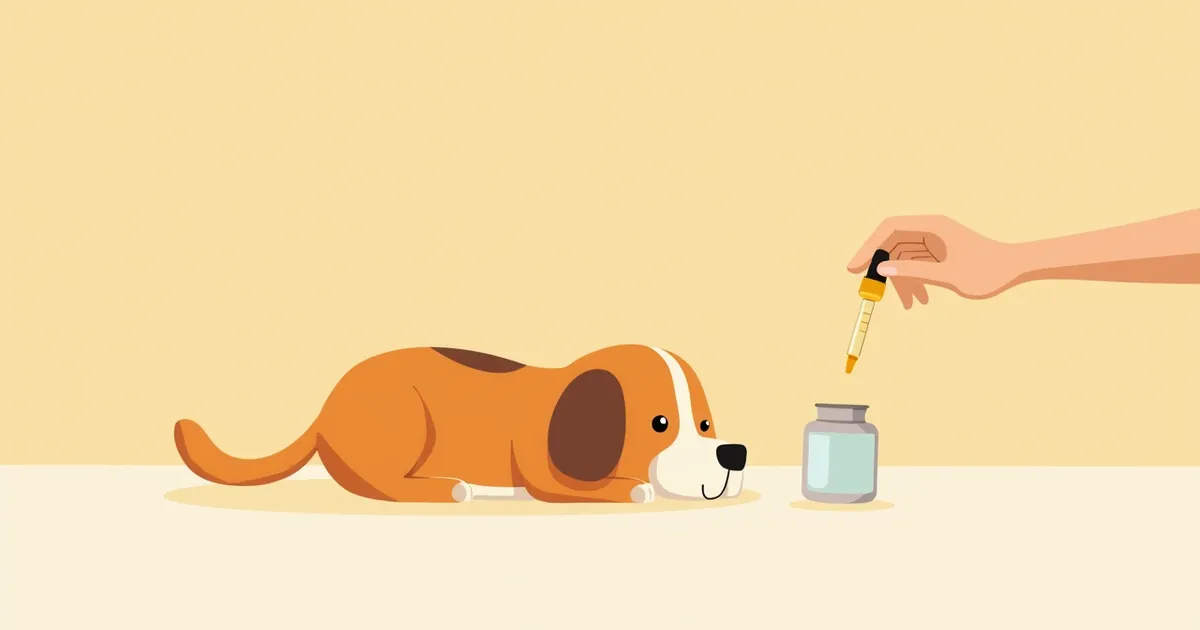
Why Is Giving Eye Drops to My Dog So Hard? — Administration Techniques That Work Even for Resistant Puppies
Administering eye drops to your dog requires the correct technique. Here’s a summary of the points that often confuse pet owners.

Why Is My Dog Producing So Much Tear? — Causes of Tear Stains and Management Methods
Excessive tearing and tear stains in dogs can be more than just a cosmetic issue—they may signal an underlying health concern. Here’s a summary of the key causes and management strategies that every pet owner should know.

If Your Dog Keeps Rubbing Their Eyes — Causes of Entropion and Surgical Timing
Entropion in dogs is a condition where the eyelid rolls inward, causing irritation to the eye. Early detection and treatment are essential to prevent vision loss. Here’s a summary of the key information every pet owner should know.

What Are Diabetic Cataracts in Dogs? — What Signs Appear Before Vision Loss
Cataracts in diabetic dogs can progress rapidly and lead to vision loss. Here’s a summary of the symptoms, causes, and management strategies that pet owners should know.

If Your Dog Can’t Keep Its Eyes Open — Causes of Corneal Ulcers and When to Visit the Vet
Corneal ulcers in dogs are a painful eye condition that requires prompt treatment. Here’s a summary of the key information pet owners should know.

What Is Corneal Pigmentation in Dogs? — Causes of Dark Film on the Eyes and Management
Corneal pigmentation in dogs is a common eye condition, primarily caused by genetic factors and aging. Here’s a summary of key information every pet owner should know.

If You Suspect Your Dog’s Eye Has Perforated — Emergency Signs of Corneal Perforation and When to Seek Immediate Veterinary Care
Canine corneal perforation is an emergency condition that can cause acute pain and vision loss. We’ve compiled the key information pet owners need to know in a Q&A format.

What Is Canine Corneal Edema? — Causes of Cloudy Eyes and When to Visit the Vet
Corneal edema in dogs causes cloudy, red eyes and requires immediate veterinary care. It’s essential to understand the causes and proper treatment to ensure your pet’s safety.

Frequently Asked Questions About Canine Conjunctivitis — Key Information for Pet Owners
Canine conjunctivitis typically presents with excessive tearing and redness of the eyes, and can be caused by a variety of factors including viruses, bacteria, and parasites. Early diagnosis and appropriate treatment are essential.

If a Red Mass Protrudes from Your Dog’s Eye — Causes of Cherry Eye and When to Visit the Vet
Cherry eye in dogs, or third eyelid prolapse, is a condition where a red, fleshy mass protrudes from the lower part of the eye. While it’s easy for pet owners to spot, the timing and method of treatment are crucial. Here are answers to some of the most common questions.

Frequently Asked Questions on Caring for Blind Dogs and Cats — Key Points Owners Must Know
We’ve compiled essential care guidelines and precautions for pet owners whose dogs or cats have lost their vision. From helping them adjust to visual impairment to creating a safe living environment, we share practical tips to support your furry friend.

What Are Feline Vitreous Opacities (Floaters)? — Causes and Warning Signs Q&A
Feline vitreous opacities occur when cloudy particles float in the vitreous humor, potentially affecting vision. Here’s a summary of key questions and management tips for pet owners to know.

If Your Cat’s Eyes Are Red and Painful — Signs of Uveitis and When to Visit the Vet
Feline uveitis is an inflammation of the eye that can lead to vision loss. Early detection and treatment are crucial, so we’ve compiled the key information every pet owner should know.

What Is Intraocular Pressure Measurement in Cats? — How to Diagnose Glaucoma Early
Measuring intraocular pressure in cats is essential for the early detection of serious eye conditions such as glaucoma. We’ve outlined the key procedures, equipment, and precautions that pet owners should know.