
My Dog’s Heart Is Beating Irregularly — Causes of Atrial Fibrillation and When to Seek Veterinary Care
Canine arrhythmia (atrial fibrillation) is a condition characterized by an irregular heartbeat, making early detection and proper management essential. Here’s a summary of the key information every pet owner should know.

What is Canine Aortic Stenosis? — How Do Symptoms and Prognosis Differ?
Canine aortic stenosis is a heart condition heavily influenced by genetic factors, making early detection and management crucial. Here’s a summary of the key information every pet owner should know.

Why Do Dogs Need Antiarrhythmic Medications? — Essential Q&A on Drug Types and Side Effects
This Q&A addresses common questions pet owners have about antiarrhythmic medications for dogs. We’ve compiled essential information on everything from choosing the right medication and proper administration to potential side effects and when to visit the vet.

Why Are ACE Inhibitors Used for Dogs' Hearts? — Q&A on Effects to Side Effects
Here’s a Q&A guide covering the essential information pet owners need to know about ACE inhibitors, which are commonly used to treat heart disease in dogs.

Fluid in a Dog’s Abdomen — Cardiac Ascites and Abdominocentesis, When to Visit the Vet
Canine cardiac ascites is a condition in which fluid accumulates in the abdominal cavity due to impaired heart function. It can be diagnosed and treated through abdominocentesis. Here’s a summary of the key information every pet owner should know.

My Cat’s Heart Is Beating Fast — Warning Signs of Ventricular Tachycardia and When to Go to the Vet
Ventricular tachycardia in cats is a serious condition characterized by a rapid heart rate that can threaten heart function. Here’s a summary of key information pet owners should know.

What Is Feline Ventricular Septal Defect? Key Facts From Symptoms to Prognosis
Feline ventricular septal defect is a congenital heart malformation. Although symptoms may be mild, it can lead to serious complications. We’ve compiled the key information every pet owner should know.

Assessing Heart Size on Feline Chest X-rays — From Normal Readings to Warning Signs
We’ve compiled essential information for pet owners on how to assess heart size using feline chest X-rays and what the findings mean. Early detection of abnormal heart size is crucial.

What is Feline Taurine-Deficient Cardiomyopathy? — Dietary Management and Recovery Potential
Feline taurine-deficient cardiomyopathy is a condition characterized by impaired heart function due to taurine deficiency, making early detection and supplementation crucial. We’ve compiled the essential information every pet owner should know.

What Kind of Heart Medication Is Spironolactone for Cats? — Effects, Side Effects, and Precautions for Administration
Feline heart disease can lead to impaired cardiac function, and spironolactone is used as a treatment. We’ve compiled the key information every pet owner should know.
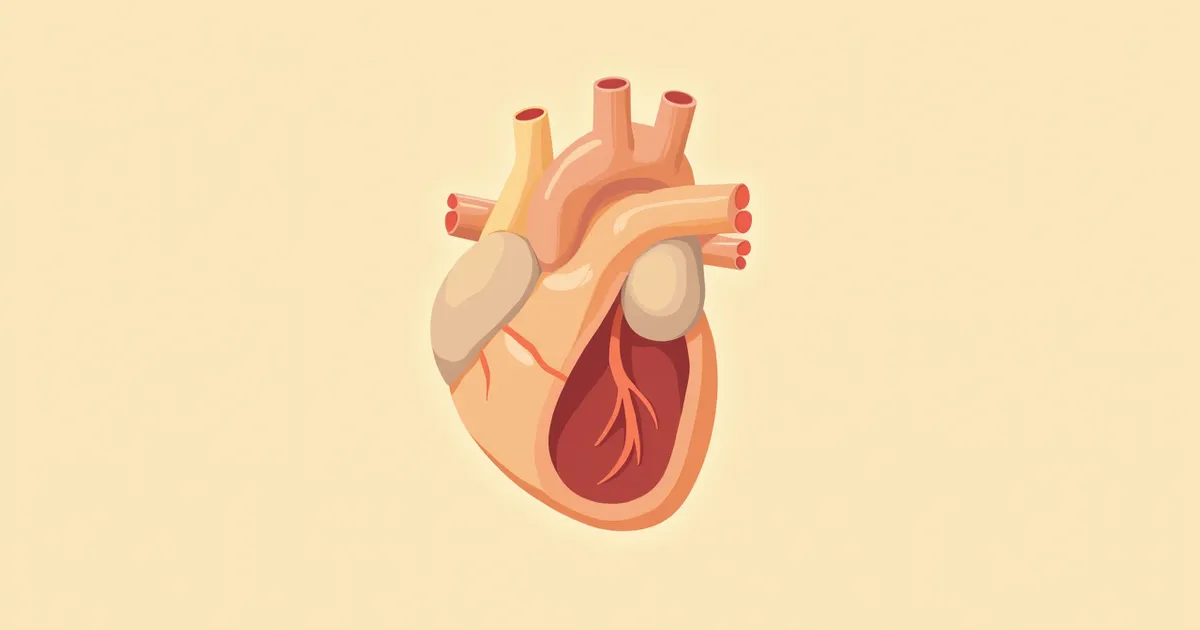
What Is Feline Pulmonary Artery Stenosis? — Heart Murmurs, Symptoms, and Treatment Options
Feline pulmonary artery stenosis is a condition in which blood flow to the lungs is restricted due to a heart valve abnormality. Early detection and management are crucial.

What is Feline Pulmonary Arterial Hypertension? — Symptoms of Labored Breathing and When to Seek Veterinary Care
Feline pulmonary hypertension is a condition that can be difficult to detect early, so we’ve compiled the essential information pet owners need to know in a Q&A format.

When to Use Pimobendan in Cats and Its Effects — Dosage and Side Effects
We’ve compiled the essential information pet owners need to know about pimobendan, a medication used to treat feline heart disease, in a Q&A format.
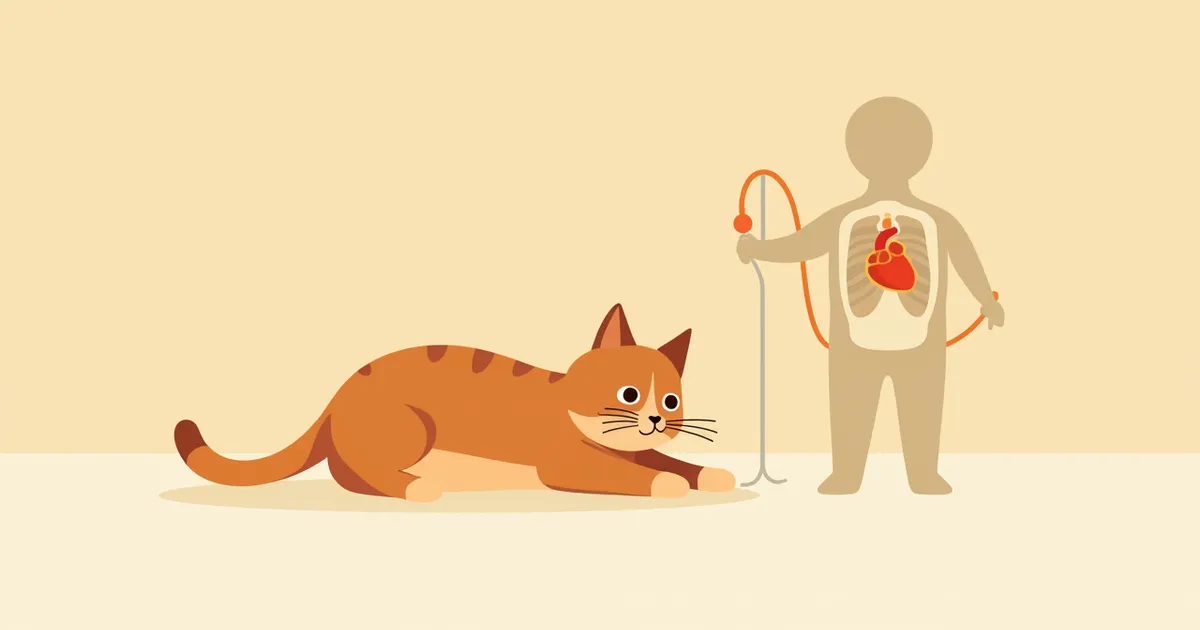
What is Feline Pericardial Effusion and Cardiac Tamponade? — Emergency Warning Signs and Treatment Timing
Feline pericardial effusion and cardiac tamponade are emergency conditions that threaten heart function. We’ve summarized the key symptoms and response steps that pet owners should know.

Inflammation in Our Cat’s Heart? — Causes of Myocarditis and Emergency Signs You Must Not Miss
Feline myocarditis is a condition that can be difficult to detect in its early stages. We’ve compiled the key questions pet owners should ask and the steps they should take. Early diagnosis and management are crucial for saving lives.

What is Feline Endocarditis? — A Pet Owner’s Essential Guide to Symptoms and Treatment
Feline endocarditis is an infectious heart disease, and early detection is key to survival. We’ve compiled the essential symptoms, diagnostic methods, and treatment options that pet owners should know.
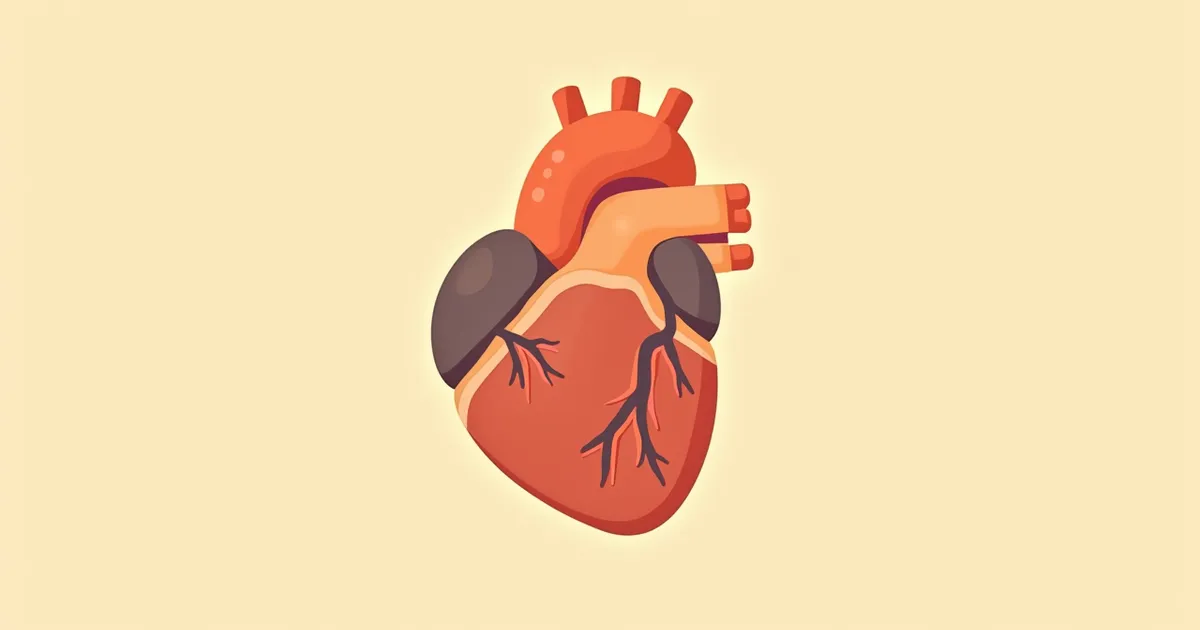
What is Feline Hypertrophic Cardiomyopathy (HCM)? — From Causes to Signs Requiring a Vet Visit
Hypertrophic cardiomyopathy (HCM) in cats is a heart condition strongly influenced by genetics, making early detection and management crucial for survival. Here’s a summary of the key information every cat owner should know.

What Is Feline Hypertensive Heart Disease — Warning Signs You Must Not Miss
Feline hypertensive heart disease occurs when high blood pressure places excessive strain on the heart, leading to impaired cardiac function. Early detection and proper management are crucial.

What Are the Stages of Feline Heart Failure? — Key Points of ACVIM Classification and Stage-Specific Management
The ACVIM staging criteria for feline heart failure help accurately determine the disease’s progression stage. When pet owners understand these stages, they can take early action and develop an appropriate treatment plan.

Frequently Asked Questions (Q&A) on Feline Hypertrophic Cardiomyopathy Genetic Testing — Key Information Every Pet Owner Should Know
The genetic test for feline hypertrophic cardiomyopathy is a key screening tool designed to identify hereditary risks specific to Maine Coon and Ragdoll cats. We’ve compiled the essential information every pet owner should know in a Q&A format.

Is the Cat Diuretic (Furosemide) Safe? — A Summary of Effects, Side Effects, and Precautions
Furosemide is commonly used to treat heart disease in cats. We’ve compiled the essential information pet owners need to know about its side effects, administration, and precautions.

Cat Suddenly Unable to Use Hind Legs — Symptoms and Emergency Response for Feline Aortic Thromboembolism
Feline aortic thromboembolism is a life-threatening heart condition that develops suddenly, requiring immediate action from pet owners. Here’s a summary of the main symptoms and how to respond.

Can I exercise my cat with heart disease? — Key to daily management of exercise restriction
In feline heart disease, restricting exercise is a crucial measure to preserve life. Here’s a summary of the essential questions and answers that pet owners should know.

Why is a feline electrocardiogram (ECG) test necessary? — A summary of the procedure and result interpretation
An electrocardiogram (ECG) is a key test for early detection of abnormal heart rhythms in cats. Here’s the essential information every pet owner should know.