
What Are Cat Kidney Markers BUN, Creatinine, and SDMA? — Interpretation and When to Visit the Vet
Blood tests for kidney function in cats (BUN, Cr, SDMA) are key tools for detecting early-stage kidney disease. Here’s a summary of essential questions and answers that pet owners should know.

Is a kidney biopsy in cats really necessary? — What about the procedure and risks?
A kidney biopsy is an essential test for accurately identifying the cause of kidney disease in cats. Here’s a summary of the key information every pet owner should know.
What is Feline Renal Amyloidosis? — Symptoms and When to Visit the Vet
Feline renal amyloidosis is a rare but life-threatening condition. Here’s a clear overview of its causes, symptoms, diagnosis, and treatment options that every cat owner should know.

My Cat Is Drinking Too Much Water — Causes of PU/PD and When to Visit the Vet
Feline polyuria and polydipsia (PU/PD), characterized by excessive drinking and frequent urination, can be an early sign of diabetes or kidney disease. It is important for pet owners to recognize these symptoms quickly and consult with a veterinarian.
What is Feline Polycystic Kidney Disease (PKD)? — Genetics, Symptoms, and Management
Feline polycystic kidney disease is a chronic kidney condition caused by genetic factors, making early detection and management crucial. We’ve compiled the essential information every pet owner should know in a Q&A format.
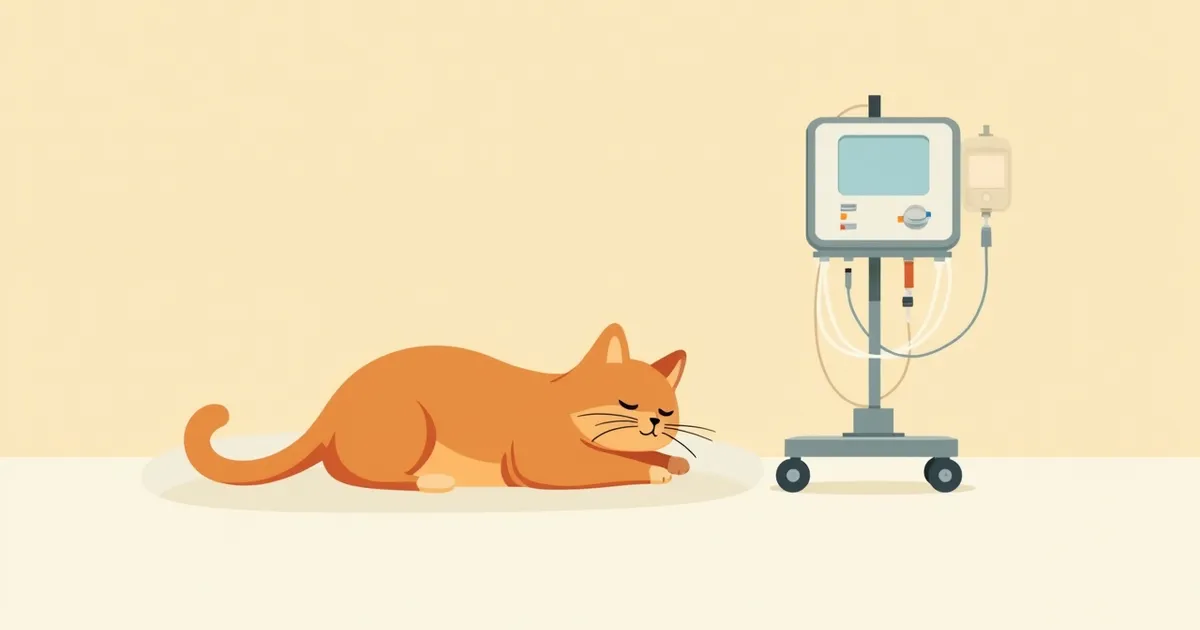
What is feline peritoneal dialysis? — When to start and how to manage it
Peritoneal dialysis in cats is used as a renal replacement therapy when chronic kidney disease progresses. We’ve compiled the essential information every pet owner should understand.

Medications and Foods to Never Give Your Cat — A Complete Guide to Nephrotoxic Substances
A cat’s kidneys are highly sensitive organs, and exposure to certain medications and substances can lead to acute kidney injury. Here’s a summary of the key information every pet owner should know.

Are Lilies Truly Fatal to Cats? — Key Facts on Nephrotoxicity Symptoms and Emergency Treatment
If your cat ingests lilies, it can cause immediate kidney damage. Here’s the essential information every pet owner should know.

What is Feline IRIS Staging? A Complete Guide to Progression Stages Based on Kidney Values
Feline chronic kidney disease can be accurately staged using the IRIS classification system. Understanding these criteria enables early detection and appropriate management.

Is My Cat’s Blood Pressure Okay? — The Dangerous Link Between Hypertension and Kidney Disease
High blood pressure in cats can be a major cause of kidney disease. Early detection and management improve survival rates. Here’s a summary of key information every pet owner should know.

Is High Phosphorus Dangerous in Cats? — Key Points on Hyperphosphatemia and Phosphate Binders
Hyperphosphatemia is a common complication of chronic kidney disease in cats. Phosphate binders are the cornerstone of treatment for controlling blood phosphorus levels. Here’s a summary of the key information every pet owner should know.

Feline Hydronephrosis: Causes and When Surgery Is Needed
Feline hydronephrosis is a condition in which urine accumulates in the kidneys, and early detection is key to successful treatment. Here’s a summary of the essential information every pet owner should know.

Is Your Cat’s Proteinuria Glomerulonephritis? — Causes and When to Visit the Vet
Feline glomerulonephritis is a condition in which damage to the kidney’s glomeruli causes protein to leak into the urine. Early detection and management are key.

What is SDMA for early kidney screening in cats? — A test to catch issues before symptoms, and when to get it
Early screening for kidney function in cats using SDMA is a key test for detecting kidney disease in older cats at an early stage. We’ve summarized the essential information that pet owners should know.

Will Cat Dehydration Damage the Kidneys? — Warning Signs You Must Not Miss and Key Countermeasures
Early detection is key to saving a cat’s life when it comes to dehydration and kidney damage. Here’s a summary of the symptoms, causes, and management strategies that every pet owner should know.

Late-Stage Feline Chronic Kidney Disease: Preserving Quality of Life — Palliative Care Q&A
For cats with chronic kidney disease (CKD), maintaining quality of life is more important than curative treatment. Here’s a summary of palliative care and management strategies that pet owners should know.

How Fast Does Feline CKD Progress? — Q&A on Monitoring Progression with Numbers
We’ve compiled essential information for pet owners on how to regularly monitor the progression of chronic kidney disease (CKD) in cats and why it’s so important.

Why Does Anemia Occur in Cats with Kidney Disease? — Causes of EPO Deficiency and Treatment Timing
EPO-deficiency anemia is a common complication in cats with chronic kidney disease. It’s important for pet owners to understand the causes, symptoms, and treatment options for this condition.

Feline Pyelonephritis: Warning Signs You Must Not Miss — Key Facts on Bacterial Kidney Infection
Feline pyelonephritis is a serious infectious disease caused by bacteria invading the kidneys. Early detection and appropriate treatment are key to survival and recovery.

What to Do If Your Cat Suddenly Stops Urinating? — Causes of Acute Kidney Failure and Emergency Response
Acute kidney failure in cats progresses rapidly and can be life-threatening. It’s essential to understand the causes and emergency treatment methods accurately.

What Is Feline Acute Kidney Injury (AKI)? — A Summary of Symptoms and Emergency Response
Acute kidney injury (AKI) in cats can be life-threatening due to a sudden decline in kidney function. Here’s a summary of the symptoms, causes, and management strategies that pet owners should know.
What Is Ventricular Tachycardia in Dogs? — Warning Signs of Collapse and Sudden Death, and How to Respond
Ventricular tachycardia in dogs is a dangerous arrhythmia caused by abnormal electrical signals in the heart. We’ve compiled the key information pet owners need to know in a Q&A format.

Is Your Puppy’s Heart Murmur a Ventricular Septal Defect? — Symptoms, Diagnosis, and Management
Ventricular septal defect (VSD) in puppies is a congenital heart disease where blood flows abnormally due to a hole in the wall between the heart's ventricles. Here’s a summary of the key information every pet owner should know.
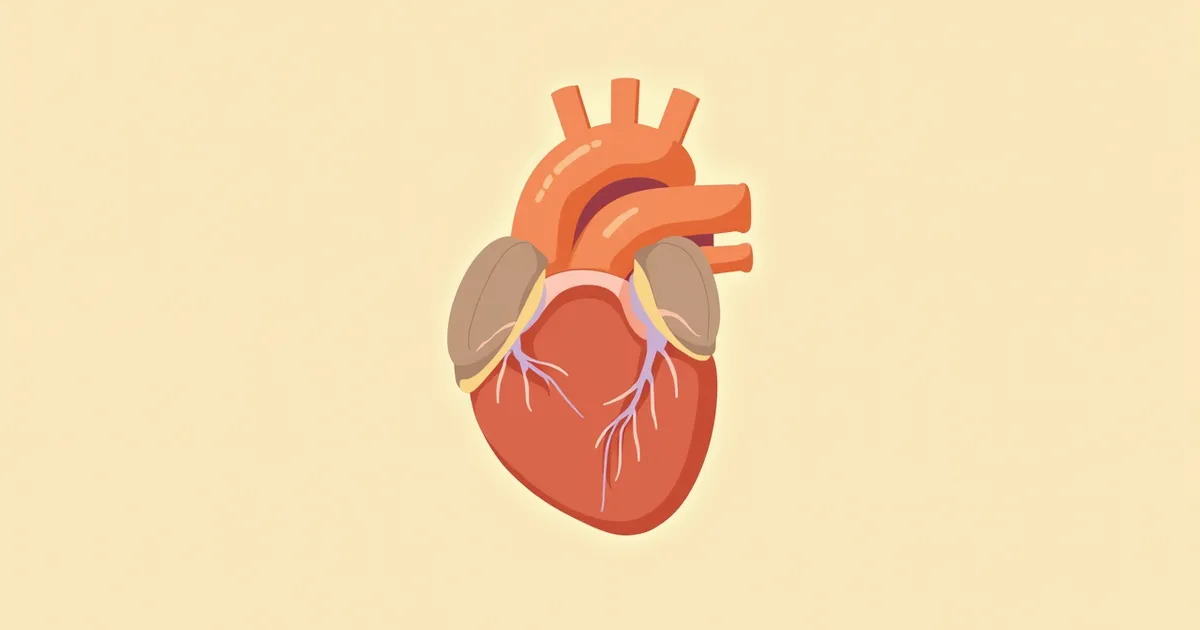
What is Canine Tricuspid Valve Dysplasia? — Congenital Heart Malformation, Symptoms, and When to Seek Veterinary Care
Canine tricuspid valve dysplasia is a congenital heart condition caused by abnormal development of the heart valve, making early detection and management crucial. Here’s a summary of key information every pet owner should know.