
When is a feline liver ultrasound absolutely necessary? — Key Q&A on the process, cost, and results
Feline liver ultrasound is an important tool for the early detection of liver disease. We’ve compiled the key information every pet owner should know in a Q&A format.

Can Our Cat’s Liver Disease Be Recovered? — Key Indicators That Determine Prognosis
We’ve outlined the key indicators for assessing prognosis in feline liver disease. Early intervention is possible by monitoring blood test results and changes in symptoms.

If Your Cat Is Lethargic and Stumbling — Causes and Management of Hepatic Encephalopathy Q&A
Hepatic encephalopathy in cats is a condition in which neurological symptoms arise due to impaired liver function. Here’s a summary of the key information pet owners should know.

What are feline liver cysts? — Are they dangerous, and how is follow-up done?
While most feline liver cysts are asymptomatic, they can cause gastrointestinal discomfort or pain as they grow. Here’s a summary of the key information pet owners should know.

Why Do Cats Develop Coagulation Abnormalities with Liver Disease? — Bleeding Risks and Management Strategies
Feline liver disease can be accompanied by coagulation abnormalities. We’ve compiled the key questions and management strategies that pet owners should know.

What Is Feline Hepatic Fibrosis and Cirrhosis? — Key Q&A on Symptoms to Prognosis
Feline hepatic fibrosis and cirrhosis are challenging to detect in their early stages. We’ve compiled the key questions and answers every cat owner should know. Early intervention can significantly improve your cat’s quality of life.

What is Feline Triaditis (Liver-Pancreas-Intestine)? — Key Summary from Symptoms to Treatment
Triaditis in cats is a condition characterized by chronic inflammation affecting the liver, pancreas, and small intestine simultaneously, often presenting with symptoms such as abdominal pain, vomiting, and diarrhea. Early detection and proper management are essential.

Elevated Liver Enzymes (ALT/ALP) in Cats: Causes and Necessary Tests
We’ve compiled the essential information pet owners need to know about the most common causes, diagnostic steps, and management strategies when a cat’s ALT and ALP levels are elevated.

When Common Drugs and Toxins Damage a Cat’s Liver — Warning Signs of Liver Injury and When to Act
Drug- and toxin-induced liver injury is a common risk in cats, and early recognition and intervention can be life-saving. Here are the key questions and answers every pet owner should know.
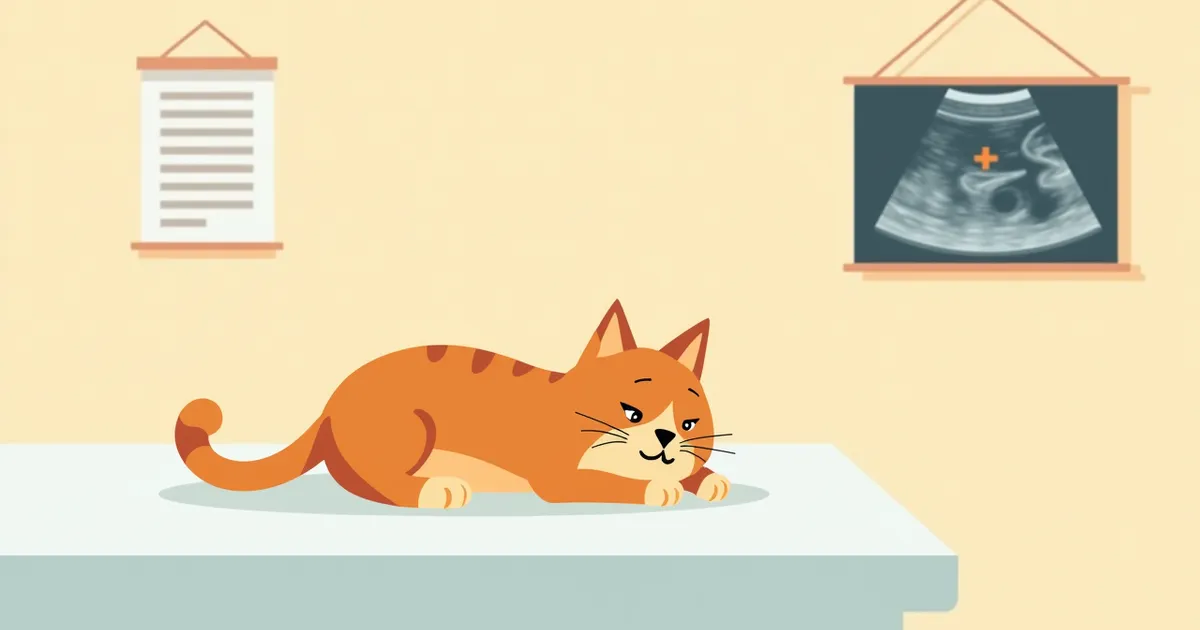
My Cat Keeps Vomiting — Is It a Warning Sign of Cholecystitis? Q&A on Abdominal Pain and Vomiting Management
Feline cholecystitis is a condition whose early symptoms are often subtle and easily overlooked by pet owners. This article addresses the five most common questions to help you respond appropriately.

If Your Cat Has Jaundice — Key Q&A on the Causes and Treatment of Cholangiohepatitis
Feline cholangiohepatitis is a condition characterized by inflammation of the liver and bile ducts, making early detection and appropriate treatment crucial. We’ve compiled the essential information every pet owner should know.

My Cat’s Eyes Have Turned Yellow — Bile Duct Obstruction: Is It an Emergency? Q&A on When to Visit the Vet
Feline biliary obstruction is a condition in which bile flow is blocked, significantly impacting liver function. Here’s a summary of key information pet owners should know.

What Is Feline Autoimmune Hepatitis? — A Comprehensive Guide to Symptoms, Diagnosis, and Treatment
Feline autoimmune hepatitis is a condition in which the immune system mistakenly attacks the liver, and early detection is key to successful treatment. Here’s a summary of the essential information every pet owner should know.

If Your Cat’s Belly Is Distended — Ascites and Liver Disease: Warning Signs You Must Not Miss
Ascites in cats is one of the key signs of liver disease. It is caused by decreased protein levels and increased pressure due to impaired liver function. Early detection and management are crucial.

What is feline hepatic failure? — Emergency Q&A to not miss the golden time
Early detection is key to saving lives in cases of feline hepatic failure. We’ve compiled the essential symptoms, causes, and management strategies every pet owner should know.

What is urine specific gravity in dogs? — How to assess kidney function
The urine specific gravity test is a key tool for assessing kidney function in dogs. We’ve compiled the essential questions and answers every pet owner should know.

Ureteral stones in dogs causing obstruction? — How to recognize emergency warning signs
Ureteral stones in dogs are a condition where the ureter becomes blocked, making it difficult to pass urine, and can lead to acute pain and kidney damage. Here’s a summary of key information that pet owners should know.

Can You Administer Subcutaneous Fluids to Your Dog at Home? — Methods, Dosage, and Precautions Q&A
We’ve put together a guide on how pet owners can safely administer subcutaneous fluids at home and what to watch out for when their dog needs them due to chronic kidney disease or other conditions.
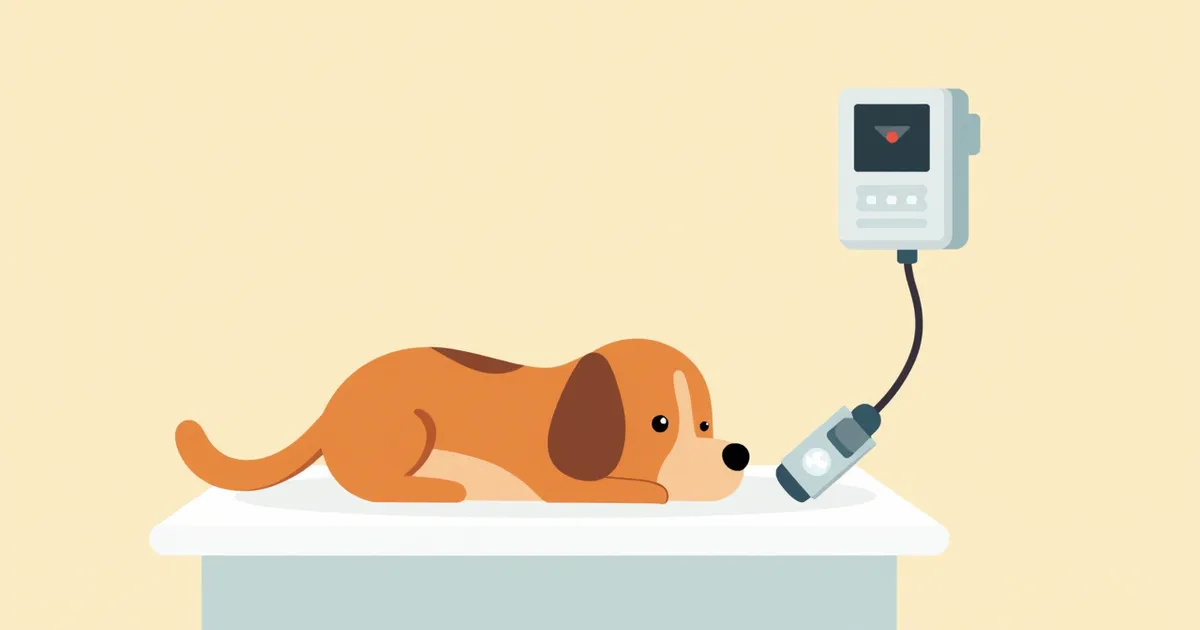
Why Get a Kidney Ultrasound for Your Dog? — When to Test and What It Reveals
An ultrasound of your dog’s kidneys is a key diagnostic tool for precisely evaluating kidney structure and function. We’ve compiled the essential information every pet owner should know in a Q&A format.

Canine Kidney Supplements: Are They Effective? When and How to Give Omega-3
Omega-3 is gaining attention as a supplement to support kidney function in dogs. We’ve compiled the key questions and answers that pet owners should know.

Should You Feed Prescription Renal Diets to Dogs? — Effects and Feeding Guidelines
We’ve compiled key questions and answers about prescription diets essential for managing kidney disease in dogs, so pet owners can make informed choices. The right selection paves the way for a healthier life.

What Are Kidney Tumors in Dogs? — How to Spot Early Symptoms
Kidney tumors in dogs often show no early symptoms, which can delay diagnosis. Here’s a summary of the key information every pet owner should know.

Is Peritoneal Dialysis Really Necessary for Dogs? — A Complete Guide to Timing, Costs, and Care
Peritoneal dialysis in dogs is used as a kidney function replacement therapy when chronic kidney disease progresses, and we’ve summarized the key information that pet owners must understand.

Drugs and substances that damage your dog’s kidneys? — What is dangerous and how to avoid it
We’ve compiled frequently asked questions about medications and substances that can damage your dog’s kidneys. It’s important to understand these risks in advance so you can take appropriate precautions.