
What if my dog’s liver values remain consistently high? — Key Q&A on the causes and management of chronic hepatitis
Early detection is crucial for successfully treating chronic hepatitis in dogs. Here are the key questions and answers every pet owner should know.

What is canine cholecystitis? — Causes of abdominal pain and jaundice, and when to visit the vet
Cholecystitis in dogs is a condition where bile flow is obstructed or inflammation occurs, making early detection crucial. We’ve compiled the essential information every pet owner should know in a Q&A format.

Is My Breed at Risk for Hepatitis? — Vulnerable Breeds and Early Signs Not to Miss
Canine hepatitis is a condition with a strong genetic predisposition in certain breeds. We’ve compiled the key breed-related risk factors and prevention strategies every pet owner should know, presented in a Q&A format.

What Is Biliary Obstruction in Dogs? — Warning Signs of Jaundice and Vomiting, and When to Seek Emergency Diagnosis
Biliary obstruction in dogs occurs when the ducts that carry bile from the liver to the small intestine become blocked. Early detection and appropriate treatment are essential.

Complete Guide to Canine Bile Acids Test: Why It’s Done and How to Interpret Results
The bile acids test is a key diagnostic tool for accurately assessing your dog’s liver function. We’ve compiled the essential information every pet owner should know in a Q&A format.

What is Canine Autoimmune Hepatitis? — Why the Immune System Attacks the Liver and Lifelong Management
Canine autoimmune hepatitis is a rare condition in which the immune system mistakenly attacks the liver. Early diagnosis and appropriate management are key to improving survival rates.

Dog's Belly Is Bloated — Is It Ascites? Liver Disease Signs and When to Visit the Vet
Canine ascites is a symptom that can result from impaired liver function, making early detection and proper management essential. Here’s a summary of the key information every pet owner should know.

What Is Canine Acute Liver Failure? — Jaundice, Loss of Appetite, and When to Go to the Vet
Canine liver failure progresses rapidly, and early detection is crucial for survival. Here’s a summary of the symptoms, causes, and management strategies that pet owners should know.

Why Does Feline Liver Fibrosis Occur? — Key Q&A on Stellate Cell Activation
Activation of fat-storing cells in cats is an early stage of liver fibrosis, making early detection and management crucial. Here’s a summary of key information pet owners should know.

Is protein restriction always necessary for feline liver disease? — How much should it be reduced?
We’ve outlined why a protein-restricted diet is important when liver disease is suspected in cats, along with key tips to avoid common mistakes. Check out the essential questions and answers every pet owner should know.

Feline Portosystemic Shunt: Should Surgery Be Performed? — Frequently Asked Questions on Timing, Success Rates, and Prognosis
Surgical correction of feline portal vein shunt is a key treatment to compensate for liver dysfunction. We’ve compiled the essential questions and answers that pet owners should know.

If Your Cat Keeps Acting Dull — Causes of Portosystemic Shunt (PSS) and When to Visit the Vet
Feline portosystemic shunt (PSS) is a serious condition that impairs liver function, and early detection along with proper management can save your cat’s life. We’ve compiled the essential questions and answers every pet owner should know.

What Is Feline Hepatic Lipidosis? A Must-Read for Owners: Symptoms, Treatment, and Recovery
Feline hepatic lipidosis is a dangerous condition in which excessive fat accumulates in the liver. It often begins with a loss of appetite, making early detection difficult. Here’s the essential information every cat owner should know.

Canine Renal Fibrosis Mechanism FAQ — Key Points Every Pet Owner Must Know
Canine renal fibrosis is a condition in which kidney tissue gradually becomes hardened, making early detection and management crucial. Pet owners should be well-informed about its underlying mechanisms and how to address it.

What Are Kidney Cysts in Dogs? — Risks, Symptoms, and Management
Kidney cysts in dogs are usually asymptomatic, but early detection allows for effective management. We’ve compiled the essential information every pet owner should know in a Q&A format.
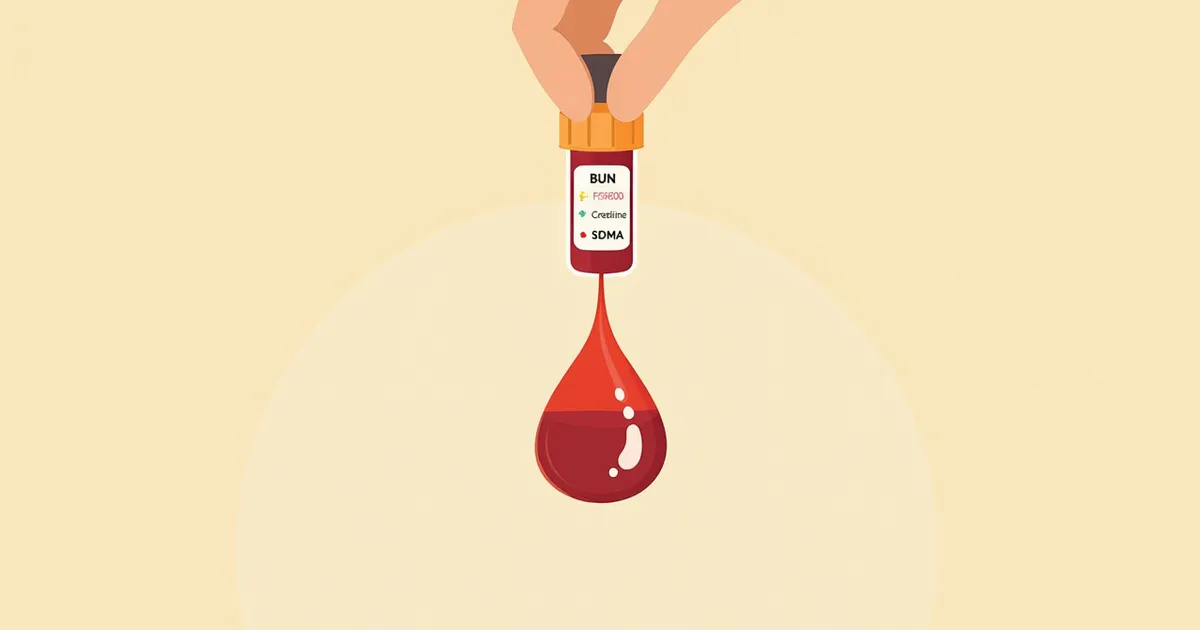
Frequently Asked Questions (Q&A) on Dog Kidney Function Blood Tests (BUN, Cr, SDMA) — Key Points Every Pet Owner Should Know
Blood tests for kidney function (BUN, Cr, SDMA) are essential tools for detecting early kidney damage in dogs. Here’s a summary of the key questions and answers every pet owner should know.

Do Dogs Need a Kidney Biopsy? — Key Summary of Procedure, Risks, and Recovery
A kidney biopsy in dogs is a necessary procedure for accurately diagnosing kidney disease. Here’s a summary of the key information every pet owner should know.

What is Canine Renal Amyloidosis? — Symptoms, Prognosis, and Treatment Directions
Canine renal amyloidosis is a rare disease with a strong genetic component, and early detection is key to effective treatment. Here’s a summary of the symptoms and management strategies every pet owner should know.

My Dog Is Drinking Too Much Water — Causes of Polyuria and Polydipsia and When to Visit the Vet Q&A
Canine polyuria and polydipsia (PU/PD), characterized by excessive water consumption and frequent urination, can be an early sign of serious conditions such as diabetes mellitus or kidney disease. It is important for pet owners to recognize these symptoms promptly and consult with a veterinarian.

My Cat’s Belly Keeps Swelling — Portal Hypertension, Causes of Ascites, and When to Visit the Vet
Feline portal hypertension is a dangerous complication that often occurs alongside chronic kidney disease. Early detection and management are crucial.

Cat Eyes and Gums Turning Yellow? Q&A on Jaundice Causes and Treatment
Feline jaundice is an important sign of liver dysfunction. We’ve compiled the essential causes, symptoms, and management strategies that pet owners need to know.

Are Cat Liver Protectants (SAMe and Milk Thistle) Effective? When and How to Administer Them
We’ve compiled the essential information every cat owner should know about the effectiveness, administration, and safety of SAMe and milk thistle, two popular liver protectants for cats.

Frequently Asked Questions About Feline Hepatic Enlargement (Hepatomegaly) — Key Information for Pet Owners
Early detection is crucial for feline hepatic enlargement. We’ve compiled the essential Q&A that pet owners should know about symptoms, causes, diagnosis, and treatment.

Frequently Asked Questions About Feline Hepatocellular Carcinoma — Key Information for Pet Owners
Feline hepatocellular carcinoma often lacks early symptoms, leading to delayed diagnosis. We’ve compiled the essential information pet owners need to know in a Q&A format.