Like
Share
멍실장
강아지 건성 각결막염(KCS) 자주 묻는 질문 Q&A — 보호자가 꼭 알아야 할 핵심

What is Canine Keratoconjunctivitis Sicca (KCS)? — How to Recognize Symptoms of Insufficient Tear Production

Eye HealthQ&AMeongsiljang Veterinary Advisory Board

Keratoconjunctivitis sicca (KCS), commonly known as dry eye in dogs, is a condition in which insufficient tear production leads to dryness and inflammation of the eyes. Early detection and proper management are essential.

What is Canine Keratoconjunctivitis Sicca (KCS)?

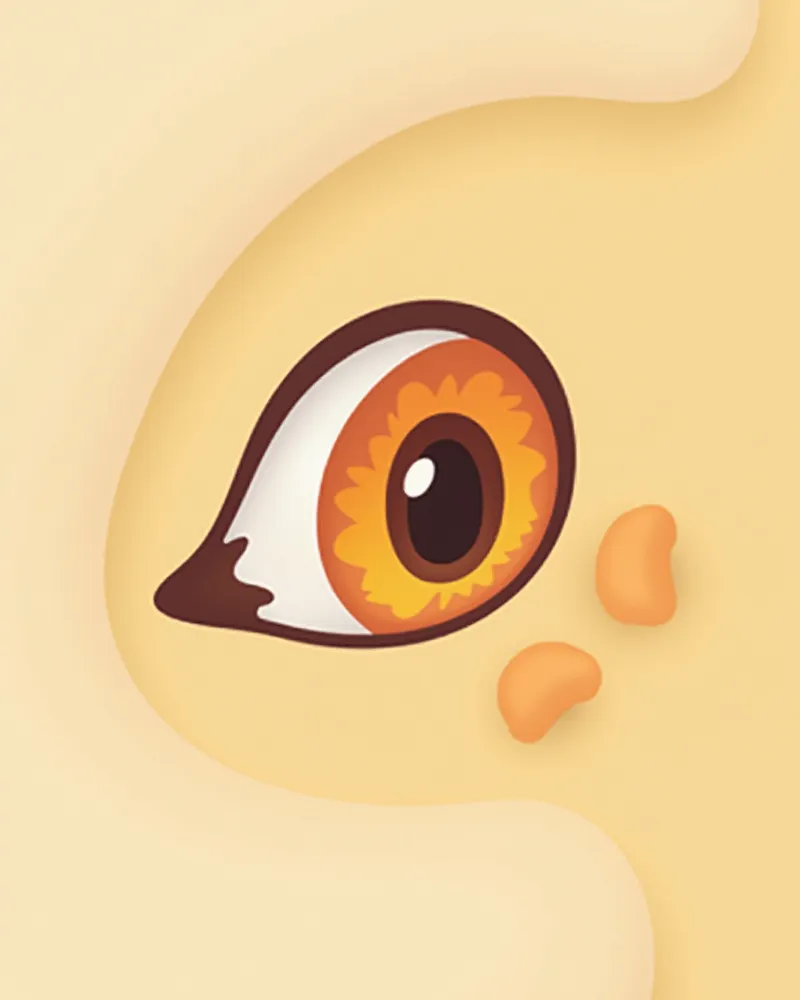
An anatomical illustration of a dog's eye damaged by dry keratoconjunctivitis
Keratoconjunctivitis sicca (KCS), commonly known as dry eye in dogs, is a condition in which insufficient tear production leads to ocular dryness and inflammation. With reduced tear volume, the cornea becomes highly susceptible to damage. This condition can cause significant pain and, if left untreated, may result in vision loss. Early detection is crucial for successful treatment. Owners often overlook subtle signs such as frequent eye rubbing or squinting. If these symptoms persist, prompt veterinary evaluation is essential.

What are the Main Causes of KCS?

The causes of canine keratoconjunctivitis sicca (KCS), commonly known as dry eye, are varied. The most common cause is immune-mediated lacrimal adenitis, an autoimmune disease in which the immune system attacks the tear gland tissue. Other potential causes include distemper virus infection, side effects of certain medications (such as sulfonamide antibiotics, etodolac, and atropine), trauma, radiation exposure, and post-surgical complications like the removal of the third eyelid (nictitating membrane) gland. Certain breeds, including the West Highland White Terrier, Cocker and Springer Spaniels, Bulldogs, Toy Poodles, and Lhasa Apsos, have a genetic predisposition to the condition. Accurately identifying the underlying cause is the first step toward effective treatment, which your veterinarian will determine through diagnostic testing.
An anatomical illustration of immune cells attacking a dog's tear ducts

What are the Main Symptoms of KCS?

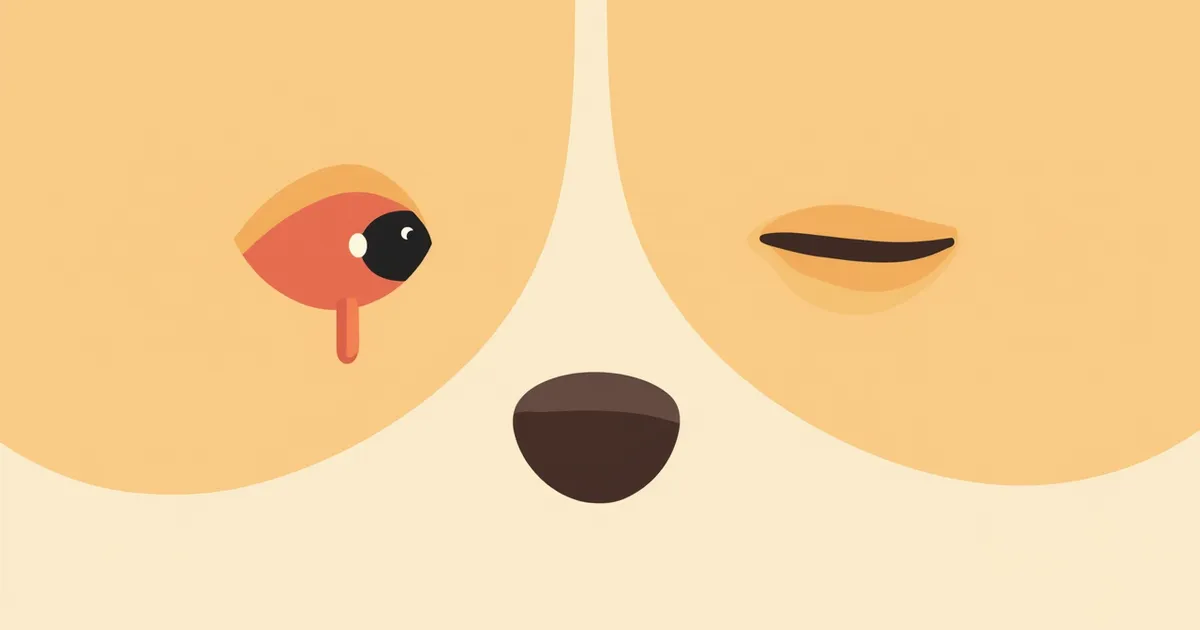
The main symptoms of canine keratoconjunctivitis sicca (KCS) include dry, red eyes. Reduced tear production causes irritation, leading to frequent eye rubbing or squinting. A sticky, stringy mucous discharge may accumulate on the corneal surface, and the color of this discharge can change if a secondary bacterial infection develops. The cornea may appear opaque and rough, and your dog might show light sensitivity and decreased vision. If these symptoms persist, corneal ulcers can develop. Early detection is crucial, so carefully monitor any changes in your dog’s eye condition.
A realistic photo showing red spots and discharge around a puppy’s eyes.

Signs Requiring Immediate Veterinary Visit

If your dog keeps its eyes tightly shut, rubs them frequently, or has increased sticky, mucous discharge that changes color, you should visit the vet immediately. These are signs of corneal ulcers or severe inflammation. Delayed treatment can lead to vision loss. Breeds prone to Keratoconjunctivitis Sicca (KCS), such as West Highland White Terriers, Cocker and Springer Spaniels, and Toy Poodles, require extra attention.

Comparison of KCS Symptoms by Severity: Mild, Moderate, and Severe

ItemMildModerateSevere
Tear ProductionSlightly reducedGreatly reducedAbsent entirely
Eye RednessMildSevereVery severe
DischargeNone or small amountSticky mucous dischargeCopious mucopurulent discharge (accompanied by color change)
Vision ChangesNoneMild decreaseSevere deterioration

The more severe the symptoms, the greater the urgency of treatment. Early diagnosis is key.

How is KCS Diagnosed?
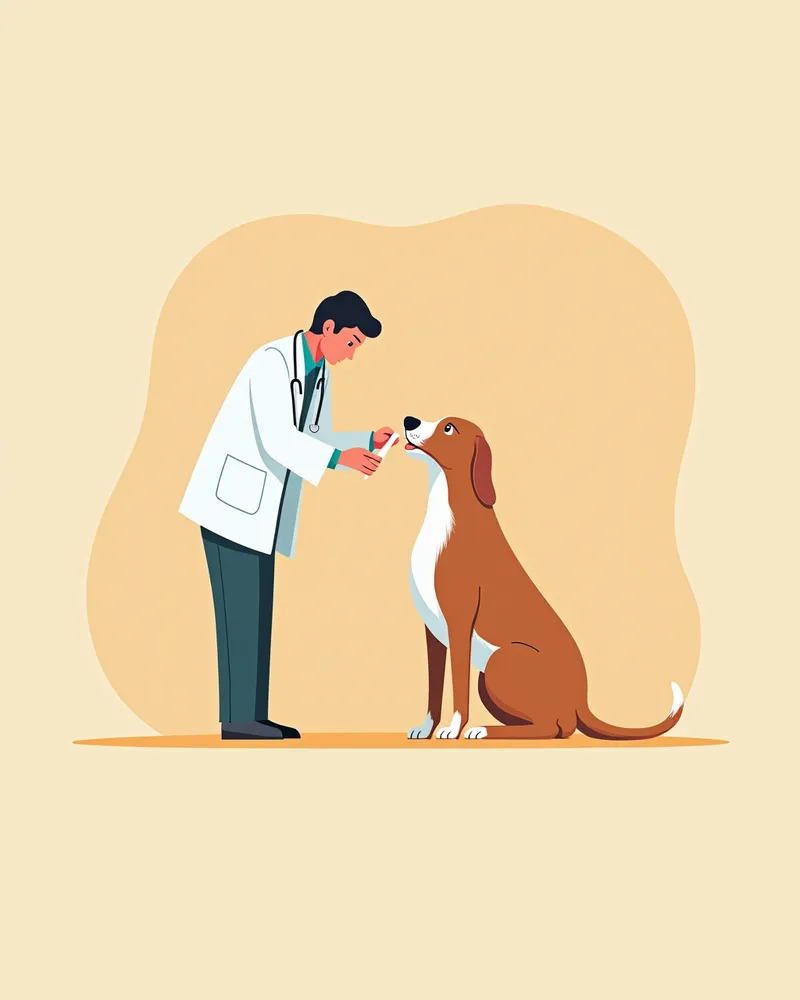
Canine keratoconjunctivitis sicca (KCS), commonly known as dry eye, is diagnosed using the Schirmer tear test, which measures tear production. This test involves placing a calibrated strip of special paper inside the lower eyelid (in the conjunctival sac) for one minute to measure how much tear fluid wicks up the strip. Generally, a result of less than 15 mm per minute raises suspicion of KCS, less than 10 mm is considered diagnostic, and 0 mm indicates "complete (absolute) KCS," meaning no tears are produced at all. Additional tests, such as the tear break-up time test using fluorescein dye and corneal examinations, help precisely assess the extent of corneal damage and inflammation. These tests provide a comprehensive evaluation of the eye’s condition and are essential for developing an effective treatment plan. A professional assessment by a veterinarian is crucial for an accurate diagnosis.
A real-life photo of a veterinarian placing a Schirmer test strip into a puppy’s eye.

How is KCS Treated?

Treatment for canine keratoconjunctivitis sicca (KCS), commonly known as dry eye, is primarily medication-based. The most frequently prescribed drug is cyclosporin, an immunosuppressant that stimulates tear production. This medication is typically applied to the eye as an ointment and is highly effective in most cases. In the early stages, artificial tears, lubricants, or antibiotic eye drops may also be prescribed. In certain cases, such as neurogenic KCS, oral pilocarpine may be used, and in severe instances, surgery to transplant a salivary duct (submandibular gland duct) may be considered. Treatment usually needs to continue for the dog’s lifetime and requires ongoing monitoring by a veterinarian.
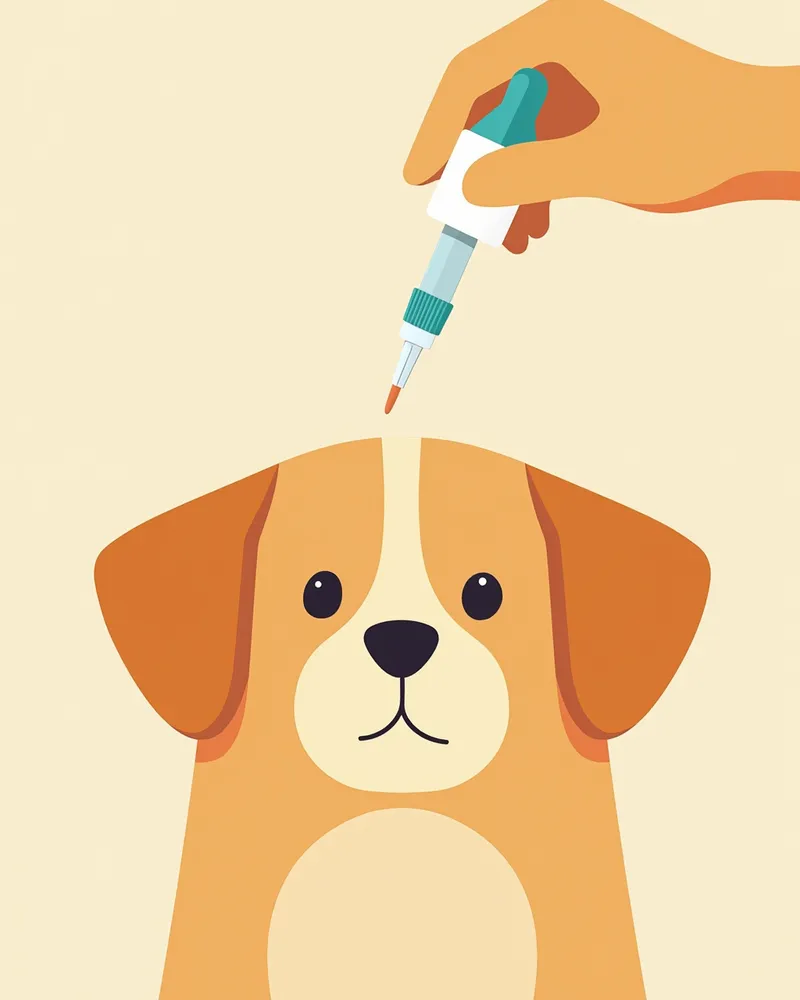
A real-life photo of eye drops being administered to a puppy

Key Points for Home Care

Consistent home care is the key to successfully managing canine keratoconjunctivitis sicca (KCS), commonly known as dry eye. It’s important to administer eye drops at the same time every day and gently wipe the area around the eyes with a soft cloth. To minimize irritation from airborne dust and ultraviolet light, keep the indoor environment clean and maintain humidity levels between 40% and 60% using a humidifier. Trim your dog’s nails short to prevent scratching, and consider using a coated collar or a safe mask to reduce irritation. When applying medication, always wash your hands thoroughly and ensure the tip of the bottle does not touch the eye. Making these care routines a daily habit will help preserve your dog’s eye health for the long term.
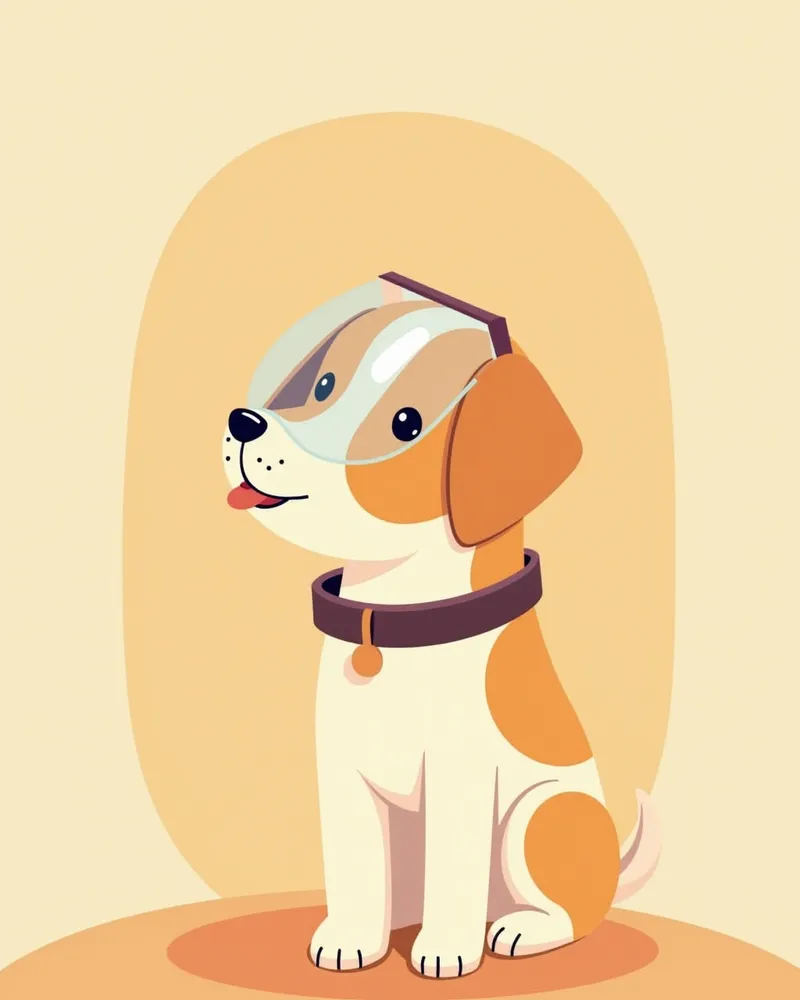
A puppy wearing a soft collar and facial protection device to safeguard its eyes.

Caution: Drug Side Effects and Administration Precautions

Eye medications such as cyclosporine can cause side effects with long-term use. If your pet’s eyes become more swollen or painful, seek veterinary care immediately. When administering eye drops, wash your hands thoroughly and ensure the tip of the bottle does not touch the eye. Missing doses can reduce treatment effectiveness, so it’s important to establish and follow a consistent schedule.

Reviewed by a veterinarian

Dr. Tony — Punnawat Phongkittirak

Dr. Tony — Punnawat Phongkittirak

Veterinarian

A veterinarian who majored in veterinary medicine at Khon Kaen University, Thailand, and completed the IVSA program at North Carolina State University in the United States. Drawing on clinical experience at animal hospitals, he works in the pet healthcare field and is dedicated to building a digital care environment that connects pet parents with veterinarians.

Frequently Asked Questions

Can KCS be cured?
KCS is a condition that typically requires lifelong, consistent management. With ongoing medication, such as cyclosporine, most pets experience good stabilization of their symptoms.
Is KCS genetic?
Certain breeds, such as West Highland White Terriers, Cocker and Springer Spaniels, and Toy Poodles, have a genetic predisposition. However, not all dogs inherit this condition.
What happens if you miss a dose of eye drops?
If you miss a dose, tear production may decrease again. To prevent worsening symptoms, administer the missed dose as soon as possible and consult your veterinarian.
Does KCS cause vision loss?
In severe cases, corneal damage or ulcers can lead to vision loss. Early treatment significantly improves the chances of preserving vision.
Is KCS contagious to other dogs?
KCS is not contagious. It is a condition caused by immune-mediated factors, medications, or trauma, so it cannot be transmitted to other dogs.

Share

Related Guides

References

[1] Clinical Medicine of the Dog and Cat, 4th Ed

[2] Clinical Atlas of Canine and Feline Ophthalmic Disease, 2nd Ed

[3] The Veterinary Workbook of Small Animal Clinical Cases

This information is based on veterinary literature and does not replace diagnosis or treatment. Please consult a veterinarian for specific health concerns.

Metapet Co., Ltd. | CEO: Park Sung-yong | Business Reg. No. 417-88-02562 | Seoul, South Korea | Customer Center

What Is Canine Dry Eye (KCS)? Signs of Low Tear Production | Meongsiljang