Like
Share
멍실장
고양이 당뇨성 케톤산증 자주 묻는 질문 Q&A — 보호자가 꼭 알아야 할 핵심

What is Feline Diabetic Ketoacidosis? — Emergency Warning Signs You Must Not Miss

EndocrineQ&AMeongsiljang Veterinary Advisory Board

Feline diabetic ketoacidosis is an acute, life-threatening condition, making early recognition and intervention crucial. Here’s a summary of the key information every pet owner should know.

What is Feline Diabetic Ketoacidosis?

A cat having its blood sugar measured.
Feline diabetic ketoacidosis is an acute metabolic disorder caused by a severe insulin deficiency, which leads to a rapid spike in blood sugar and excessive ketone production due to accelerated fat breakdown. Because this condition can be life-threatening, early detection is crucial. As ketones accumulate, the acidity of the blood increases, causing an acid-base imbalance that results in symptoms such as difficulty breathing, lethargy, and vomiting. In cats with diabetes, triggers like stress, infection, or irregular eating habits can precipitate this crisis. Immediate veterinary care is essential, as delays in treatment can be fatal. This is an acute condition that pet owners must be aware of and prepared to manage.

Why Can Cats Develop Ketoacidosis?

In cats with diabetes, a lack of insulin prevents the body from using glucose effectively. To compensate for this energy deficit, the body breaks down fat, which leads to excessive production of ketone bodies. Because ketone bodies are acidic anions, their accumulation can cause the blood to become acidic, resulting in harmful systemic effects. This condition, known as ketoacidosis, is often triggered when concurrent illnesses, such as infections, interfere with insulin action, and is also influenced by hormonal changes involving glucagon and cortisol. Once ketosis begins, the condition can progress rapidly. It is also reported to occur more frequently in middle-aged or older cats and in males. Therefore, it is crucial for pet owners to be aware of potential concurrent diseases and risk factors, and to seek veterinary care promptly if they notice any unusual changes, as early intervention is key to improving survival rates.
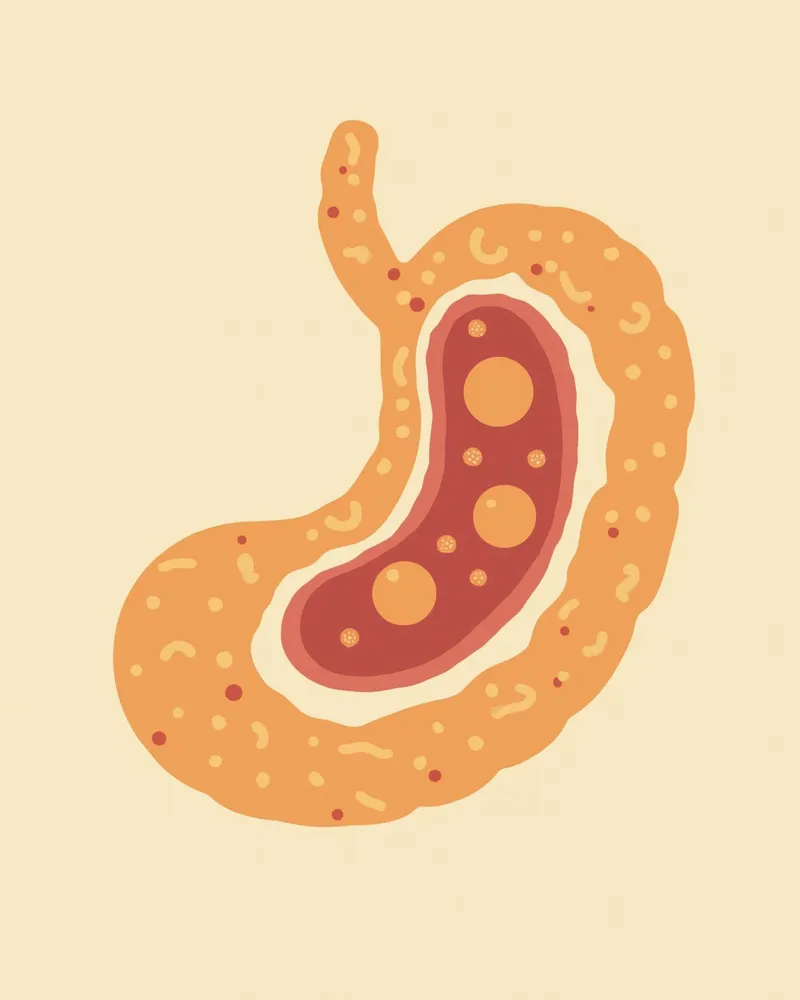
Explanation of damage to insulin-producing cells in a cat's pancreas

What Are the Main Symptoms of Ketoacidosis?

The main symptoms of diabetic ketoacidosis in cats are often nonspecific, such as loss of appetite, vomiting, lethargy, and weakness. This occurs because ketone bodies accumulate, causing the blood to become acidic and dehydration to progress, which worsens the cat's overall condition. As dehydration becomes severe, the mouth may become dry, skin elasticity decreases, and the cat may lack the energy to move or walk properly. The range of symptoms varies depending on the severity of acidosis, dehydration, and any concurrent diseases, and once ketoacidosis begins, the condition can deteriorate rapidly. In more severe cases, the cat may become unresponsive, collapse, or fall into a coma, requiring immediate veterinary care. All these changes can be emergency signals, so early recognition plays a crucial role in survival.
Symptoms of feline ketoacidosis include lethargy and dehydration.

Signs Requiring Immediate Veterinary Visit

If your cat is experiencing repeated severe vomiting, difficulty breathing, lethargy, or appears unresponsive, you should seek veterinary care immediately. These are signs that ketoacidosis has progressed.

How Is Ketoacidosis Diagnosed?
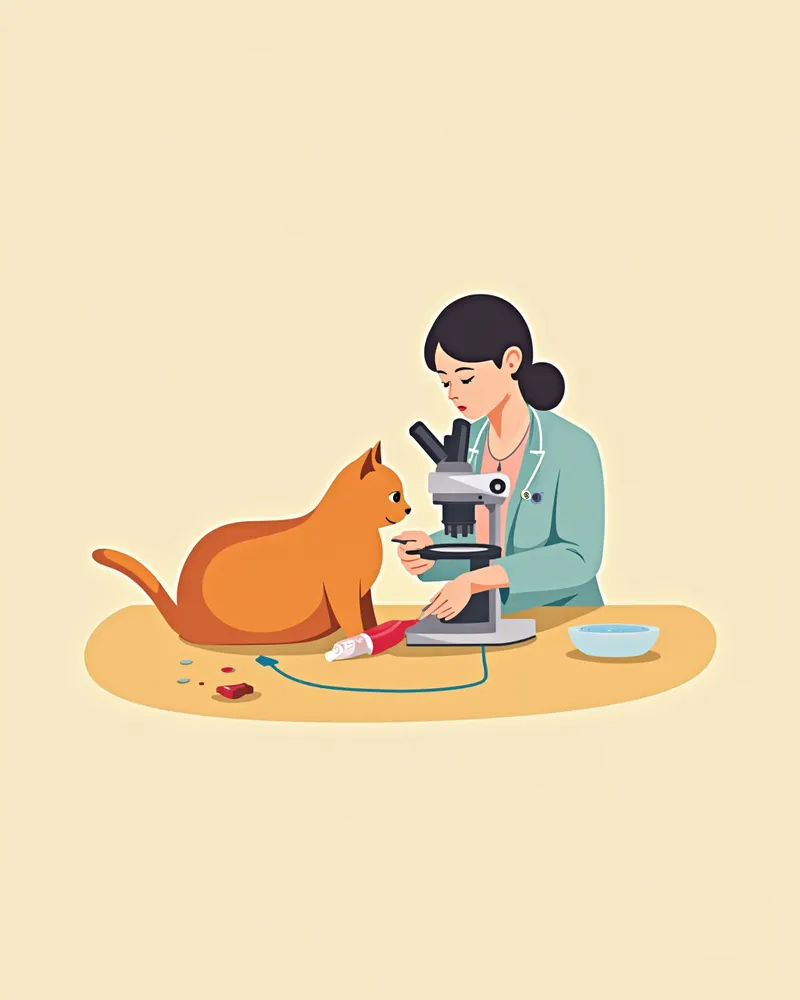
Diagnosis of ketoacidosis is made through blood and urine tests. Blood tests measure blood glucose levels, ketone body concentrations, and acid-base balance. The presence of ketone bodies in the blood confirms the diagnosis of ketoacidosis. Urine tests can detect the presence of ketone bodies, which is useful for initial screening. Additionally, blood gas analysis accurately assesses the degree of acidity. Veterinarians determine the treatment plan by comprehensively evaluating the clinical signs and test results. Early diagnosis is key to improving treatment success rates.
The process of drawing blood and conducting tests for cats

What Are the Treatment Methods?

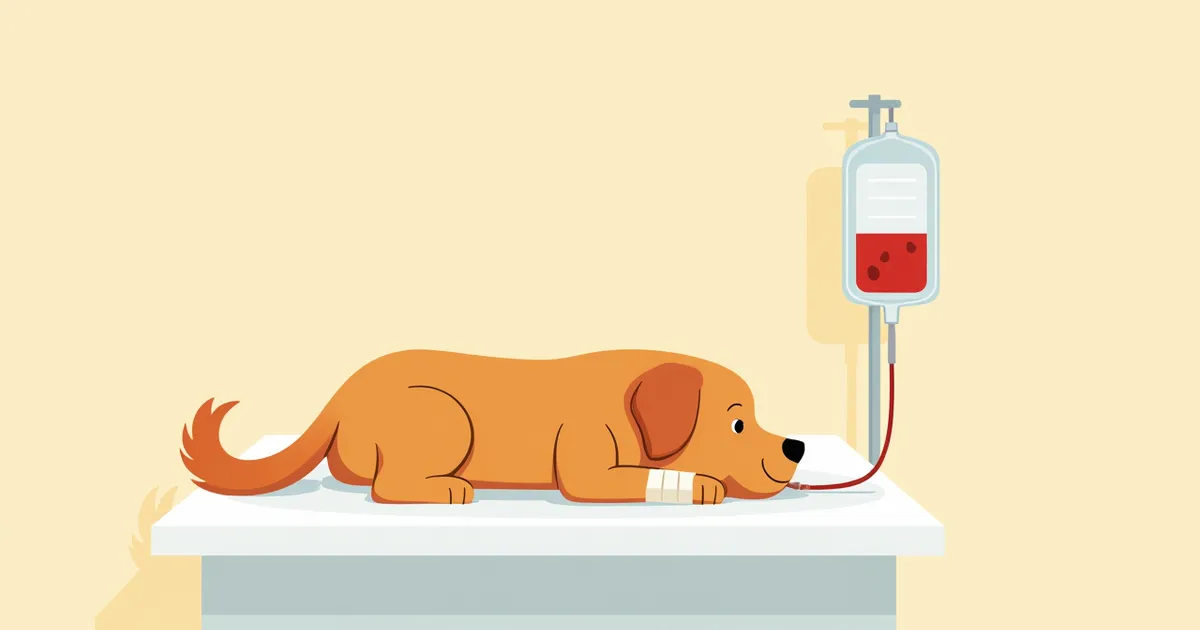
Treatment for ketoacidosis is conducted in a hospital setting, focusing on insulin injections, intravenous fluids to rehydrate, electrolyte regulation, and the elimination of ketone bodies. Insulin is essential for lowering blood glucose levels and suppressing ketone production. Intravenous fluids replenish water and electrolytes, helping to restore kidney function and stabilize acid-base balance. Throughout treatment, blood glucose and ketone levels are continuously monitored. Once the condition stabilizes, home care continues with insulin injections and dietary management. Delaying treatment significantly increases the risk of complications.
At the hospital, the cat is receiving insulin injections and intravenous therapy.

How to Manage at Home?

After recovering from ketoacidosis, it is essential to follow your veterinarian’s instructions for regular insulin injections and blood glucose monitoring. Administer insulin at the same time each day and coordinate it closely with meal times. Manage your cat’s diet to minimize blood glucose fluctuations, but always consult your veterinarian to determine the appropriate diet and avoid making changes on your own. You can monitor your cat’s condition at home using a blood glucose meter. If you notice behavioral changes, decreased appetite, or vomiting, ketoacidosis may have recurred, so seek veterinary care immediately. Relapse is not uncommon in cats after discharge, so regular check-ups and consistent care by the owner are key to preventing recurrence.
While the cat is on a low-carbohydrate diet, the owner is preparing the blood glucose meter.

Comparison of Symptoms and Responses by Stage of Ketoacidosis

ItemMain SymptomsManagement
MildDecreased appetite, slight vomitingMeasure blood glucose, consult a veterinarian
ModerateRepeated vomiting, drowsiness, lethargyImmediate hospital visit, blood and urine tests
SevereDecreased responsiveness/coma, severe dehydrationEmergency treatment, hospitalization needed

Because worsening symptoms become life-threatening, early management is important.

Caution: Excessive Insulin Administration Is Dangerous

Incorrectly adjusting the insulin dosage can cause blood sugar levels to drop too low, resulting in hypoglycemia. This condition can lead to seizures or loss of consciousness, so never adjust the dose on your own without veterinary guidance.

Reviewed by a veterinarian

Dr. Tony — Punnawat Phongkittirak

Dr. Tony — Punnawat Phongkittirak

Veterinarian

A veterinarian who majored in veterinary medicine at Khon Kaen University, Thailand, and completed the IVSA program at North Carolina State University in the United States. Drawing on clinical experience at animal hospitals, he works in the pet healthcare field and is dedicated to building a digital care environment that connects pet parents with veterinarians.

Frequently Asked Questions

Is ketoacidosis common in cats?
In some cats with diabetes, the condition can develop as a result of underlying health issues, and because early symptoms are often vague, it can be difficult to detect. However, with early treatment, recovery is possible.
Can ketoacidosis be cured?
Proper management of diabetes, the underlying condition, can reduce the risk of ketoacidosis recurrence. However, since relapses after discharge are not uncommon in cats, lifelong vigilance is necessary.
Can I measure blood sugar at home?
Yes, you can measure blood sugar at home using a glucometer and test strips. Your veterinarian will show you how to do it.
What dietary management should be followed after ketoacidosis?
Dietary management is important for minimizing blood sugar fluctuations, and it’s safest to determine the right diet for your cat in consultation with your veterinarian. Please follow your vet’s tailored prescription and avoid making any changes on your own.
What should I do if ketoacidosis recurs?
You should go to the vet right away. If it comes back, treatment will take longer and the risk of complications will increase.

Share

Related Guides

References

[1] Plumb's Veterinary Drug Handbook, 9th Edition, 2022

[2] Clinical Medicine of the Dog and Cat, 4th Edition, 2020

[3] BSAVA Manual of Canine and Feline Endocrinology, 2018

This information is based on veterinary literature and does not replace diagnosis or treatment. Please consult a veterinarian for specific health concerns.

Metapet Co., Ltd. | CEO: Park Sung-yong | Business Reg. No. 417-88-02562 | Seoul, South Korea | Customer Center

Feline Diabetic Ketoacidosis: Emergency Signs You Can't Miss | Meongsiljang