Like
Share
멍실장
발바닥 만지기 적응 훈련 방법

My Dog Hates Having Its Paws Touched — A Step-by-Step Desensitization Training Guide

ImmunityQ&AMeongsiljang Veterinary Advisory Board

Here’s a step-by-step paw-handling desensitization program for pets that flinch or snap when their paws are touched. At just 1–2 minutes a day over four weeks, anyone can do it.

What Is Paw-Touching Desensitization?
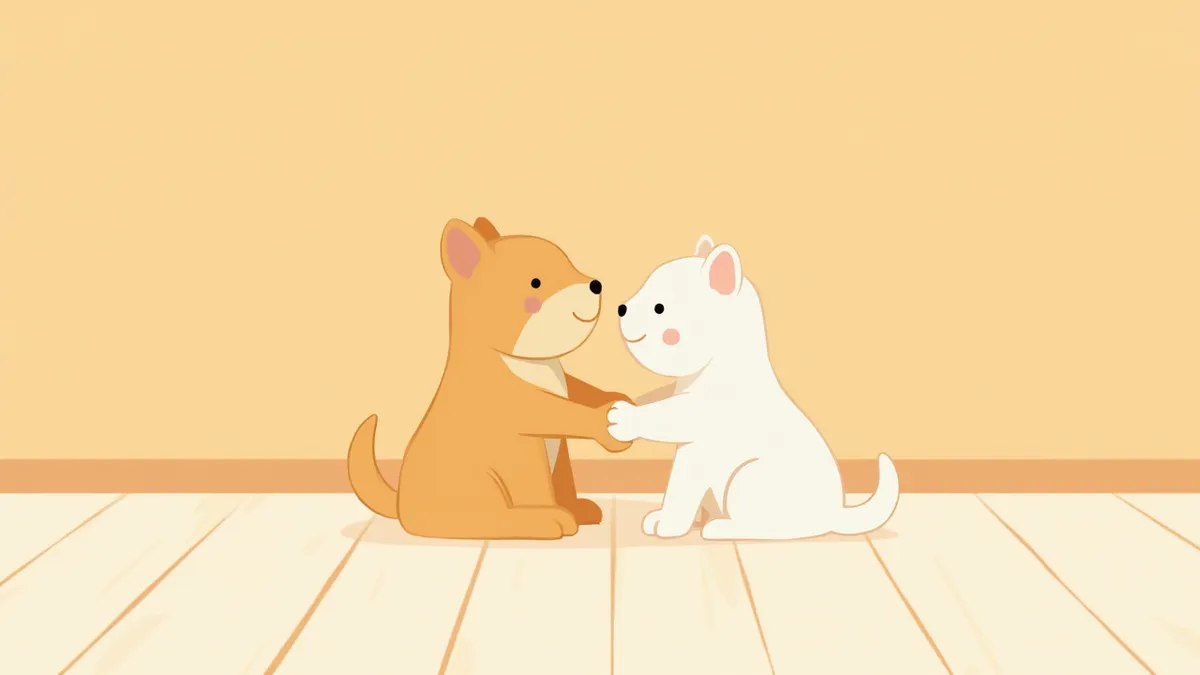
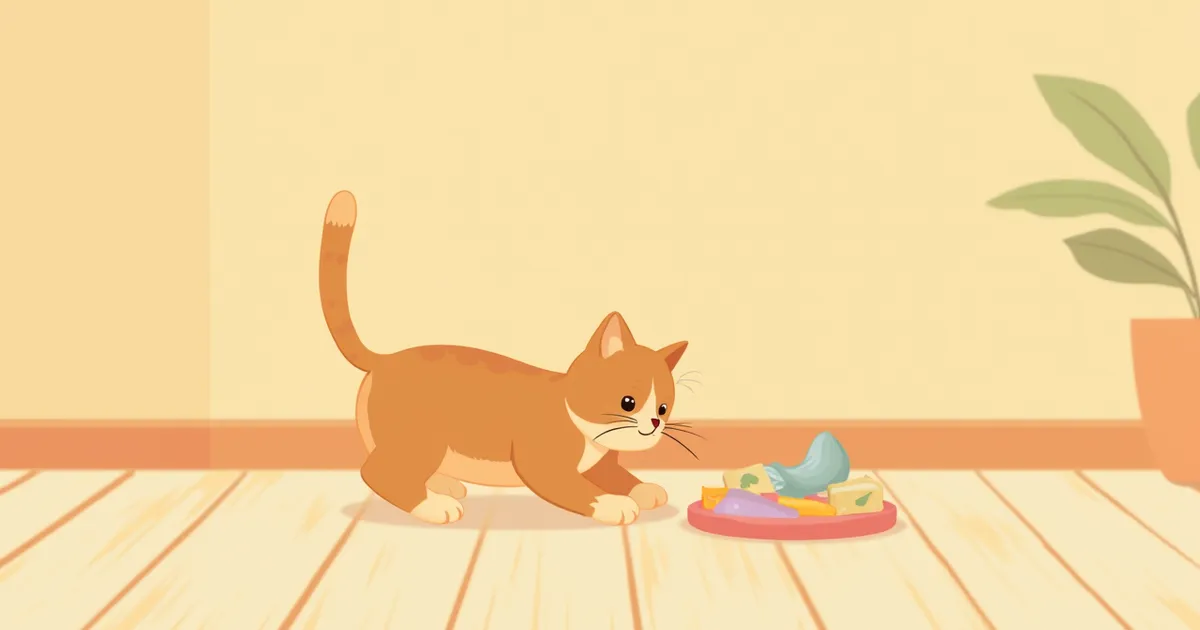
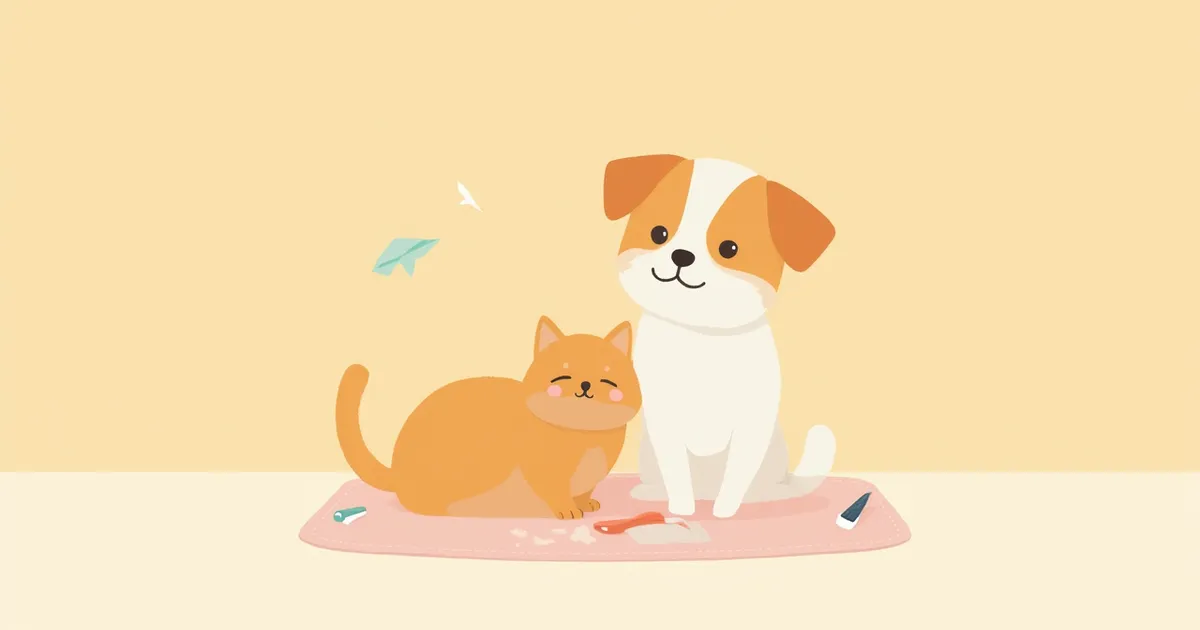
The gentle hands of a pet owner holding the paws of a dog and a cat
Paw-touching desensitization is a positive reinforcement training method that gradually teaches dogs and cats to accept having their paws and claws handled without anxiety or resistance. The key is to keep sessions short, frequent, and consistent. Since this skill proves invaluable throughout their lives for nail care, post-walk cleaning, and veterinary examinations, it’s best to start early. However, even adult dogs and cats can gradually reduce their anxiety around paw handling through consistent counterconditioning training.

Why Is Paw-Touching Desensitization Training Necessary?

A pet’s paws are a sensitive area that many animals instinctively protect from touch. If you force handling without first desensitizing them, they will initially show discomfort through subtle signals like lip-licking, yawning, or turning their head away. Ignoring these cues and continuing to handle their paws can lead to learned avoidance or aggressive responses, such as fleeing or biting, and may condition a fear of paw handling. Conversely, gradually and positively acclimating your pet makes nail trimming, checking for paw pad injuries, and veterinary palpation exams much more comfortable. This is especially helpful for dogs that go for walks, as their paws often need frequent cleaning due to dirt, rocks, and de-icing agents.

4-Week Step-by-Step Desensitization Program

This is a step-by-step approach based on the principles of desensitization and counter-conditioning. Repeat each step thoroughly until your pet is completely comfortable, and only move on to the next step when you judge that they are accepting it without tension. If you notice any signs of tension at a given step, the right answer is to go back to the previous step.

Training Content by Week

ItemWeek 1Week 2Week 3Week 4
GoalBrushing near the pawTouching the paw padTouching between the toesGetting used to the nail clipper
TimeUnder 5 seconds10–15 seconds20–30 secondsUnder 1 minute
Times per Day3–5 times3–5 times2–3 times1–2 times
RewardImmediate treatImmediate treat + praiseTreat + pettingTreat + play
CheckpointAccepts without tensionOK even when the pad is pressed firmlyOK to separate toes one by oneNo reaction when facing the tool

If your pet becomes tense at an earlier stage, go back one step immediately.

Three Principles to Increase Success Rates
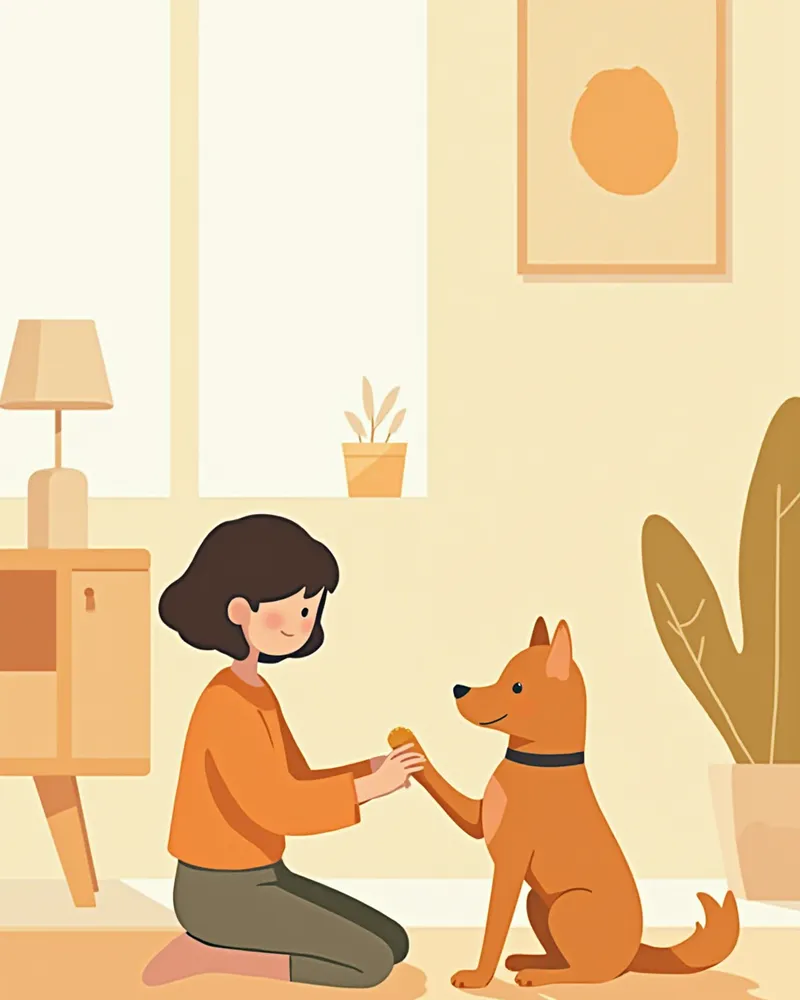
First, train when your pet is hungry. About one to two hours before a meal, they’ll be much more focused on treat rewards. Second, choose a quiet space. Noises from the TV or vacuum cleaner can distract them. Third, only train when they’re in a good mood. Avoid training right after a walk when they’re excited or immediately after waking from a nap. It’s important to end training on a positive note. If your pet shows signs of stress, keep the session short, leave them with a successful experience, and end right away.
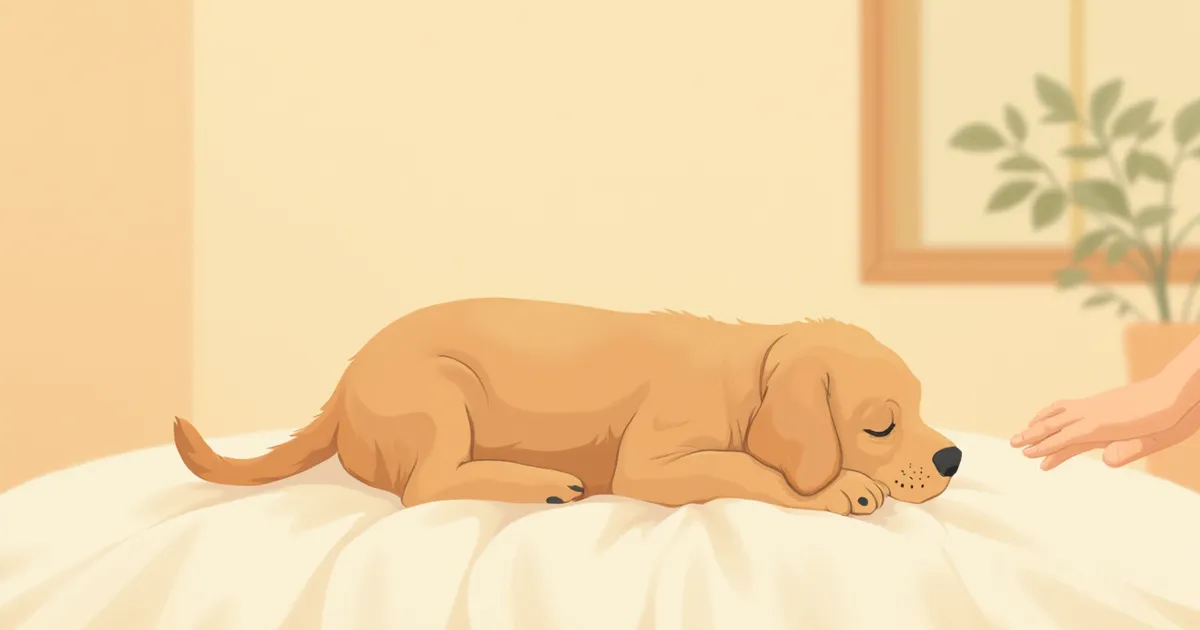
A pet owner gently holding their dog's paw while offering a treat

Stress Signals That Indicate You Should Stop Training

If you notice any of the following signs, stop the training immediately and wait until your pet calms down. Ignoring these cues and continuing can worsen paw-touching phobia. - Dogs: Lip licking, repeated yawning, showing the whites of the eyes, ears pinned back, tail tucked between legs, growling - Cats: Rapid tail-tip flicking, ears flattened, dilated pupils, whiskers flattened backward, low vocalizations If aggressive responses persist, consult a veterinary behaviorist.

What If Your Pet Already Dislikes Having Its Paws Touched?
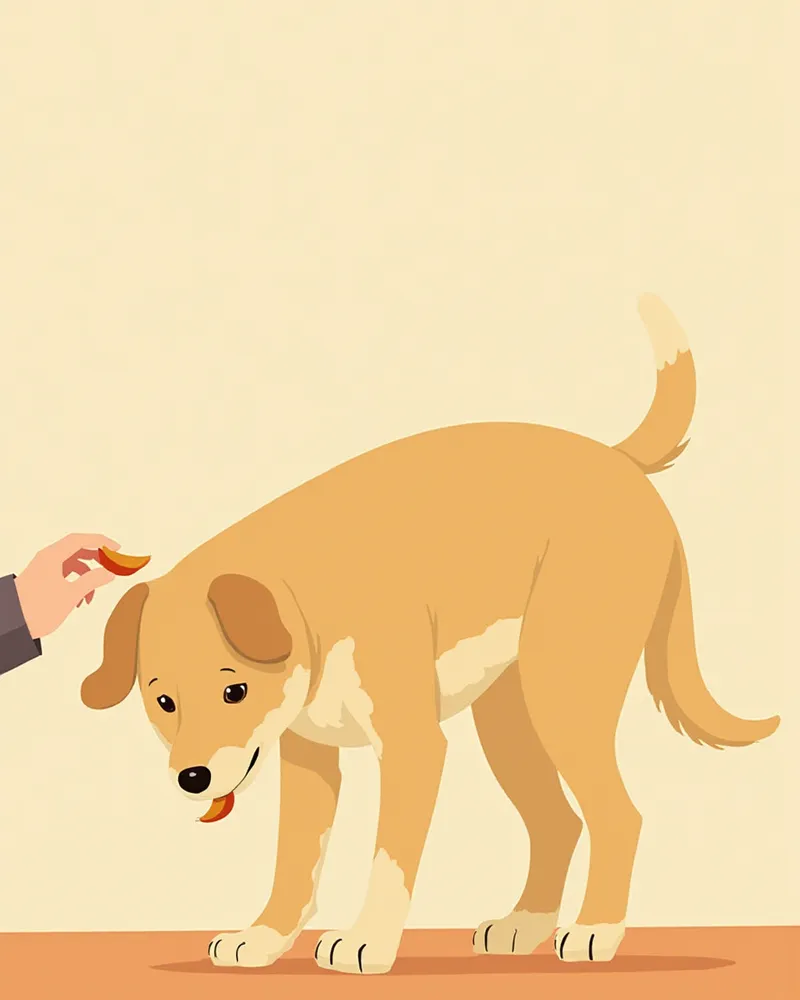
If your adult dog or cat already has paw trauma, we recommend using counter-conditioning. Start by offering treats from a distance where they can see their paws without feeling threatened. Repeat this for several days to create a new association: “paws = something tasty.” Gradually decrease the distance until you’re back to where you started. While this process requires more time and patience with older animals, consistent counter-conditioning training can lead to meaningful improvement in most cases. Avoid rushing and approach it as a long-term project. You may also find our Basic Guide to Dog Training helpful.
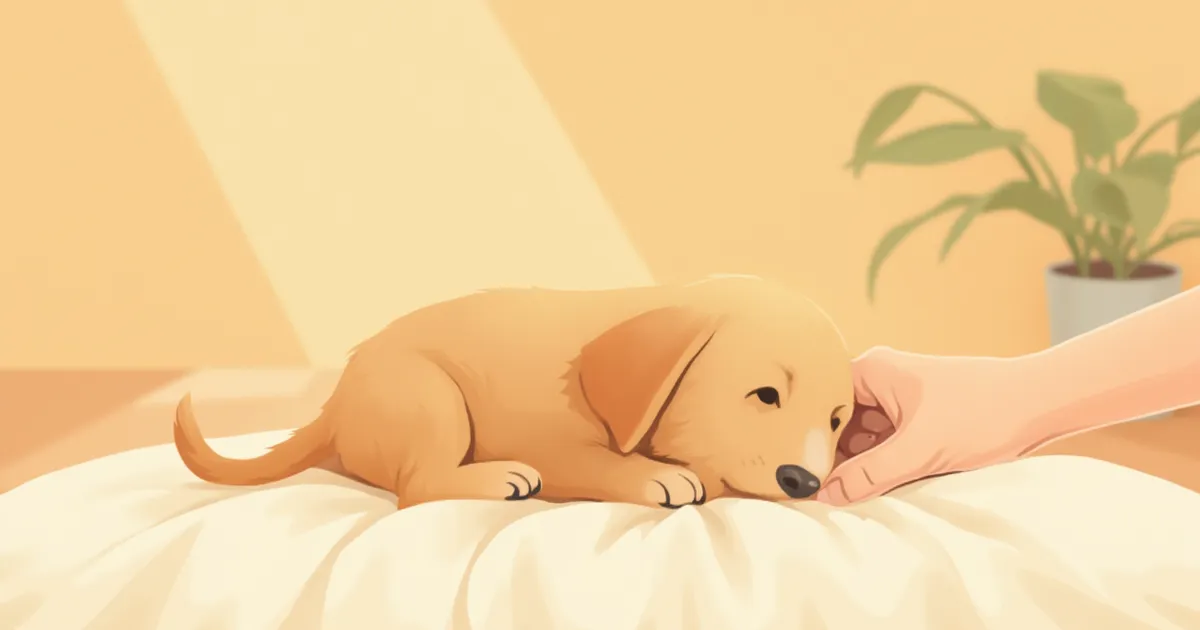
A cautious adult dog sniffing a treat, with its owner’s hand nearby

Special Points for Cat Desensitization Training

Training sessions for cats should be shorter than those for dogs. Just as the socialization-sensitive period ends earlier in cats than in dogs, it is important to keep exposure to handling stimuli brief and positive. Treat rewards also differ from those used for dogs; cats tend to prefer lickable forms, such as tuna pâté or Churu. If you notice tension signals during training, such as rapid twitching of the tail tip or flattened ears, stop immediately. Once negative experiences accumulate, it can take considerable time to rebuild a cat’s trust.

Utilizing the Socialization Period for Puppies and Kittens

The sensitive period for socialization is approximately 3 to 14 weeks of age for puppies and 3 to 7 weeks (up to 9 weeks) for kittens. During this window, positively touching sensitive areas such as the paws, ears, and inside of the mouth helps them accept handling comfortably for life. Puppy classes and kitten care programs emphasize handling training during this critical time. However, since vaccinations are not yet complete, avoid activities that involve placing their paws on outdoor surfaces; instead, conduct these exercises at home while holding them in your arms.

Reviewed by a veterinarian

Dr. Tony — Punnawat Phongkittirak

Dr. Tony — Punnawat Phongkittirak

Veterinarian

A veterinarian who majored in veterinary medicine at Khon Kaen University, Thailand, and completed the IVSA program at North Carolina State University in the United States. Drawing on clinical experience at animal hospitals, he works in the pet healthcare field and is dedicated to building a digital care environment that connects pet parents with veterinarians.

Frequently Asked Questions

My dog tries to bite me whenever I touch his paws. Should I keep trying?
No, if your pet is already showing aggressive responses, stop any forced training immediately. Instead, restart with counterconditioning by rewarding your pet with treats just for showing its paws. Pushing too hard can cause the aggression to become a learned behavior.
How much training should my pet have each day?
Short, frequent sessions are far more effective than long, infrequent ones. The key is to adjust the length and frequency of each session so that your pet ends on a positive note. Always wrap up before signs of tension appear, leaving them with a successful experience.
Can adult dogs be trained too?
Yes, it is possible. Although it takes longer than with puppies, consistent counterconditioning training can lead to meaningful improvement in most cases. However, if the trauma is severe, I recommend consulting a veterinary behaviorist.
Are rewards other than treats also effective?
Treats are the most effective reward for dogs. For cats, Churu treats and tuna puree work best, though some cats prefer being petted or brushed. Find what your pet enjoys most.
Your pet runs away as soon as you take out the nail clippers. What should you do?
Your pet has developed a fear of the tool itself. Start by placing the nail clippers on the floor and scattering treats nearby. This process, known as counterconditioning, helps your pet associate the tool with the appearance of treats.

Share

Related Guides

References

[1] Overall KL, Manual of Clinical Behavioral Medicine for Dogs and Cats, Elsevier, 2013

[2] Yin S, Low Stress Handling, Restraint and Behavior Modification of Dogs & Cats, CattleDog Publishing, 2009

[3] AAHA Canine and Feline Behavior Management Guidelines, 2015

This information is based on veterinary literature and does not replace diagnosis or treatment. Please consult a veterinarian for specific health concerns.

Metapet Co., Ltd. | CEO: Park Sung-yong | Business Reg. No. 417-88-02562 | Seoul, South Korea | Customer Center

My Dog Hates Paw Touching? A Step-by-Step Desensitization | Meongsiljang