

How to Help Your Dog Who Refuses Brushing Adapt — A Step-by-Step Training Method Without Resistance
This is a step-by-step desensitization training method for pets who dislike having their teeth brushed. The key is to gradually get them comfortable over the course of four weeks, starting with simply touching their mouth and progressing all the way to actual brushing.
What Is Toothbrushing Adaptation Training?
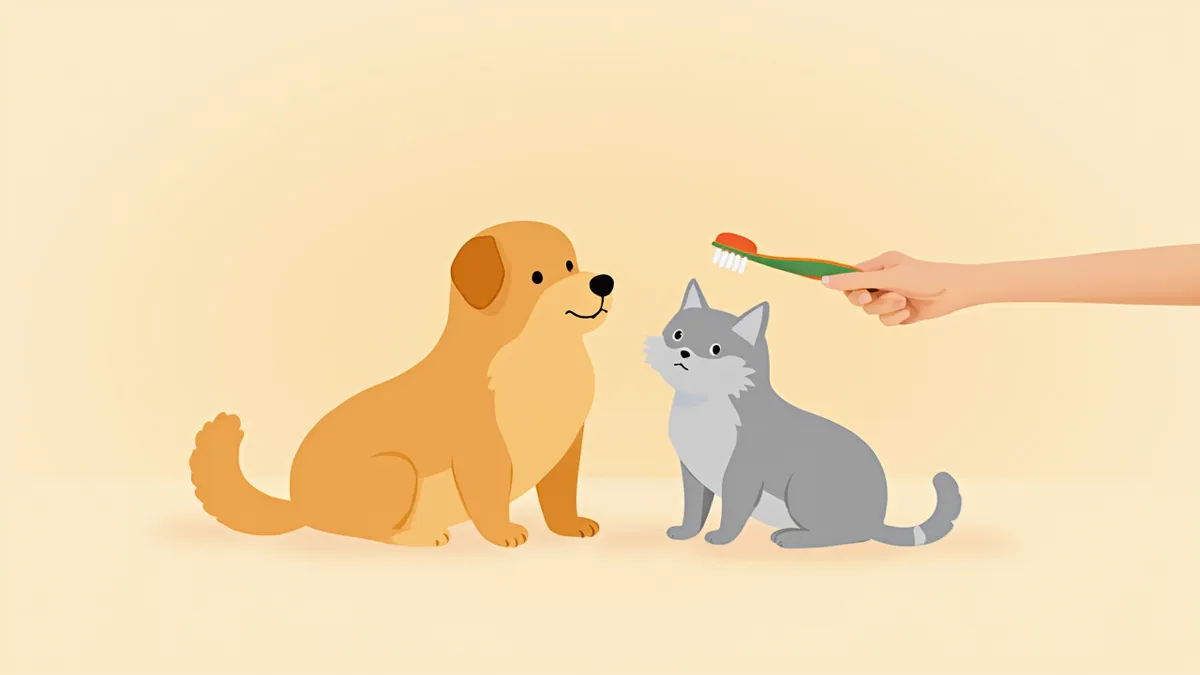
Why Is Adaptation Training Necessary?
Summary of the 5 Training Steps by Duration
Duration and Goals for Each Step
| Item | Duration | Target Behavior |
|---|---|---|
| Stage 1 | 3–5 days | Allows touching around the mouth |
| Stage 2 | 3–5 days | Lifts the lips to expose the teeth |
| Stage 3 | 5–7 days | Rubbing the teeth with a finger |
| Stage 4 | 5–7 days | Using gauze or a finger toothbrush |
| Stage 5 | 7+ days | Using a regular toothbrush and toothpaste |
Takes 3–4 weeks total. If the dog resists, return to the previous stage
Steps 1–2: Getting Used to Touching Around the Mouth

Steps 3–4: Rubbing with Fingers and Gauze
Stop Immediately If You See These Signs
If your cat growls, bares its teeth, tucks its tail, flattens its ears, or trembles during training, stop immediately. Forcing the session can damage the bond of trust with you and cause your cat to associate tooth brushing with trauma. Cats are particularly sensitive to stress and may become aggressive even when you simply approach their mouth. In such cases, take a break for two to three days and return to the previous step.
Step 5: Actual Brushing with a Real Toothbrush
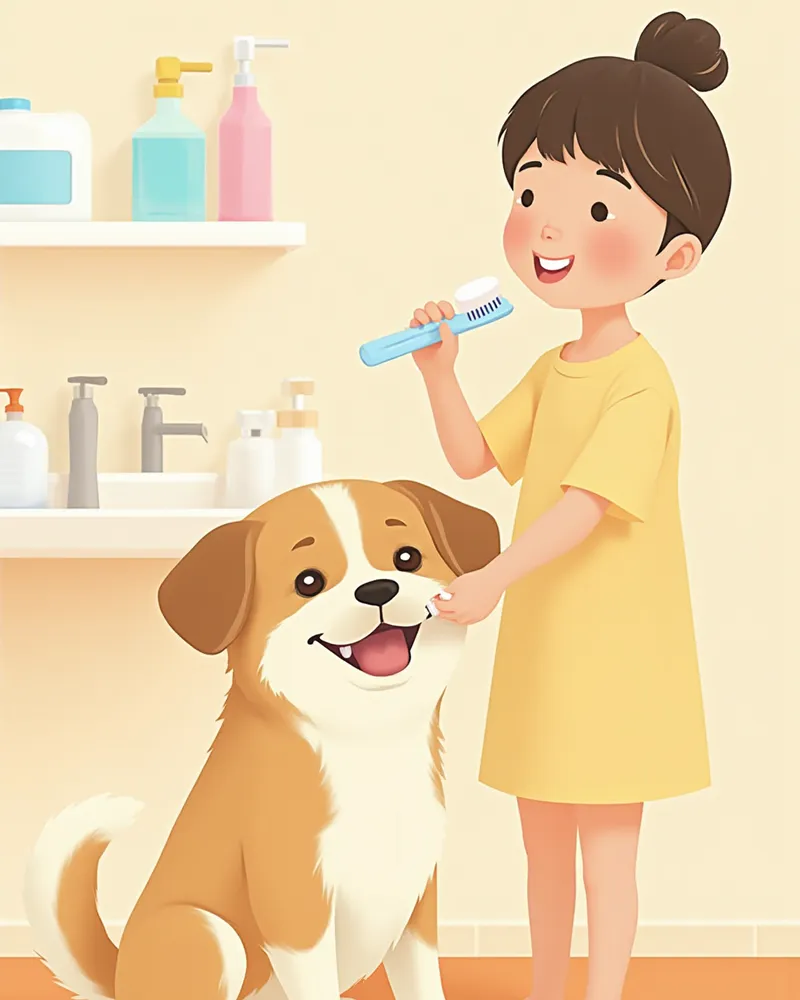
Reward Strategies to Increase Success Rates
Cat Toothbrushing Adaptation Takes Longer
Cats are generally more sensitive to oral handling than dogs, so they need more time to get used to tooth brushing. Adult cats that weren’t trained from a young age may require a significantly longer adjustment period. Avoid rushing the process; allow about a week for each step. If your cat simply won’t adapt, discuss alternative options with your veterinarian, such as dental tartar-control treats, toothpaste gels, or water additives.
Reviewed by a veterinarian

Dr. Tony — Punnawat Phongkittirak
VeterinarianA veterinarian who majored in veterinary medicine at Khon Kaen University, Thailand, and completed the IVSA program at North Carolina State University in the United States. Drawing on clinical experience at animal hospitals, he works in the pet healthcare field and is dedicated to building a digital care environment that connects pet parents with veterinarians.
Reviewed 2026-04-27
Frequently Asked Questions
At what age is it best to start training your dog to have its teeth brushed?
Does it mean brushing your pet’s teeth every day is pointless if you can’t do it?
What should I do if my dog bites during training?
Can I use human toothpaste?
Can dental chews or tartar-control treats replace brushing?
Share
Related Guides

7 Best Cat Dental Chews for Tartar Prevention Recommended by Veterinarians and Selection Criteria
Top 5 Recommended Dental Treats for Dogs in 2026 — VOHC Certification Criteria

7 Criteria for Choosing Dog Tartar Prevention Dental Chews Recommended by Veterinarians
The Ultimate Guide to Ear Medication Administration and Schedule
How to Administer Eye Drops to Dogs and Cats

Types and Usage of Gastrointestinal Medications (Including Omeprazole)

Types and Precautions of NSAID Pain Relievers for Dogs and Cats

Long-Term Steroid Use in Dogs and Cats: Side Effects and Safe Management
How to Care for Drainage Tubes in Dogs and Cats

Suture Removal Timing and Precautions for Dogs and Cats
References
[1] Rawlings JM, Gorrel C, Markwell PJ. Effect on canine oral health of adding chlorhexidine to a dental hygiene chew. J Vet Dent. 1998;15(3):129-134.
[2] Lomb J, Mauger A, von Keyserlingk MAG, Weary DM. Effects of positive reinforcement training for heifers on responses to a subcutaneous injection. Appl Anim Behav Sci. 2021.
[3] Applied Veterinary Clinical Nutrition, 2nd Edition - Oral Health Chapter