
If Your Cat’s Heart Is Beating Too Slowly — Causes and Treatment of Bradycardia and Atrioventricular Block
Feline bradycardia and atrioventricular block are conditions in which the heart rate slows or electrical conduction is impaired due to abnormalities in the heart’s conduction system. Early detection and appropriate management are key to improving survival rates.

Feline Beta-Blocker Heart Disease — From Mechanism of Action to Side Effects and Administration Precautions
Feline beta-blocker heart disease is a cardiac condition caused by medications that affect heart function. Early detection and proper management are crucial.

If Your Cat’s Heart Is Beating Irregularly — Atrial Fibrillation Symptoms and Treatment Timing
Feline atrial fibrillation is a condition in which the heart’s electrical rhythm becomes irregular, leading to reduced blood flow. Early detection and proper management are crucial. Symptoms can range from none at all to difficulty breathing.

Complete Guide to Feline Antiarrhythmic Medications — Types, Effects, and Side Effect Management
Feline antiarrhythmic medications help regulate heart rhythm, but they may cause side effects. Accurate diagnosis and proper management are essential.
ACE Inhibitors for Cats: A Comprehensive Guide to Efficacy, Side Effects, and Administration Management
ACE inhibitors are medications used to regulate blood pressure in cats, but they can sometimes cause side effects that impact heart function. Accurate diagnosis and proper management are essential.
If Your Cat’s Abdomen Is Gradually Distending — When Feline Cardiac Ascites and Abdominocentesis Are Needed
Feline ascites (cardiac ascites) is a condition in which fluid accumulates in the abdominal cavity due to impaired heart function, with difficulty breathing and abdominal distension being the main symptoms. Early diagnosis and proper management are essential.

Dark Spots in Your Dog's Vision — Causes of Floaters and When to Visit the Vet
Canine floaters occur when cloudy particles develop in the vitreous humor, causing dark spots or specks to appear in the dog's field of vision. This condition can arise from various causes, including aging, trauma, or underlying diseases.
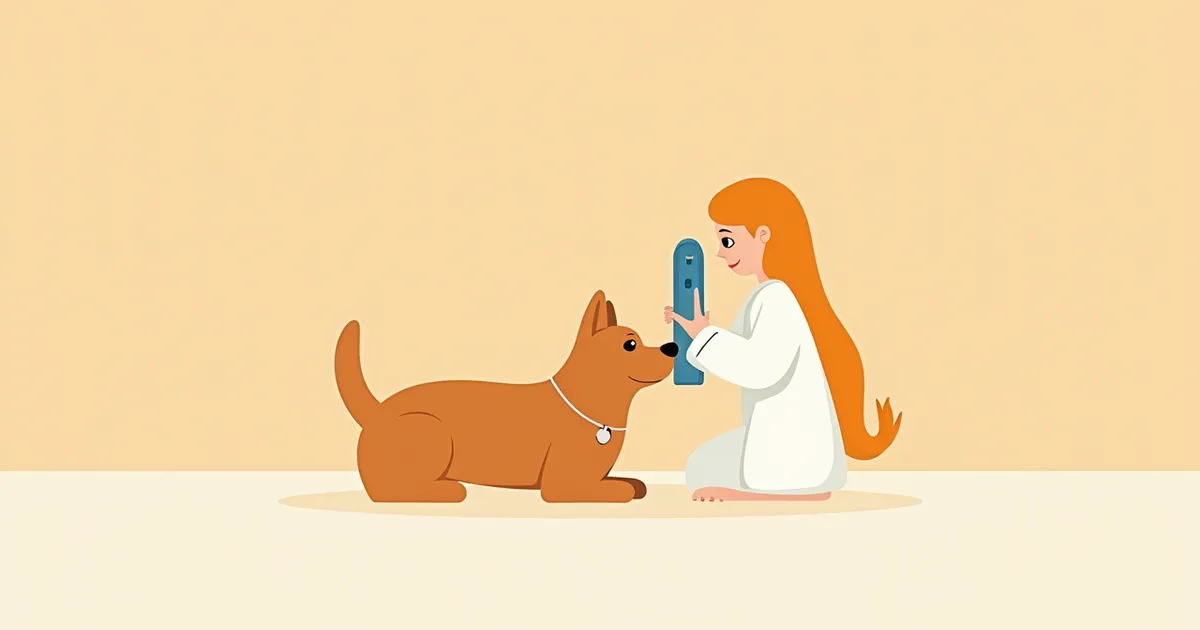
Measuring Your Dog’s Intraocular Pressure (Tonometry) — Early Detection of Glaucoma and How to Read the Numbers
Measuring your dog’s intraocular pressure is a key test for the early detection of eye diseases. Abnormal pressure can be an early sign of serious conditions like glaucoma.

If Your Dog’s Eyes Are Crossed — Causes of Strabismus and When to Seek Treatment
Strabismus, commonly known as cross-eyedness in dogs, is an eye condition where the eyes do not align properly. It can be caused by genetic factors or nerve damage. Early detection and proper management are crucial for preserving your dog's vision.

The Complete Guide to the Schirmer Tear Test for Dogs — Key to Early Detection of Dry Eye
The Schirmer tear test for dogs measures tear production and helps identify the cause of dry eyes or excessive tearing. Regular testing is essential for maintaining eye health.

If Your Dog Suddenly Loses Vision — Warning Signs of Retinal Detachment and Emergency Response
Canine retinal detachment is a serious eye condition that can lead to vision loss or even blindness. Early detection and appropriate treatment are crucial.

If Your Senior Dog Keeps Bumping Into Things in the Dark — Causes and Management of Retinal Degeneration
Canine retinal degeneration and age-related retinal changes are conditions that lead to progressive vision loss due to aging or genetic factors. Early detection and proper management are crucial.

If Your Dog’s Pupils Are Unequal in Size — Causes of Anisocoria and When to Visit the Vet
Abnormalities in a dog’s pupils, such as anisocoria (unequal pupil size), occur when one pupil differs from the other in size or light response and can signal neurological issues or eye disease. Early detection and accurate diagnosis are essential.

Canine Ocular Ultrasound Examination — When Is It Needed and What Can It Detect?
Canine ocular ultrasound is a diagnostic method that allows for non-invasive visualization of the internal structures of the eye. It is essential for the early detection of ocular injuries, diseases, and tumors.

Foreign Bodies in a Dog’s Eye — First Aid and When to See a Vet
Foreign bodies in a dog’s eye can cause acute pain and vision loss, so prompt action is essential. Prevent complications with an accurate diagnosis and appropriate first aid.

If Your Dog’s Tears Keep Flowing — Causes of Nasolacrimal Duct Obstruction and When to Treat
Nasolacrimal duct obstruction in dogs occurs when tears cannot drain properly, leading to a moist area around the eyes and split hair. The causes can include anatomical abnormalities, inflammation, or trauma.

If Your Dog’s Eyes Suddenly Become Red and Painful — Emergency Signs and Response for Lens Luxation
Canine lens luxation is a condition in which the lens inside the eye shifts out of its normal position, potentially causing pain and vision loss. Early detection and appropriate treatment are essential.

My Dog’s Eye Discharge Is Sticky — Symptoms and Treatment Points for Keratoconjunctivitis Sicca (KCS)
Canine keratoconjunctivitis sicca (KCS), commonly known as dry eye, is a condition in which insufficient tear production leads to dryness and inflammation of the eyes. Early detection and proper management are essential.

Cyclosporine Treatment for Canine Keratoconjunctivitis Sicca — Efficacy and Lifelong Management Points
Keratoconjunctivitis sicca (dry eye) in dogs is a condition caused by insufficient tear production, and cyclosporine is the primary treatment. Early diagnosis and consistent management are essential.

If Your Dog’s Eye Color Has Changed — Symptoms of Intraocular Tumors and When to Visit the Vet
Canine intraocular tumors are growths that develop inside the eye, making early detection crucial. Key symptoms include vision loss, bulging of the eye, and changes in the eye’s appearance.
If Your Dog Suddenly Loses Vision — Causes and Treatment Timing for Hypertensive Retinopathy
Hypertensive retinopathy in dogs is a condition where high blood pressure causes damage to the retina, making early detection crucial. Symptoms include vision loss, increased tear production, and bleeding within the eye.

If Your Dog’s Eyeball Suddenly Protrudes — Emergency First Aid for Globe Prolapse and the Golden Time
Canine globe prolapse is an emergency condition in which the eyeball protrudes from the socket, and it occurs especially frequently in brachycephalic (flat-faced) breeds. Immediate veterinary care is essential.

If Your Dog’s Vision Suddenly Blurs — Causes of Glaucoma and Treatment Timing
Glaucoma in dogs is a condition where increased intraocular pressure damages the optic nerve, making early diagnosis and appropriate treatment essential. With medication and surgery, the progression of the disease can be halted and vision preserved.
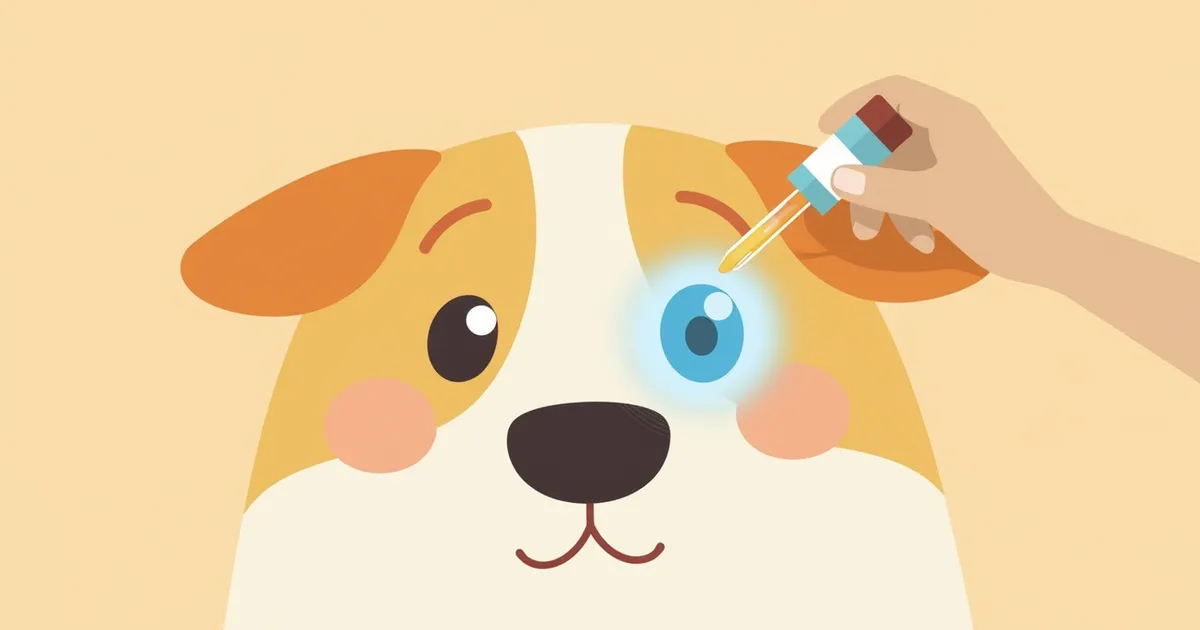
Complete Guide to Canine Fluorescein Corneal Staining: Why It’s Necessary and How to Interpret Results
Fluorescein staining of the cornea is a key diagnostic method for checking for corneal damage in dogs. If your dog has persistent tearing or repeatedly squints, they should be examined immediately.