
Canine Eyelid Tumors: Symptoms, Causes, Diagnosis, Treatment, and Management Essentials
Canine eyelid tumors are benign or malignant growths that develop around the eye, and early detection and appropriate treatment are essential to prevent vision loss. Here’s a summary of the main symptoms and how to manage them.

If Your Dog Has Severe Tear Staining — Causes and Management of Tear Stains
Excessive tearing and tear staining in dogs are common symptoms caused by abnormal tear production or structural issues in the eyes. Identifying the exact cause and providing appropriate care is essential.

If Your Dog’s Eyelids Are Drooping — Causes of Ectropion and Surgical Timing
Canine ectropion is a condition in which the eyelid turns outward, exposing the eye and increasing the risk of pain and infection, making early diagnosis important. It is primarily associated with breed-specific traits and genetic factors.

If Your Diabetic Dog’s Eyes Look Cloudy — Causes of Diabetic Cataracts and Timing for Surgery
Canine diabetic cataracts are a condition in which the lens of the eye becomes cloudy due to diabetes, potentially leading to rapid vision loss. Early detection and management are crucial.

If Your Dog Keeps Squinting — Causes and the Golden Window for Treating Corneal Ulcers and Erosions
Corneal ulcers in dogs are painful conditions caused by damage to the surface of the eye, often resulting from trauma, infection, or insufficient tear production. Early diagnosis and appropriate treatment are essential to prevent vision loss.

If Your Dog’s Pupil Has Turned Dark — Causes of Corneal Pigmentation and Warning Signs of Vision Loss
Corneal pigmentation in dogs is a condition characterized by the appearance of black or brown spots on the eye, primarily caused by genetic factors and age. Early detection and regular check-ups are essential.

If Your Dog’s Eye Is Discharging Fluid — Warning Signs of Corneal Perforation and the Emergency Golden Hour
Corneal perforation in dogs is an emergency condition in which the eye’s outer protective layer ruptures, posing a high risk of vision loss and infection. Early detection and appropriate treatment are essential.

If Your Dog’s Eyes Are Cloudy — Causes, Diagnosis, and Treatment Timing for Corneal Edema
Canine corneal edema is a condition in which fluid accumulates in the eye, causing cloudiness, and is primarily caused by trauma, infection, or genetic factors. Early detection and appropriate treatment are essential.

If Your Dog’s Eyes Are Red and Bloodshot — Conjunctivitis Symptoms, Causes, and When to Treat
Canine conjunctivitis is a condition in which the conjunctiva—the tissue surrounding the eye—becomes inflamed, often due to infection, allergies, or mechanical irritation. Early detection and appropriate treatment are essential.

If a Red Lump Appears in Your Dog’s Eye Corner — Causes, Treatment, and Management Points for Cherry Eye
Cherry eye in dogs is an eye condition where the third eyelid prolapses inward, appearing as a red, fleshy mass. Early diagnosis and appropriate treatment are essential.

Canine Cataracts: Symptoms, Causes, Diagnosis, Treatment, and Management Essentials
Canine cataracts are a condition in which the lens of the eye becomes cloudy, leading to vision loss. Common causes include aging, genetics, and diabetes. Early detection and proper management are essential.

Cataract Surgery (Phacoemulsification) in Dogs: Symptoms, Causes, Diagnosis, Treatment, and Management Essentials
Cataract surgery (phacoemulsification) for dogs is an ophthalmic procedure aimed at restoring vision, with age, genetics, and diabetes being the primary causes. Accurate diagnosis and proper management are essential.
Feline Vitreous Opacity: Symptoms, Causes, Diagnosis, Treatment, and Management Tips
Feline vitreous opacity is an eye condition in which cloudy particles float within the vitreous body, affecting vision. It can be caused by various factors such as aging, trauma, and inflammation, making early detection important.
If Your Cat’s Eyes Are Red — Causes of Uveitis and When to Seek Treatment
Feline uveitis is a condition in which the inner structures of the eye become inflamed, potentially causing pain and vision loss. Early detection and appropriate treatment are essential.
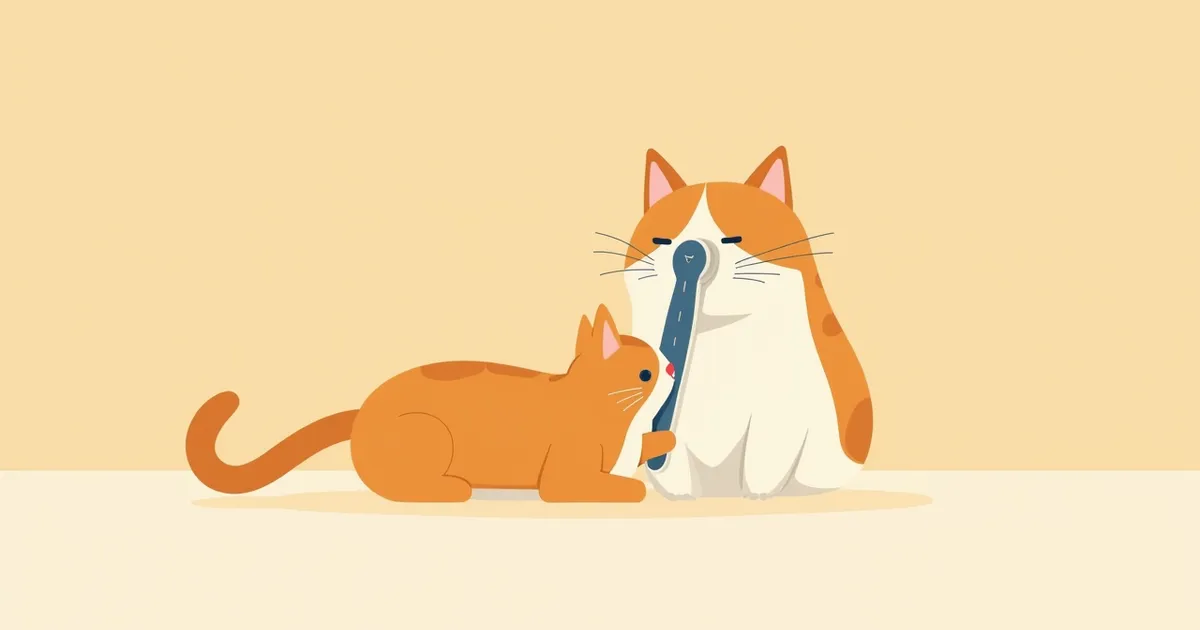
Measuring Intraocular Pressure in Cats (Tonometry) — Timing for Glaucoma Detection and Interpreting Results
Measuring intraocular pressure in cats is a key test for the early detection of eye diseases. If the pressure falls outside the normal range, the risk of serious conditions such as glaucoma increases significantly.
If a White Film Covers Your Cat’s Eye — Health Signals and Causes of Third Eyelid Prolapse
Feline cherry eye occurs when the third eyelid on the inner corner of the eye protrudes outward. Because it can cause pain and infection, early detection is crucial. The underlying causes vary, including genetics, trauma, and inflammation, so an accurate diagnosis and appropriate treatment are essential.

If Your Cat’s Eyes Are Crossed — Causes of Strabismus and Warning Signs to See a Vet
This condition, where a cat’s eyes appear misaligned, can result from neurological abnormalities or muscle issues. Early detection and accurate diagnosis are key to effective treatment.
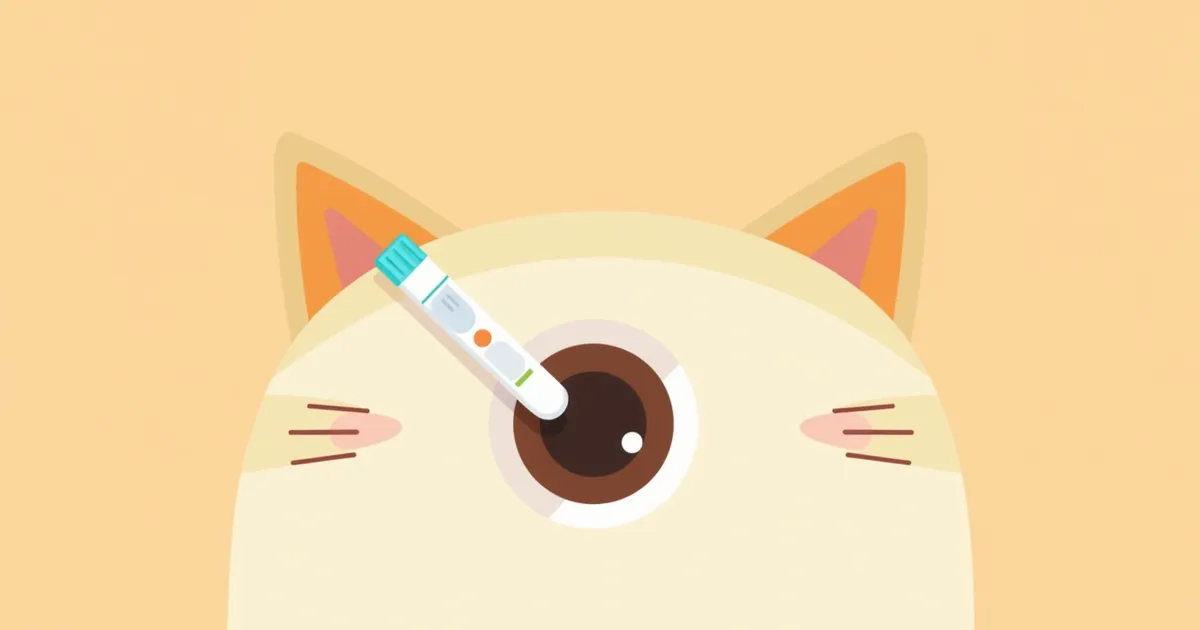
Cat Schirmer Tear Test — Key to Diagnosing Dry Eye and Interpreting Results
The Schirmer tear test for cats is a diagnostic method that measures tear production and is used to evaluate symptoms of dry eyes or excessive tearing. For an accurate diagnosis, it must be performed by a veterinarian.
If Your Cat’s Vision Is Blurring — A Complete Guide to Retinal Degeneration, Age-Related Retinal Changes, and Management
Feline retinal degeneration and age-related retinal changes are conditions in which vision gradually declines due to aging, making early detection and proper management essential.

If Your Cat’s Pupils Are Different Sizes — Causes of Anisocoria and Emergency Diagnosis Points
Abnormalities in a cat's pupils occur when one pupil differs from the other in size or reactivity, and can be caused by infections, trauma, or neurological disorders. Early detection and accurate diagnosis are essential.

Feline Ocular Ultrasound — Key Points for Diagnosing Cataracts, Tumors, and Retinal Detachment
Feline ocular ultrasound is a non-invasive diagnostic method that precisely evaluates abnormalities within the internal structures of the eye. Your veterinarian may recommend this test if your cat exhibits symptoms such as vision loss or eye pain.

How to Clean Your Cat’s Eye Discharge — Safe Eye Cleaning and Flushing Methods and Warning Signs
Proper eye cleaning is essential for maintaining your cat’s eye health. Since incorrect cleaning can irritate the eyes, it’s important to know the right way to do it.

If Your Cat Suddenly Can’t Open Its Eye — Emergency First Aid for Foreign Bodies and When to See a Vet
A foreign object in a cat’s eye is an emergency that can cause acute pain and risk vision loss. Prompt assessment and appropriate action are essential.

If Your Cat’s Tears Won’t Stop — Causes of Nasolacrimal Duct Obstruction and When to Seek Treatment
Feline nasolacrimal duct obstruction is a condition in which tears cannot drain properly, causing them to pool or leak onto the surrounding fur. It can be caused by a variety of factors, including infection, trauma, or congenital structural abnormalities.