
When Your Cat Suddenly Has Trouble Breathing — Warning Signs of Pulmonary Arterial Hypertension and When to Visit the Vet
Feline pulmonary arterial hypertension is a condition in which pressure in the pulmonary arteries remains persistently elevated, increasing the workload on the heart, so early detection is crucial. The underlying causes can vary, including lung disease, cardiac abnormalities, and vascular disorders.
Complete Guide to Pimobendan Therapy in Cats — Effects, Side Effects, and Administration Management
Pimobendan therapy is a standard treatment for improving heart function in cats. This medication enhances the heart's contractility and relaxes blood vessels, helping to alleviate symptoms of heart failure.

If Your Cat Suddenly Becomes Lethargic — Symptoms and Treatment Timing for Pericardial Effusion and Cardiac Tamponade
Feline pericardial effusion is a condition in which excess fluid accumulates around the heart, impairing its function, and pericardial tamponade can be a life-threatening emergency. Early diagnosis and appropriate treatment are essential.

If Your Cat’s Heart Rate Is Too Slow — When to Insert a Pacemaker and Key Care Points
Inserting a pacemaker in cats is a necessary procedure when their heart rate becomes too slow, leading to impaired cardiac function. This is a vital treatment that can help sustain life.

Cat Cardiac Blood Tests: NT-proBNP and Troponin — Complete Guide to Interpreting Values and Management
NT-proBNP and troponin are key biomarkers for the early detection of cardiac dysfunction in cats. These markers are essential tools for assessing the progression and severity of heart disease.

If Your Cat Suddenly Becomes Lethargic — Symptoms of Myocarditis and When to Seek Treatment
Feline myocarditis is a condition in which inflammation of the heart muscle impairs cardiac function, making early detection crucial. Although cats may show no symptoms, the disease can progress to heart failure or even sudden death.
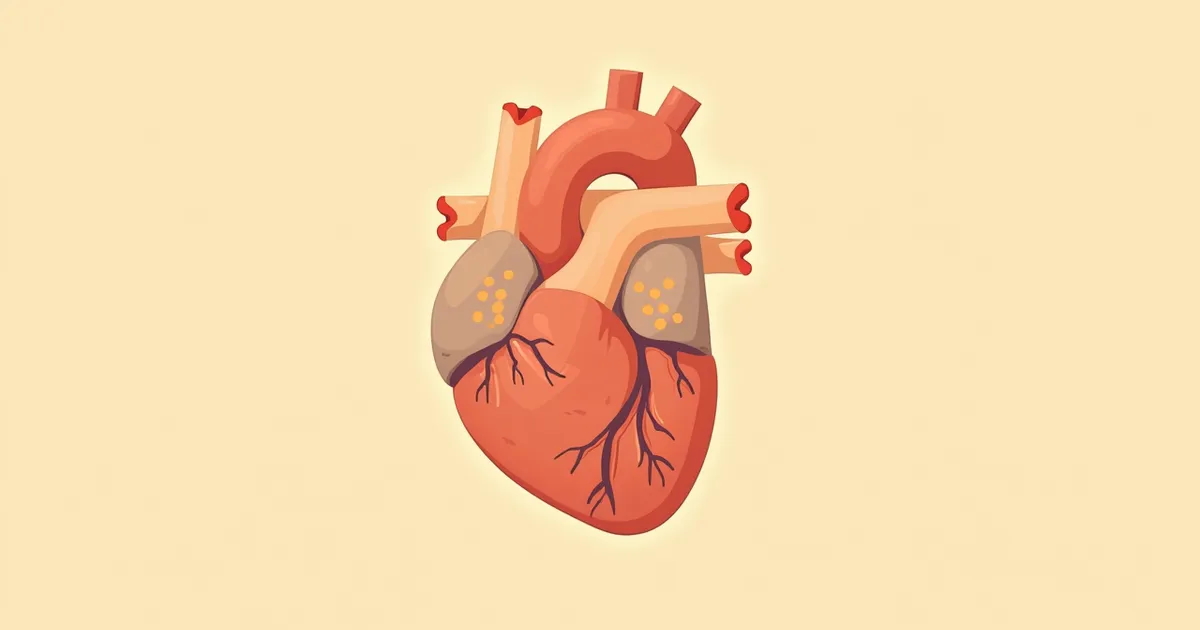
If Your Cat Keeps Having a Fever — Causes of Endocarditis and Timing for Treatment
Feline endocarditis is a condition in which bacteria invade the heart valves and cause inflammation, making early detection the key to successful treatment. Although the symptoms are nonspecific, they can lead to serious complications.

Feline Hypertrophic Cardiomyopathy (HCM): Symptoms, Causes, Diagnosis, Treatment, and Management Essentials
Feline hypertrophic cardiomyopathy (HCM) is a condition in which the heart muscle abnormally thickens, leading to impaired cardiac function. Genetic factors play a major role, making early detection and management essential.

If Your Cat Suddenly Disappears — Causes of Hypertensive Heart Disease and When to Visit the Vet
Feline hypertensive heart disease is a condition in which chronic high blood pressure places strain on the heart, leading to impaired cardiac function. Early detection and management are essential.

Feline Heart Failure ACVIM Stages — Symptoms, Diagnosis, and Treatment by Stage at a Glance
Feline heart failure is classified into four stages by the ACVIM based on the degree of cardiac dysfunction, and early detection along with appropriate management can significantly extend survival. We provide a comprehensive guide covering symptoms, causes, diagnosis, and treatment options.

Complete Guide to Feline HCM Genetic Testing — How to Know Before Symptoms Appear
Hypertrophic cardiomyopathy in cats is a heart disease with a strong genetic component, making genetic testing especially important for Maine Coon and Ragdoll breeds. Early diagnosis and management can improve survival rates.
Complete Guide to Furosemide in Cats — From Mechanism of Action to Side Effects and Management
Furosemide, a diuretic used in cats to treat heart failure, can worsen cardiac function as a side effect. Accurate diagnosis and careful management are essential.

Sudden Hindlimb Paralysis in Your Cat — Warning Signs of Aortic Thromboembolism and Emergency Treatment Timing
Feline aortic thromboembolism is an acute condition in which a blood clot blocks the aorta due to underlying heart disease, causing sudden paralysis and pain. Early diagnosis and treatment are critical for survival.

How Much Can a Cat with Heart Disease Move? — Exercise Restriction and Safe Daily Management Tips
Exercise restriction for cats with heart disease means reducing their activity level due to impaired cardiac function. Early detection and proper management are key to improving survival rates.

A Complete Guide to Feline Electrocardiograms (ECG) — From the Procedure to Arrhythmia Diagnosis
An electrocardiogram (ECG) is a key diagnostic tool for early detection of abnormal heart rhythms in cats. It is essential to perform this test whenever heart disease is suspected.
If Your Cat’s Heart Is Beating Irregularly — Warning Signs of Ectopic Beats and When to Visit the Vet
Feline ectopic beats are abnormal heart rhythms caused by irregular electrical signals in the heart. Early diagnosis and management are essential.
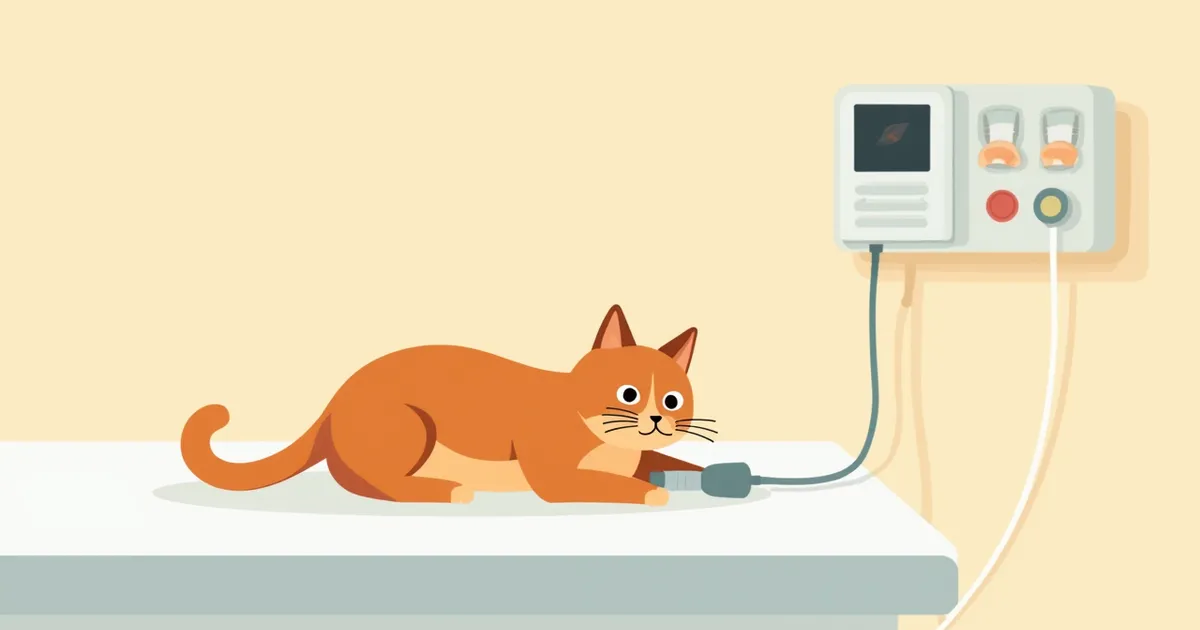
A Complete Guide to Feline Cardiac Ultrasound (Echocardiogram) — From Costs to Result Interpretation
A feline cardiac ultrasound (echocardiogram) is a key diagnostic tool that precisely evaluates the structure and function of the heart. It’s a test recommended by veterinarians, and it plays a vital role in the early detection of heart disease.

If Your Cat Suddenly Has Difficulty Breathing — Emergency Care for Heart Failure and When to Go to the Vet
Early detection is key to saving a cat’s life when it comes to congestive heart failure. We’ve summarized the emergency symptoms, causes, diagnostic methods, treatment options, and care tips in one easy-to-read guide.

Preparing for Cat Heart Surgery: Valve Repair, PDA Ligation, and Recovery Care Points
Feline heart surgery is a treatment aimed at improving cardiac function compromised by valvular abnormalities or a patent ductus arteriosus (PDA). Early diagnosis and appropriate surgical intervention significantly improve survival rates.

Complete Guide to Prescription Diets for Cats with Heart Disease — When to Start and How to Feed
Prescription diets for cats with heart disease are specially formulated to support compromised cardiac function. Proper dietary management is essential for extending lifespan and improving quality of life.

How Long Can Our Cat Live with Heart Disease? Key Factors Affecting Prognosis and Management
Feline heart disease often shows no symptoms in its early stages, but early diagnosis and management significantly impact the prognosis. The most common condition is hypertrophic cardiomyopathy (HCM), and the prognosis varies depending on the disease stage and the cat’s age.

Feline Heart Disease Progressing Without Symptoms — The Critical Timing for Early Screening
Feline heart disease can progress rapidly because early symptoms are often subtle, making early screening crucial. Regular check-ups and recognizing warning signs are key.

Is anesthesia safe for cats with heart disease? — Risk signals to check before dental procedures
Feline heart disease can increase the risks associated with dental procedures. Early diagnosis and thorough management are essential.

Complete Guide to Breed-Specific Predisposition to Feline Heart Disease: Key Symptoms, Screening, and Management
The risk of heart disease varies by cat breed. Breeds such as the Maine Coon, Black Persian, and British Shorthair have a higher genetic predisposition, making early diagnosis and management essential.