
If Your Cat Ingested an Iron Supplement — Poisoning Symptoms and When to Go to the Vet
Even if initial symptoms of iron supplement toxicity in cats appear to improve, the condition can deteriorate rapidly due to liver damage and shock 12 to 24 hours later. If ingestion is confirmed, contact a veterinary clinic immediately, regardless of whether symptoms are present.
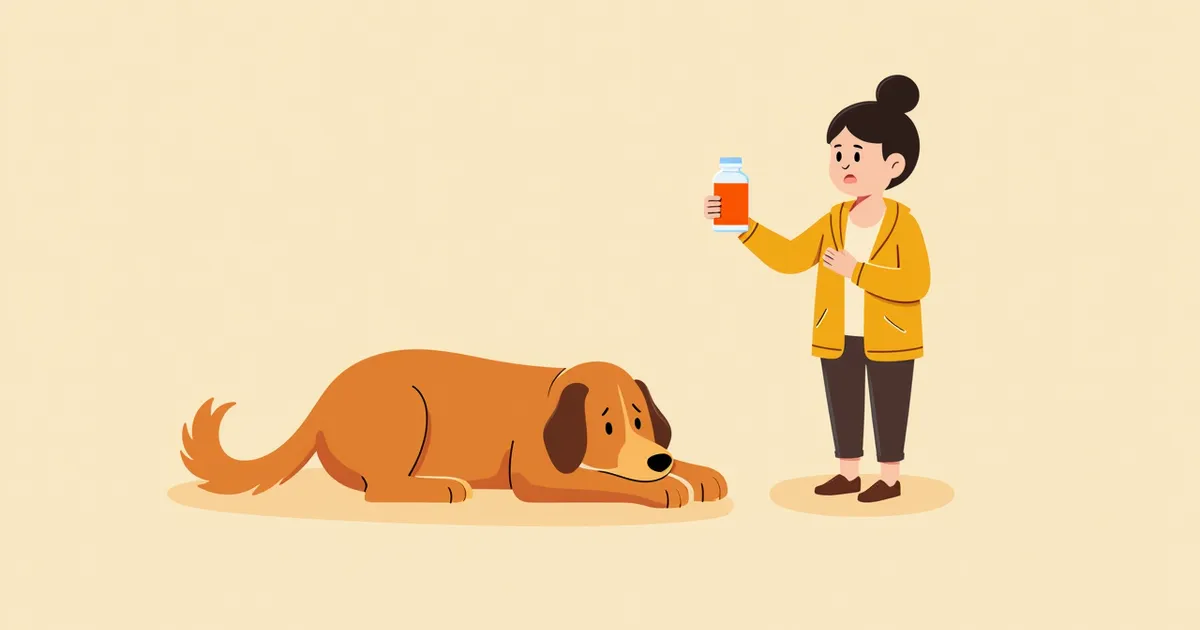
If Your Dog Ingested Iron Supplements — Toxicity Symptoms, First Aid, and Dangerous Ingestion Levels
If a dog ingests too much iron supplement, it can lead to severe poisoning that progresses through four stages, from gastrointestinal damage to liver failure. Emergency treatment within six hours of ingestion is crucial for determining the outcome.
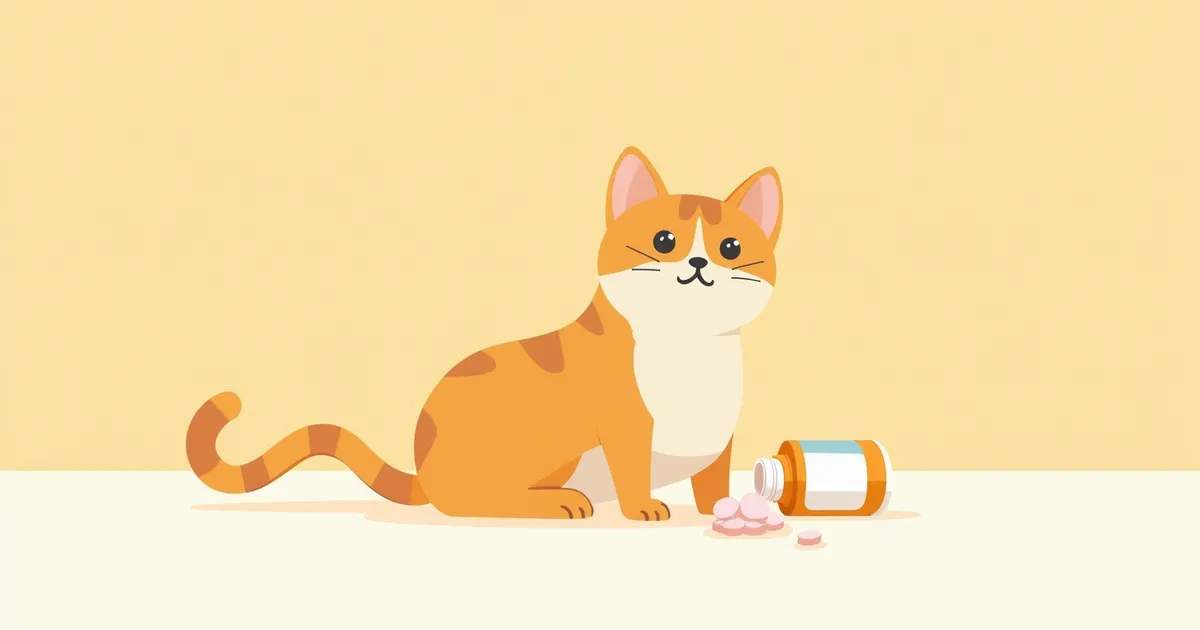
The Danger of a Single Supplement — Cat Vitamin D Toxicity Symptoms and Emergency Response
Vitamin D toxicity in cats is an emergency toxic condition that leads to hypercalcemia after ingestion of rat poison or human supplements. We’ve summarized the key symptoms, dangerous ingestion levels, emergency response steps, and prevention methods.

Vitamin D Overdose in Dogs — From Kidney Toxicity Warning Signs to Emergency Response and Prevention
When dogs consume excessive amounts of vitamin D, their blood calcium levels can rise sharply, leading to a toxic condition where calcium deposits accumulate in the kidneys, heart, and blood vessels. Learn more about the early symptoms, emergency care, treatment process, and prevention methods.

If You Applied Dog Medication to a Cat — Permethrin Toxicity Symptoms and Emergency Response Timing
Permethrin products formulated for dogs can cause fatal poisoning in cats. We’ve compiled everything pet owners need to know, from a symptom checklist and first aid steps to treatment options and prevention strategies.
If Your Cat Is Exposed to Organophosphates — From Poisoning Symptoms to Emergency Treatment and Detoxification
Organophosphate poisoning in cats is a toxic condition caused by organophosphate compounds found in pesticides and insecticides, which overstimulate the nervous system. Because symptoms can become life-threatening within hours, immediate emergency treatment is essential right after exposure.

If Your Dog Ingested Pesticide — Symptoms of Organophosphate Poisoning and Emergency Response Timing
Based on veterinary expertise, we’ve compiled information on the symptoms, emergency response steps, hospital treatment procedures, and home prevention measures for dogs exposed to organophosphate components in pesticides and insecticides.
If Your Cat Ingested Slug Bait — Metaldehyde Poisoning Symptoms and Emergency Response
If a cat ingests slug bait containing metaldehyde, neurotoxic signs such as seizures and hyperthermia may appear within 1–2 hours of ingestion. Regardless of whether symptoms are present, you should take your cat to an emergency veterinary clinic immediately if ingestion is suspected.

If Your Dog Ingested Slug Bait — Poisoning Symptoms and Emergency Response
Here’s a summary of the neurotoxic symptoms, immediate emergency response steps, dangerous ingestion levels, and prevention guidelines for dogs that have ingested slug bait (metaldehyde).
If Your Dog Swallowed a Coin — Zinc Poisoning Symptoms, Dangerous Ingestion Levels, and Prevention
We’ve compiled the symptoms that occur when dogs ingest zinc-containing items such as coins, diaper cream, or metal parts, along with guidelines on when to seek immediate veterinary care, as well as treatment and prevention methods.

Cat Keeps Vomiting and Is Lethargic — Lead Poisoning Warning Signs and Treatment Timing
Lead poisoning in cats is a dangerous condition that triggers toxic reactions throughout the nervous and digestive systems. We’ve compiled a veterinary-evidence-based guide covering key symptoms such as seizures, vomiting, and gait abnormalities, along with emergency response steps, treatment options, and prevention strategies.
If Your Dog Ingested Ibuprofen — Poisoning Symptoms, First Aid, and Dangerous Dosages
Ibuprofen poisoning in dogs is a medical emergency that can severely damage the gastrointestinal tract and kidneys, even in small amounts. Prompt treatment immediately after ingestion is crucial for a positive prognosis.
If Your Cat Ingested Rat Poison — From Bleeding Symptoms to Detox, Emergency Care, and Prevention
When you suspect your cat has ingested rat poison (rodenticide) directly or consumed a poisoned rodent, we’ve outlined the symptoms by type of rodenticide, criteria for immediate veterinary care, and post-discharge home care.

If Your Cat Licked Coffee — Caffeine Poisoning Symptoms and Emergency Response Timing
Caffeine in coffee, tea, and energy drinks is extremely dangerous for cats. We’ve compiled a summary of poisoning symptoms, hazardous intake levels, emergency response steps, and prevention measures based on veterinary advice.

When Your Dog Eats Macadamia Nuts — From Poisoning Warning Signs to Emergency Response and Prevention
Macadamia nut toxicity in dogs is a neuro-muscular condition that can cause hindlimb weakness, fever, and vomiting even after small ingestions. If you suspect your dog has eaten macadamia nuts, contacting a veterinarian immediately is the top priority.

Why Avocado Is Dangerous for Cats — Poisoning Symptoms and Emergency Response Timing
Avocado contains persin, a toxic substance that can cause serious damage to a cat’s heart and respiratory system. We’ve compiled a comprehensive guide based on veterinary advice, covering symptoms, dangerous ingestion levels, emergency response steps, and prevention tips.
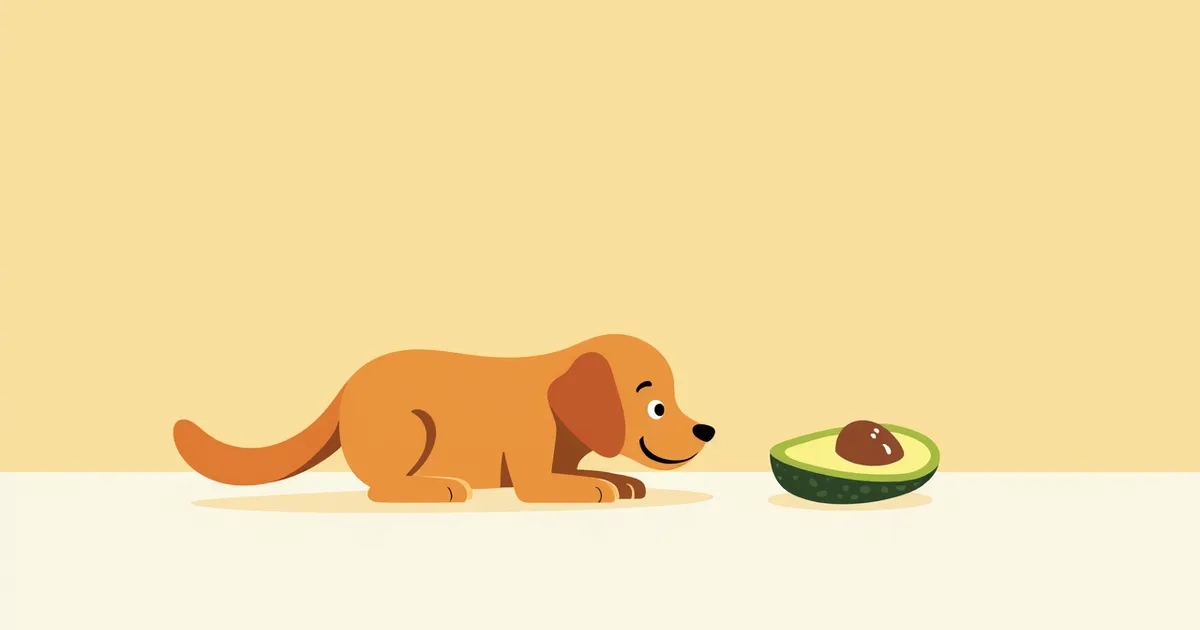
If Your Dog Ate Avocado — From Poisoning Symptoms to Emergency Treatment and Prevention
Avocados contain persin, a toxic compound that can damage your dog’s heart, digestive system, and respiratory tract. Here’s a veterinary-backed guide on which parts of the fruit are most dangerous and the emergency steps to take immediately after ingestion.

My Dog Ate Grapes — A Complete Guide from Kidney Failure Warning Signs to Emergency Treatment
If your dog eats grapes or raisins, it can lead to acute kidney failure. Even if there are no symptoms, you should contact a veterinary clinic immediately.

If Your Cat Ate Onions or Garlic — From Anemia Symptoms to Emergency Treatment and Dangerous Ingestion Levels
If a cat eats onions or garlic, it can lead to hemolytic anemia, where red blood cells are destroyed. Emergency treatment within 24 hours of ingestion can be life-saving.

If Your Dog Ate Onions or Garlic — Anemia Symptoms, Emergency Care, and Dangerous Intake Levels
Onion and garlic poisoning in dogs is a dangerous condition that can destroy red blood cells and lead to hemolytic anemia. Based on veterinary advice, we’ve compiled information on symptoms, emergency response steps, dangerous intake levels, and prevention methods.

If Your Dog Keeps Licking Its Paws — Causes, Treatment, and Recurrence Management for Interdigital Dermatitis
Interdigital cysts in dogs are a skin condition characterized by inflammation and abscesses between the toes. Since treatment varies depending on the underlying cause, prompt diagnosis and identification of the root cause are key to recovery.

Crusts on Your Cat’s Nose Bridge May Not Be a Simple Wound — Causes and Treatment Timing for Pemphigus
Feline pemphigus is an autoimmune skin disease in which the immune system mistakenly attacks the cat’s own skin cells. It causes crusts and blisters on the face, ears, and paw pads, and requires long-term immunosuppressive therapy.

Feline Eosinophilic Granuloma: Symptoms, Causes, Diagnosis, Treatment, and Management Essentials
Feline eosinophilic granuloma is a skin condition in which excessive accumulation of eosinophils in the skin causes chronic inflammatory lesions. Here’s a summary of the symptoms, causes, diagnosis and treatment methods, and management strategies to prevent recurrence for each of the three forms.

If You Find a Lump on Your Cat’s Skin — Causes and Drainage Treatment for Skin Abscesses
Feline skin abscesses are bacterial infections in which pus accumulates under the skin, typically following a fight or injury. Early detection and prompt veterinary treatment are key to recovery.