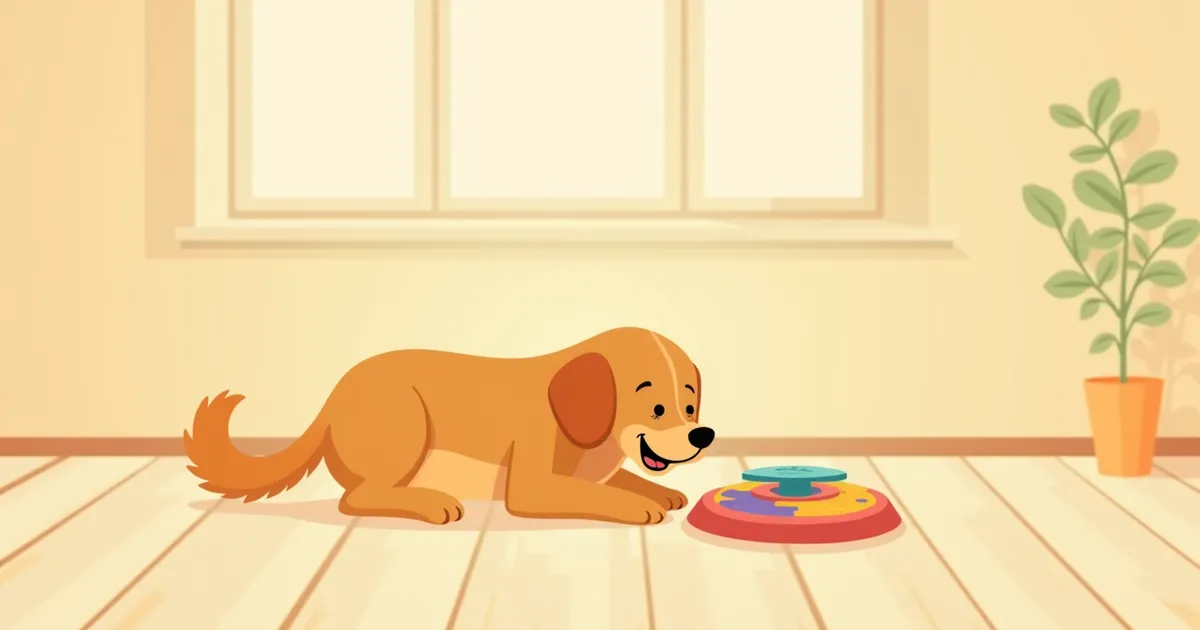
Why Does My Dog Keep Exhibiting Problem Behaviors? — Causes and 5 Environmental Enrichment Strategies
Enriching your dog’s environment satisfies their natural instincts and helps prevent destructive and compulsive behaviors. We’ve summarized the five types of enrichment along with the SMART x 50 management method.

Is Medication for Your Dog’s Behavior Truly Necessary? — Timing and Signs of Side Effects
Our veterinary advisory team has compiled information on the types of behavior-modifying medications used for separation anxiety, aggression, and compulsive behaviors in dogs, as well as diagnostic methods and key points for home care.
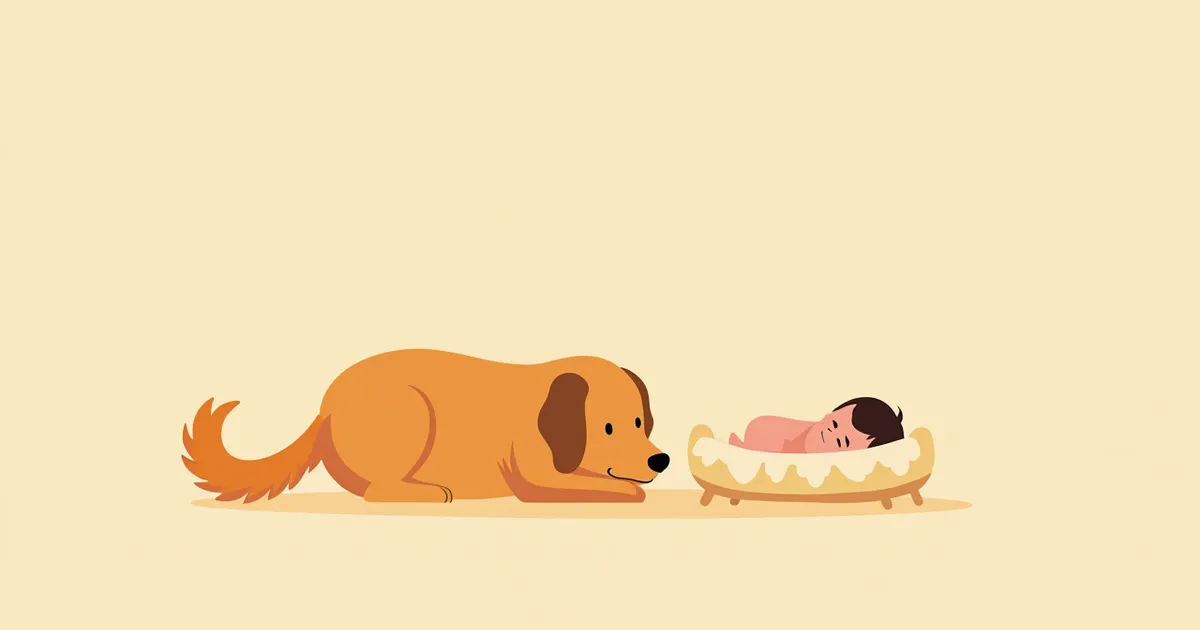
Changes in Your Dog After the Baby Arrives — Causes of Behavioral Changes and Safe Adaptation Management
We’ve compiled a guide explaining why a mother dog may bark more or become lethargic after giving birth, along with a symptom checklist and veterinarian-recommended care tips you can implement at home.
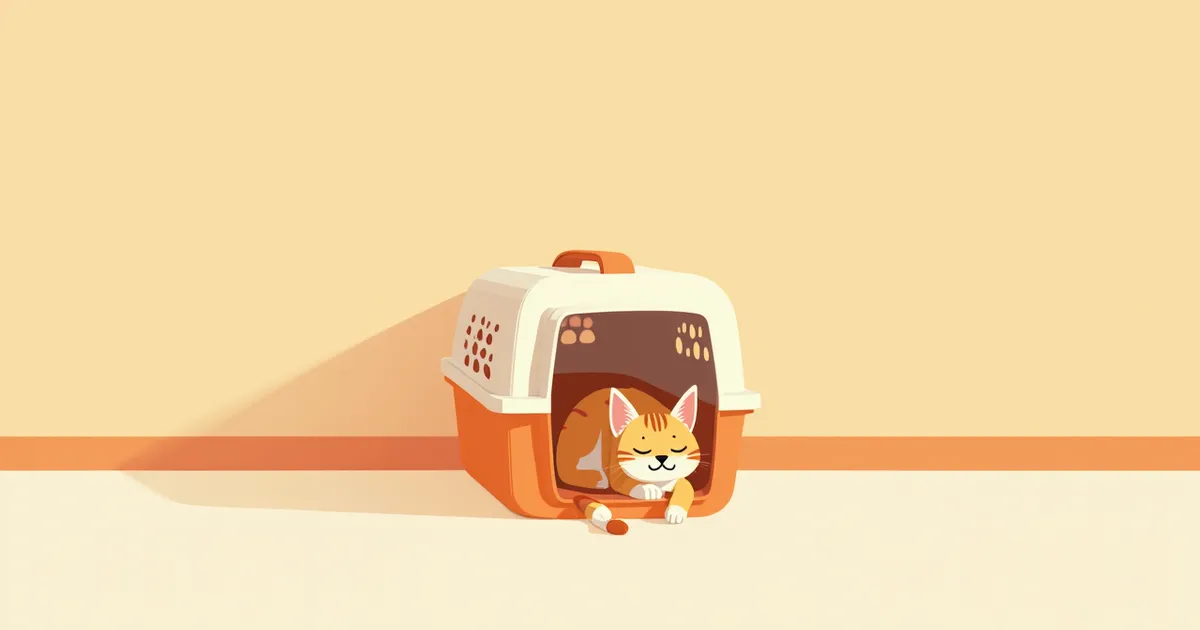
Why Your Cat Trembles at the Vet — Causes of Feline Veterinary Hospital Fear and Desensitization Training
Feline hospital anxiety is a behavioral issue in which cats experience severe stress and fear due to the unfamiliar environment, strange smells, and medical procedures at the clinic. We’ve compiled a comprehensive guide covering causes, symptoms, home management strategies, and criteria for medication.
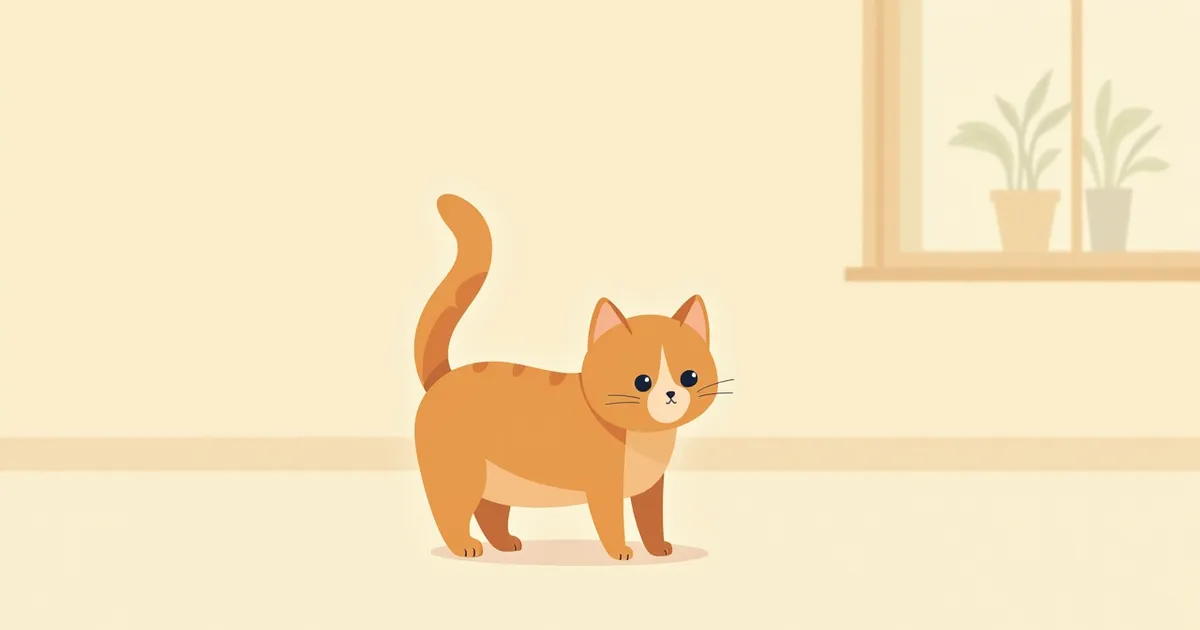
Why Is My Cat Spraying Urine Everywhere? — Causes of Spray Marking and Key Points for Distinguishing Medical Conditions
Cat spraying is a form of communication driven by territorial marking, stress, or conflict. In most cases, it can be effectively managed through a combination of neutering, environmental management, and pheromone therapy.
If Your Cat Keeps Fighting — Signs of Territorial Stress and When to Diagnose and Manage
Feline territorial stress is a chronic stress response that occurs when a cat’s living space feels threatened. By identifying the underlying causes and stabilizing the environment, you can significantly reduce symptoms such as inappropriate elimination and overgrooming.
Why Won’t My Cat Sleep at Night? — Causes of Sleep-Disrupting Behaviors and Disease Signals You Must Not Miss
We’ve outlined the causes and symptoms of sleep-disrupting behaviors in cats that wake their owners at night, along with diagnostic methods and lifestyle adjustments. Step-by-step management strategies are provided, from ruling out medical causes to increasing daytime activity.
My Cat Cries When Left Alone — Causes of Separation Anxiety and Signs It’s Time to Visit the Vet
Feline separation anxiety is a behavioral disorder characterized by excessive anxiety responses when a cat is separated from its owner. We’ve compiled a symptom checklist, desensitization and counterconditioning treatment methods, and key home care tips.
If Your Cat Repeats the Same Behavior — Causes and Warning Signs of Repetitive Behavior Disorder
Feline compulsive disorder is a condition characterized by neurological and behavioral abnormalities that prevent cats from stopping repetitive behaviors. We’ve compiled evidence-based veterinary information covering everything from causes to medication and home care.

Why Is My Cat Licking Its Hair Out? — Causes and Treatment Timing for Psychogenic Alopecia
Psychogenic alopecia in cats is a behavioral disorder where stress or anxiety leads to excessive grooming and hair loss. I’ve compiled a comprehensive guide based on veterinary resources, covering everything from identifying the cause to treatment and home care.
If Your Cat’s Hunting Instinct Is Too Strong — Causes of Excessive Expression and Management Points
When a cat’s hunting instinct becomes overly pronounced, it may attack its owner or harm other pets in the household. We’ve compiled a veterinary overview of the causes, diagnosis, treatment, and key points for daily management.
Why Your Cat Suddenly Bites — Causes and Behavior Modification for Play Aggression
Play aggression in cats is a behavioral issue stemming from an overexpression of their hunting instincts. We’ve compiled a veterinary-backed overview covering causes, symptoms, behavior modification, and medication.
If Your Cat Keeps Losing Hair — Causes of Excessive Grooming and Signs to See a Vet
We’ve compiled a guide on excessive grooming in cats—when they lick or bite their fur so much that it causes hair loss and skin damage—covering the causes, diagnosis, treatment, and key care tips you can do at home.
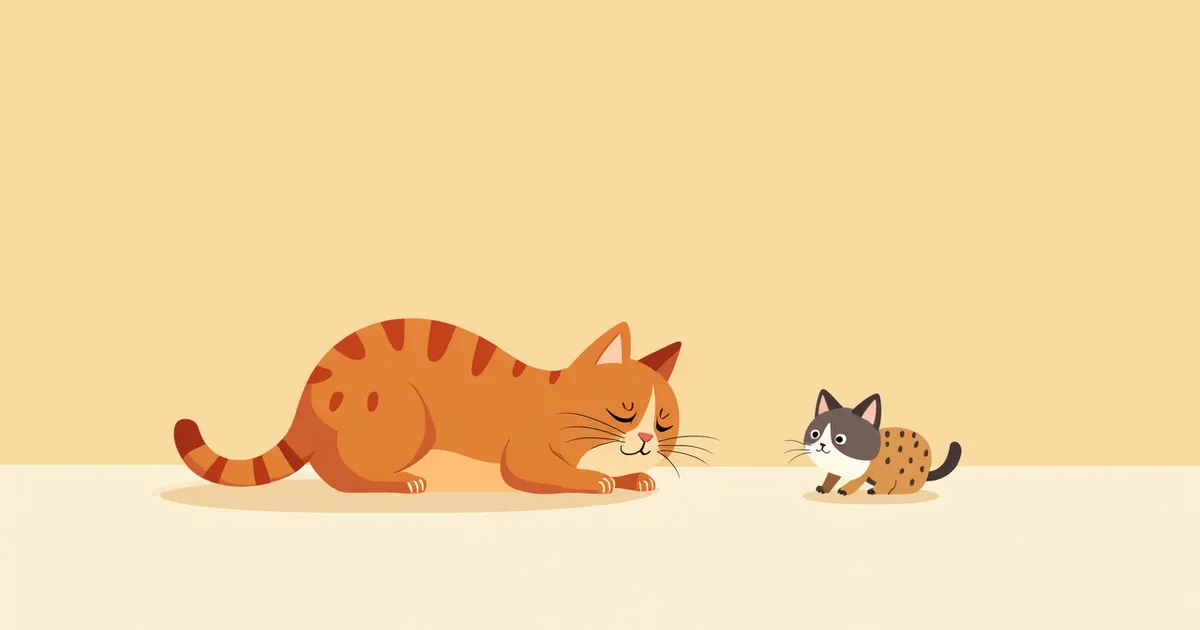
Our Cat Changed After Bringing Home a New Family Member — Causes of Introduction Stress and When to Act
We’ve outlined the stress signals and underlying causes your cat may exhibit when a new family member joins, along with step-by-step introduction techniques and key home-care tips.
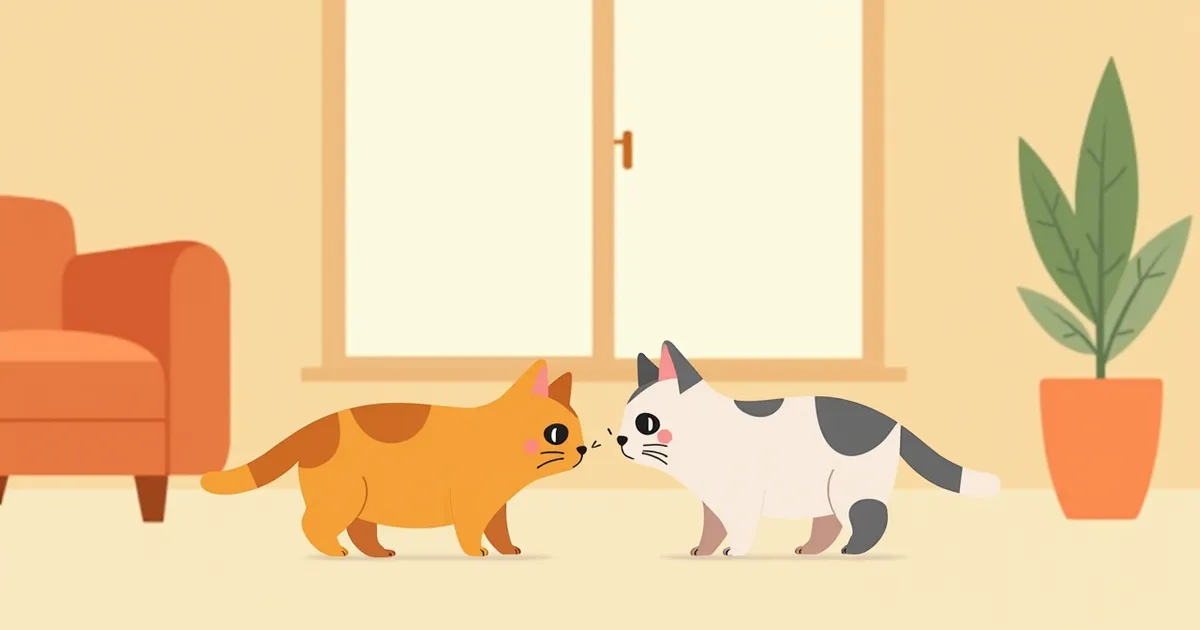
Why Do Two Cats in One Household Fight? — Causes of Multi-Cat Conflict and Co-Habitation & Mediation Methods
We’ve outlined the causes, symptoms, and diagnostic methods for conflicts between cats in multi-cat households. Explore practical care tips you can implement at home right away, from environmental enrichment to step-by-step introduction protocols.

If Your Cat Is Avoiding the Litter Box — Causes from Urinary Tract Disease to Behavioral Issues
Based on veterinary resources, we’ve compiled a guide covering the causes, symptoms, diagnosis, treatment, and home care for cats that suddenly refuse to use the litter box.
If Your Cat Is Constantly Sensitive — The Effects of Pheromone Therapy and When to Start
We’ve put together an easy-to-understand guide to pheromone therapy for cats experiencing stress, marking behavior, or anxiety, backed by veterinary science.

If Your Senior Cat Cries Out Every Night — Causes and Management of Feline Cognitive Dysfunction
I’ve compiled a veterinary evidence-based overview of the causes, symptom checklist, diagnostic methods, treatment options, and home care strategies for cognitive dysfunction in senior cats.
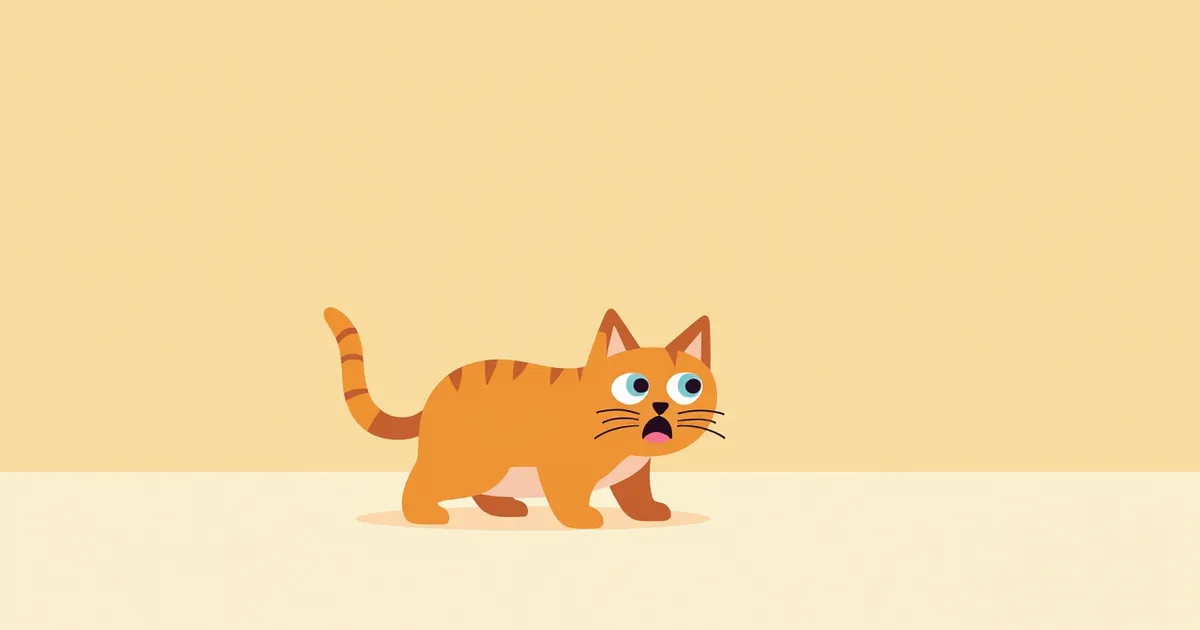
Why Is My Cat Suddenly Aggressive? — Causes and When to Act on Fear-Based Aggression
Fear-based aggression in cats is a defensive behavior stemming from fear. By identifying the underlying cause and initiating behavior modification therapy, most cases can be significantly improved.
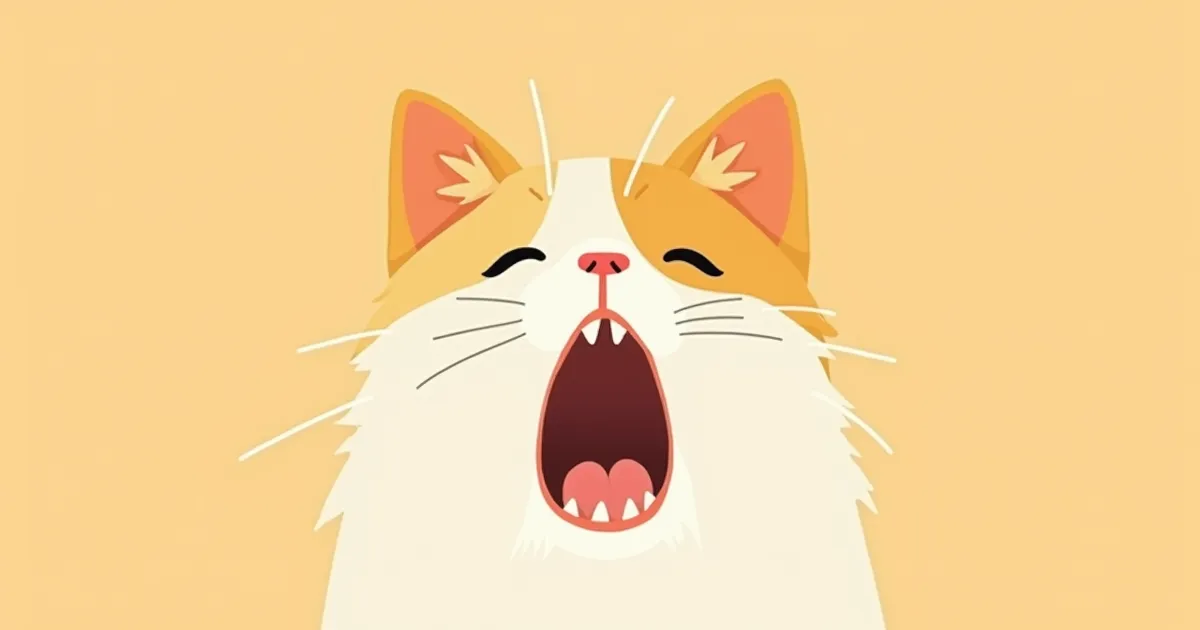
Why Is My Cat Meowing So Much? — Causes, Diagnosis, and Treatment Timing for Excessive Vocalization
Excessive vocalization in cats can stem from a variety of causes, ranging from medical issues such as hyperthyroidism, cognitive dysfunction, and pain, to behavioral factors like heat cycles and stress. If this behavior begins suddenly in an older cat, a veterinary examination is essential.
Cats That Hide and Refuse to Eat After a Move — Causes of Environmental Change Stress and Adaptation Management
If your cat hides or refuses to eat after a move or other environmental change, it may be a stress response. We’ve compiled a symptom checklist and at-home care tips based on veterinary science.
Why Is My Cat Constantly Licking and Chewing? — Causes of Compulsive Behavior and When to See a Vet
If your cat repeatedly licks or chews the same area, it may be a sign of compulsive behavior. Here’s a step-by-step guide covering the causes, diagnosis, treatment, and home care.
Why Is My Cat Scratching So Much? — Identifying the Causes and Warning Signs of Excessive Scratching
While scratching is a natural instinct for cats—helping them maintain their claws, mark territory, and relieve stress—excessive or unusual scratching patterns may indicate underlying pain, anxiety, or environmental issues. Here’s a guide to addressing the root causes and key tips for managing your cat’s scratching behavior at home.
Why Are My Cats Fighting? Causes of Same-Species Aggression and When to Visit the Vet
We’ve compiled a veterinary-expert overview of the causes, symptoms, and behavior-modification strategies for same-species aggression—repeated fighting among cats living in the same household.