If You Feel a Lump on Your Cat’s Neck — Diagnosis and Treatment Points for Thyroid Nodules and Cysts
Thyroid nodules and cysts are common endocrine disorders in older cats, potentially leading to weight loss, increased appetite, and heart problems due to excessive hormone secretion. Early diagnosis and proper management are essential.
If You Feel a Lump on Your Cat’s Neck — Thyroid Cancer Signs and Timing for Diagnosis and Treatment
Feline thyroid cancer is a common endocrine disorder in older cats and is often confused with hyperthyroidism. Accurate diagnosis and appropriate treatment are essential.
If Your Cat Keeps Losing Hair and Itching — Causes and Treatment of Sex Hormone-Related Skin Conditions
Feline skin conditions linked to sex hormones are caused by hormonal imbalances that lead to skin inflammation, hair loss, and itching, and they are most commonly seen in intact cats. Accurate diagnosis and proper management are essential.
My Cat Is Acting Strange After Giving Birth — Warning Signs and Management of Hormonal Abnormalities During Pregnancy and Lactation
During pregnancy and lactation, cats experience significant hormonal fluctuations involving progesterone, estrogen, and oxytocin. These changes can lead to complications such as dystocia, mastitis, and inadequate milk production.
When Medication Alone Isn't Enough for Feline Hyperthyroidism: Efficacy and Side Effects of Radioactive Iodine Therapy
Radioactive iodine therapy is an effective treatment for hyperthyroidism in cats. Understanding the potential post-treatment symptoms and key care points will help ensure a safe recovery.
When Your Cat Is Lethargic and Only Drinks Water — Causes and Treatment of Feline Primary Hyperparathyroidism
Feline primary hyperparathyroidism is an endocrine disorder in which excess parathyroid hormone causes elevated calcium levels. Early diagnosis and proper management are essential.
If Your Cat Has Changed After Neutering — Hormonal Change Signals, Causes, and Management
After neutering, hormonal changes in cats can lead to behavioral, weight, and skin changes along with the cessation of the estrous cycle. Proper understanding and management are essential.

If Your Cat’s Behavior Seems Off — Symptoms, Diagnosis, and Treatment Timing for Pituitary Tumors
Feline pituitary tumors are growths that develop in the pituitary gland and can cause a variety of symptoms due to excessive hormone secretion. Early detection and proper management are key.
Sudden Blood Pressure Abnormalities in Cats — Symptoms and Treatment of Feline Pheochromocytoma (Chromaffin Cell Tumor)
Feline pheochromocytoma (chromaffin cell tumor) is a rare malignant tumor that arises in the adrenal medulla. Excessive secretion of adrenaline and noradrenaline can lead to high blood pressure, increased heart rate, and anxiety.
My Cat Is Constantly Lethargic and Having Seizures — Causes and Treatment Timing for Neoplasm-Induced Hypoglycemia
Hypoglycemia caused by feline neoplasms is a rare condition in which a tumor excessively secretes insulin. Because it can lead to sudden shock-like symptoms, early detection is crucial.
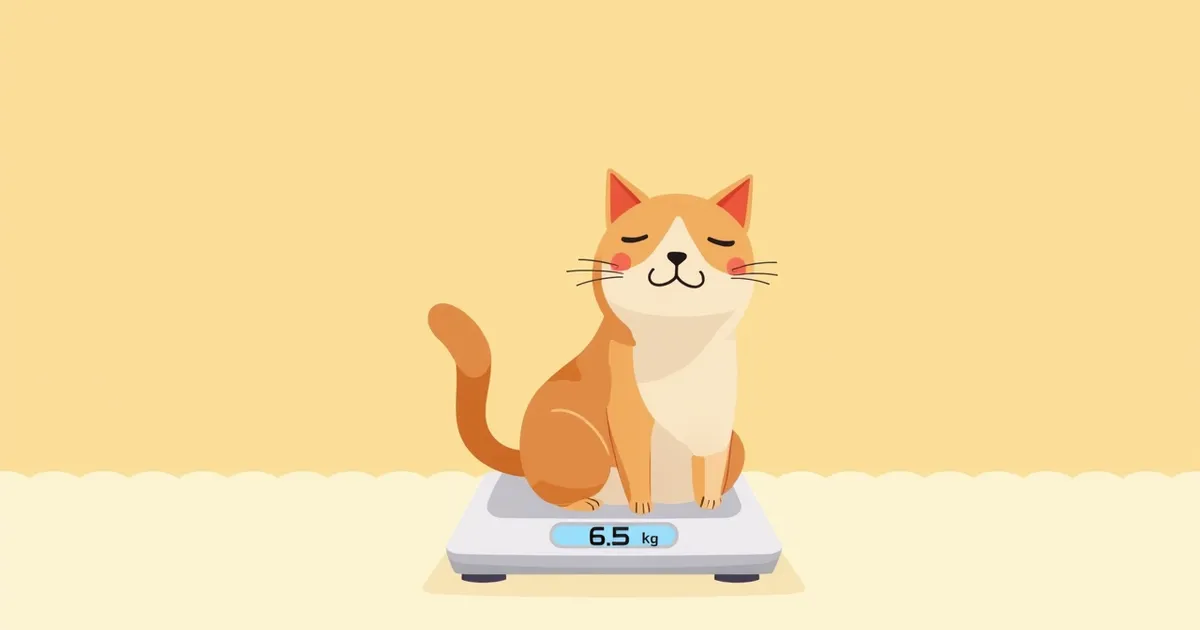
Is Your Cat’s Weight Gain a Path to Diabetes? — Causes and Management of Obesity and Insulin Resistance
Feline obesity is a major cause of insulin resistance and diabetes, making early detection and management essential. You should also watch for behavioral changes that accompany weight gain.
When Your Cat Keeps Stumbling — Suspected Insulinoma Symptoms and When to Visit the Vet
Feline insulinoma is a rare disease caused by a pancreatic tumor that secretes excessive insulin, leading to hypoglycemia. Early diagnosis and proper management are key to improving survival rates.
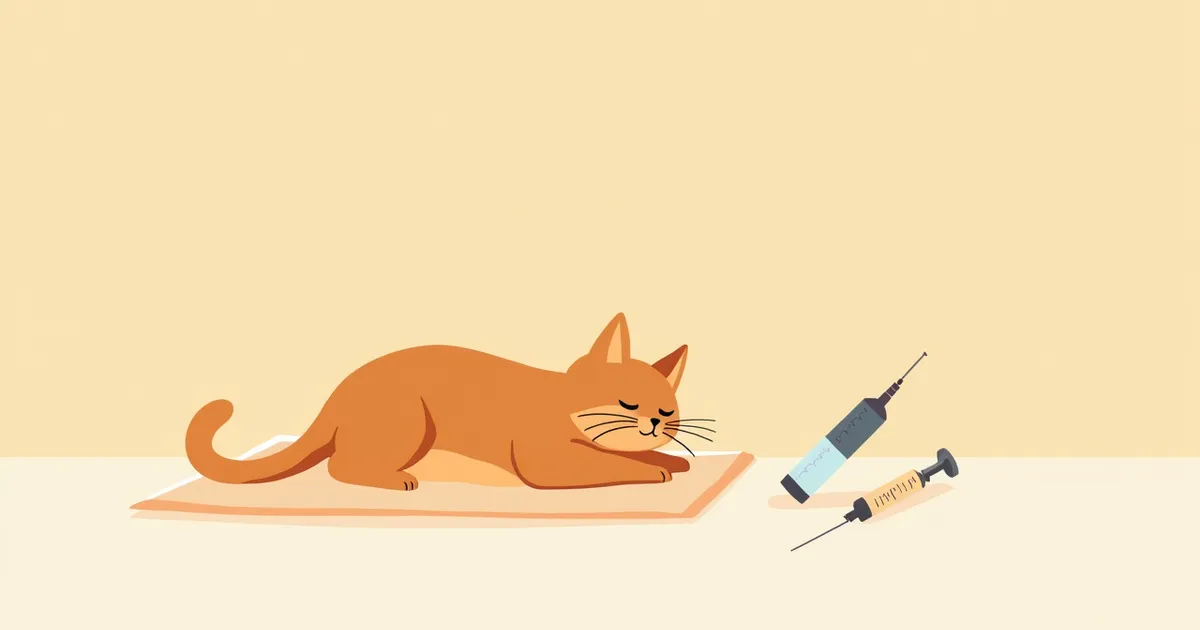
Complete Guide to Feline Insulin Injections and Dosage — Including Critical Hypoglycemia Warning Signs
Insulin injections are the cornerstone of treating feline diabetes. Mastering proper injection techniques and dose adjustments is essential for effective disease management.
If Your Cat Keeps Having Seizures — Warning Signs of Hypoparathyroidism and Hypocalcemia
Feline hypoparathyroidism is an endocrine disorder caused by damage to the parathyroid glands, which play a crucial role in calcium regulation, and can lead to symptoms such as seizures, muscle stiffness, and behavioral changes. Early diagnosis and treatment are essential.
When Your Cat Is Lethargic and Stumbling — Hypoglycemia Warning Signs and Emergency Response
Feline hypoglycemia is an acute condition in which low blood sugar impairs nervous system function and can progress to shock. Early detection and proper management are essential.
Cat Suddenly Trembling and Having Seizures — Warning Signs of Hypocalcemia and Emergency Response
Feline hypocalcemia is an endocrine disorder in which low blood calcium levels cause serious symptoms such as muscle spasms and increased excitability. Early diagnosis and appropriate treatment are essential.
If Your Cat Is Eating a Lot but Losing Weight — Causes and Treatment Timing for Hyperthyroidism
Feline hyperthyroidism is a common endocrine disorder in older cats, characterized by excessive production of thyroid hormones, which can lead to weight loss, increased appetite, and an elevated heart rate. Early diagnosis and appropriate treatment are essential.
Cats with Decreased Appetite but Weight Loss — Causes and Treatment Timing for Hyperthyroidism
Hyperthyroidism is a common endocrine disorder in senior cats, and its symptoms can be managed with medication. Accurate diagnosis and consistent care are essential.
Cat Drinking Water and Urinating Frequently — Causes and Management of Hyperglycemia
Feline hyperglycemia is an endocrine disorder in which blood sugar levels remain persistently elevated due to insulin deficiency or resistance. Early detection and systematic management are key to preventing complications.
Cats Drinking Excessive Water — Causes of Hypercalcemia and When to Visit the Vet
Feline hypercalcemia is an endocrine disorder characterized by elevated blood calcium levels, making early detection crucial. The main causes include cancer, kidney disease, and excessive calcium supplementation.
When Your Cat Is Constantly Lethargic and Weak in the Legs — Causes of Hyperaldosteronism and Timing for Treatment
Feline hyperaldosteronism is an endocrine disorder caused by excessive secretion of aldosterone from the adrenal cortex, leading to hypertension and hypokalemia. Early detection and management are essential.
Complete Guide to Monitoring a Cat’s Blood Glucose Curve — From Measurement to Interpretation and Management
Monitoring a cat’s blood glucose curve is essential for managing diabetes. It helps you accurately assess stress-induced fluctuations in blood sugar levels, allowing for precise adjustments to the treatment plan.
A Complete Guide to Feline Endocrine Checkups: From Hormonal Imbalance Signs to Diagnosis and Management
A comprehensive endocrine system checkup for cats is a crucial test that helps detect hormonal imbalances early, ensuring timely treatment. Regular checkups form the foundation of a healthy life for your cat.
If Your Cat Suddenly Loses Vision — Causes, Diagnosis, and Treatment of Feline Endocrine Hypertension
Feline endocrine hypertension is a condition in which blood pressure remains persistently elevated due to hormonal imbalances, and it can cause serious damage to the eyes, kidneys, and brain. Early diagnosis and management are essential.