Sudden Weight Gain and Hair Loss in Cats — Causes and Treatment Timing for Ectopic ACTH Syndrome
Feline ectopic ACTH syndrome is an endocrine disorder in which abnormal tissues secrete ACTH, leading to excessive production of adrenal cortex hormones. Symptoms include increased urination and thirst, increased appetite, weight gain, and skin changes.
How to Plan a Diabetic Cat’s Diet — Key Points for Blood Sugar Management
Feline diabetes is an endocrine disorder in which impaired insulin function makes it difficult to regulate blood sugar levels. Proper dietary management is the cornerstone of treatment.
Feline Diabetes: Symptoms, Causes, Diagnosis, Treatment, and Management Essentials
Feline diabetes is an endocrine disorder in which impaired insulin function makes it difficult to regulate blood sugar. Early detection and consistent management are key to improving survival rates and quality of life.
If Your Cat Is Walking Poorly — Signs and Treatment of Diabetic Neuropathy and Cataracts
Diabetic complications in cats, such as neuropathy and cataracts, can occur when blood sugar levels are not properly controlled. Early detection and consistent management are essential.
If Your Cat’s Face Has Grown Larger — Causes, Diagnosis, and Treatment Timing for Acromegaly
Feline acromegaly is an endocrine disorder caused by excessive secretion of growth hormone due to a pituitary tumor. Because it often occurs alongside diabetes, early diagnosis is crucial.
If Your Dog Trembles at the Sight of the Vet — Causes of Fear and Desensitization Training Tips
Kennel cough is a highly contagious respiratory infection in dogs, characterized by a harsh, hacking cough. Early veterinary care and proper treatment are essential for a quick recovery.
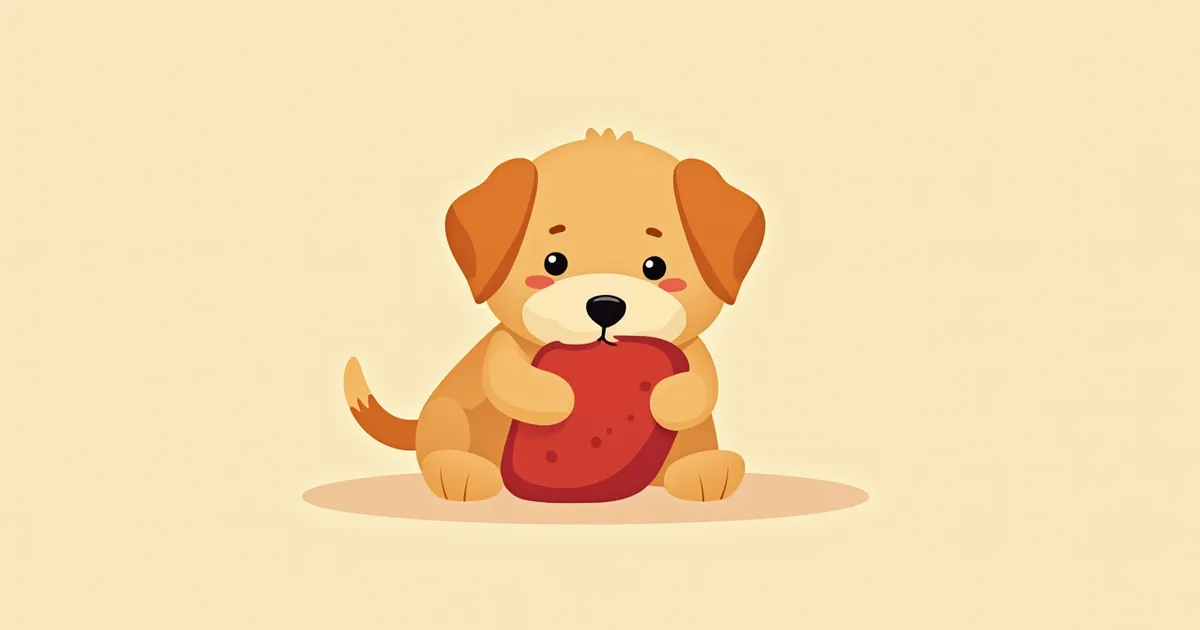
Growling When Toys Are Touched — Causes and Correction of Resource Guarding Behavior in Dogs
Toy-guarding behavior in dogs is a behavioral disorder that manifests as an instinctive protective response. It can be improved with proper training and environmental adjustments.
Dog Separation Anxiety: Symptoms, Causes, Diagnosis, Treatment, and Management Tips
Separation anxiety in dogs is a behavioral disorder characterized by extreme fear and stress responses when separated from their owners. Here’s a clear overview of the main symptoms, diagnosis, treatment, and home management strategies.
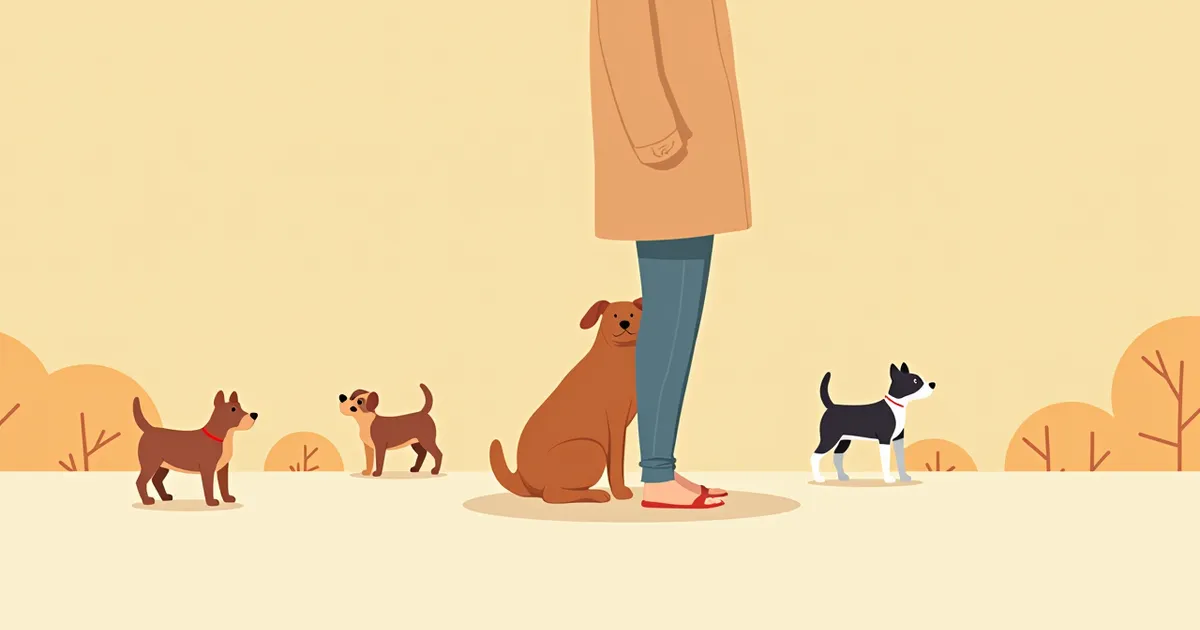
If Your Puppy Is Afraid of People or Dogs — Causes and Correction for Lack of Socialization
A lack of socialization in puppies is a behavioral issue that arises when they don’t receive adequate exposure during the critical period between 4 and 14 weeks of age. We’ve compiled evidence-based veterinary guidance covering everything from symptoms like fear, aggression, and avoidance to behavior modification treatments and home care strategies.
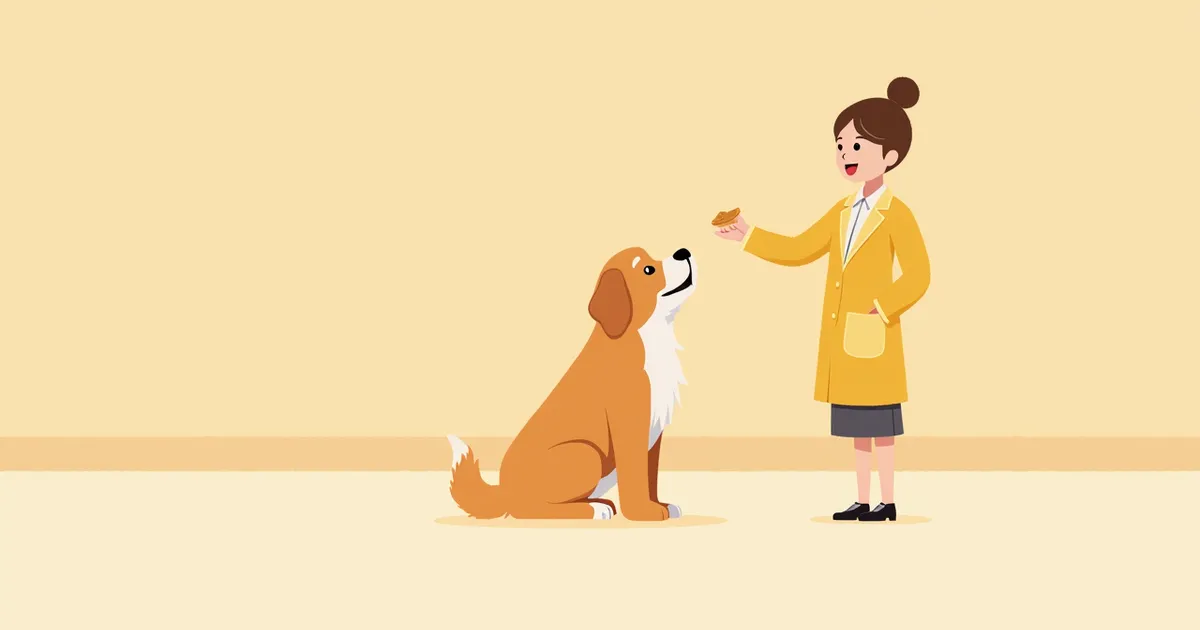
If Your Dog Keeps Biting Your Hand — Causes of Biting Behavior and Step-by-Step Bite Inhibition Training
We’ve compiled a comprehensive guide to help you distinguish between the medical and behavioral causes of dog biting, along with step-by-step correction methods and key home care tips.
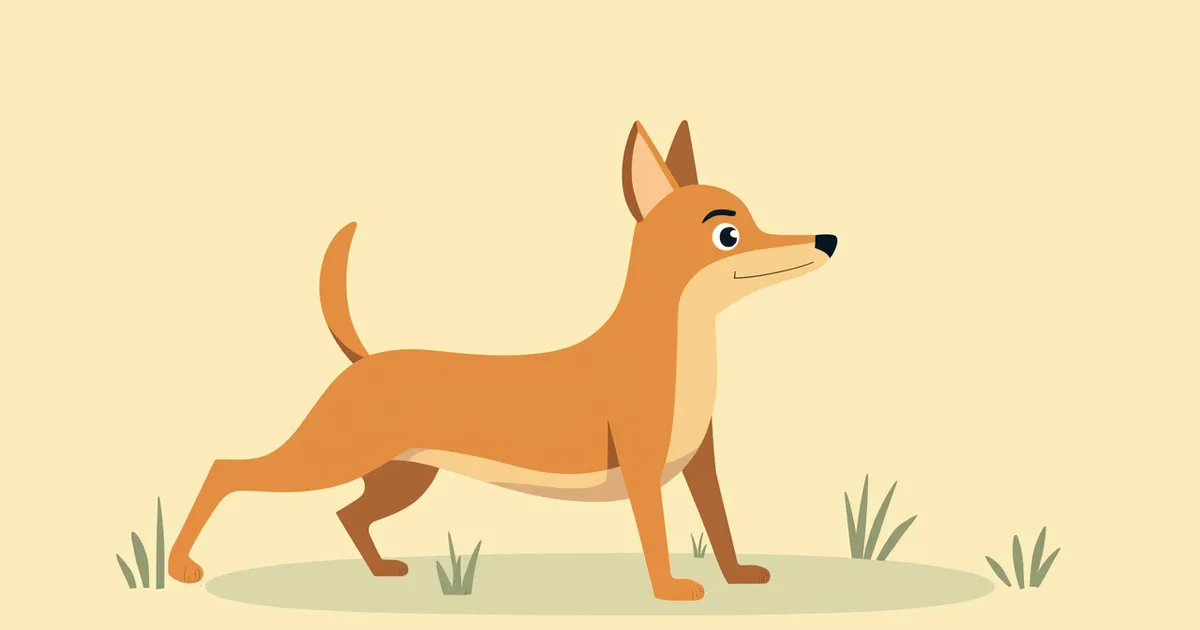
Our Dog’s Sudden Chasing and Biting Instinct — Causes, Management, and Correction Points for Hunting Instinct
We’ve compiled a comprehensive, veterinary behavior-based guide covering the symptoms, causes, diagnostic and treatment approaches, and key home-care tips for when a dog’s hunting instinct becomes uncontrollable. If you’re the guardian of a breed with a high prey drive, be sure to check this out.
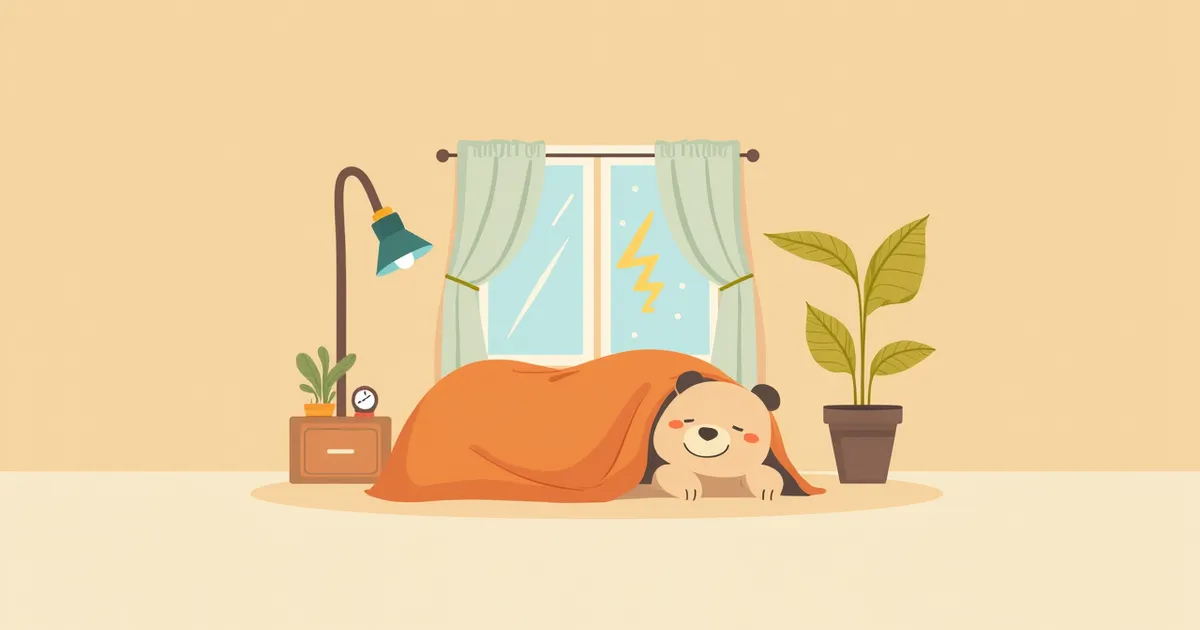
Dog Trembling at Thunder — Causes and Behavioral Treatment Points for Noise Phobia
Canine noise phobia is a behavioral disorder characterized by excessive fear in response to loud noises such as thunderstorms and fireworks. We’ve provided a clear overview covering everything from causes and diagnosis to medication, desensitization training, and key home care tips.
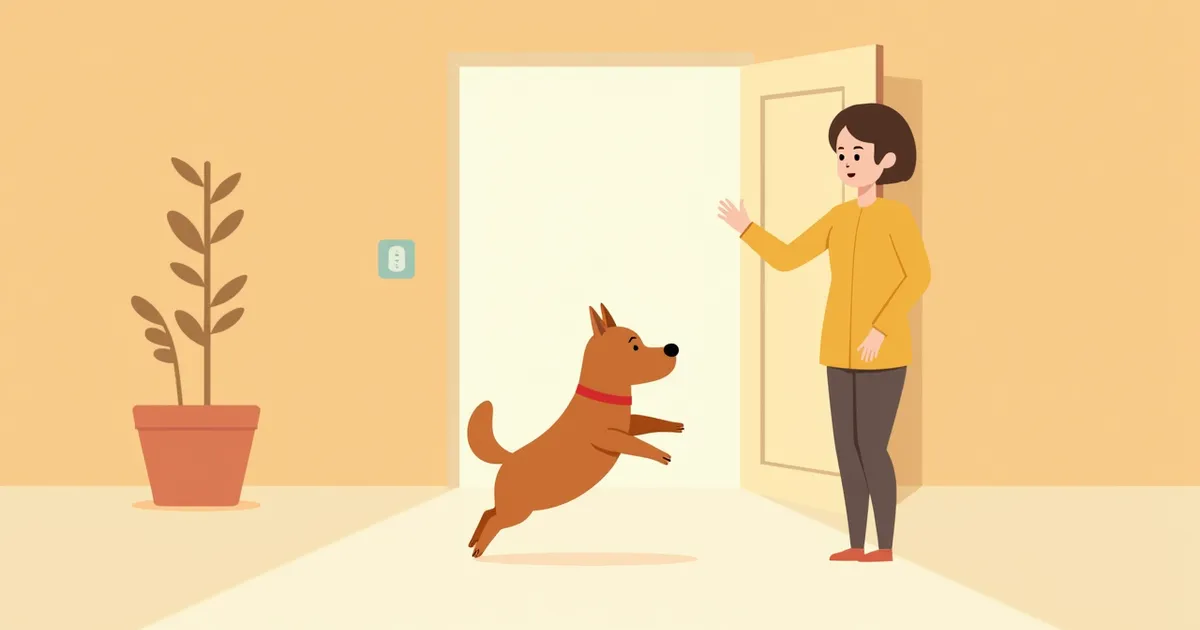
Why Is My Dog So Excited? — Causes of Impulse Control Issues and When to Seek Treatment
Excessive excitement and impulse control issues in dogs are not simply personality problems. We’ve compiled a comprehensive guide to diagnosis by cause, behavior modification, and management techniques you can implement at home.
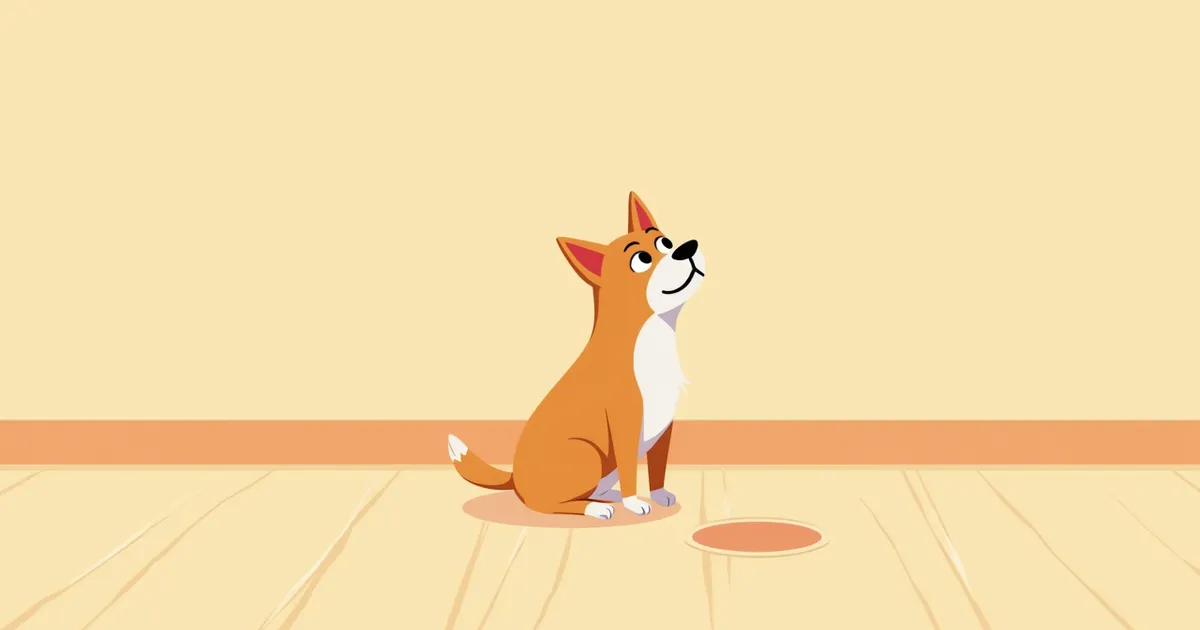
If Your Dog Suddenly Has an Accident at Home — How to Distinguish Causes of Elimination Accidents and Disease Signals
If your dog suddenly has an accident at home, it’s important to check for both medical and behavioral causes. Accurately identifying the root cause is essential for proper treatment and successful retraining.
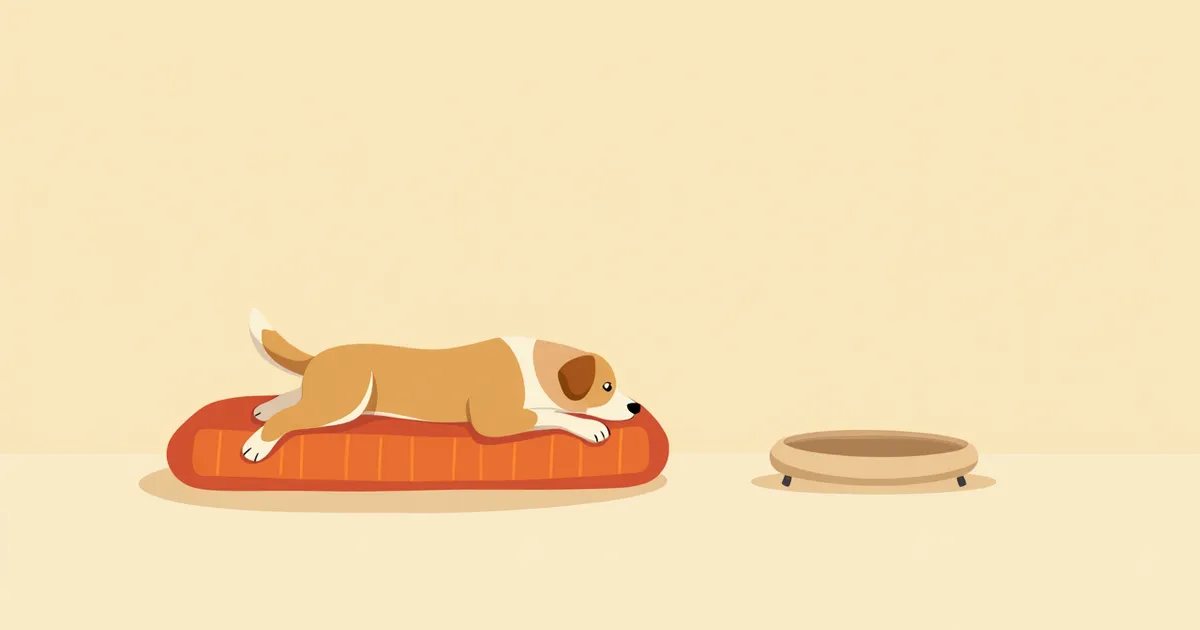
Our Dog Who Lost a Companion — Signs of Pet Loss Grief and Recovery Care Points
Dogs who have lost a companion animal may exhibit signs of grief, such as decreased appetite, lethargy, and repetitive searching behaviors. Early recognition and proper environmental management can help support their recovery.
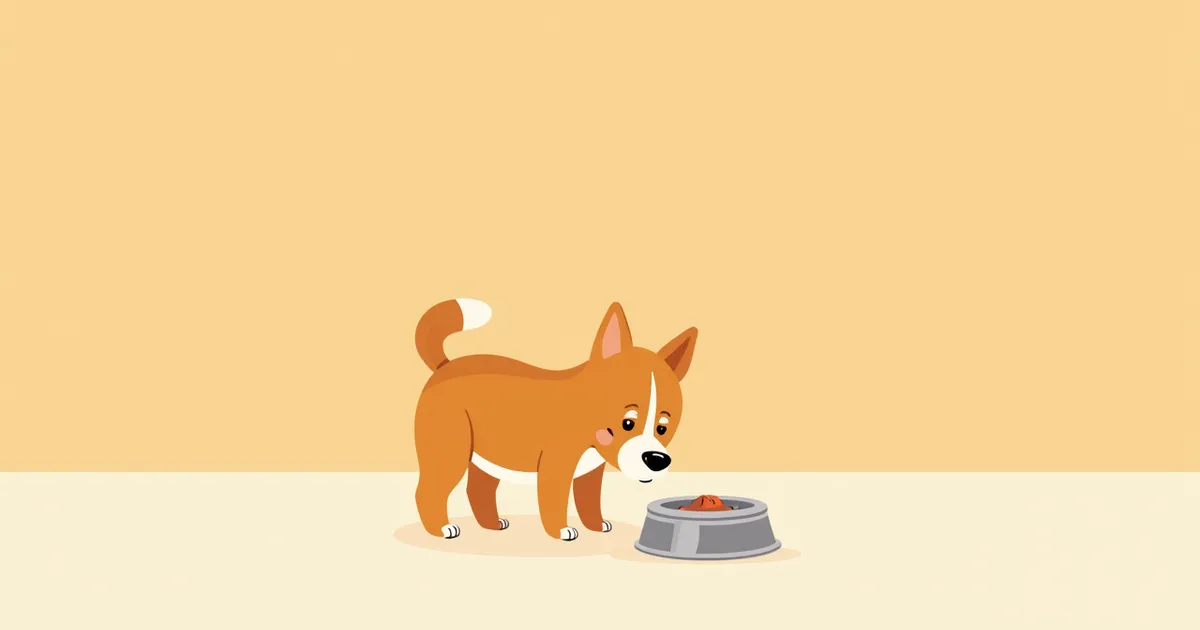
If Your Dog Growls at Its Food Bowl — Causes of Food Resource Guarding and Behavior Modification
If your dog growls, bares its teeth, or bites around its food bowl or treats, it’s showing food-guarding behavior. Here’s a clear overview of the symptom stages, causes, desensitization training methods, and key home-care tips.
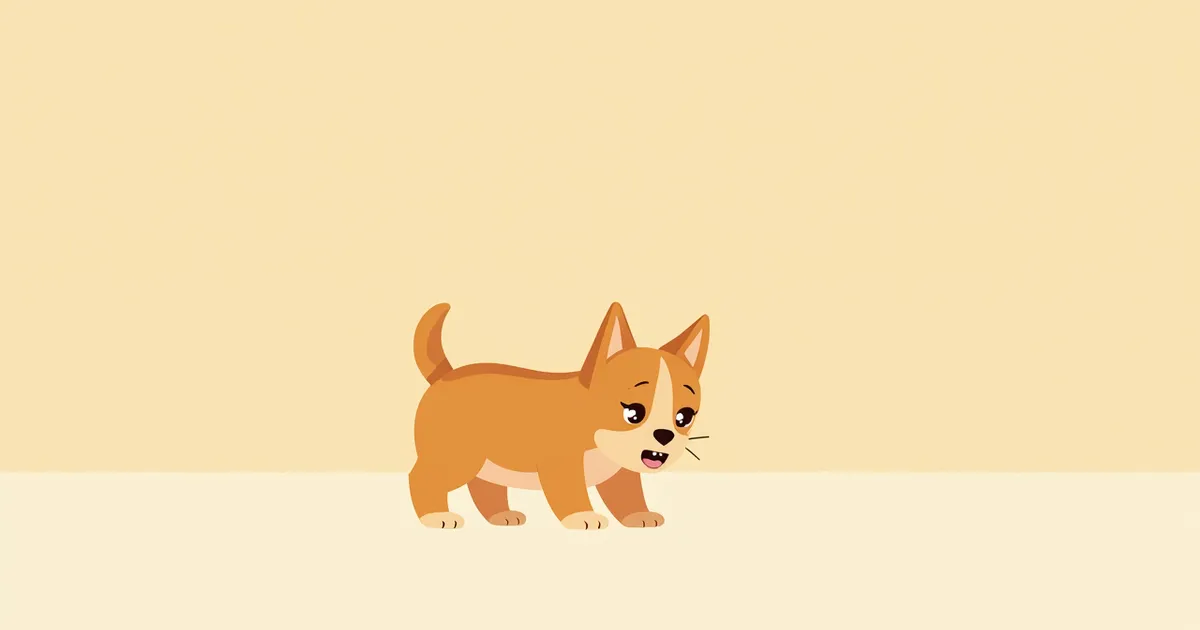
Fear-Based Aggression in Dogs: Symptoms, Causes, Diagnosis, Treatment, and Management Essentials
Fear-based aggression in dogs is a defensive behavior stemming from fear. We’ve compiled evidence-based veterinary information covering causes, behavior modification techniques, and home management strategies.
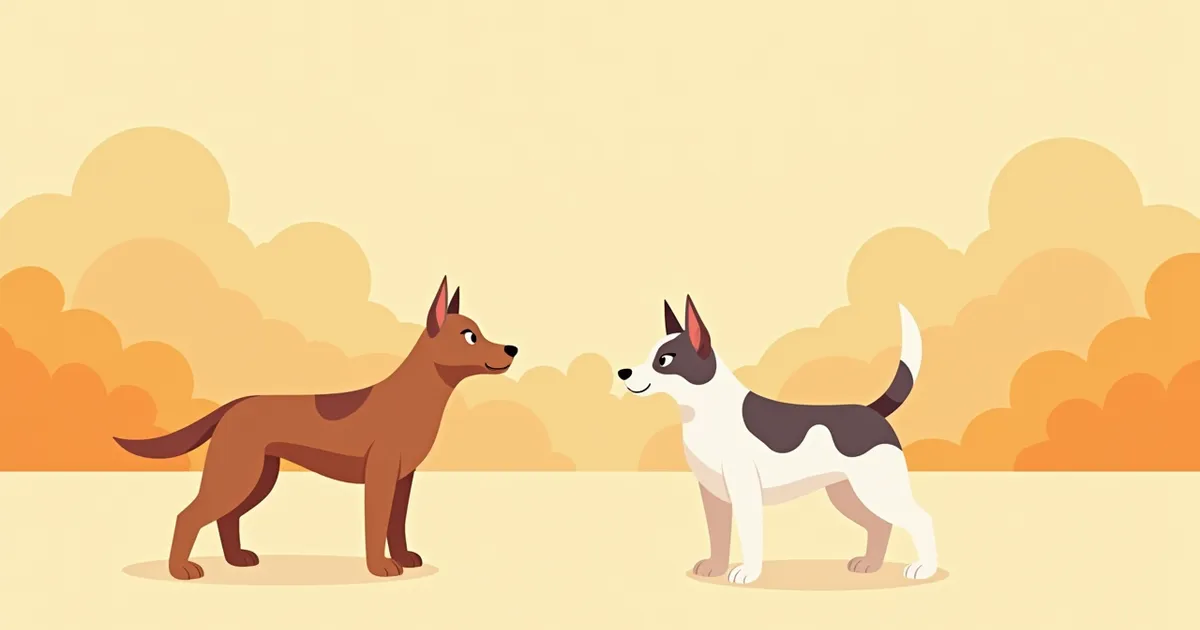
If Your Dog Growls at Other Dogs — Causes of Same-Sex Aggression and Behavior Modification
If your dog growls or lunges at other dogs, it may be displaying same-sex aggression. We’ve compiled a comprehensive guide based on veterinary advice, covering everything from identifying the underlying causes to behavior modification treatments and home management strategies.
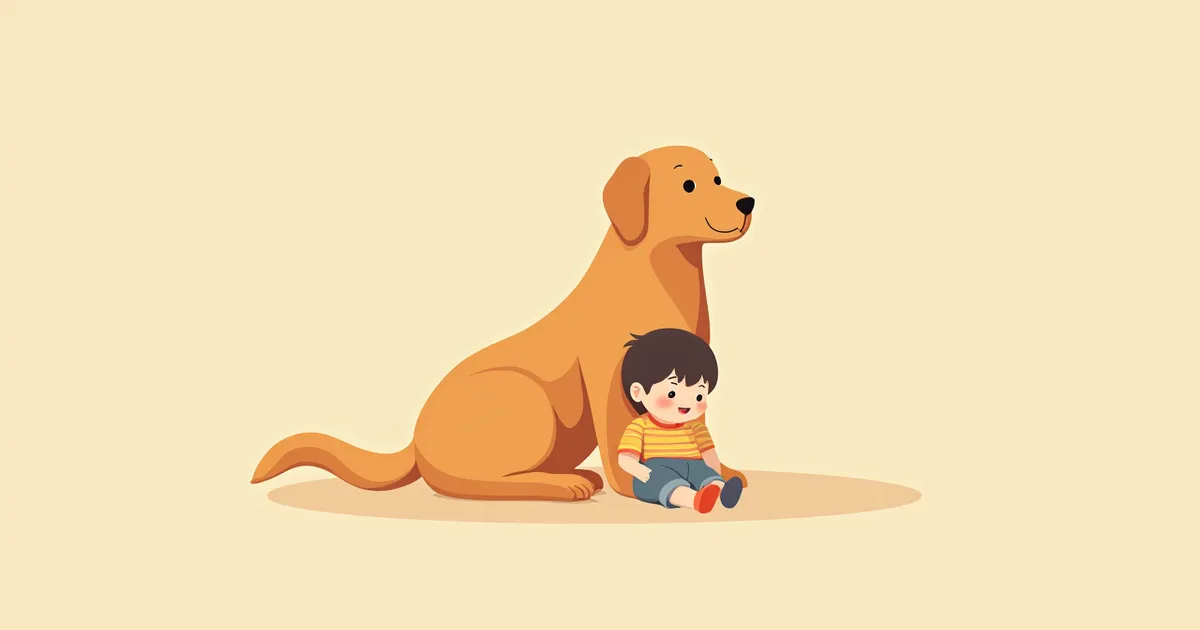
If You Share a Space with Your Child and Dog — Warning Signs and Prevention Rules for Dog Bites
Dog bites can happen with any breed under certain circumstances. The key to prevention is recognizing the warning signs a dog gives and starting proper training for both your child and your dog.
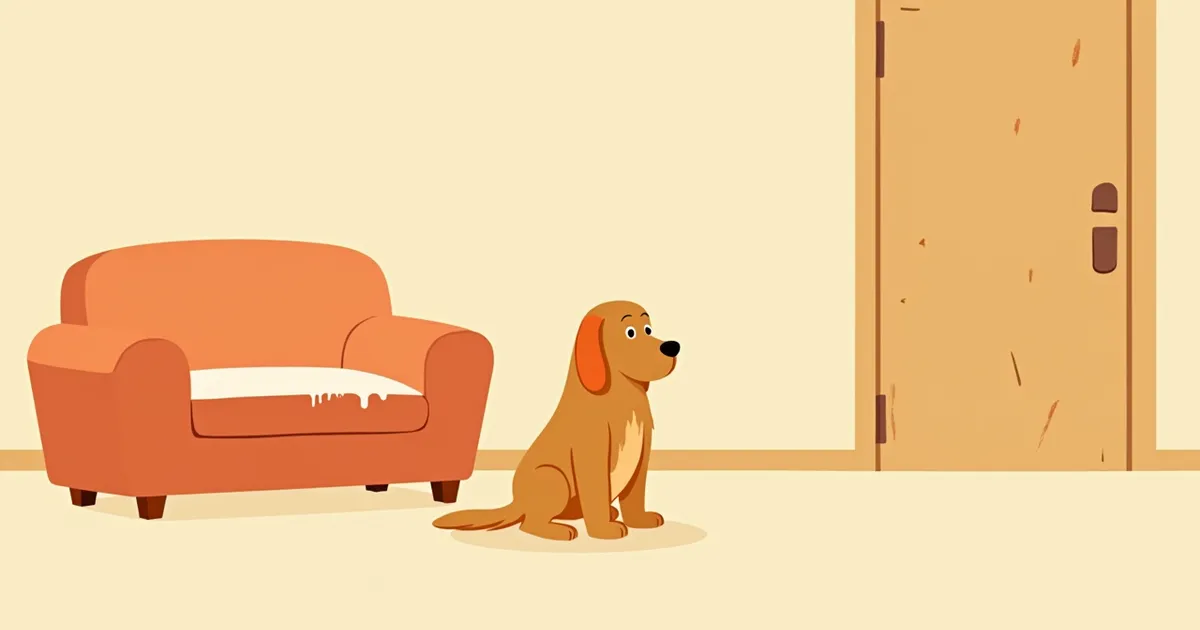
My Dog Destroys Everything When Left Alone — Causes of Separation Anxiety and When to See a Vet
We’ve compiled a comprehensive, veterinary-behavior-based overview of separation-related behavioral disorders in dogs—such as repeatedly chewing or scratching furniture and doors when left alone—covering symptoms, causes, diagnosis, treatment, and home care.
Why Does My Dog Eat Poop? — Causes, Diagnosis, and Treatment Timing for Coprophagia
We’ve put together a comprehensive guide on coprophagia in dogs—covering causes, symptoms, veterinary diagnosis, treatment, and home care tips.
Why Is My Dog Constantly Licking and Chewing? Causes and When to Treat Compulsive Licking and Chewing
If your dog persistently and repeatedly licks or chews a specific area, it may be a sign of compulsive disorder. Here’s a comprehensive overview covering causes, diagnosis, treatment, and home care.
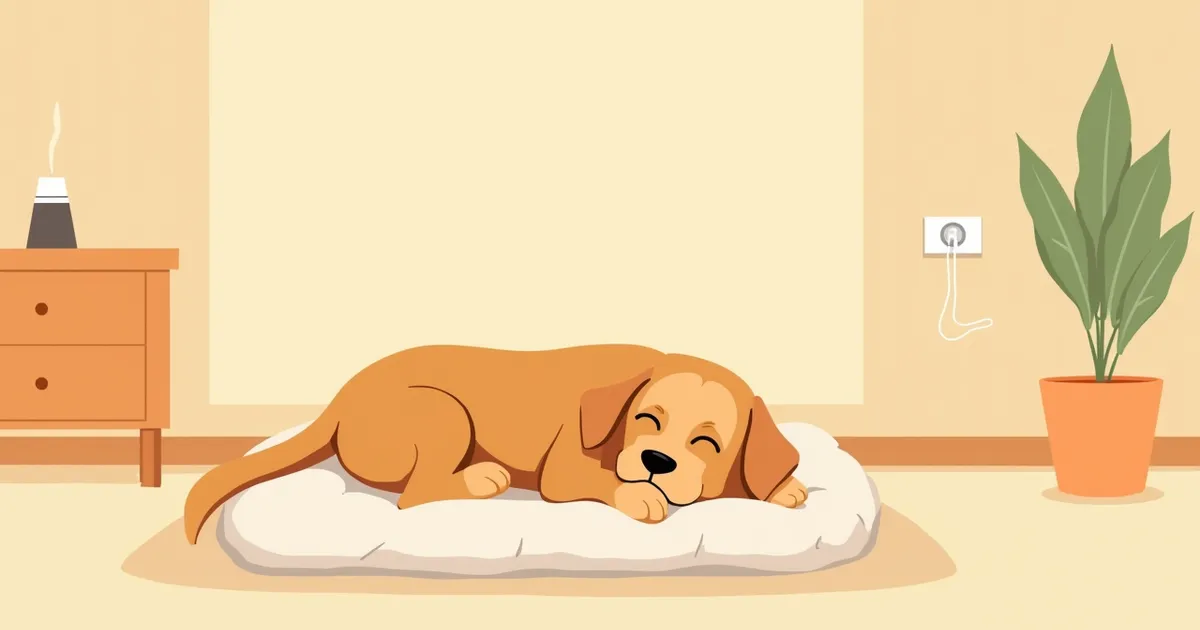
Will Pheromone Therapy Help My Anxious Dog? — Effects and Proper Use
Here’s a comprehensive guide to pheromone therapy for dogs with anxiety, separation anxiety, and fear-related behaviors, including how it works, which symptoms it can help, the types of products available, and how to use them correctly.
If Your Senior Dog Wanders at Night and Gets Disoriented — Causes and Management of Cognitive Dysfunction
Canine cognitive dysfunction (CCD) in senior dogs is a condition caused by brain aging, leading to declines in memory and spatial awareness. We’ve compiled essential information for pet owners, including a symptom checklist, diagnostic methods, medication treatments, and home care tips.