
If Your Dog Has Dandruff and Oily Skin — Causes and Treatment Timing for Seborrheic Dermatitis
Canine seborrheic dermatitis is a chronic condition characterized by recurring dandruff, unpleasant odor, and oily skin due to abnormal shedding of skin cells and sebum production. We’ve summarized the key points, from distinguishing between primary and secondary causes to medicated bath treatments and preventive care strategies to help avoid flare-ups.

If Your Dog Keeps Scratching and Losing Hair — Symptoms and Treatment of Fungal Skin Infections
Canine fungal skin infections are conditions caused by fungal pathogens such as ringworm and Malassezia infecting the skin. We’ve compiled a comprehensive guide covering everything from symptoms like circular hair loss, odor, and itching to diagnosis, treatment, and prevention of recurrence.

Why Is My Cat Constantly Licking and Smelly? — Causes and Treatment of Malassezia Dermatitis
Feline Malassezia dermatitis is a fungal skin disease caused by an overgrowth of yeast. Our veterinary advisory team has compiled information on the symptoms, causes, diagnosis, treatment, and management strategies to prevent recurrence.

If Your Dog Keeps Scratching and Smells Bad — Causes and Treatment Timing for Malassezia Dermatitis
Malassezia dermatitis is a condition in which the yeast that naturally lives on a dog’s skin overgrows, causing itching, a foul odor, and changes in skin color. To prevent recurrence, antifungal treatment must be combined with addressing underlying causes such as allergies or endocrine disorders.
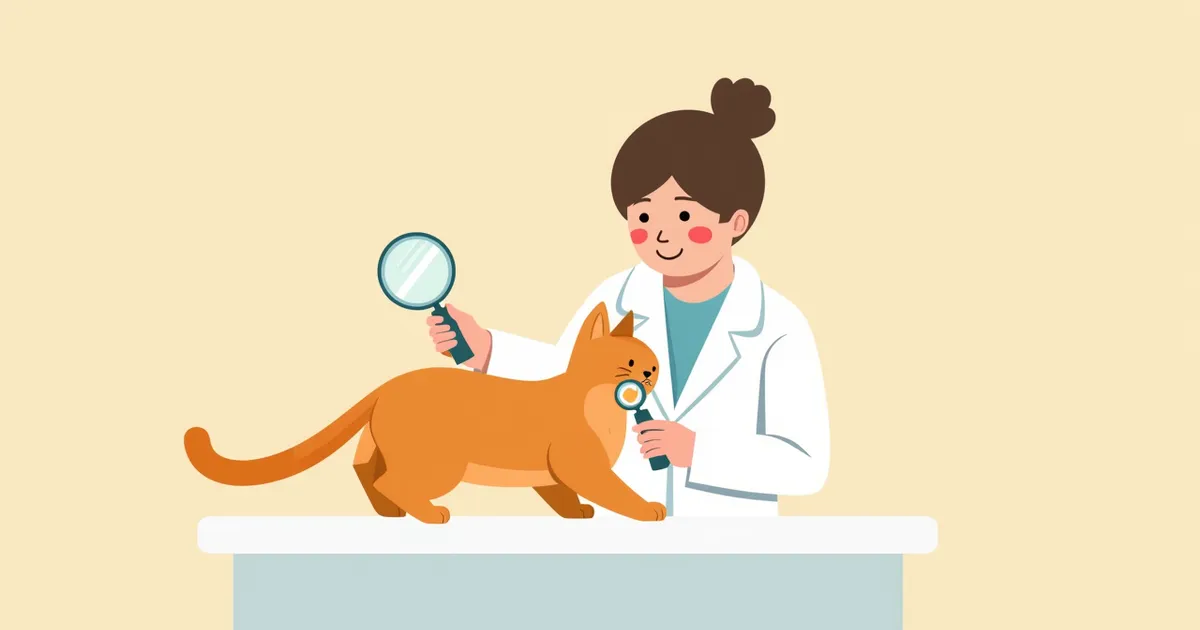
Feline Pyoderma: Symptoms, Causes, Diagnosis, Treatment, and Management Essentials
Feline pyoderma is a skin condition characterized by pus-filled inflammation caused by an overgrowth of bacteria. Identifying the underlying cause and administering antibiotic treatment are key to managing this condition.

If Your Cat Is Having Trouble Breathing — A Complete Guide to Feline Chylothorax Symptoms, Causes, and Treatment Timing
Feline chylothorax is a condition in which chyle, a lymphatic fluid, accumulates in the chest cavity and causes difficulty breathing. Here’s a comprehensive overview covering symptoms, causes, diagnosis, treatment, and key points for home care.

If Your Dog Keeps Sniffling — Causes and Treatment Timing for Rhinitis and Rhinosinusitis
Canine rhinosinusitis is a respiratory condition in which inflammation occurs simultaneously in the nasal mucosa and the sinuses, with diverse causes including bacterial and fungal infections, allergies, and dental infections. We’ve compiled a symptom checklist by cause, along with diagnostic and treatment methods, plus home care tips you can follow.
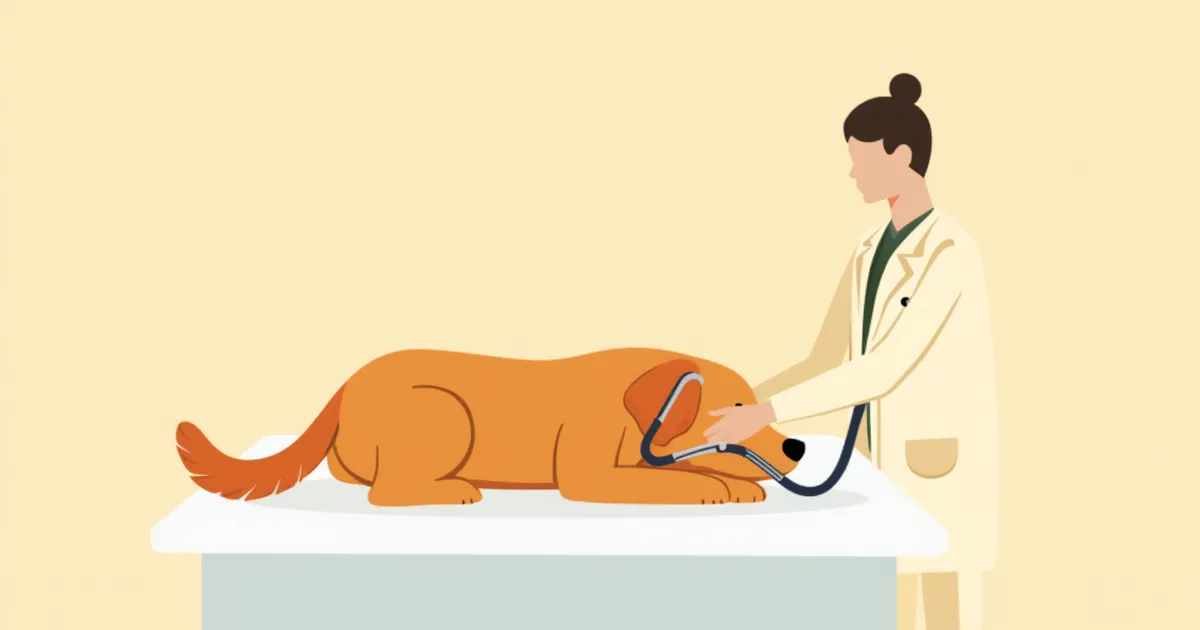
If Your Dog Suddenly Has Labored Breathing — Pulmonary Edema Symptoms, Causes, and Emergency Response Timing
Pulmonary edema in dogs is an emergency condition in which fluid accumulates in the lungs, causing difficulty breathing. Here’s a clear overview of the causes, diagnosis, treatment, and key points for home care.

Brachycephalic Airway Syndrome in Dogs: Symptoms, Causes, Diagnosis, Treatment, and Care Essentials
We’ve compiled a comprehensive overview of Brachycephalic Airway Syndrome (BAS)—common in flat-faced breeds like French Bulldogs and Pugs—covering its symptoms, causes, diagnosis, surgical treatment, and home care, all based on veterinary textbooks.
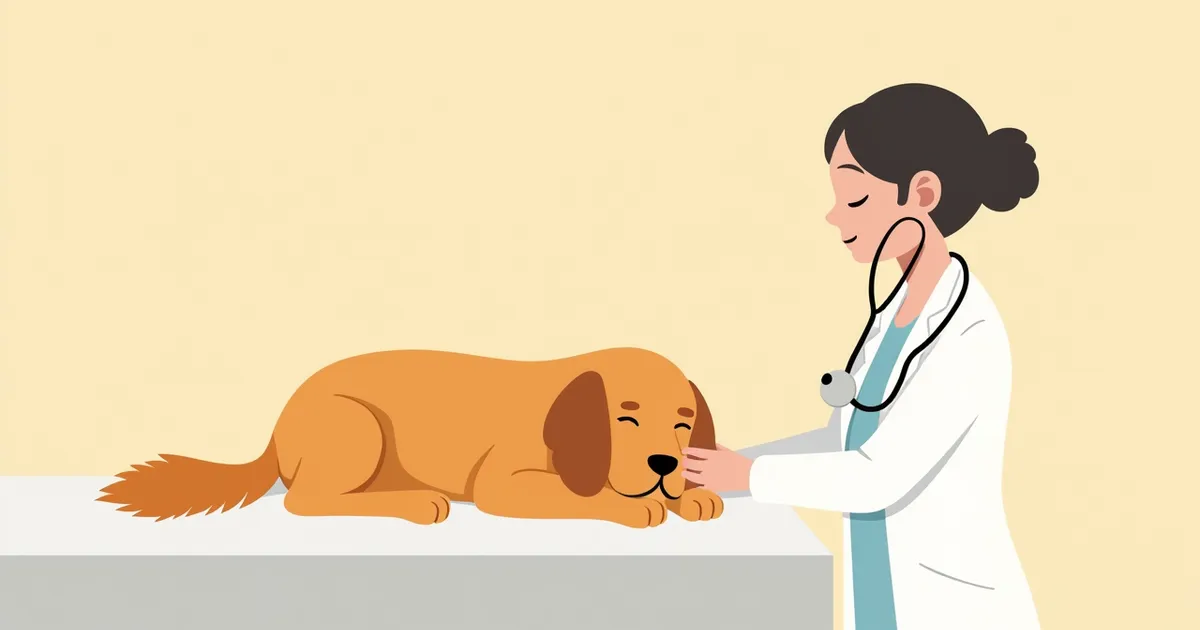
If Your Dog Is Gagging and Struggling to Breathe — Laryngeal Paralysis Symptoms, Causes, and Treatment Timing
Canine laryngeal paralysis is a condition in which the nerves controlling the opening and closing of the larynx become paralyzed, leading to difficulty breathing. We’ve gathered all the essential information you need, from early symptoms to surgical treatment and home care.

When Your Cat Keeps Coughing — Feline Pneumonia: Symptoms, Causes, Treatment, and Care
We’ve compiled a comprehensive guide on feline pneumonia, covering causes and symptoms, diagnostic methods, treatment options, and home care tips, all based on veterinary evidence.
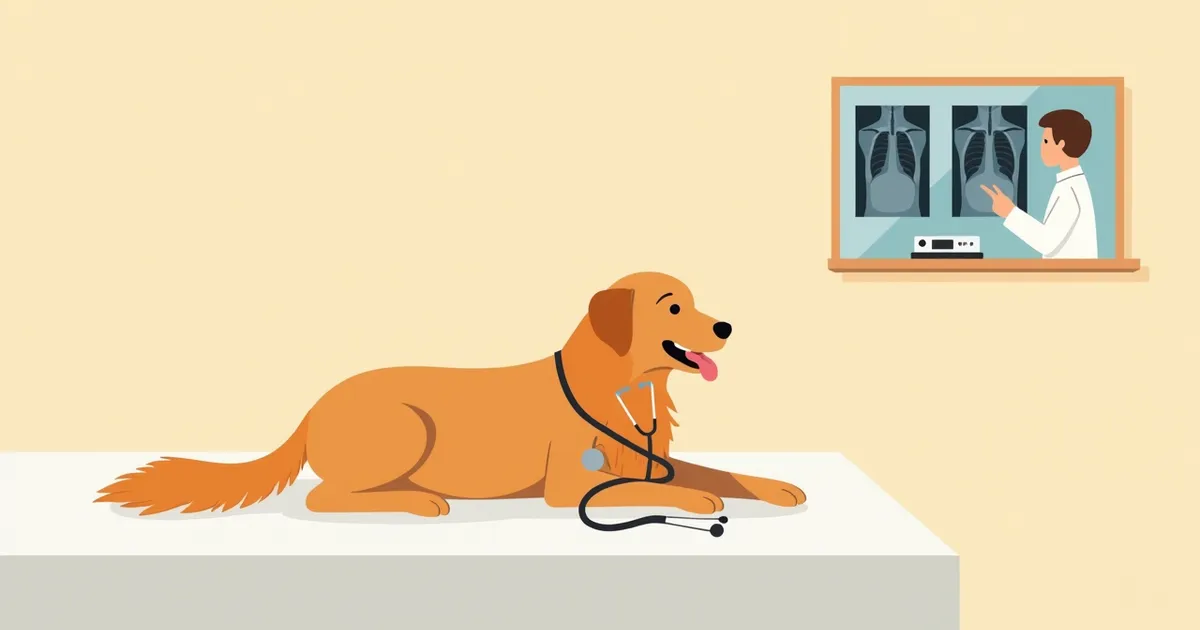
My Puppy’s Cough Won’t Stop — Pneumonia Symptoms and the Golden Window for Veterinary Care
Canine pneumonia is a respiratory condition characterized by inflammation of the lung tissue, and early detection along with prompt treatment are key to recovery. Here’s a veterinary evidence-based overview covering main symptoms, diagnosis, treatment, and home care.
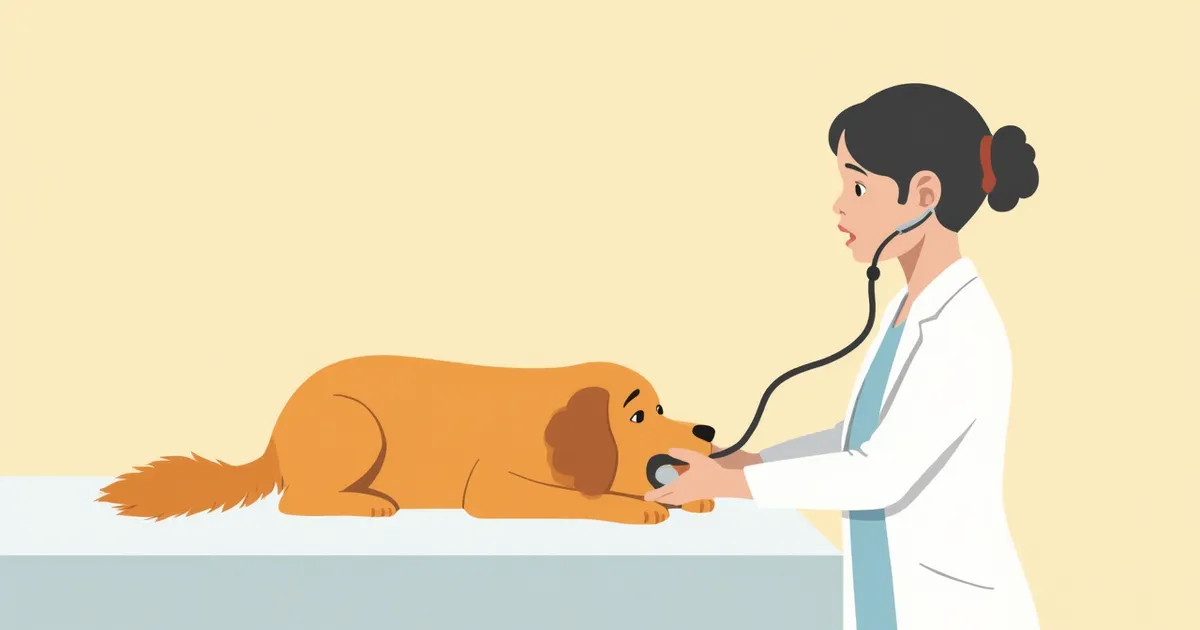
Dog Lungworm Infection: Symptoms, Transmission Routes, and Treatment & Prevention Guide
Our veterinary advisory team has compiled information on the causes, symptoms, diagnosis, treatment, and prevention of lungworm disease in dogs. If your dog has had a chronic cough for more than two weeks, it may not be a simple cold.
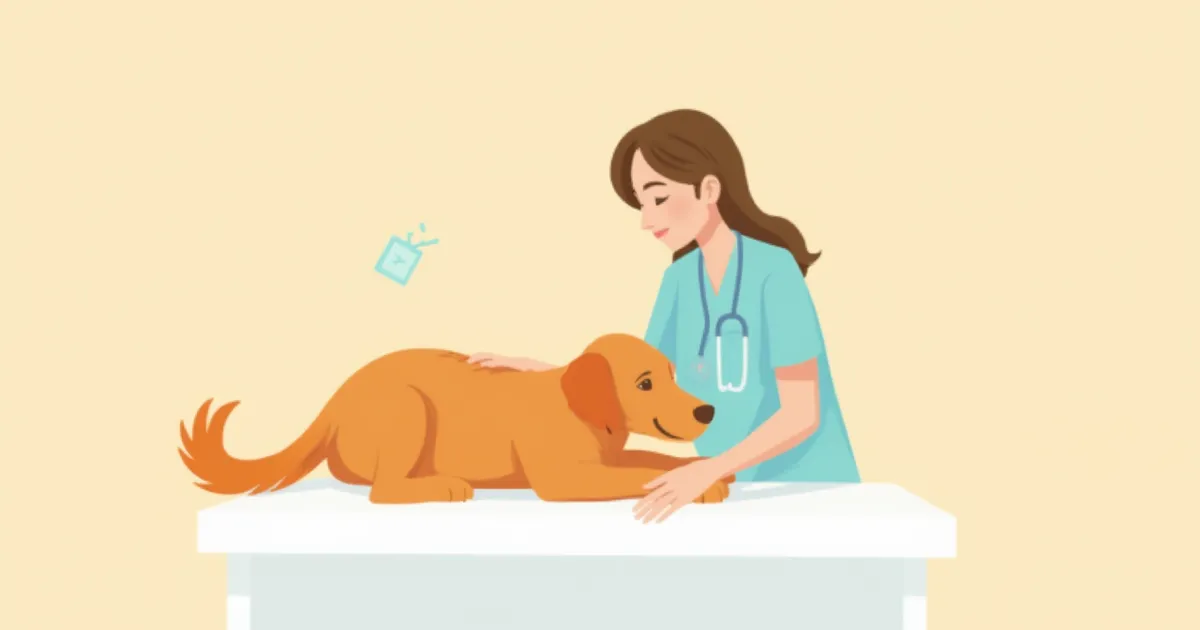
Dog Tapeworm Infection: Symptoms, Transmission Routes, and Treatment & Prevention Guide
Tapeworm infection in dogs is primarily transmitted through fleas, with hallmark symptoms including anal itching and rice-grain-like segments in the stool. To prevent reinfection, it’s essential to combine deworming treatment with proper flea control.

Coccidiosis in Dogs: Symptoms, Transmission Routes, Treatment, and Prevention
Coccidiosis in dogs is a parasitic gastrointestinal disease caused by protozoan parasites invading the intestinal mucosa, leading to diarrhea and dehydration. It is particularly dangerous for puppies under six months of age, making early diagnosis and treatment essential.

Firm Lump Under a Cat’s Skin — Early Symptoms, Diagnosis, Treatment, and Prognosis Management of Soft Tissue Sarcoma
Feline soft tissue sarcoma is a malignant tumor that develops in soft tissues such as muscle, fat, and blood vessels. We’ve compiled essential information for pet owners, covering early symptoms, diagnostic and treatment methods, prognosis, and home care.

Acute Kidney Injury in Cats: Symptoms, Causes, and When to Go to the Vet You Must Not Miss
Acute kidney injury (AKI) in cats is an emergency condition where kidney function suddenly declines within hours to days. We've compiled everything pet owners need to know, from causes and symptoms to diagnosis, treatment, and home care.
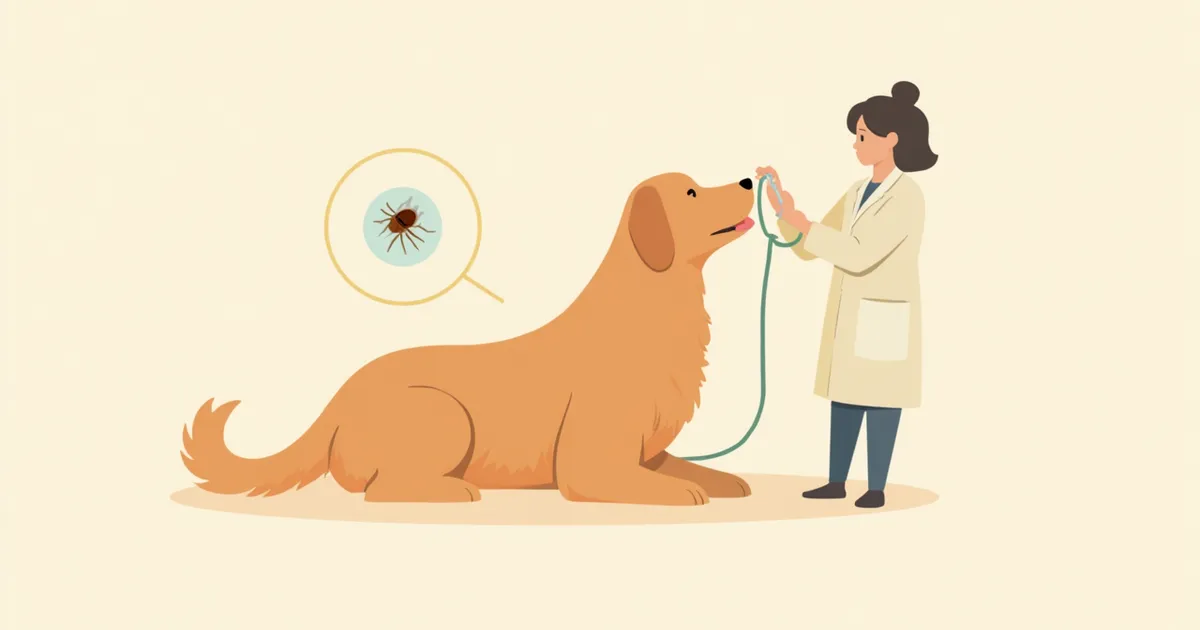
Canine Ehrlichiosis: Symptoms, Transmission Routes, and Treatment & Prevention Guide
Canine ehrlichiosis is an infectious disease caused by Ehrlichia bacteria entering blood cells through tick bites. It can progress from early symptoms like fever and lethargy to chronic bleeding disorders, making early diagnosis and antibiotic treatment essential.

If Your Cat Develops Kidney Cysts — Symptoms, Causes, and Management of Polycystic Kidney Disease
Feline polycystic kidney disease (PKD) is a genetic condition characterized by the development of cysts within the kidneys. Our veterinary advisory board has compiled a comprehensive guide covering symptoms, diagnosis, treatment, and home care for at-risk breeds such as Persians and Exotic Shorthairs.

If Your Cat Keeps Licking and Scratching — Causes and Treatment Timing for Flea Allergy Dermatitis
Flea allergy dermatitis in cats is an allergic condition where even a single flea bite can cause severe itching and skin inflammation. We’ve summarized the causes, symptoms, diagnosis, treatment options, and environmental management tips to help prevent recurrence.
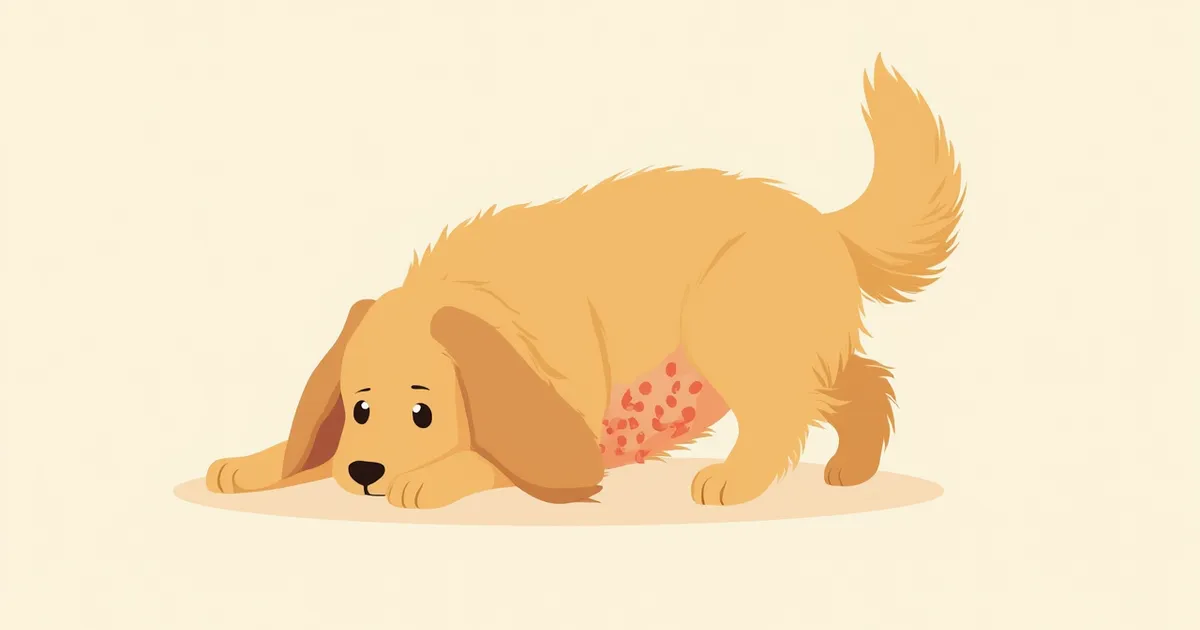
Why Is My Dog Scratching So Much? — Causes and Treatment Timing for Flea Allergy Dermatitis
Flea allergy dermatitis in dogs is a severe, itchy skin condition caused by an allergic reaction to flea saliva. Here’s a concise overview of the symptoms, treatment options, and prevention strategies that every pet owner should know.

If Your Cat Keeps Coughing — Lungworm Infection Symptoms, Transmission Routes, and Treatment Timing
Feline lungworm infection is a respiratory parasitic disease caused by lungworms that parasitize the lungs and bronchi. The main symptoms are chronic coughing and difficulty breathing, and the primary route of infection is through the ingestion of slugs or lizards.

Feline Coccidiosis: Symptoms, Transmission, Treatment, and Prevention
Feline coccidiosis is a parasitic disease caused by protozoa that infect the cells of the small intestine, leading to diarrhea and dehydration. It is especially dangerous in kittens and immunocompromised cats. Here’s a comprehensive overview of transmission, symptoms, treatment, and prevention of recurrence.

Canine SFTS: Symptoms, Transmission Routes, and Treatment & Prevention Strategies
Severe Fever with Thrombocytopenia Syndrome (SFTS) in dogs is a viral infection transmitted by ticks. We’ve compiled a comprehensive, evidence-based veterinary overview of its key symptoms—such as fever, low platelet counts, and bleeding tendencies—along with treatment and prevention strategies.