
Frequently Asked Questions About Chronic Recurrent Urinary Tract Infections in Dogs — Key Points Every Pet Owner Should Know
Chronic recurrent urinary tract infections in dogs are a painful condition characterized by recurring urinary symptoms. Here’s a clear overview of the causes, symptoms, and management strategies that every pet owner should know.

Canine Pulmonary Thromboembolism FAQ — Key Information for Pet Owners
Canine pulmonary thromboembolism is a life-threatening condition that can cause acute respiratory distress. Here’s a summary of the causes, symptoms, and management strategies that pet owners should know.

Frequently Asked Questions (FAQ) on Cat Urethral Catheter Care — Key Points Every Pet Owner Must Know
Proper care after urethral catheter placement in cats is essential for preventing infection and promoting recovery. Here are the key points every pet owner should know.

Frequently Asked Questions About Feline Bacterial Pneumonia — Key Information Every Pet Owner Should Know
Feline bacterial pneumonia is a condition where early detection can save lives. We’ve compiled the essential questions and answers every pet owner should know.

Dog Microchip Implantation FAQ — Key Information Every Owner Must Know
Microchip implantation in dogs is a preventive measure that greatly aids in locating them if they go missing. Here’s a summary of the essential information every pet owner should know.

Dog Parasite Zoonotic Infection Risks FAQ — Key Points for Pet Owners
If your dog carries parasites, there is a risk of transmission to humans. Here’s a summary of the parasites to watch out for and how to prevent them.

Frequently Asked Questions About Rabies Vaccination for Cats — Key Points Every Pet Owner Should Know
We’ve compiled the most common questions pet owners have about rabies vaccinations for cats. We’ll cover everything you need to know, including when to vaccinate, important precautions, and potential side effects.

Puppy Deworming Schedule FAQ — Key Information Every Owner Should Know
Puppy deworming should begin at two weeks of age. Regular deworming supports healthy growth and reduces the risk of parasites being transmitted to humans.

Frequently Asked Questions About Hookworms in Dogs — Key Information Every Pet Owner Should Know
We’ve compiled the most frequently asked questions from pet owners about hookworms in dogs. We’ll thoroughly explain the causes of infection, symptoms, prevention methods, and when treatment is needed.

Dog Reverse Sneezing FAQ — Key Information Every Pet Owner Should Know
While reverse sneezing in dogs can sometimes be a temporary reaction, frequent episodes may signal an underlying health issue. Here’s a summary of the key information every pet owner should know.

Canine Giardiasis FAQ — Key Information Every Pet Owner Should Know
Canine giardiasis is an intestinal inflammation caused by a parasite that can lead to diarrhea and abdominal pain. Here’s a summary of the key information every pet owner should know.

Frequently Asked Questions About Feline Bladder Polyps and Tumors — Key Information for Pet Owners
While bladder polyps and tumors are uncommon in cats, they can cause urinary difficulties. Here’s a summary of the key information pet owners should know.

Canine Lung Fluke FAQ — Key Information Every Pet Owner Should Know
Canine paragonimiasis is a lung disease caused by parasitic worms. Because the symptoms are often subtle, early detection can be challenging. We’ve compiled the essential information every pet owner should know.

Dog Dental Preventive Care FAQ — Key Points Every Pet Owner Should Know
Your dog’s dental health can be prevented through daily care. Here’s a summary of key questions and answers that pet owners should know.

Dog Nosebleeds (Epistaxis) FAQ — Key Information Every Pet Owner Must Know
Nosebleeds in dogs aren’t just simple bleeding—they can be a sign of various underlying conditions. We’ve compiled the essential information every pet owner should know, including causes, emergency first aid, and when to visit the vet.

Frequently Asked Questions on Early Detection of Health Issues in Dogs — Key Points Owners Must Know
To catch health issues in your dog early, daily observation is key. Here’s a summary of the essential warning signs and how to respond.

Feline Urethral Stricture FAQ — Key Information Pet Owners Must Know
Feline urethral stricture is a dangerous condition that can cause acute pain and urinary dysfunction. Here’s a summary of the key information pet owners should know.

Dog Flea Allergy Dermatitis FAQ — Key Information Every Pet Owner Should Know
Flea allergy dermatitis in dogs is a skin condition caused by an allergic reaction to flea bites. Here’s a summary of the key information every pet owner should know.

Feline Coccidia FAQ — Key Information Every Pet Owner Should Know
Feline coccidia are protozoan parasites that inhabit the small intestine, and they can cause severe diarrhea and dehydration, particularly in kittens and cats with weakened immune systems. Here’s a summary of the key information every pet owner should know.

Dog Urinary Incontinence & Urethral Sphincter Mechanism Incompetence FAQ — Key Information for Pet Owners
Urinary incontinence in dogs is a common issue caused by weakened urethral sphincter function. Here’s a summary of key information and management strategies that pet owners should know.

Cat Ear Mites FAQ — Key Information Every Owner Should Know
Cat ear mites are highly contagious parasites that cause symptoms such as ear itching, dandruff, and head shaking. Early detection and proper treatment are essential.

Dog Annual Deworming Schedule FAQ — Key Information Every Pet Owner Must Know
An annual deworming schedule is essential for maintaining your dog's health. Here’s a summary of the key information every pet owner should know.
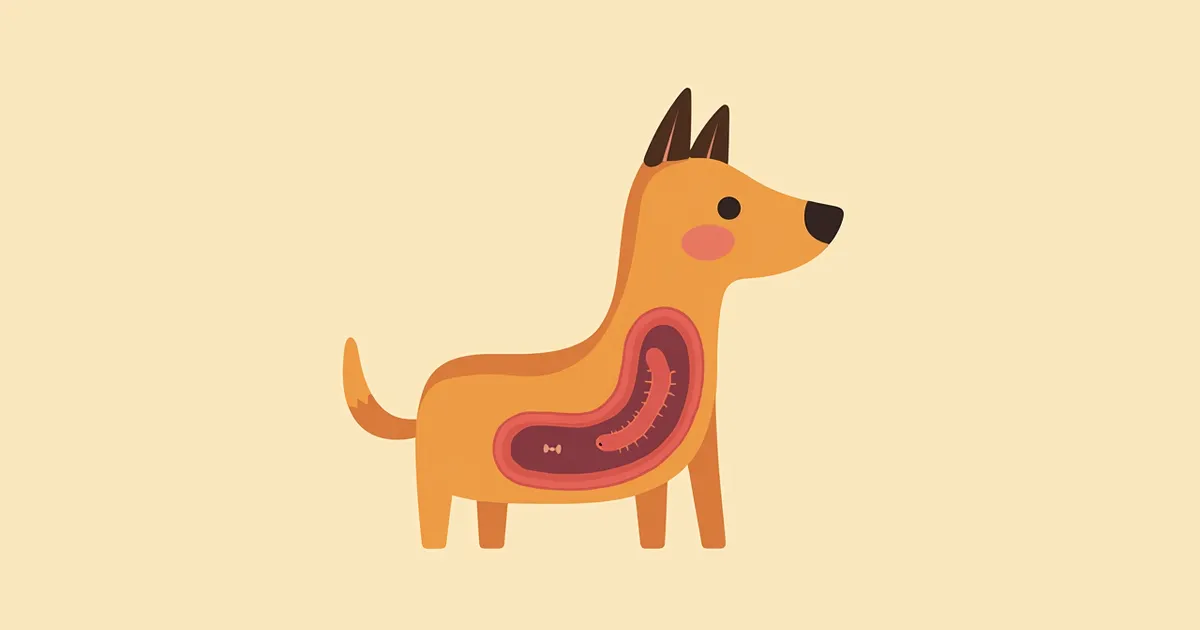
Puppy Whipworm (Whipworm) Frequently Asked Questions Q&A — Key Points Every Pet Owner Should Know
Whipworms are intestinal parasites that live in your dog’s small intestine and can cause enteritis. Here’s a clear overview of the symptoms, diagnosis, treatment, and prevention methods every pet owner should know.

Frequently Asked Questions About Feline Dysuria (Straining to Urinate) — Key Points Every Pet Owner Should Know
Feline dysuria is a life-threatening emergency. Here’s a summary of key questions and responses every pet owner should know.