
Frequently Asked Questions About Feline Chronic Rhinitis and Nasal Discharge — Key Information Every Pet Owner Should Know
If the underlying cause isn’t accurately identified, a cat’s chronic rhinitis and nasal discharge can persist. We’ve compiled the essential information every pet owner should know in a Q&A format.

Feline Cryptosporidiosis FAQ — Key Information Pet Owners Must Know
Feline cryptosporidiosis is an intestinal parasitic infection that can cause diarrhea and weight loss. Here’s a summary of the key information pet owners should know.

Frequently Asked Questions on How to Increase Your Dog’s Water Intake — Key Points for Pet Owners
When dogs don’t drink enough water, their risk of urinary tract diseases increases. Here are answers to frequently asked questions about how to encourage your dog to drink more water.

Dog Bladder Diverticulum FAQ — Key Information Every Pet Owner Should Know
A bladder diverticulum in dogs is a pouch-like protrusion in the bladder wall that can lead to infections or urinary difficulties. Here’s a Q&A summary of the key information every pet owner should know.

Cat Basic Vaccination Schedule FAQ — Key Points Every Owner Must Know
The basic vaccination schedule for cats begins at 8 weeks of age. We’ve compiled the essential information every pet owner should know, offering a practical guide to help you create a tailored plan for your cat.

Frequently Asked Questions on the Risk of Zoonotic Parasitic Infections in Cats — Key Points Pet Owners Must Know
Parasites in cats can cause zoonotic diseases that may also infect humans. Here’s a summary of the risks and prevention methods that pet owners should know.

Dog Oral Abscess & Dental Root Abscess FAQ — Key Information for Pet Owners
Dental abscesses in dogs are infections that form at the root of a tooth, causing pain, bad breath, and a decreased appetite. Early detection and treatment are essential to prevent complications.

Dog Oral Tumors (Overview) FAQ — Key Information Every Pet Owner Should Know
Early detection is key to improving treatment success rates for oral tumors in dogs. Based on frequently asked questions, we’ve compiled the essential information every pet owner should know.

Kitten Deworming Schedule FAQs — Key Information Every Owner Must Know
Deworming for kittens should begin at two weeks of age. Regular deworming is essential to prevent parasitic infections and support healthy growth.

Feline Stress-Induced Cystitis Management FAQ — Key Points Pet Owners Must Know
Feline stress-induced cystitis is a bladder condition triggered by environmental changes or anxiety. Here’s a summary of the key management strategies and coping methods that pet owners should know.
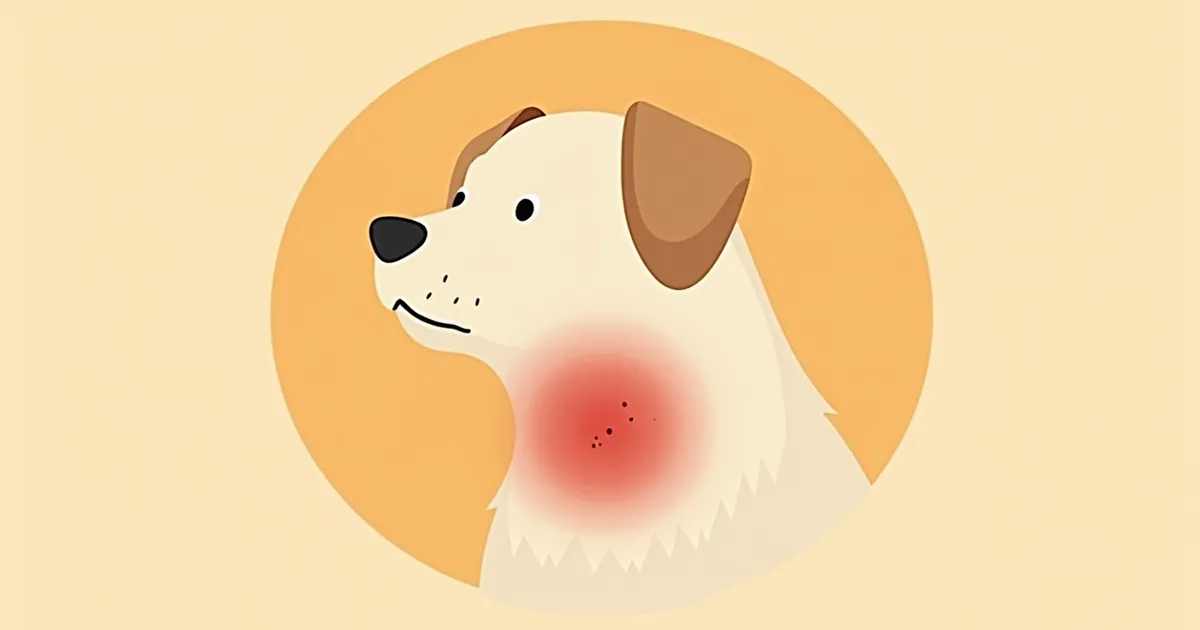
Dog Ringworm (Dermatophytosis) vs. Parasitic Infection: Frequently Asked Questions — Essential Knowledge for Pet Owners
When spots appear on a dog’s skin, it can be difficult to distinguish between ringworm (dermatophytosis) and a parasitic infection. Here’s a summary of key differentiating signs and how to respond—essential knowledge for every pet owner.

Frequently Asked Questions on Preventing and Removing Ticks from Dogs — Key Information Every Pet Owner Should Know
We’ve compiled frequently asked questions about preventing and removing ticks from dogs. From choosing the right preventive products to effective removal methods, we’ll share the essential information every pet owner should know.

Frequently Asked Questions on Increasing Your Cat’s Water Intake — Key Points Every Pet Owner Should Know
Increasing your cat’s water intake is key to preventing urinary tract diseases and maintaining kidney health. Here are some effective methods that pet owners can implement.

Frequently Asked Questions About Feline Struvite Stones — Key Information for Pet Owners
Feline struvite stones are mineral deposits that form in the urinary tract, posing a particularly high risk to male cats. Early detection and proper management are essential.

Canine Ehrlichiosis FAQ — Key Information Every Owner Must Know
Canine ehrlichiosis is a bacterial infection transmitted by the "vampire mosquito." Early detection and treatment are crucial.

FIV and FeLV Testing in Cats: Frequently Asked Questions — Key Information Every Pet Owner Should Know
FIV and FeLV testing in cats is a crucial preventive measure that helps detect infections early and protect your cat’s life. We’ve compiled the key questions and answers every pet owner should know.

Frequently Asked Questions About Feline Frequent and Urgent Urination — Key Points for Pet Owners
Frequent and urgent urination in cats can be a sign of a serious condition. Here’s a summary of key questions and actions that pet owners should know.

Dog Oral Squamous Cell Carcinoma FAQ — Key Information for Pet Owners
Oral squamous cell carcinoma in dogs is not common, but it is a malignant tumor that can be difficult to treat. Early detection and accurate diagnosis are key factors that determine survival rates.

Frequently Asked Questions About Bacterial Pneumonia in Dogs — Key Information Every Pet Owner Should Know
Bacterial pneumonia in dogs often begins with mild coughing but can worsen rapidly. Here’s the essential information every pet owner should know.

Indoor Safety Checks for Cats: Frequently Asked Questions — Key Points Every Owner Must Know
Indoor safety checks for cats are essential for preventing accidents and ensuring a healthy lifestyle. We’ve compiled the key points that pet owners should definitely review in a Q&A format.

Cat Roundworm FAQs — Essential Information for Pet Owners
Cat roundworms are parasites that can also pose a risk to humans. We’ve compiled the essential information pet owners need to know, including symptoms, prevention methods, and when treatment is necessary.

Feline Nasal Polyps: Frequently Asked Questions (Q&A) — Key Information for Pet Owners
Feline nasal polyps are a condition that can cause a variety of symptoms, including difficulty breathing, nasal congestion, and nosebleeds. Here’s a summary of the key information pet owners should know.

Brachycephalic Obstructive Airway Syndrome (BOAS) FAQ — Key Points Every Pet Owner Should Know
Brachycephalic Obstructive Airway Syndrome (BOAS) is a common respiratory condition in brachycephalic dog breeds. Here are the key questions and answers that every pet owner should know.

Dog Aspiration Pneumonia FAQ — Key Information Every Owner Must Know
Aspiration pneumonia in dogs occurs when food or stomach contents enter the airways, causing lung inflammation. Early detection and appropriate treatment are critical to survival.