
Top Management Recommendations and Selection Criteria for Canine Compulsive Tail Chasing
If your dog obsessively chases its tail, it may be a behavioral disorder rather than simple play. We’ve compiled a step-by-step management guide covering everything from identifying the cause to behavioral modification, environmental enrichment, and veterinary treatment.

7 Best Ways to Manage Your Dog’s Aggression Toward Strangers, According to a Veterinarian, and How to Choose
We’ve broken down everything you need to know about your dog’s aggressive behavior—such as barking or lunging at strangers—into clear, actionable steps. From understanding the causes and types of aggression to behavior modification techniques, safety gear, and when to seek professional help, this guide empowers you to take immediate, effective action.

Anxious When Left Alone: 7 Ways to Manage Separation Anxiety in Dogs and How to Choose Products
We’ve organized effective ways to manage separation anxiety in dogs by training, products, and medications. We’ll guide you step by step, from symptom checks to daily routines.

7 Management Strategies for Canine Compulsive Disorder — A Complete Guide to Causes and Selection Criteria
Canine compulsive disorder is a behavioral medicine condition in which normal behaviors, such as grooming or pacing, are repeated and exaggerated without context. We have compiled management strategies by type and criteria for initiating professional treatment, based on veterinary behavioral science.

Our Fearful Puppy — 7 Best Management Strategies to Overcome Lack of Socialization
We’ve outlined step-by-step desensitization training and management tools to help reduce fear and aggression in puppies that missed their critical socialization period.
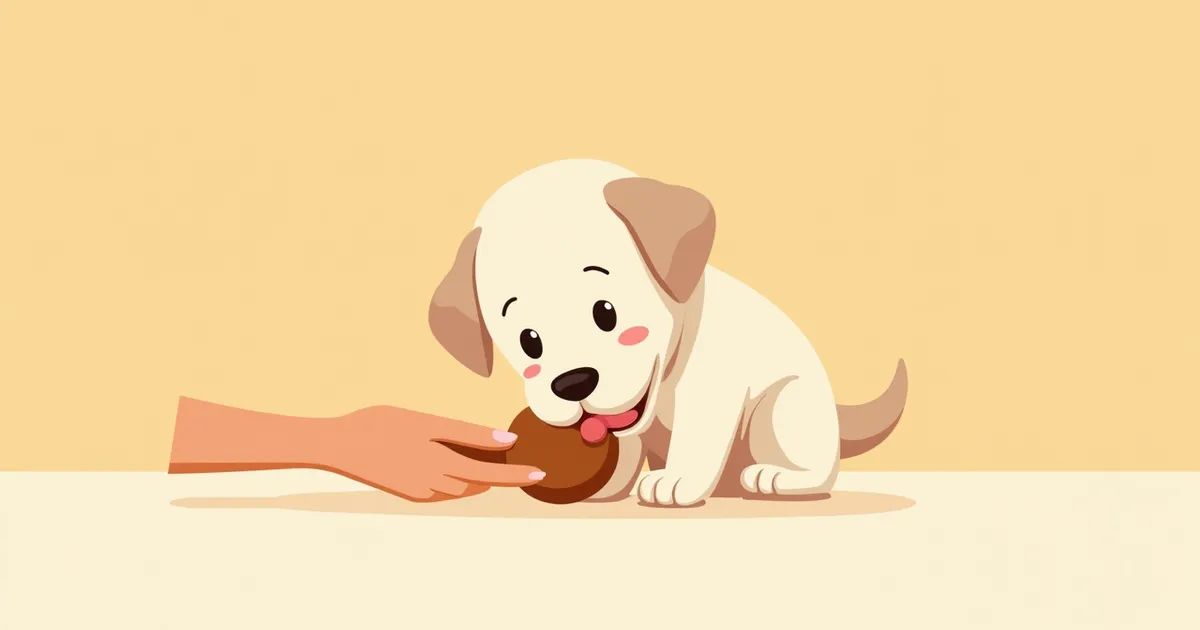
Why Is My Puppy Biting? — 7 Key Bite Correction Methods and Guidelines for Choosing Management Tools
Here’s a clear overview of the top four training methods to correct puppy biting, along with guidelines for choosing the right tools based on age and bite intensity.
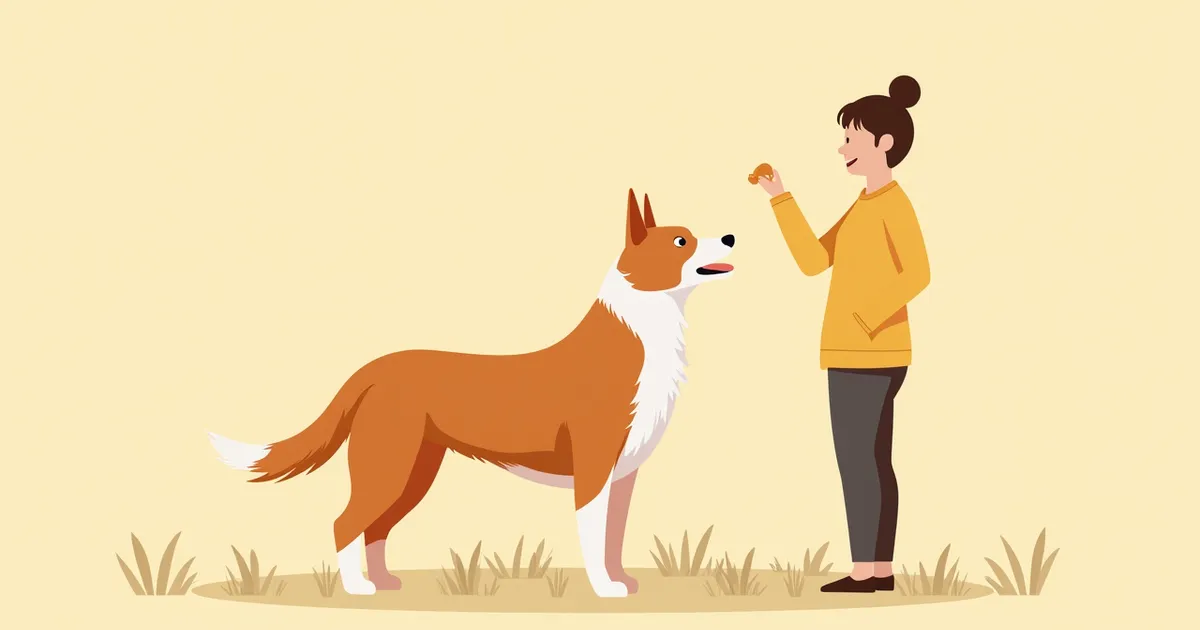
Dog Hunting Instinct: Chasing and Biting — 7 Management Strategies and Guidelines for Choosing Supplies
If your dog’s hunting instinct is so strong that it becomes uncontrollable, we’ve compiled the best veterinary behavior-based management strategies—including impulse control training, nosework, and energy-releasing exercises—along with guidelines for choosing the right approach.

If Your Dog Fears Thunder and Fireworks — 7 Best Ways to Alleviate Noise Phobia
I’ve compiled evidence-based veterinary strategies and products to help manage noise phobia in dogs. I’ll walk you through how to choose the right approach—from calming pressure wraps to veterinarian-prescribed medications—based on the severity of your dog’s symptoms.
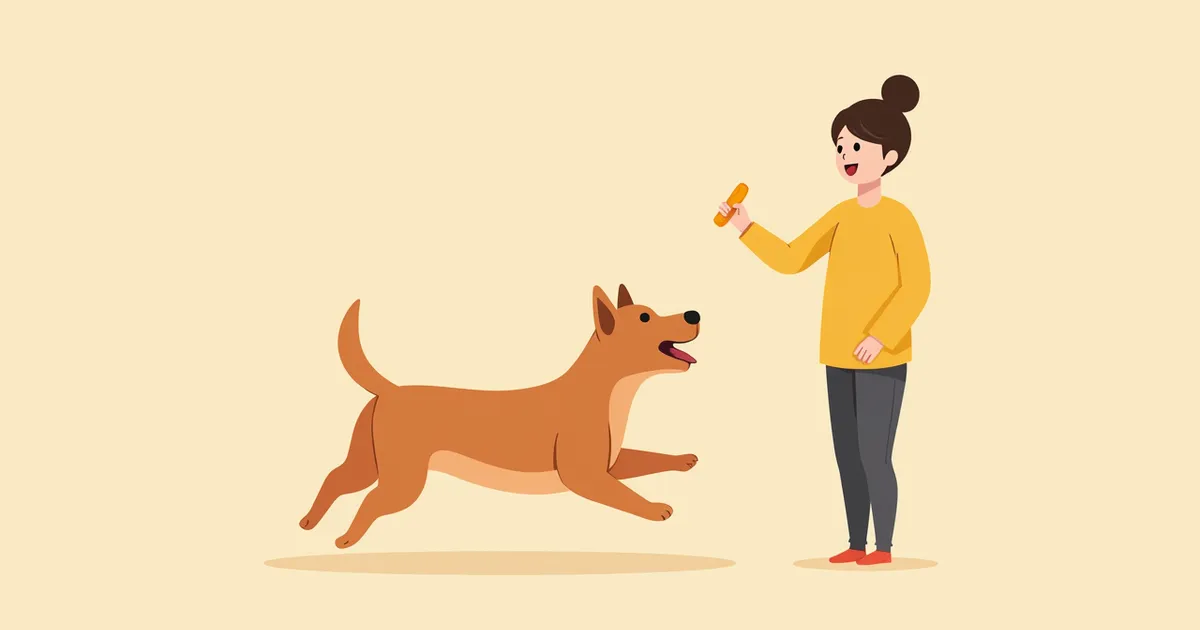
Veterinarian-Recommended Top 7 Management Methods for Canine Excessive Excitement and Impulse Control, Plus Selection Guidelines
If your dog overreacts to stimuli and struggles to calm down on their own, you need to manage exercise, training, and nutrition together. Here are the top seven effective management methods for improving impulse control, along with guidelines for choosing the right approach.
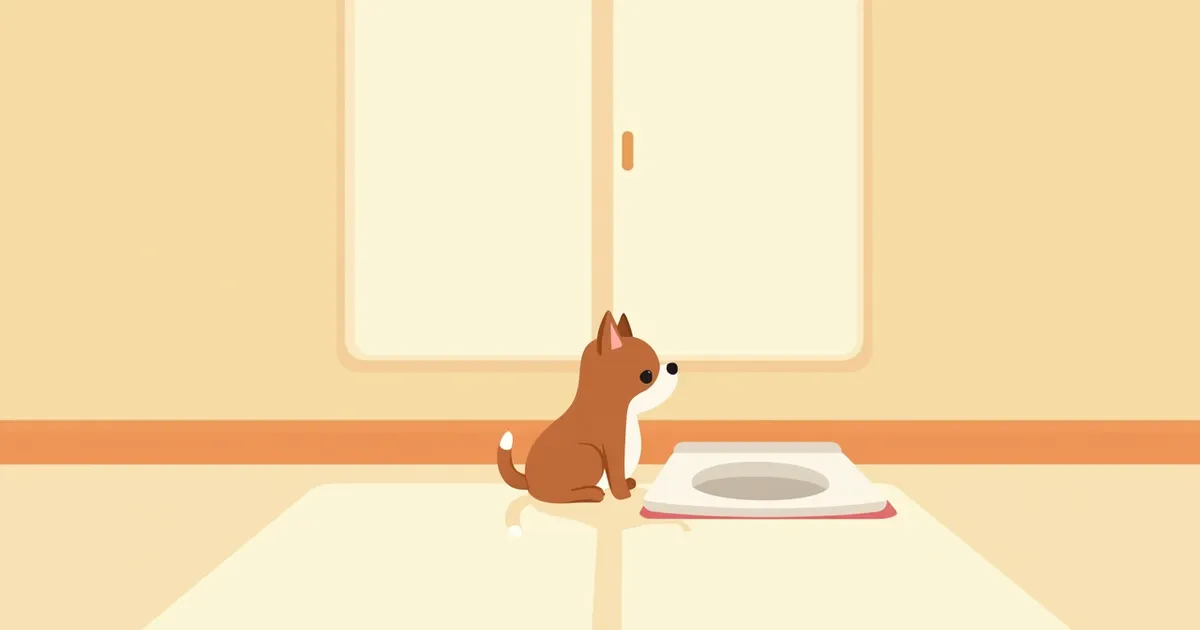
7 Potty Training Tools Recommended by Veterinarians for Managing Indoor Elimination Mistakes in Dogs
We’ve outlined how to distinguish between behavioral and medical causes of indoor accidents in dogs, along with guidelines for choosing potty training tools and a routine for completely eliminating odors.

Depressed Dog After Losing a Companion — Top 7 Grief Care Items and Selection Criteria
We’ve put together practical recommendations and selection criteria to help guide you through the deep grief that follows losing your dog, especially when you feel overwhelmed and unsure of how to cope.

Puppy Growling at Food Bowl — Top 7 Solutions for Food-Resource Guarding Aggression
We’ve compiled a comprehensive guide based on veterinary behavioral medicine, covering the causes and severity indicators of food-resource guarding in dogs, along with four practical management strategies owners can implement right away—and responses to absolutely avoid.

Top Recommended Management Strategies for Fear-Based Aggression in Dogs and Selection Guidelines
Fear-based aggression in dogs is a defensive behavior rooted in fear. We’ve compiled the top five evidence-based management strategies from veterinary behaviorology, along with guidelines for selecting products and training methods.

7 Best Management Strategies for Excessive Dog Barking Recommended by Veterinarians and How to Choose
The best way to manage excessive barking in dogs depends on the underlying cause. We’ve compared and summarized the top management strategies for each type—separation anxiety, territorial defense, attention-seeking, and fear—along with guidelines for choosing the right approach.

Anxious Puppies After a Move — Top 7 Products to Relieve Environmental Change Stress
We’ve compiled a quick guide to recognizing stress symptoms in dogs after a move or environmental change, along with evidence-based behavioral medicine management strategies and criteria for selecting appropriate products.

Dogs That Chew When Left Alone — 7 Management Strategies for Separation-Related Destructive Behavior and How to Choose
When left alone, dogs may exhibit destructive behaviors like chewing furniture or scratching doors, often due to separation anxiety or boredom. Here are the top four management strategies, along with guidelines for choosing the right approach based on the underlying cause and severity.

The Best Ways to Manage Compulsive Licking and Chewing in Dogs and How to Choose the Right Approach
The way to manage a dog’s compulsive licking or chewing depends on the underlying cause. We’ve compiled the most effective, evidence-based methods—from environmental enrichment to veterinarian-prescribed treatments—along with guidelines for choosing the right approach.

7 Puppy Anxiety-Relief Pheromone Products Recommended by Veterinarians
Puppy pheromone therapy is a non-pharmacological behavioral treatment that uses DAP (Dog Appeasing Pheromone), a synthetic version of the calming substance naturally secreted by a mother dog while nursing her puppies, to help alleviate anxiety and stress-related behaviors.

The Best Evidence-Based Management Strategies for Canine Cognitive Dysfunction in Senior Dogs and Selection Criteria
We’ve compiled the best evidence-based veterinary management strategies for canine cognitive dysfunction (CCD) in senior dogs, starting with the DISH symptom checklist and covering environmental adjustments, cognitive stimulation, and nutritional care—all in one place.

7 Behavioral Enrichment Strategies for Mental Stimulation Recommended by Veterinarians
Enriching your dog’s environment is a key strategy for satisfying their instinctual drives, preventing behavioral issues, and supporting mental well-being. We’ve outlined the top six methods—including nose work, food puzzles, and SMART training—along with guidelines to help you choose the right approach for your dog.

7 Medications for Behavioral Modification in Dogs Prescribed by Veterinarians
Medication for behavioral modification in dogs is a treatment approach that uses veterinarian-prescribed drugs to improve behavioral issues that are difficult to manage with training alone, such as separation anxiety, aggression, and compulsive behaviors. The most important thing to remember is that medication is not a substitute for behavior modification training.
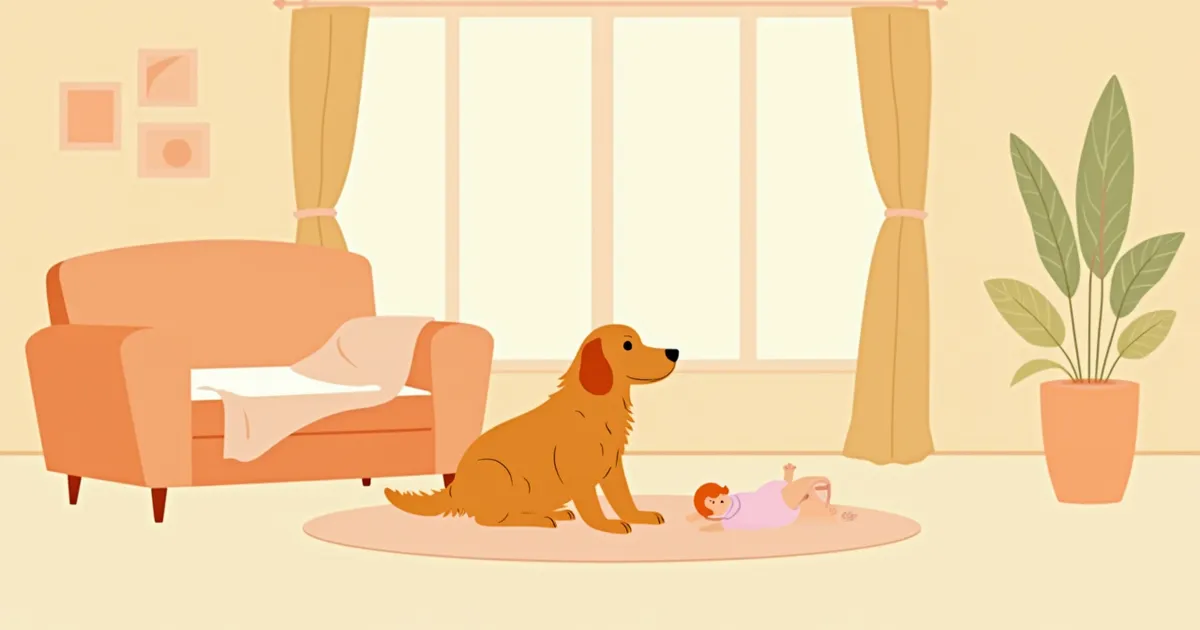
7 Best Strategies for Managing Behavioral Changes in Dogs After a Baby Is Born
We’ve compiled recommended strategies for safely managing signs of anxiety, marking, and aggression in dogs after a baby is born, along with guidance on when to seek professional advice.

Cats Who Tremble at the Vet — 7 Vet-Recommended Ways to Reduce Fear
We’ve organized step-by-step, evidence-based best practices from veterinary behaviorology for managing cats who fear the vet, along with criteria for choosing the right approach in each situation.

7 Best Items to Stop Cat Spray Marking on Walls
We’ve compiled a veterinary-backed overview of the causes and management strategies for cat spray marking, including guidance on how to choose the right pheromone products, enzymatic cleaners, and environmental enrichment solutions for each situation.