Like
Share
멍실장
강아지 노령견 인지기능 장애 관리 추천 BEST와 고르는 기준 총정리

The Best Evidence-Based Management Strategies for Canine Cognitive Dysfunction in Senior Dogs and Selection Criteria

Brain & CognitionTop PicksMeongsiljang Veterinary Advisory Board

We’ve compiled the best evidence-based veterinary management strategies for canine cognitive dysfunction (CCD) in senior dogs, starting with the DISH symptom checklist and covering environmental adjustments, cognitive stimulation, and nutritional care—all in one place.

What Is Canine Cognitive Dysfunction in Senior Dogs?

An elderly dog with white fur mixed in, gazing at its owner.
Canine Cognitive Dysfunction (CCD) is a neurodegenerative disorder in senior dogs characterized by the gradual decline of memory, learning ability, sleep-wake cycles, and spatial awareness due to age-related damage to brain neurons. In aging dogs, structural changes such as reduced frontal lobe volume, enlarged ventricles, and decreased neuron counts are commonly observed. Early detection is crucial. Although CCD is relatively common in older dogs, many owners mistakenly attribute the symptoms to normal aging. If signs appear, it is important to have a veterinarian rule out other medical conditions. Combining environmental adjustments, cognitive stimulation, and proper nutritional management can help slow the progression of the disease.

Does Your Dog Have These Symptoms? DISH Symptom Checklist
The symptoms of CCD can be summarized by the English acronym DISHA.
Disorientation: Your pet may wander aimlessly around the familiar home or repeatedly bump into furniture.
Interaction: They may fail to recognize their owner or prefer to be alone.
Sleep: They may sleep throughout the day and pace or vocalize at night.
House-soiling: A previously house-trained pet may suddenly urinate or defecate indoors.
Activity: There may be a decrease in usual activities or the repetition of meaningless behaviors.
If several of these symptoms appear or persist, a veterinary consultation is necessary. Since a CCD diagnosis requires ruling out other medical causes, such as thyroid disease, it is advisable to undergo a comprehensive clinical examination.
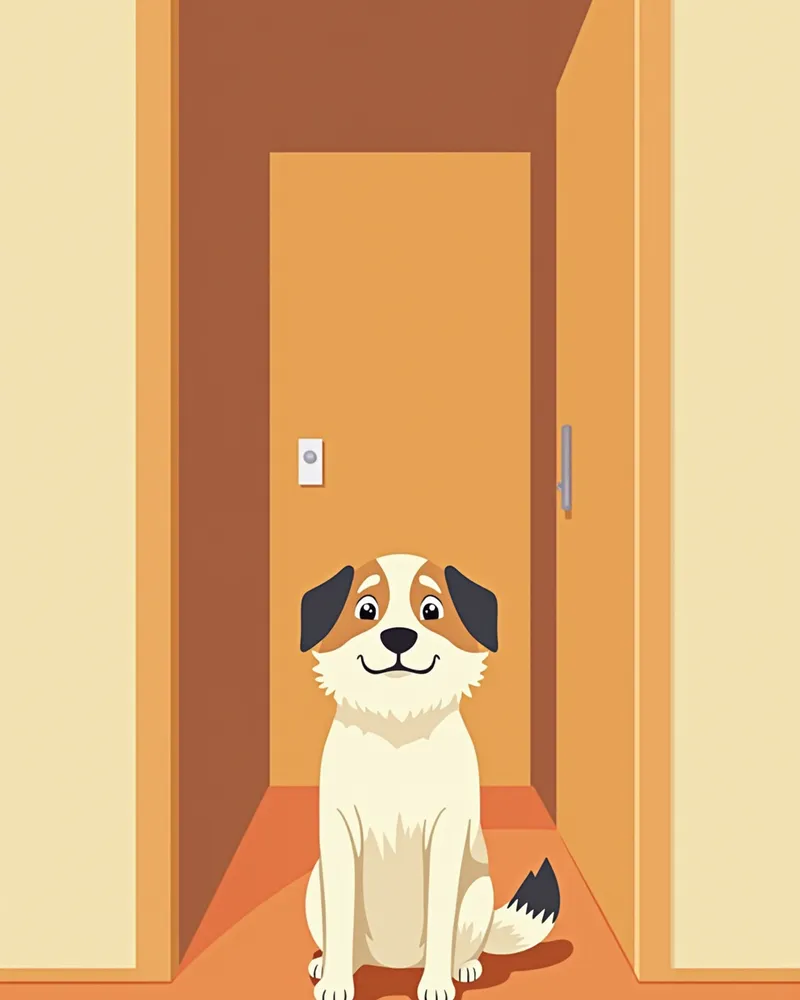
An elderly dog standing in the hallway of the house, looking lost and confused

Seek Immediate Veterinary Care for These Symptoms

If your pet suddenly experiences seizures, refuses food and water for more than 24 hours, or shows extreme confusion (such as pacing in circles or repeatedly head-butting walls), it may indicate a neurological condition other than CCD. In such cases, do not attempt home care—seek immediate attention at a 24-hour veterinary clinic.

Three Criteria for Choosing Management Strategies

We selected these management strategies based on veterinary behavior textbooks and clinical evidence.
Evidence of efficacy: We included only methods with proven effectiveness reported in veterinary journals and textbooks.
Feasibility for pet owners: The methods must be easy to start at home without special equipment.
Safety: We prioritized methods with low risk of side effects and that can be safely combined with other treatments.
Combining the following top three recommendations under veterinary guidance will yield the best results.

BEST 1 — Environmental Adjustments and Maintaining Daily Routines

The first step for a dog with CCD is to create a safe and predictable environment.
Keep furniture in place: Avoid moving furniture to help prevent disorientation.
Use non-slip mats: Slippery floors can increase anxiety.
Keep night lights on: This helps prevent collisions when your dog wanders at night.
Maintain consistent meal and walk times: A predictable routine helps reduce anxiety.
According to veterinary behavior textbooks, a consistent environment can help slow the progression of cognitive decline.

BEST 2 — Activating the Brain with Cognitive Stimulation Activities
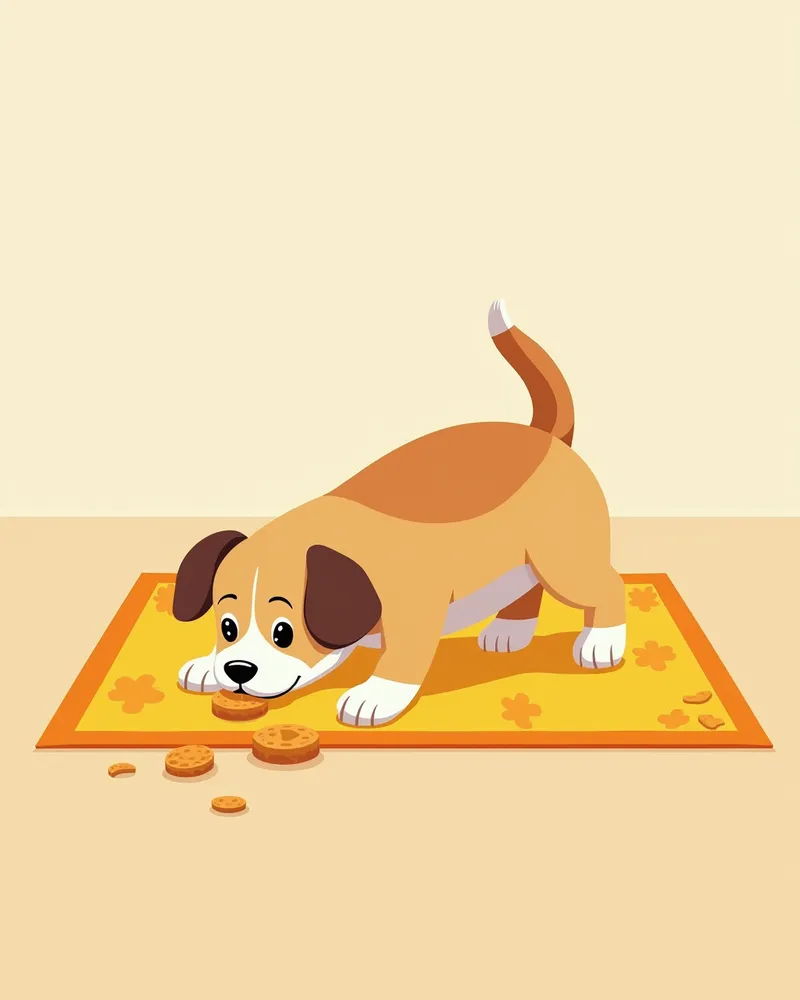
Appropriate cognitive stimulation helps activate the brain and slow the progression of symptoms. However, overly intense stimulation can cause stress, so the key is to keep sessions short and consistent.
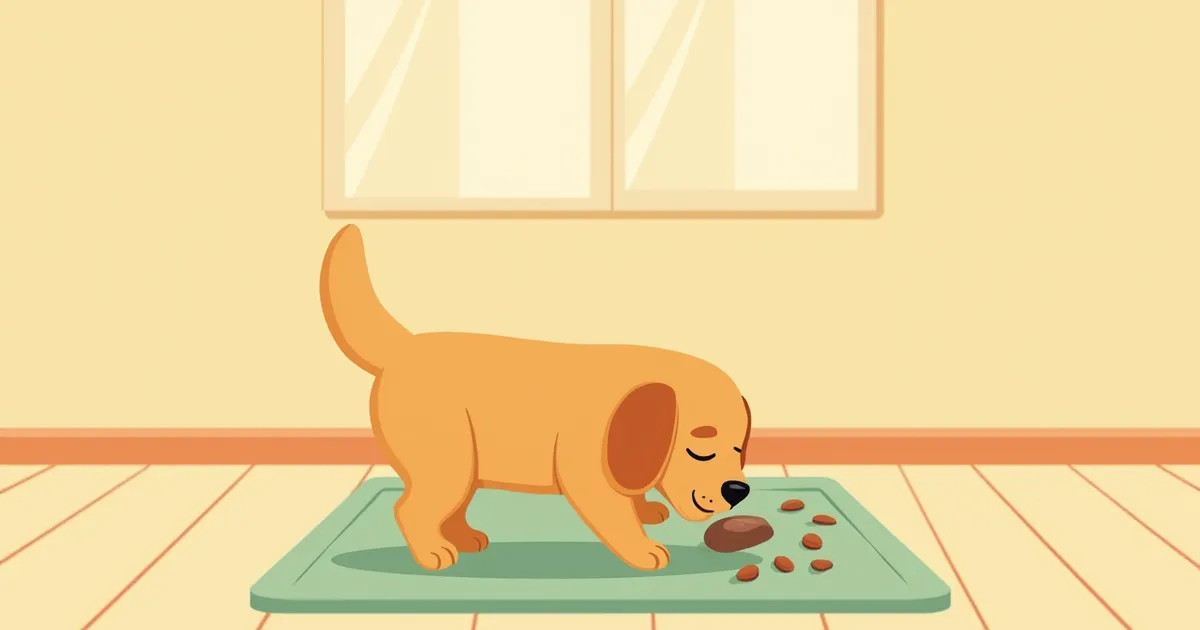
Snuffle mat use: Let your pet search for food using their sense of smell—10 to 15 minutes is sufficient.
Scent-focused walks: Slow walks that emphasize sniffing and exploring are more effective than brisk exercise.
Simple command repetition: Briefly repeat commands your pet already knows, such as "sit" and "stay."
Puzzle toys: Keep the difficulty low and provide frequent opportunities for success.
An elderly dog searching for treats on a snuffle mat

BEST 3 — Nutritional Care for Brain Health and How to Choose Supplements

According to veterinary nutrition textbooks, antioxidants and omega-3 fatty acids help slow the rate of brain aging.
Omega-3 (DHA): Protects the membranes of brain nerve cells.
Antioxidant nutrients such as Vitamin E: Help reduce oxidative stress in brain cells.
Mitochondrial support ingredients: Ingredients that assist with brain energy metabolism, such as MCT oil, are gaining attention.
In fact, diets containing antioxidants and mitochondrial cofactors have been shown in clinical and experimental studies to improve cognitive function in dogs. These ingredients are also included in senior-specific prescription diets. It is best not to start multiple supplements at once, but to consult your veterinarian before administering them.
A senior dog’s food bowl with salmon and omega-3 supplements

Comparison of CCD Management Strategies: Efficacy, Difficulty, and Cost

ItemEnvironmental AdjustmentCognitive Stimulation ActivitiesNutritional SupplementsVeterinarian-Prescribed Medication
Evidence of EfficacyHighModerate–HighModerateModerate–High
Difficulty for OwnerLowLowLowRequires veterinary prescription
Risk of Side EffectsAlmost noneAlmost noneLowPresent (monitoring required)
CostCheapCheap–ModerateModerateModerate–High
Can Start ImmediatelyYesYesAfter veterinary checkAfter veterinary diagnosis

Medication treatment must always be prescribed after a veterinary diagnosis

Reviewed by a veterinarian

Dr. Tony — Punnawat Phongkittirak

Dr. Tony — Punnawat Phongkittirak

Veterinarian

A veterinarian who majored in veterinary medicine at Khon Kaen University, Thailand, and completed the IVSA program at North Carolina State University in the United States. Drawing on clinical experience at animal hospitals, he works in the pet healthcare field and is dedicated to building a digital care environment that connects pet parents with veterinarians.

Frequently Asked Questions

Is CCD curable?
A complete cure isn’t possible. Since CCD is a progressive condition, symptoms typically worsen over time. However, consistent environmental adjustments, cognitive stimulation, and nutritional management can help slow the progression and maintain your pet’s quality of life.
At what age should CCD management begin?
There is no specific starting age for this. However, as pets enter their senior years, it is important to closely monitor any cognitive or behavioral changes. Cognitive stimulation activities and antioxidant nutrition can support brain health even before symptoms appear, so it’s best to consult with your veterinarian to determine the right time to start.
What should I do if my dog keeps barking and wandering around at night?
Try keeping a nightlight on and increasing daytime activity to encourage better sleep at night. If the problem persists, consult your veterinarian. In some cases, a prescription sleep aid may be helpful.
Can I give my dog human dementia medication?
Absolutely not. Medications intended for humans can be toxic to dogs. Treatment decisions are made after a comprehensive neurological examination, and you should only use veterinary medications prescribed by your veterinarian.
How can you tell the difference between CCD and normal aging?
If your dog shows multiple or persistent signs of DISHA—disorientation, changes in social interaction, abnormal sleep patterns, indoor accidents, and altered activity levels—it may indicate cognitive dysfunction syndrome (CCD). However, to rule out other conditions such as hypothyroidism or joint pain, a comprehensive physical exam and veterinary tests, including blood work and thyroid (T4) testing, are necessary.

Share

Related Guides

References

[1] National Research Council (NRC), Nutrient Requirements of Dogs and Cats, National Academies Press, 2006

[2] Fascetti, A.J. and Delaney, S.J. (eds.), Applied Veterinary Clinical Nutrition, 2nd Ed., Wiley-Blackwell, 2021

[3] Landsberg, G.M., Nichol, J. and Araujo, J.A., 'Cognitive dysfunction syndrome: A disease of canine and feline brain aging', Veterinary Clinics of North America: Small Animal Practice, 42(4), 2012

[4] Mills, D.S. et al. (eds.), Introduction to Animal Behavior and Veterinary Behavioral Medicine, Wiley-Blackwell, 2022

[5] Woodnutt, J., The Dog Care Handbook: Things I Wish My Vet Had Told Me, 2023

This information is based on veterinary literature and does not replace diagnosis or treatment. Please consult a veterinarian for specific health concerns.

Metapet Co., Ltd. | CEO: Park Sung-yong | Business Reg. No. 417-88-02562 | Seoul, South Korea | Customer Center

Managing Canine Cognitive Dysfunction in Senior Dogs — Vet Tips | Meongsiljang