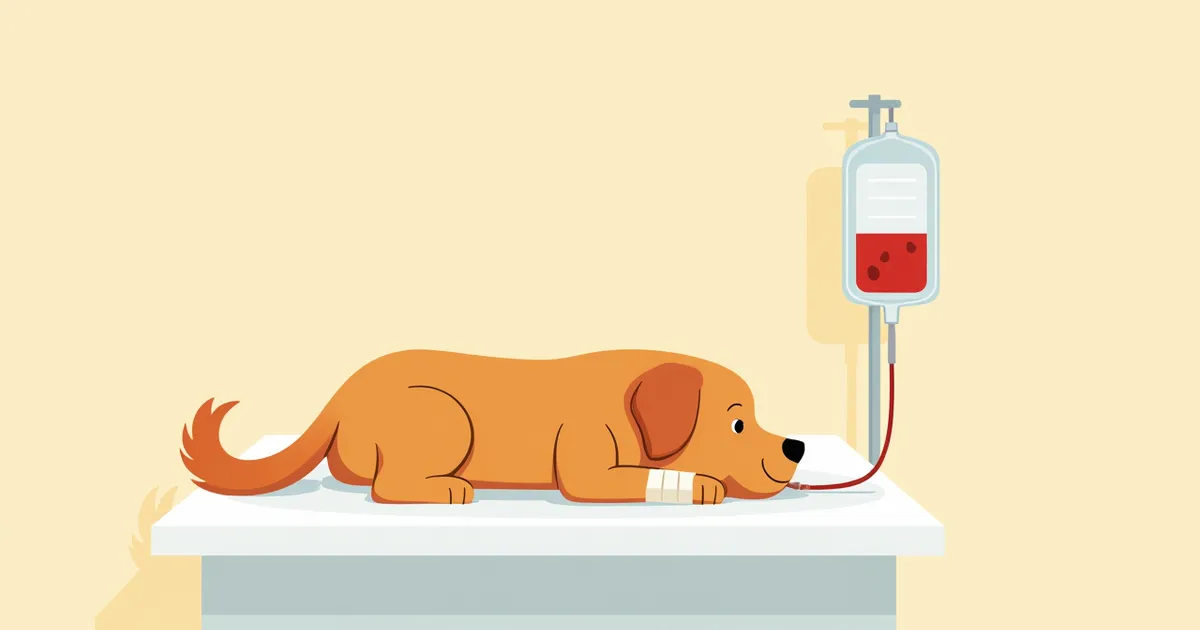
When Is a Dog Blood Transfusion Absolutely Necessary? — From Anemia and Hemorrhage Signs to the Golden Window
Our veterinary advisory team has summarized the key points on when dogs need blood transfusions, what blood products are used, and how to care for them at home afterward.

How to Feed Your Cat a Prescription Diet — Differences from Regular Food and Feeding Principles
How should you feed your pet a veterinarian-prescribed therapeutic diet? We’ve summarized the essentials every pet owner needs to know, from transition methods and precautions to feeding duration.

The Complete Guide to the Causes of Feline Stereotypic Behavior and Behavioral Correction and Treatment Methods
Here’s a summary based on veterinary behavioral science explaining why cats develop repetitive abnormal behaviors (stereotypies), and how they can be corrected and treated.

Feline Blood Glucose Testing — Stress Hyperglycemia and Accurate Measurement Methods
Cats can experience blood glucose levels rising up to 300 mg/dL simply due to excitement when visiting the hospital. Here’s a guide to home blood glucose testing to help distinguish stress-induced hyperglycemia from true diabetes.

Guide to Insulin Types and Lifelong Management Costs for Feline Diabetes
Feline diabetes is an endocrine disorder that requires lifelong management. We’ve outlined the differences between insulin types, monthly real-world management costs, and key cost-saving tips every pet owner should know.

Feline Tumor Biopsy — Anesthesia Risks and Decision-Making for Senior Cats
We’ve compiled the essentials every cat owner should know—based on veterinary expert advice—including the differences between biopsy methods for feline tumors, anesthesia risks and safety protocols for senior cats, and criteria for determining the optimal timing for testing.

What Is Dog Mange? — Demodex and Sarcoptic Mange Symptoms and Treatment
Dog mange is classified into two types: demodex (caused by Demodex mites) and sarcoptic mange (caused by Sarcoptes scabiei). Because contagiousness, symptoms, and treatment methods vary depending on the type, accurate diagnosis is the most critical step.

When to Deworm Puppies for Roundworms: A Guide to Timing and Medication Selection
Roundworms are a common internal parasite that live in the small intestine of puppies. Since almost all puppies are born infected through the placenta or mother's milk, regular deworming is essential starting from two weeks of age.

Is the AI pet food recommendation algorithm truly trustworthy?
We’ve put together a clear, pet-owner-friendly explanation of how our AI-powered pet food recommendation algorithm works and the veterinary-backed criteria that make it trustworthy.

Pet Wearable Technology: From Types to Selection Guide
Pet wearables are small devices that measure your pet’s heart rate, activity level, and sleep in real time to detect early signs of abnormalities. We’ve compiled information on the types of wearables, selection criteria, and how to use them for immune system management.

Guide to Telemedicine (Remote Veterinary Care)
We’ve put together a clear overview of what telemedicine for pets is, what services are available in Korea, and when it’s most beneficial to use.

What is AI imaging diagnostics? — Key points on whether it can be used for your pet’s exam
AI imaging diagnostics is a supportive technology that uses artificial intelligence to analyze X-rays, CT scans, and other imaging data to predict the likelihood of disease. We’ve outlined its useful applications and limitations for pet owners to keep in mind.

Beach & Pool Safety: How to Keep Your Pet Safe During Water Play?
We’ve compiled safety guidelines and emergency response steps to help prevent drowning, waterborne infections, and heatstroke in pets at beaches and swimming pools.

Lethargy vs. Fatigue vs. Illness in Dogs and Cats: How to Tell the Difference?
Lethargy, fatigue, and illness can be distinguished by the speed of recovery and accompanying symptoms. If the condition persists for more than 24 hours or is accompanied by a decreased appetite or vomiting, it may be a sign of illness.

What Is a Veterinary Radiologist? — When Are X-ray, CT, and MRI Tests Needed?
We’ve put together a clear, easy-to-understand overview of what veterinary radiologists do, which imaging tests they perform, and how their specialty differs from general practice—all explained from a pet owner’s perspective.
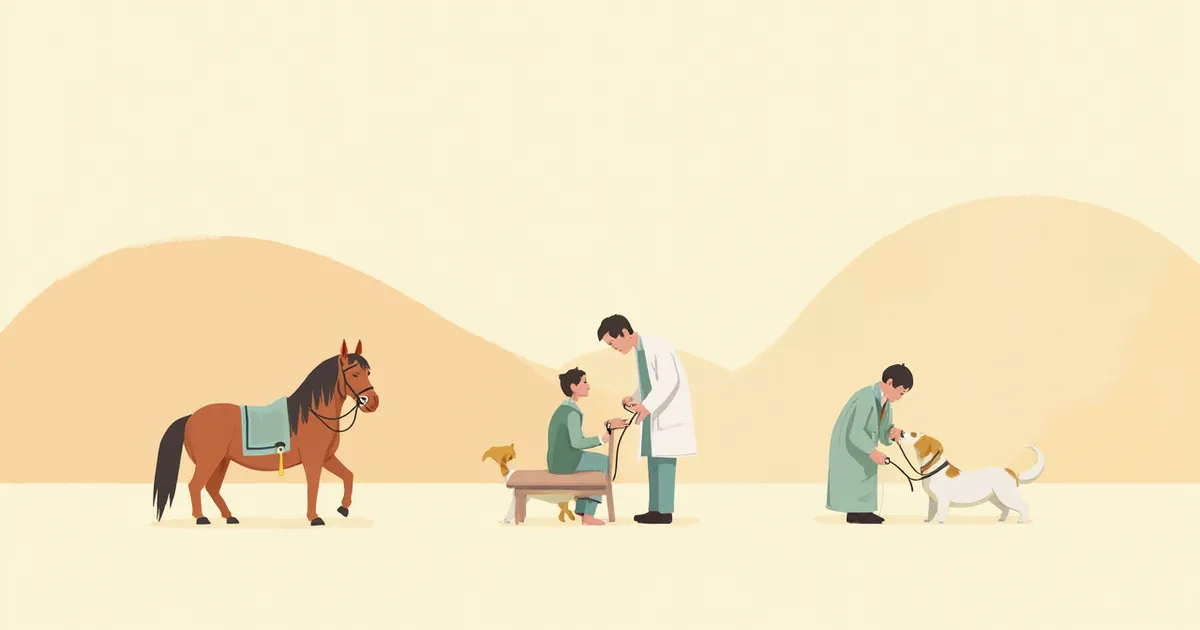
A Quick Overview of the History of Korean Veterinary Medicine
Korean veterinary medicine began with the horse-doctor system of the Three Kingdoms period, progressed through modern education during the Japanese colonial era, and has since evolved into today’s companion animal healthcare system. Here’s an overview of the key changes across each era and the current state of veterinary care for pets.

What Is Therapeutic Massage for Dogs and Cats? — Safe Techniques and Precautions at Home
Therapeutic massage is a non-pharmacological complementary therapy that helps relieve pain and improve circulation in dogs and cats. Here’s a summary of three techniques—stroking, effleurage, and petrissage—along with important safety precautions.
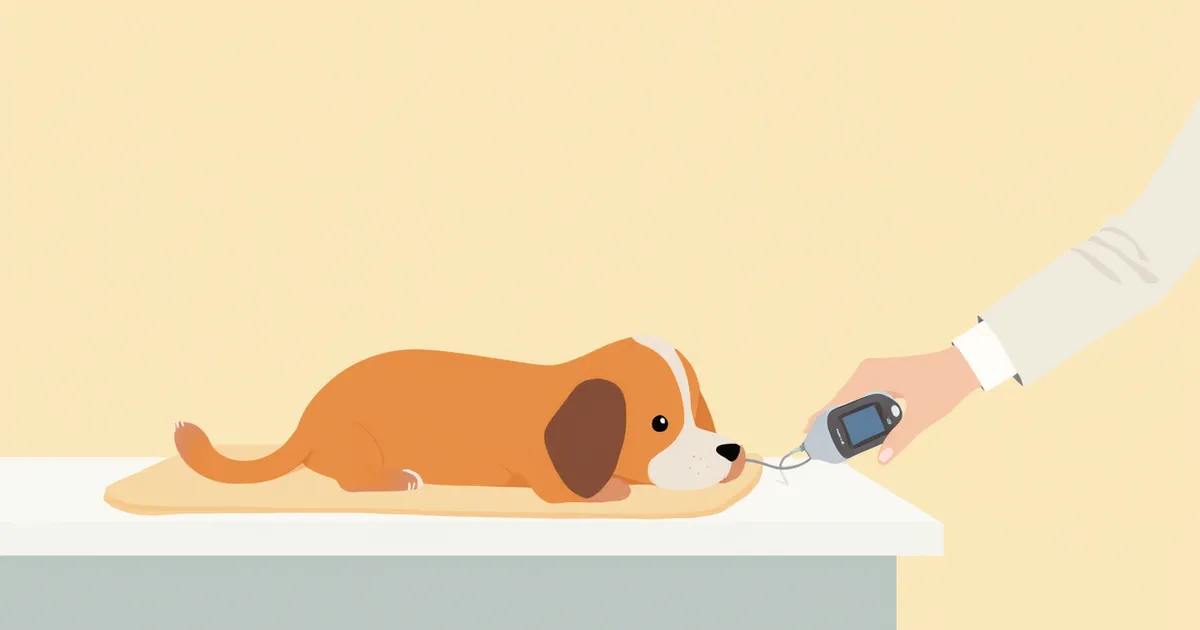
How is a short-term sedation protocol for dogs carried out?
A short-term sedation protocol for dogs involves a step-by-step process, from drug combination and monitoring to recovery. The veterinarian customizes the plan based on the dog's weight and health status.

Is Anesthesia Safe for Dogs with Kidney Disease? Risks and Safety Management Owners Should Know
Anesthesia for dogs with compromised kidney function hinges on careful drug selection and fluid management. Here’s a clear overview of the protocol owners should know, from pre-anesthetic testing through recovery.
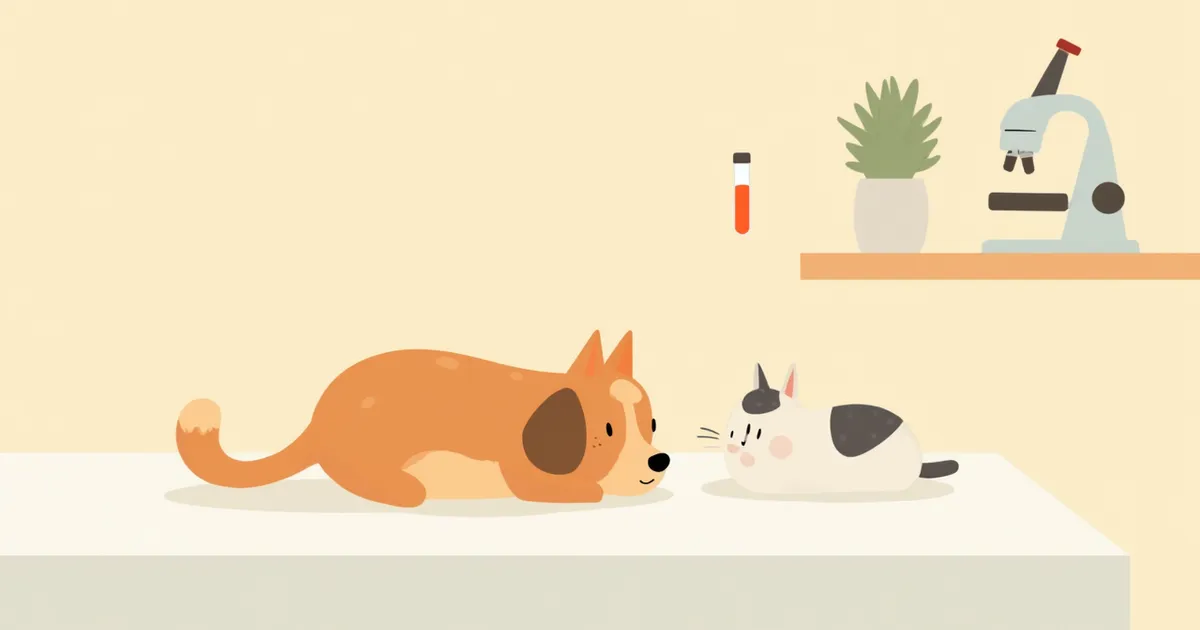
Bone Marrow Aspiration Test (Diagnosis of Blood Disorders)
We’ve put together everything pet owners need to know about bone marrow aspiration tests, including what they are, when they’re necessary, how the procedure is performed, how to interpret the results, and how to care for your pet during recovery.

Why Your Cat Chatters at Birds
Chattering, where your cat rapidly clicks its jaw while watching birds outside the window, is a normal behavior driven by a mix of hunting instinct and frustration. Here’s what it means and how to manage it.

Why Do Cats Bring Home Dead Animals — Hunting Instinct or Affection?
When cats bring home dead mice, birds, or insects, it’s an instinct inherited from their wild ancestors—rooted in hunting and nurturing behaviors. Rather than scolding them, the key is to maintain good hygiene and provide appropriate outlets for their natural hunting instincts.

Why Cats Suddenly Wake Up During Sleep
Cats may suddenly wake up during sleep due to wild instincts, transitions into REM sleep, environmental stimuli, pain, or cognitive dysfunction associated with aging. If these episodes occur repeatedly or resemble seizures, immediate veterinary care is necessary.

Why Your Dog Points with Its Paw
I’ll explain what it means when your dog lifts a front paw and points in a specific direction, and how to tell whether this pointing behavior is normal or a sign of a health issue.