
Why Dogs Make a Sad Face
A dog’s sad expression can be a sign of emotion or a signal of pain or illness. Let’s uncover the hidden meaning behind the expression.

Why Do Cats Sit on Keyboards? Is It to Get Attention or for Warmth?
Cats sit on keyboards for instinctual reasons such as seeking warmth, attracting attention, or marking their territory. Rather than forcibly shooing them away, it is more effective to provide them with an alternative space.

Is My Cat’s Box Obsession Normal? — Reading the Signs of Stress and Security
Cats instinctively perceive small, dark spaces as safe havens. Their obsession with boxes is a natural behavior driven by a combination of stress relief, body heat retention, and hunting instincts.
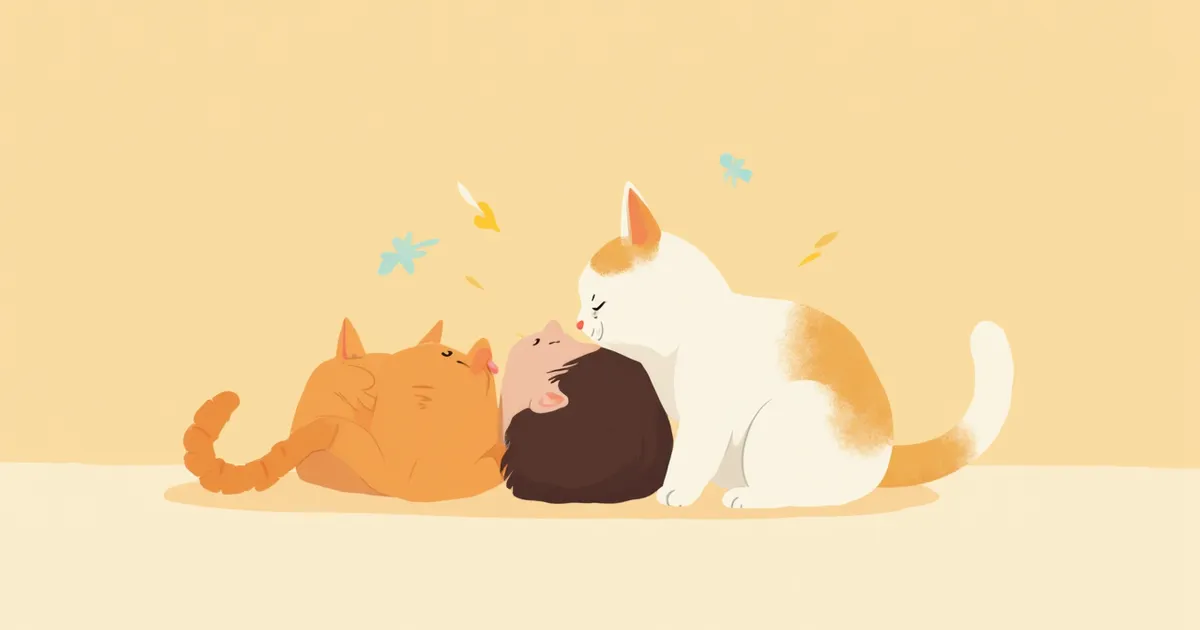
Why Your Cat Licks Your Head
While a cat licking its owner’s head is usually a sign of affection, excessive repetition can indicate stress or a skin condition. Here’s how to tell the difference based on the situation.
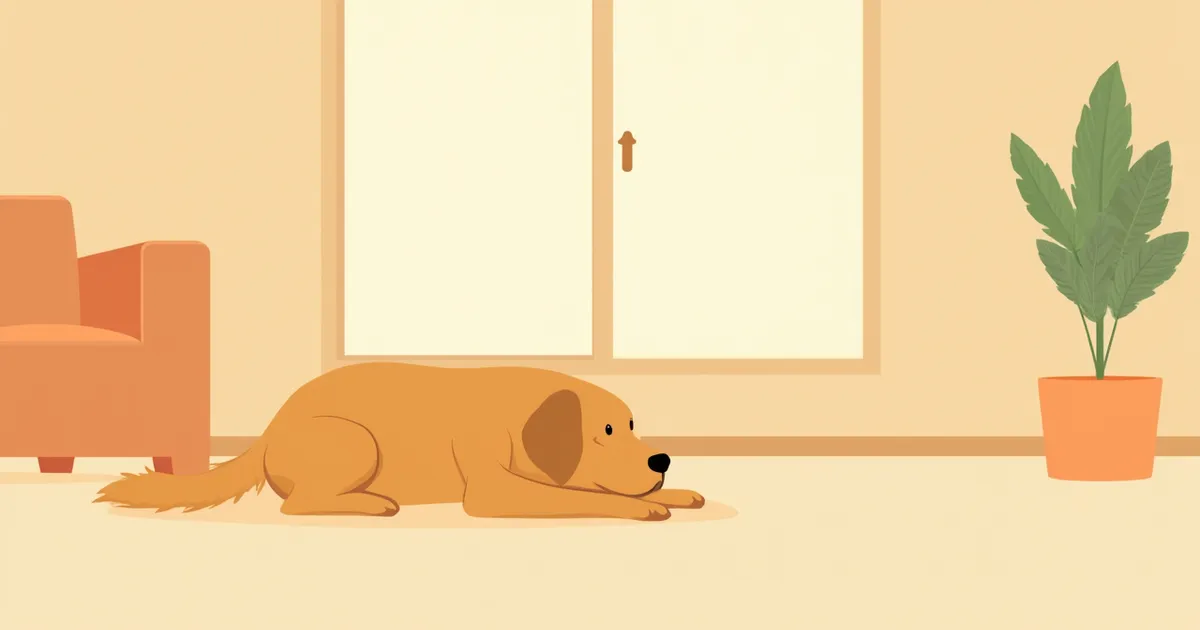
After Saying Goodbye to a Companion — Do Surviving Pets Feel Grief Too?
We’ve outlined how to understand the grief responses that can appear in a surviving pet after losing a companion, along with practical care strategies to help them return to their daily routine.
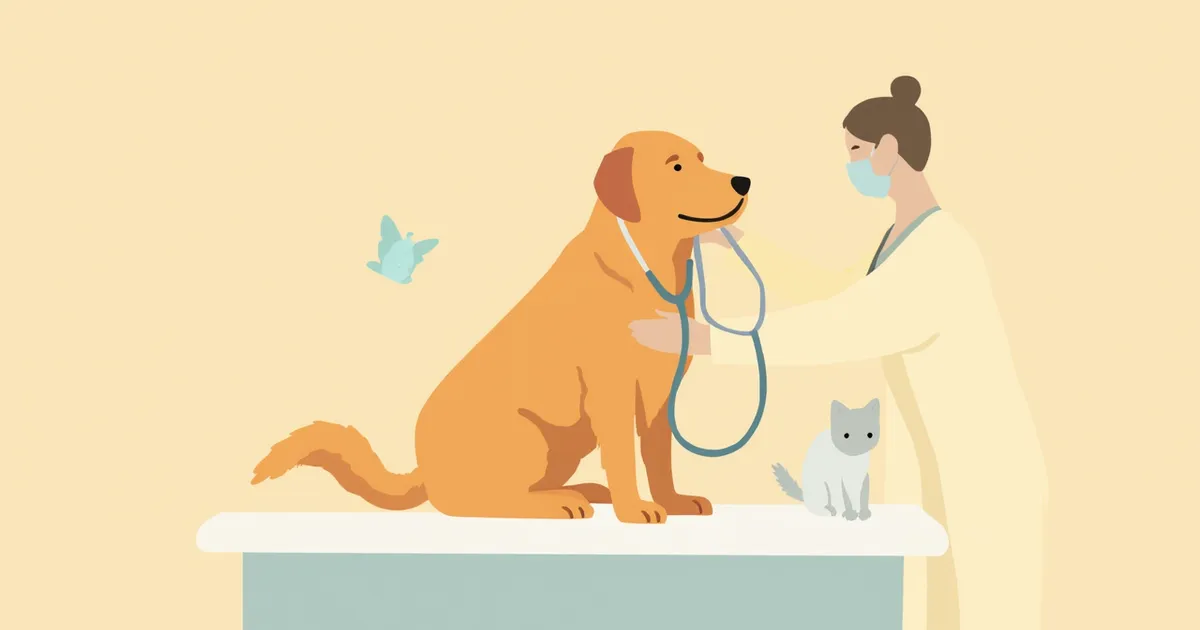
How Often Should Senior Dogs Visit the Vet for Check-ups? — Recommended Visit Intervals by Age
For senior dogs, we recommend a comprehensive check-up every six months starting at age seven. We’ve outlined the recommended screening intervals and essential tests for both healthy seniors and those managing chronic conditions.
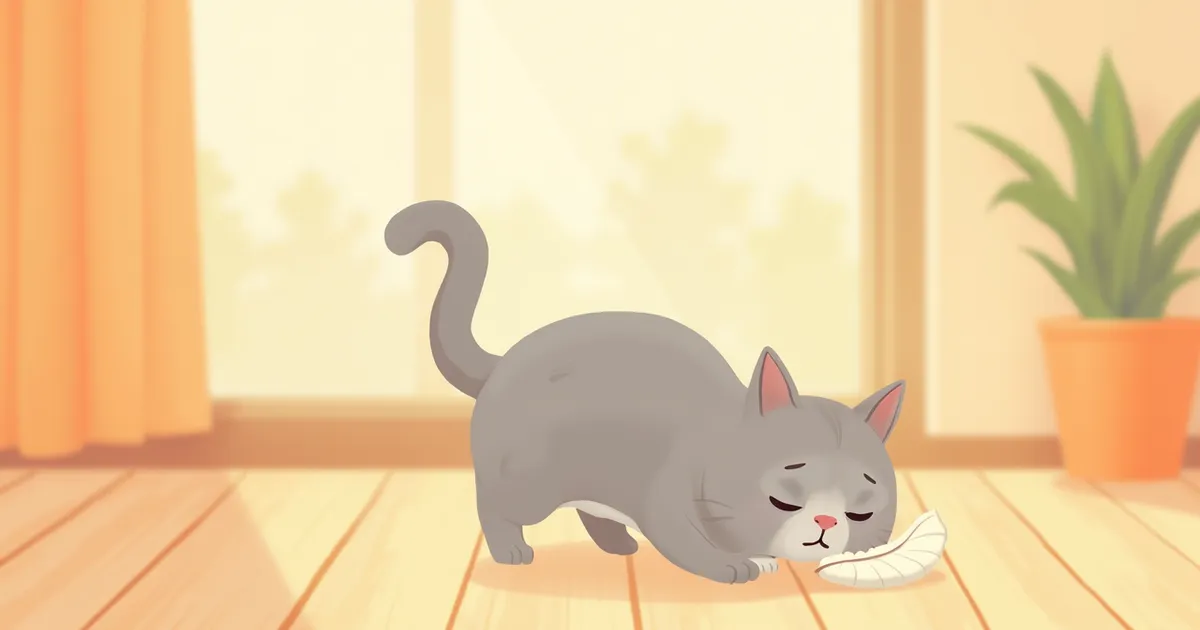
How to Adjust Exercise Intensity for Senior Cats — Guidelines for Indoor Activities to Protect Joints
For senior cats aged seven and older, it's best to keep play sessions short, frequent, and low-intensity to reduce exercise strain. I'll share ways to protect their joints and heart while maintaining muscle mass and a healthy weight.
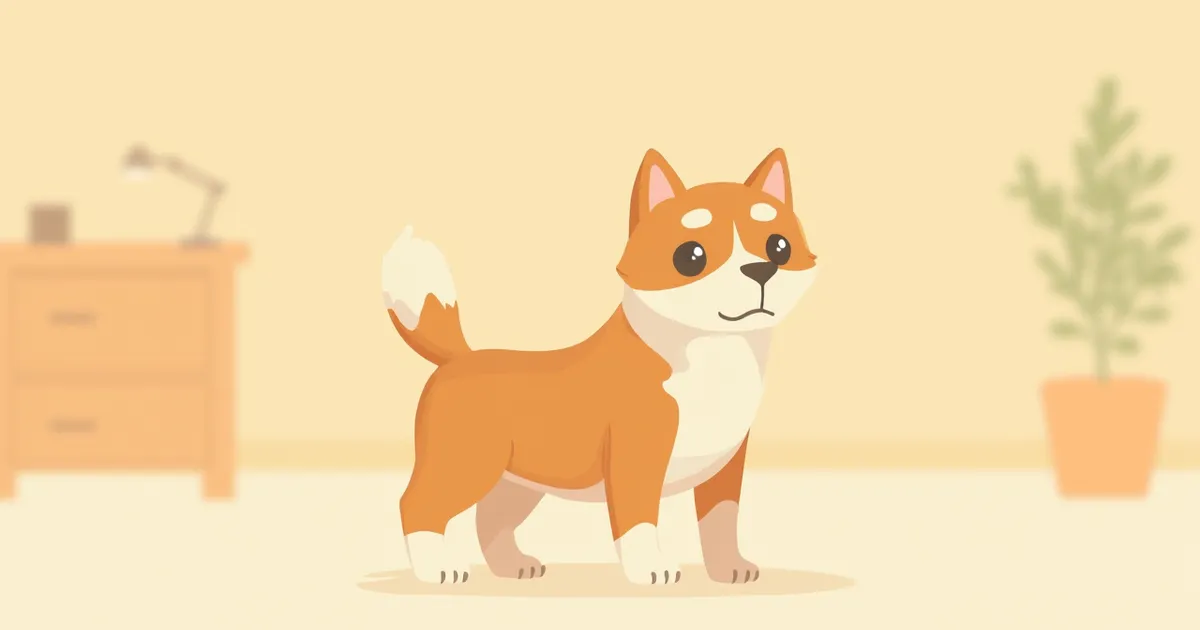
When Your Dog Growls, Is It Fear or Aggression? — How to Tell by the Signals
We’ve outlined how to tell whether your dog’s growling or barking stems from fear or aggression, covering body language, context, and how to respond.
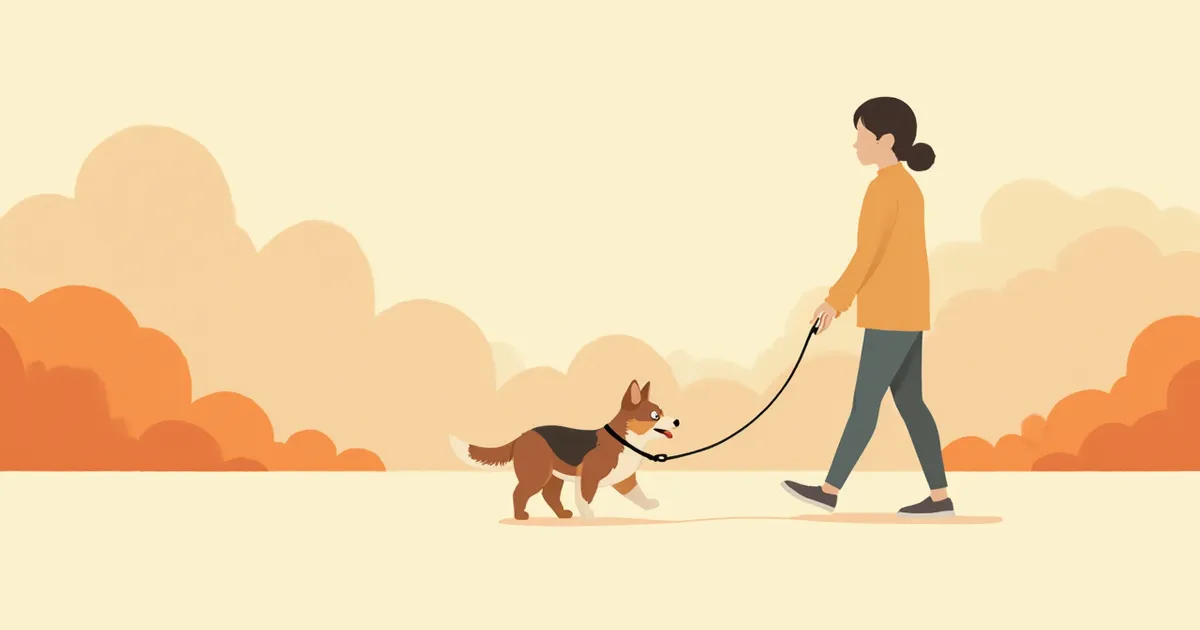
Why Does My Dog Bark and Get Excited? — Causes and Management of Reactive Behavior
I’ll explain why reactive dogs overreact to certain stimuli and share step-by-step management and training methods.
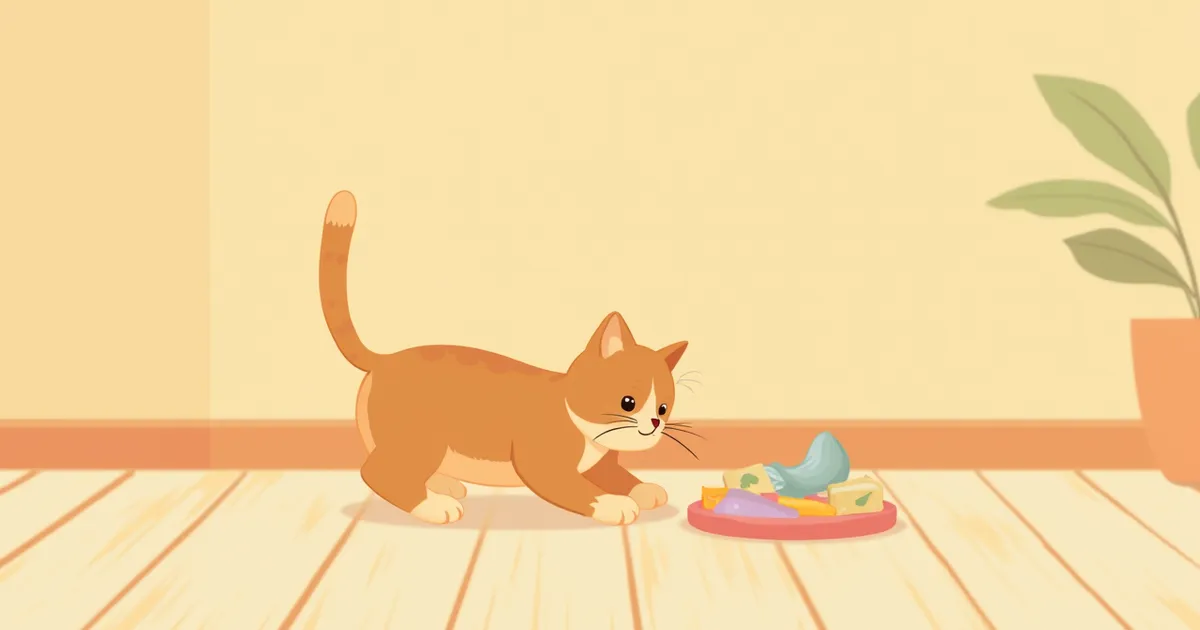
How to Choose Cat Puzzle Toys — Which One Is Right for Stimulating Your Cat’s Brain?
Cat puzzle toys stimulate your cat’s hunting instincts, helping to engage their brain and relieve stress. Here’s how to choose the right one based on difficulty level and design.
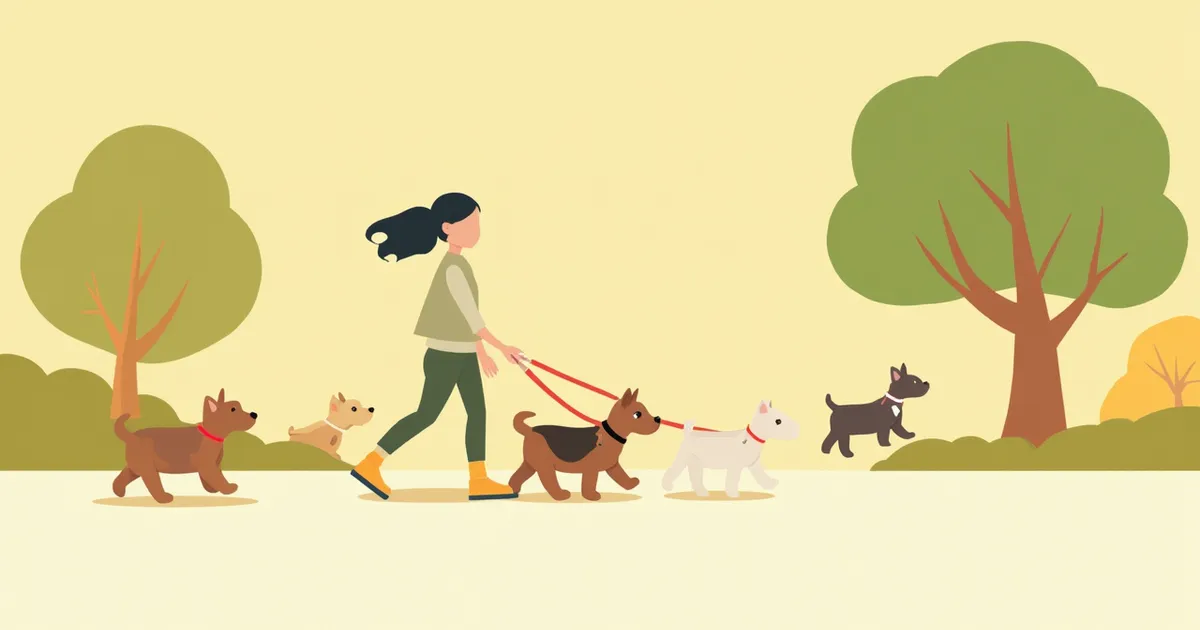
The Complete Guide to Multi-Dog Park Etiquette — From Dog Socialization to Accident Prevention
Here’s a guide to the etiquette and safety rules you should always follow when taking multiple dogs to the park. It’s a practical guide to ensure a comfortable walk for both other pet owners and your furry friends.
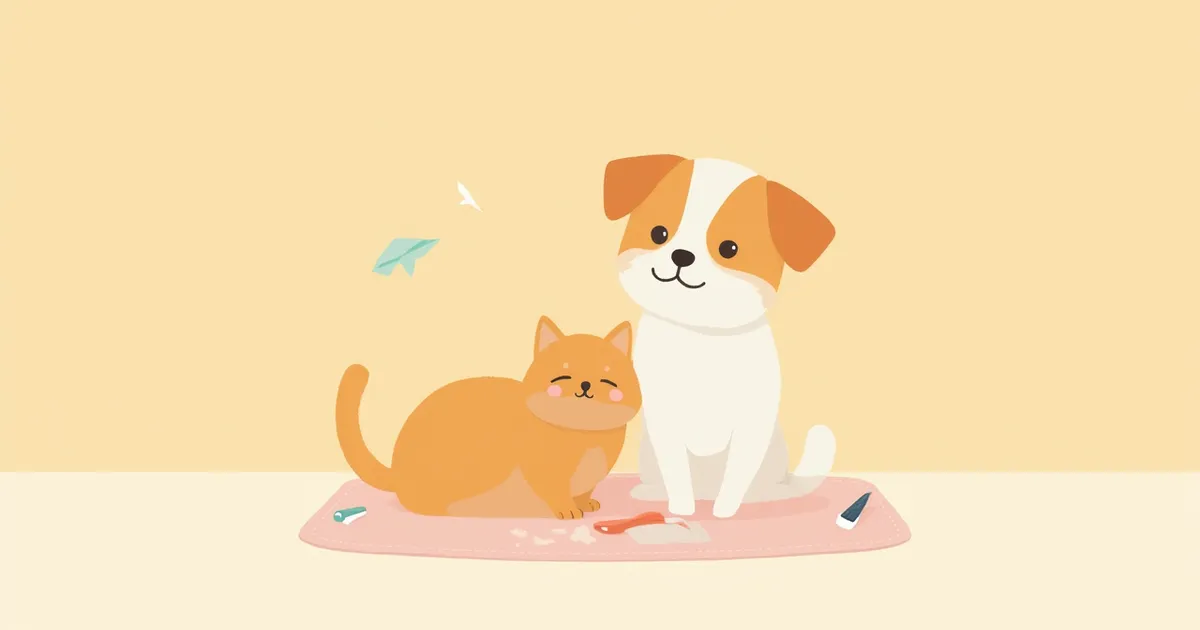
Why Are Dogs and Cats Afraid of Grooming? — A Complete Step-by-Step Adaptation Guide
Grooming desensitization training gradually familiarizes pets with grooming tools and handling, enabling them to undergo grooming and hygiene care without stress. The key is to keep sessions short and positive, starting from an early age and repeating them consistently.
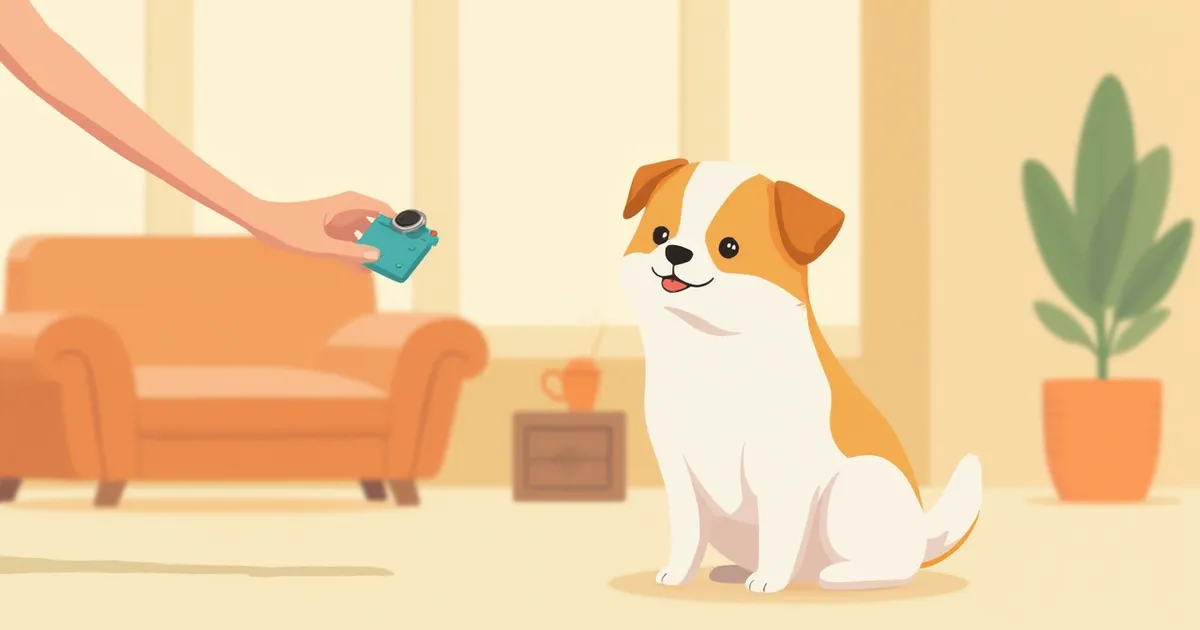
How to Start Dog Clicker Training: 5 Steps from Charging to Behavior Formation
Dog clicker training follows five steps: charging (associating the sound), capturing the behavior, adding a cue, fading the reward, and real-world application. Here’s a quick rundown of the key points and common mistakes for each stage.
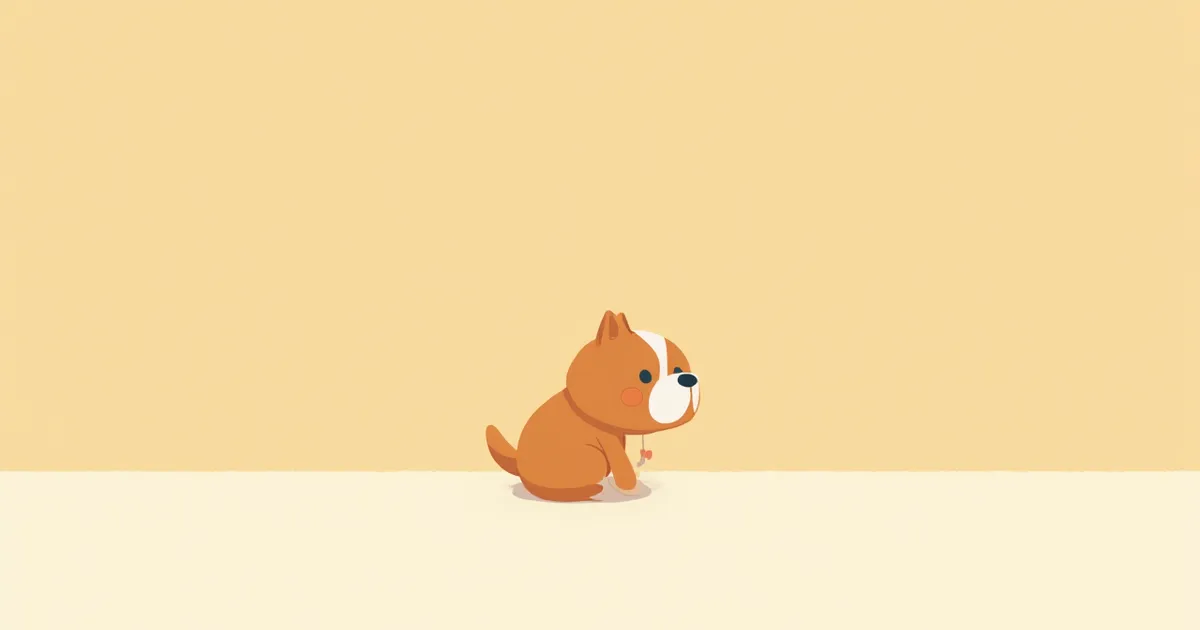
How to Correct Fear of Strangers in Dogs
Fear of strangers in dogs is an anxiety response that can develop from a lack of socialization or negative experiences. It can be gradually corrected through distance management and positive reinforcement training.
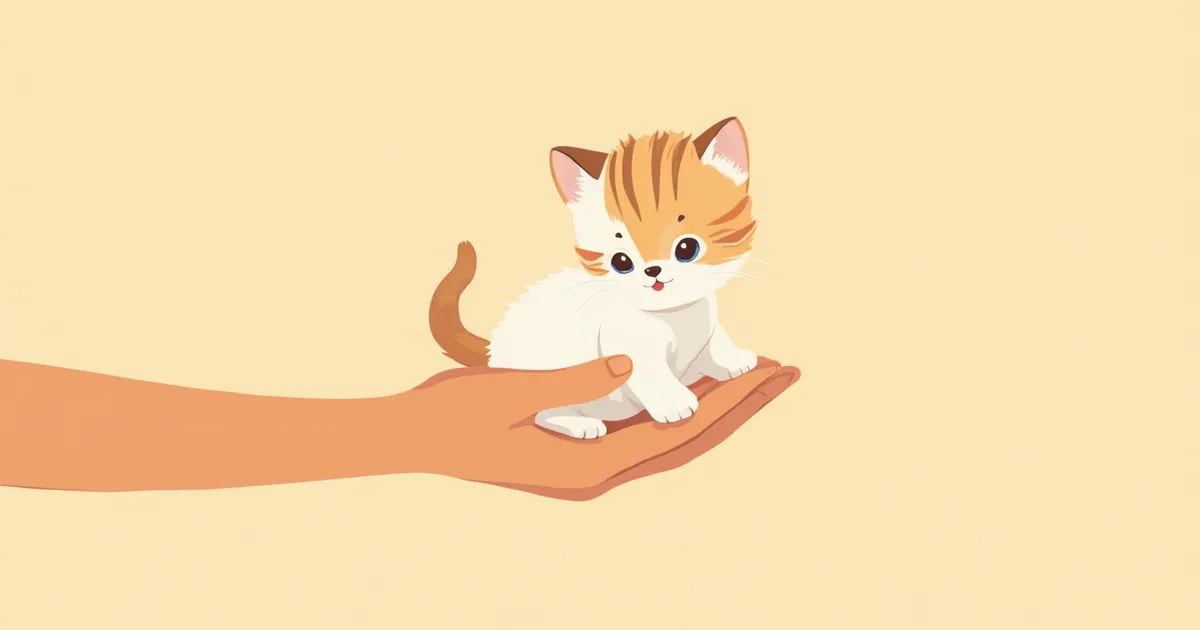
When is the Imprinting Period for Kittens? A Complete Guide to the Critical Socialization Window
The imprinting period for kittens occurs between 2 and 7 weeks of age, which is a critical window for socialization. The people, animals, and environments they encounter during this time will shape their personality for life.
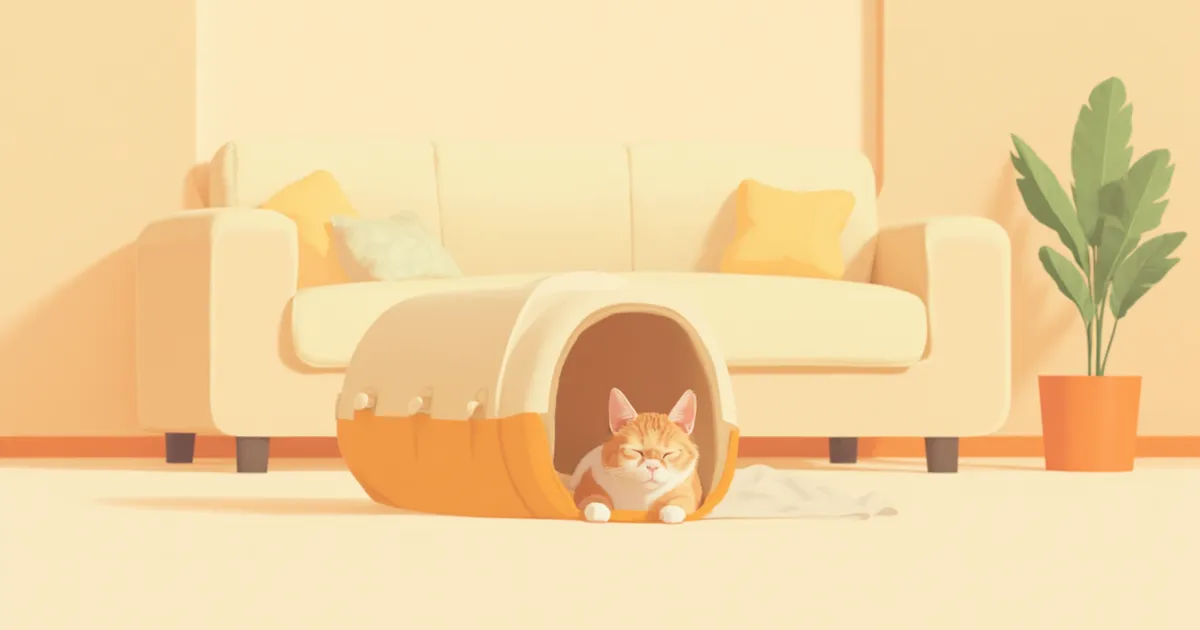
If Your Cat Hates the Carrier — A Step-by-Step Training Method for Stress-Free Adaptation
Training your cat to use a carrier step by step can significantly reduce stress during vet visits and travel. Here’s a five-step method to create positive associations.
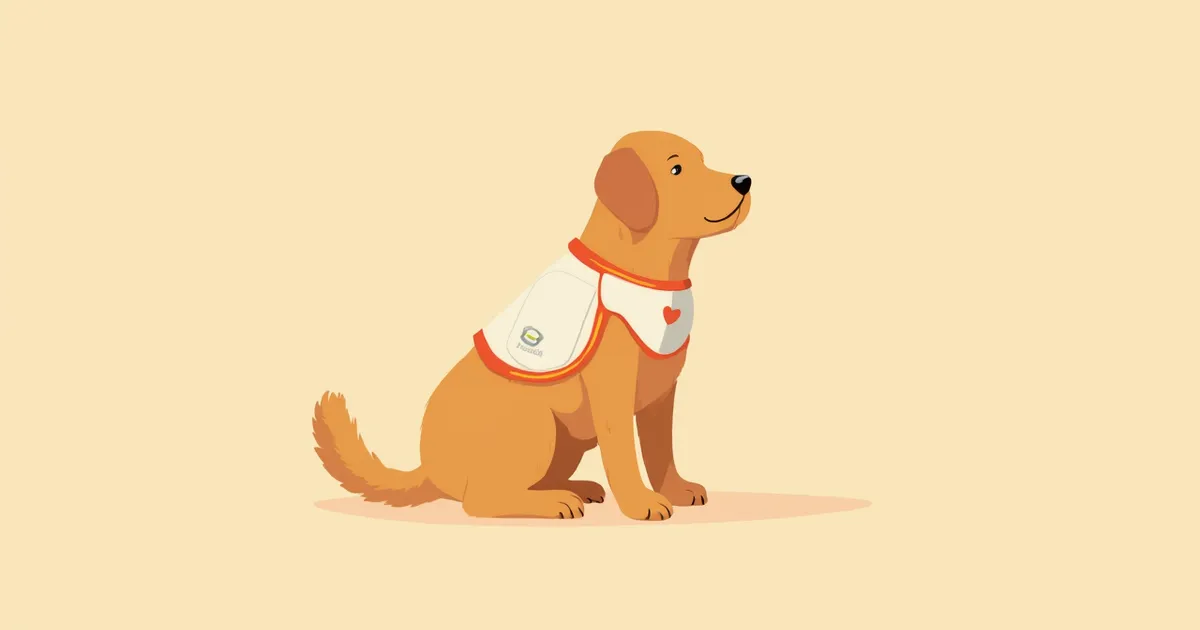
Can My Dog Become an Assistance Dog? — Key Criteria for Qualification Assessment
We’ve put together an easy-to-understand guide for pet owners on the temperament and qualities needed to become an assistance dog, along with the evaluation criteria and training process.
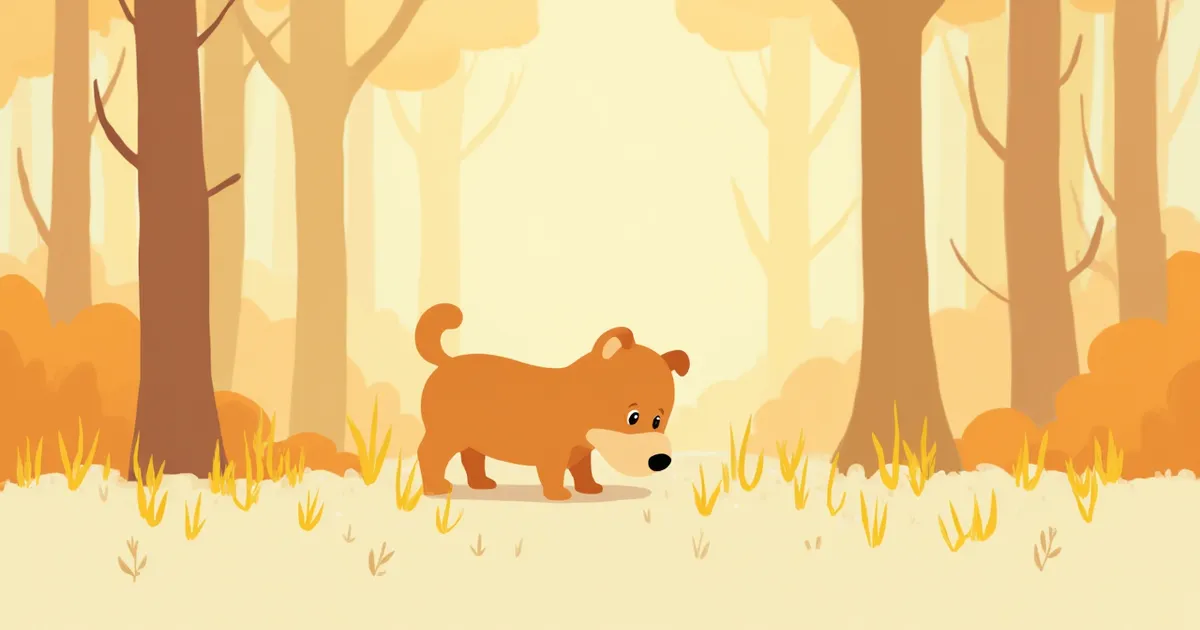
How Do Dogs Follow Paw Prints and Scents? — The Secret of the Scent-Tracking Instinct
I’ll explain the science behind your dog’s tracking instinct—how they follow paw prints and scents left on the ground—and share practical ways to put this natural ability to use in everyday life.
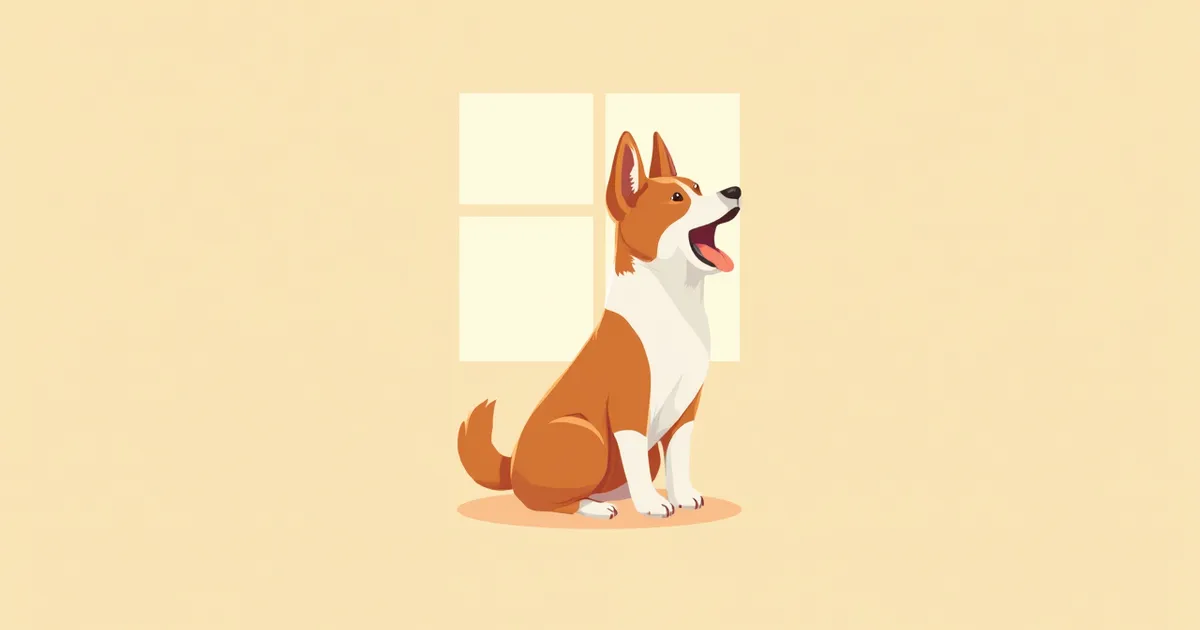
How to Distinguish the 5 Types of Dog Barking
A dog’s bark varies in pitch and duration depending on the situation—whether it’s alerting, demanding, anxious, playing, or in pain. By distinguishing among these five types, you can better understand what your pup is trying to tell you.
How should you adjust your pet’s food during seasonal transitions?
We’ve outlined why your pet’s appetite and digestive function may change during seasonal transitions, along with how to adjust their food portions and types. Abrupt changes can actually lead to gastrointestinal upset.
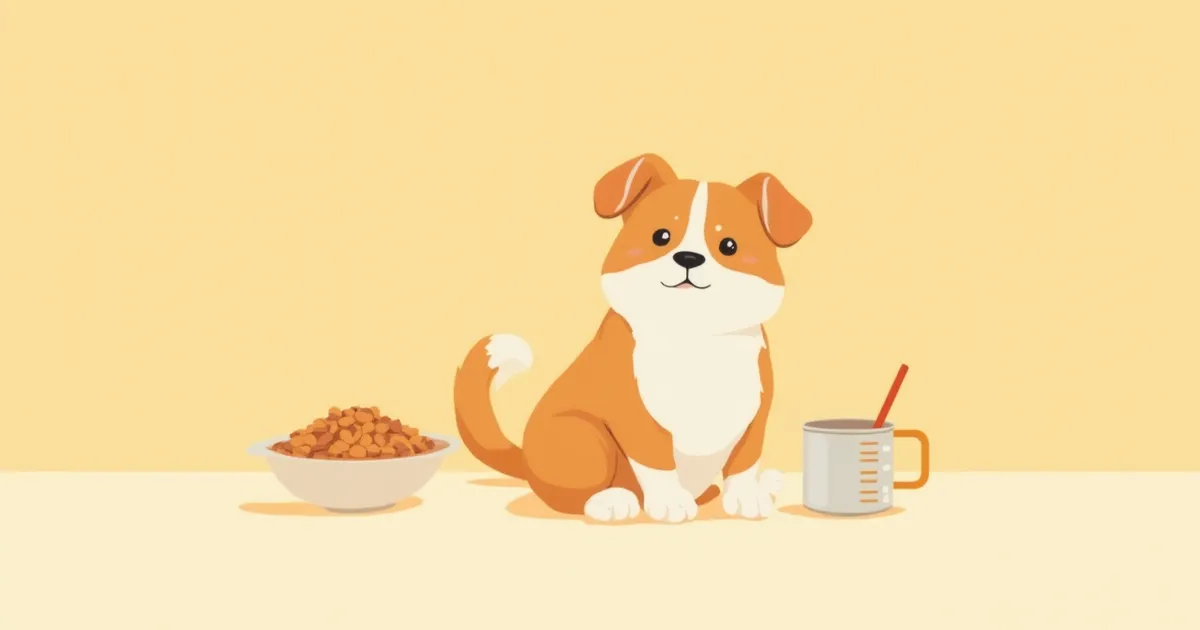
How to Determine the Right Food Amount Based on Your Dog’s Exercise Level — A Calorie Calculation Method to Prevent Overweight
We’ve organized how to match your dog’s exercise and food intake in a 1:1 ratio based on activity levels. This is an essential guideline for maintaining weight and managing diet.
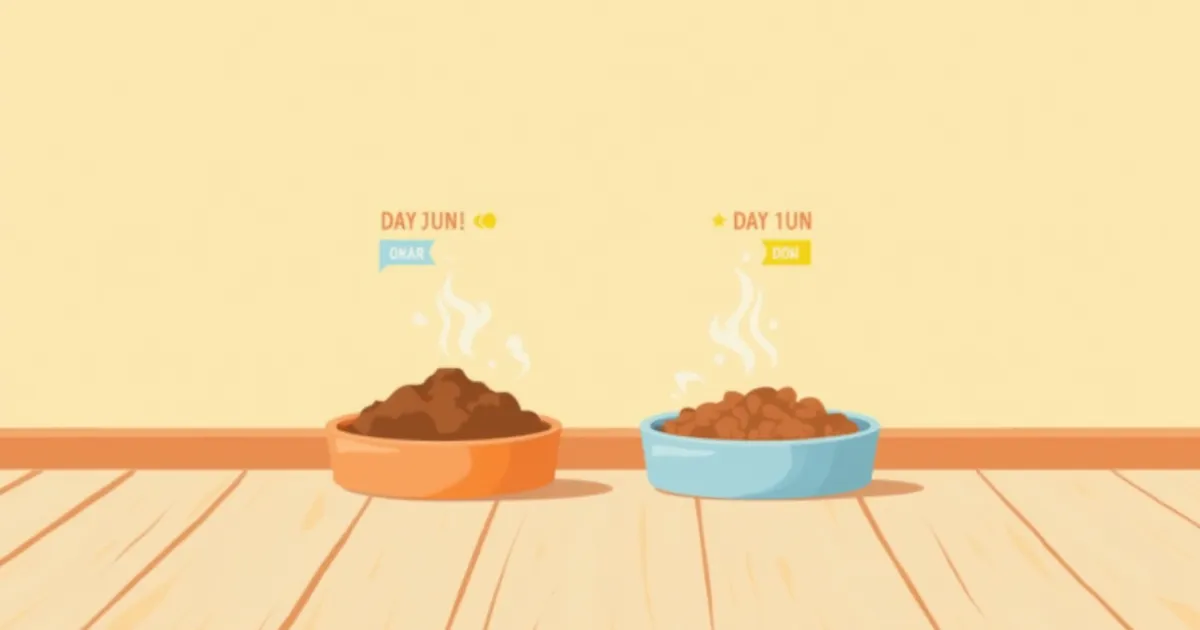
How Many Days for a Food Transition? Step-by-Step Ratios and Schedules for 5, 7, and 10 Days
A food transition schedule gradually mixes the old and new food over 5 to 10 days to help your dog or cat adjust. Choose a timeline based on your pet’s constitution and sensitivity.
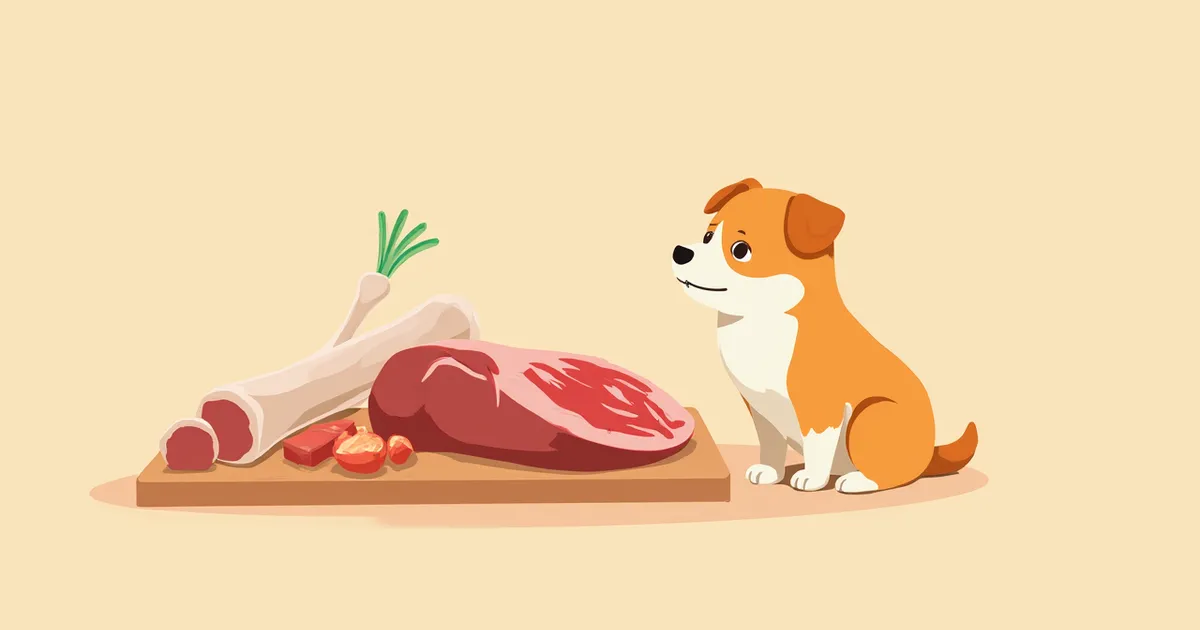
BARF Raw Diet Guide
BARF is a raw diet for dogs that consists of raw meat, bones, organs, and vegetables. While it can offer benefits when nutritional balance and hygiene are properly maintained, there are significant risks of bacterial infection and nutritional imbalances, so be sure to consult your veterinarian before starting this diet.

How to Store Pet Food and Prevent Rancidity: Keep Nutrients Alive
Once opened, pet food can quickly go rancid when exposed to air, moisture, light, and heat. By simply storing it in an airtight container, keeping it in a cool place, and using it up within a month, you can preserve its nutrients and palatability for longer.