
If Your Dog Is Anxious After Moving — How to Reduce Environmental Change Stress
Moving or changing environments can cause stress in dogs. Here’s a summary of key questions and coping strategies that pet owners should know.

Can dogs and children live together safely? — How to prevent dog bites
In households where children and dogs live together, we provide practical ways to prevent dog bites and answer frequently asked questions. We’ve compiled essential guidelines that all pet owners should know, regardless of breed.
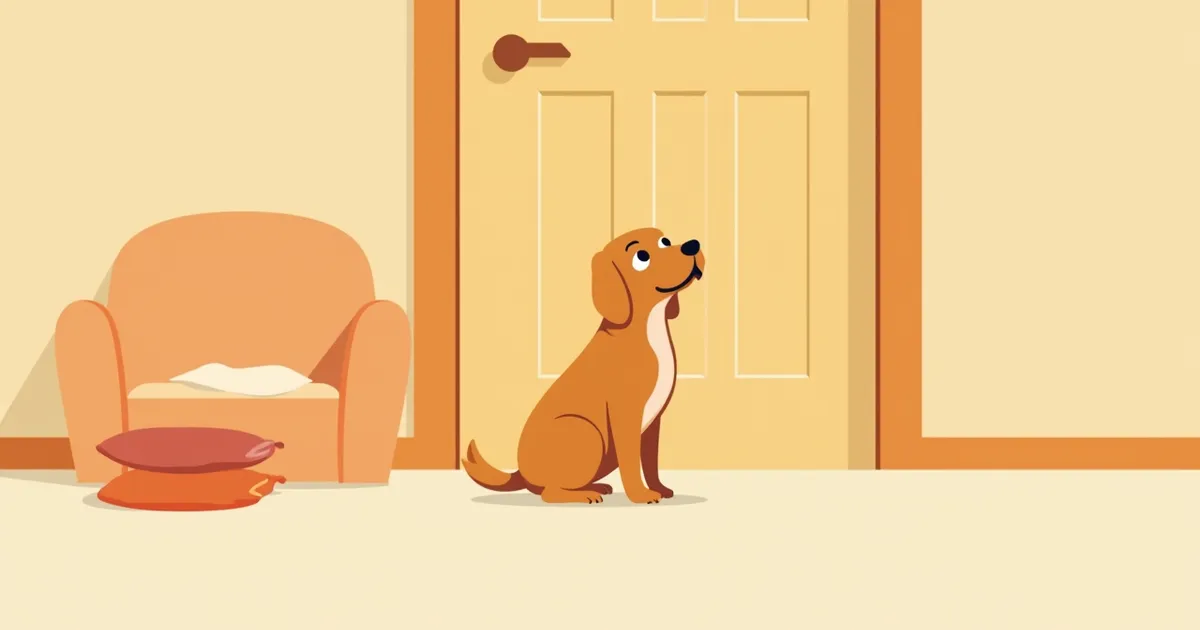
Dogs That Destroy the House When Left Alone — Is Separation-Related Destructive Behavior Normal?
We’ve compiled a Q&A guide on the causes and solutions for destructive behaviors, such as chewing furniture or scratching doors, when dogs are left alone.

What Is Behavioral Enrichment for Dogs? Practical Strategies to Reduce Problem Behaviors
Behavioral enrichment for dogs is a strategy that designs the environment to safely satisfy your dog’s natural instincts to explore and hunt. We’ve compiled five types of enrichment—food, cognitive, sensory, physical, and social—along with frequently asked questions from pet owners, all grounded in veterinary behavioral science.
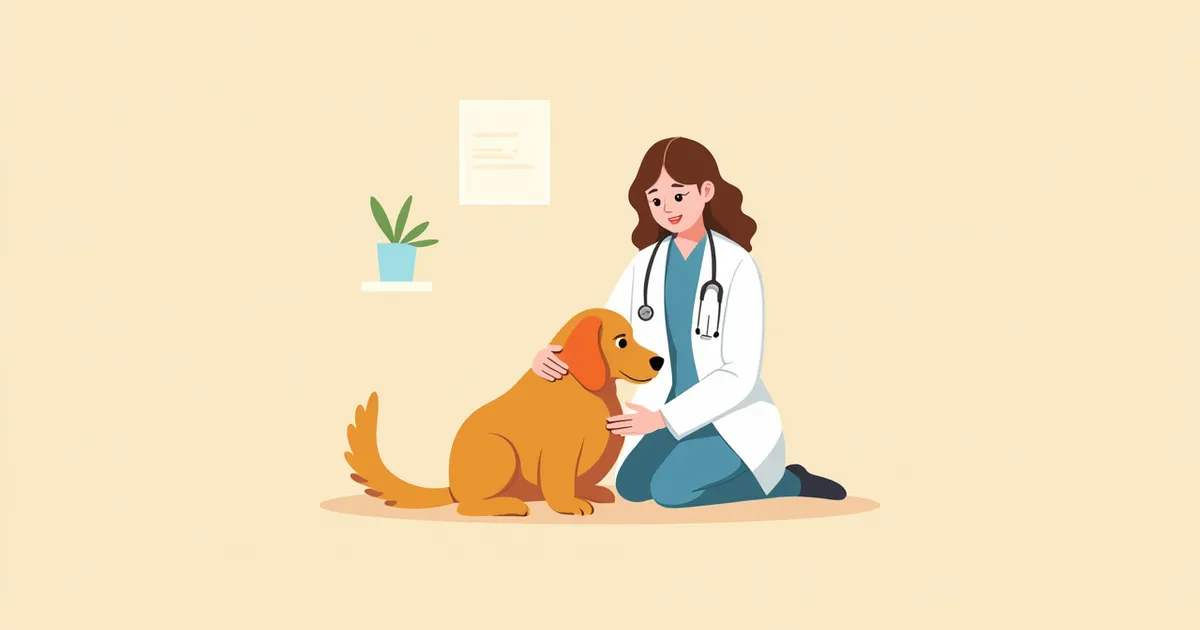
Is medication really necessary for correcting puppy behavior? — How do the effects and side effects differ?
We’ve compiled the most common questions pet owners ask when their veterinarian recommends medication for separation anxiety, aggression, or compulsive behaviors. Here’s everything you need to know about the types of medications, how long they take to work, potential side effects, and how to combine them with training.

Cat Spray Marking FAQ — Key Points Every Owner Should Know
We’ve compiled a Q&A on the causes, patterns, and solutions for cat spray marking, based on veterinary behavior science. It covers how to distinguish it from regular urination accidents, managing multi-cat households, the effects of neutering, and using pheromones.
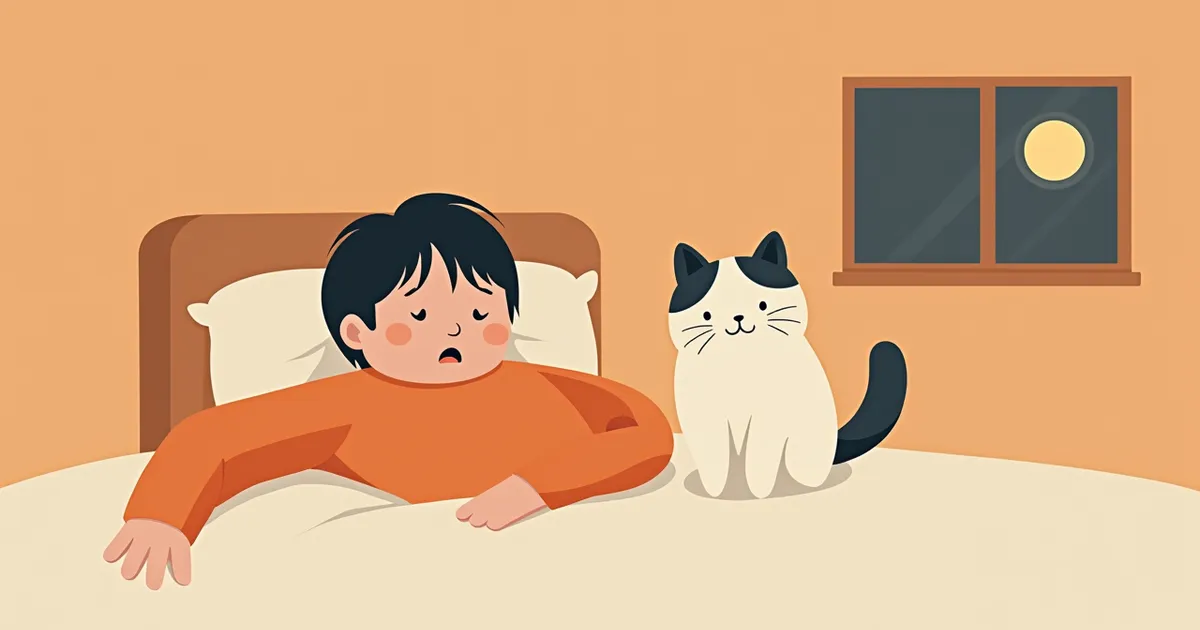
Why Does My Cat Wake Me Up at Dawn? — Causes of Sleep Disruption and the Right Time to Act
We’ve compiled a Q&A on why cats wake their owners at night and how to address the issue based on different behavioral types. Learn about the causes of sleep-disrupting behaviors like early-morning meowing, biting, and dropping objects, along with important precautions for senior cats.

Can Cats Get Separation Anxiety? — How to Help Your Cat Who Cries When Left Alone
Our veterinary advisory team has compiled answers to frequently asked questions from pet owners about feline separation anxiety, including its symptoms, causes, systematic desensitization and counterconditioning behavior modification techniques, and pharmacological treatments.
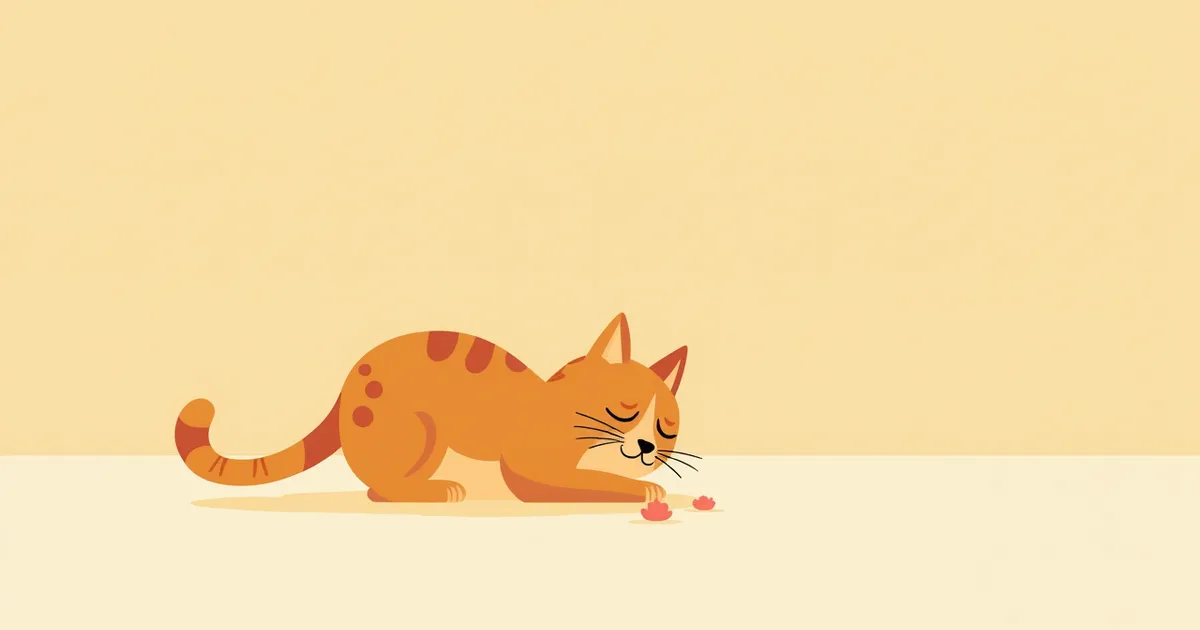
My cat keeps repeating the same behavior — Is this repetitive behavior disorder normal?
We’ve compiled a Q&A guide covering the causes and types of feline repetitive behavior disorders, along with at-home environmental enrichment strategies and veterinary treatment options.

Why Does My Cat Meow Every Dawn? Key Causes and Coping Strategies Q&A
We break down the causes of early-morning meowing in cats by age group, and provide situation-specific coping strategies in a Q&A format, covering everything from kittens to senior cats.
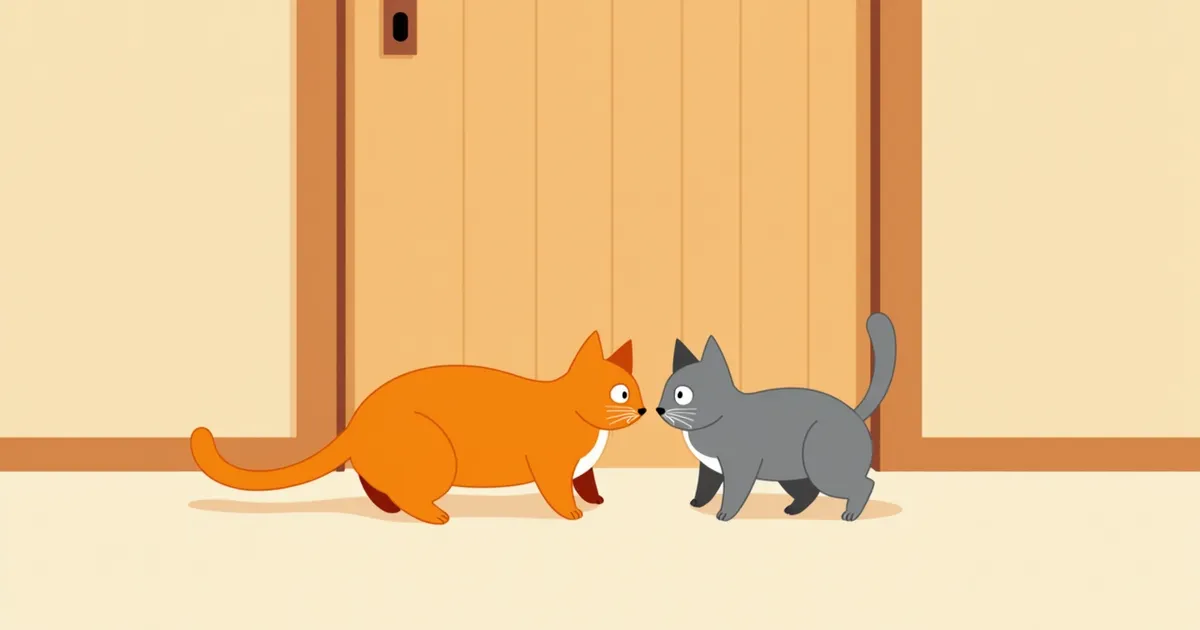
Why Cats Get Stressed When a New Pet Arrives — Key Q&A
We’ve compiled a Q&A guide on the stress responses cats may exhibit when a new animal or family member joins the household, along with step-by-step strategies to help them adjust.

Is Your Cat Avoiding the Litter Box? — Key Q&A on Causes and Solutions
There are three main reasons why cats may avoid using their litter box: environmental issues, medical problems, and stress. We’ve put together a checklist by category and step-by-step solutions to help address the issue.

Do Cats Grieve Too? — Behavioral Changes and Care Q&A After Pet Loss
The grief that follows the loss of a cat is a normal psychological response. We’ve compiled a Q&A covering common emotions owners experience—such as guilt, apathy, and loss of appetite—along with ways to heal and access professional support.
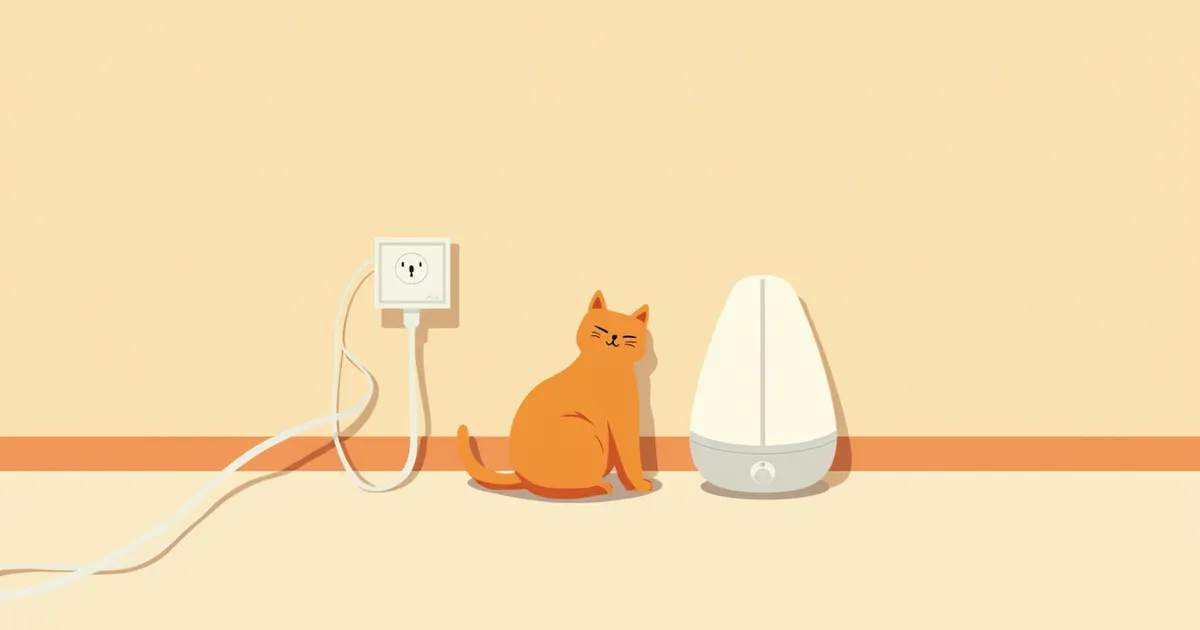
What is feline pheromone therapy? — Does it really work? A guide to its effects and usage
We’ve compiled a Q&A guide on how to use synthetic pheromone products to reduce stress and problem behaviors in cats. Learn how to apply them in specific situations—such as urine marking, multi-cat conflicts, and travel anxiety—along with important precautions.

If Your Cat Licks Until It Loses Fur — Signs of Compulsive Behavior and When to Visit the Vet
We’ve compiled a Q&A covering the causes of repetitive licking or chewing in cats, how to distinguish it from normal grooming, signs that it’s time to visit the vet, and environmental adjustments you can make at home.
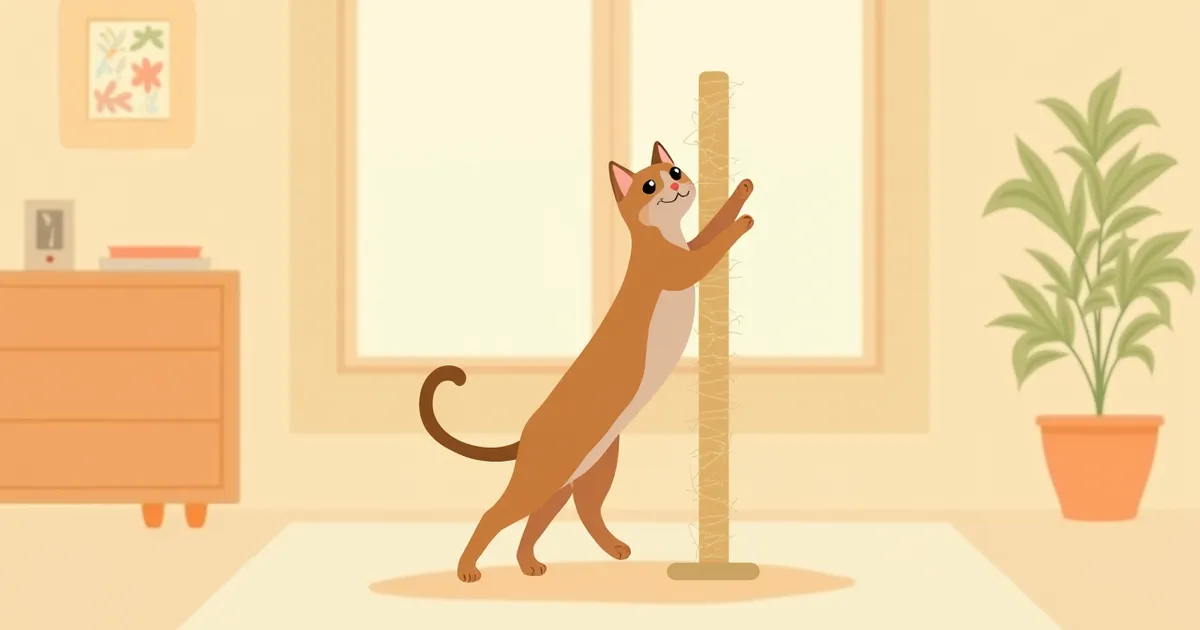
Why Does My Cat Keep Scratching? — Causes of Scratching and When to Intervene
Scratching is an irresistible instinct in cats. We’ve compiled a Q&A covering why they scratch, where to place scratching posts, and practical tips to reduce furniture damage.
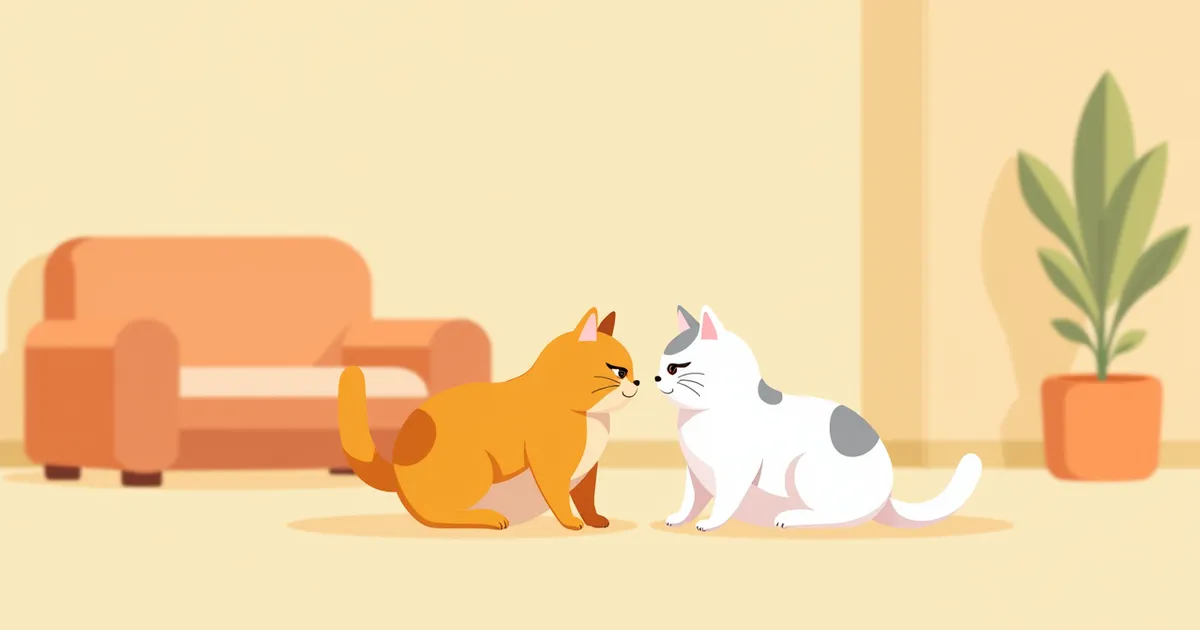
Why Do Cats Fight? — Causes and Management of Same-Species Aggression
Our veterinary behavior consulting team has compiled a Q&A guide on the types, causes, and step-by-step behavior modification strategies for recurrent same-species aggression among cats living in the same household.
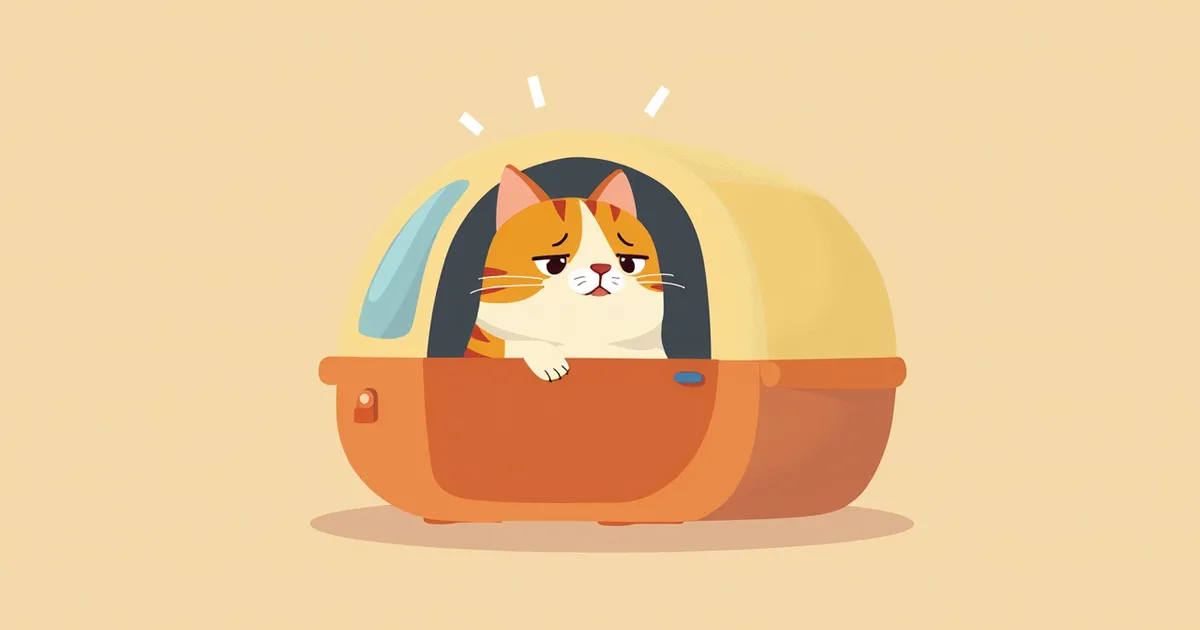
Why Does Your Cat Tremble in the Car? — How to Reduce Car Anxiety and Motion Sickness
We’ve compiled the essentials every pet owner should know—from pre-trip preparations to veterinarian-prescribed medications—into a Q&A format to help you distinguish why your cat is trembling in the car and identify signs of motion sickness.

What is feline behavioral enrichment? — A guide to creating a stress-reducing environment
We’ve organized behavior-enrichment strategies that satisfy the instinctual needs of indoor cats in a Q&A format. From hunting play and environmental setup to food enrichment, plus important tips for multi-cat households, this guide offers practical advice that cat owners can put into practice right away.

Why Has My Cat Changed Since the Baby Arrived? — Behavioral Changes and Adaptation Timing
It’s common for cats to hide, eat less, or groom excessively after giving birth—these are typical stress responses. We’ve compiled the essentials every owner should know, including causes, coping strategies, and warning signs, in a convenient Q&A format.

What is Feline Asthma? — Core Q&A from Symptoms and Attack Signs to Inhaler Treatment
We’ve compiled answers to frequently asked questions from pet owners about feline asthma—covering symptoms, diagnosis, treatment (including steroids and inhalers), and home environment management—all based on veterinary evidence.
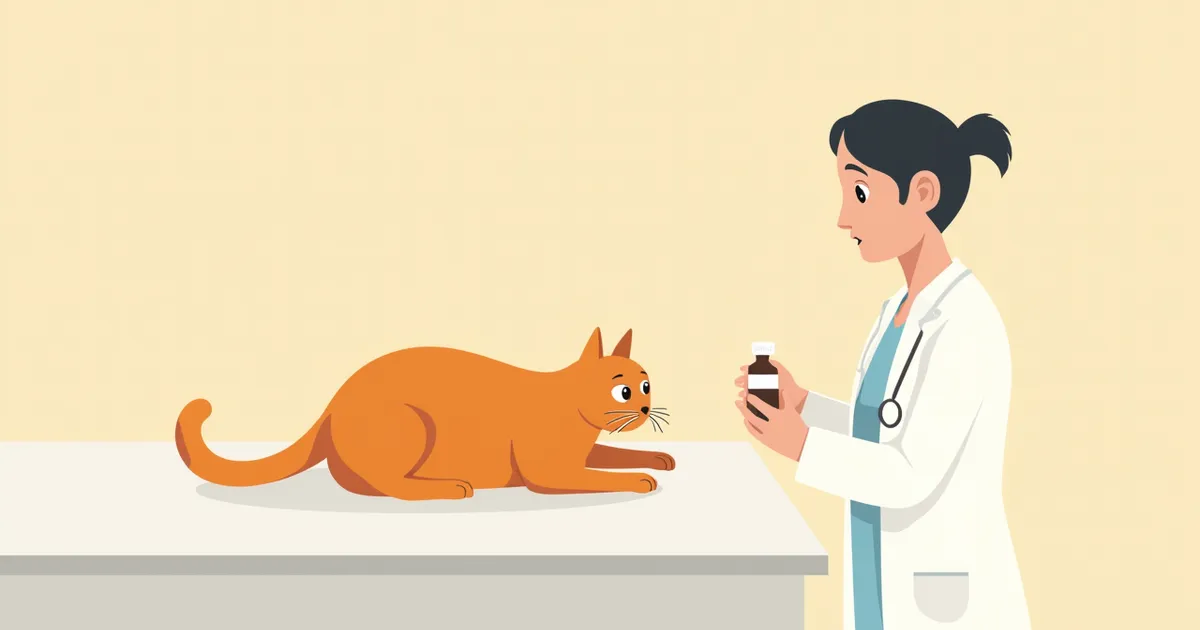
Are Cat Steroids Really Dangerous? — A Complete Guide to Side Effects and Safe Use
We’ve compiled a veterinary evidence-based guide on the short- and long-term side effects of steroids (such as prednisolone) in cats, warning signs owners should watch for, and how to use them safely.

Are Dog Steroids Really Dangerous? — A Guide to Side Effects and Safe Use
Steroids can be effective for treating allergies and dermatitis in dogs, but long-term use may lead to side effects such as increased urination, increased appetite, and a weakened immune system. Knowing the principle of using the minimum effective dose and proper monitoring methods can help ensure safer use.
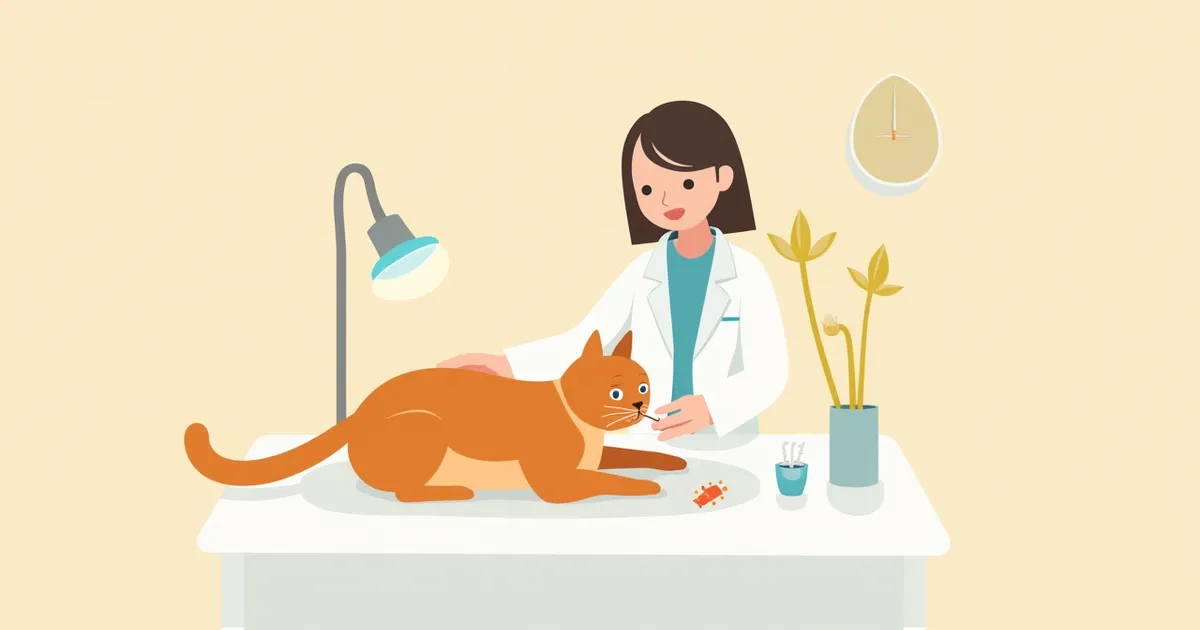
When is a cat blood transfusion absolutely necessary? — From anemia and blood type testing to the golden hour
We’ve compiled the essentials every cat owner should know about feline blood transfusions, including when they’re necessary, hematocrit reference values, blood type cross-matching precautions, and post-transfusion care at home.