
Scheduled Meals vs. Free-Feeding: Tailored Feeding Methods Based on Obesity and Digestion
We’ve outlined the differences between scheduled and free-feeding, their pros and cons, recommended feeding methods for different pets, and the correct way to transition between them, all based on veterinary standards.
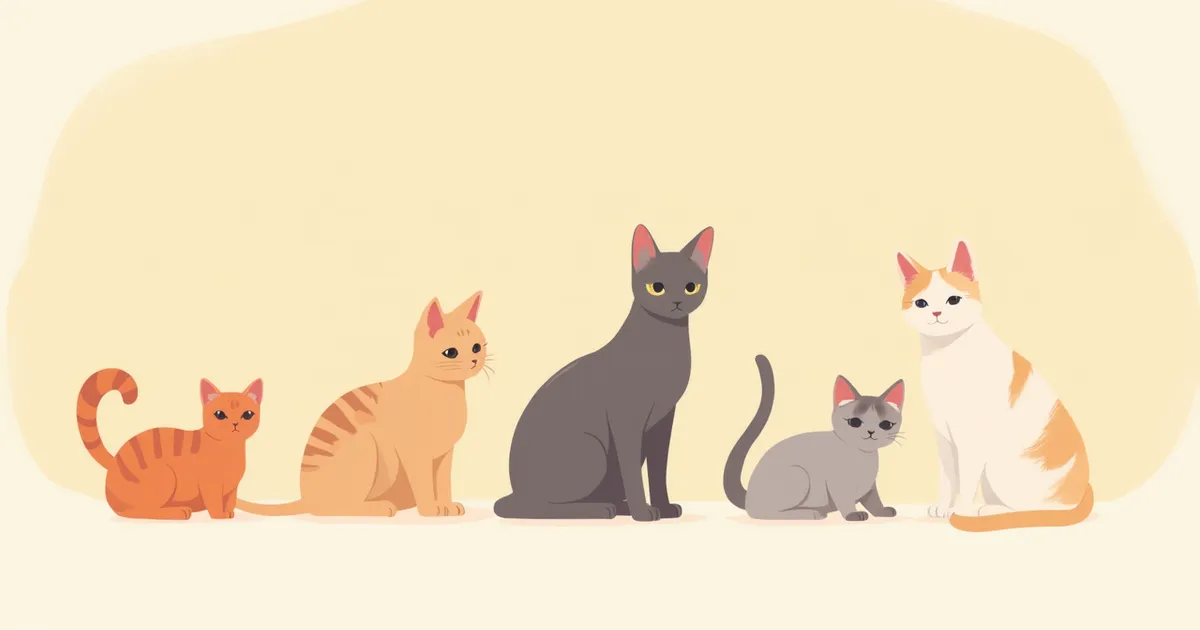
Cat Fur Types: How to Identify and Care for Them?
Cat fur is categorized into short, medium, long, and hairless types based on its length and structure, with each type requiring different care methods and carrying varying disease risks. Identify your cat’s fur type and check the key care points.
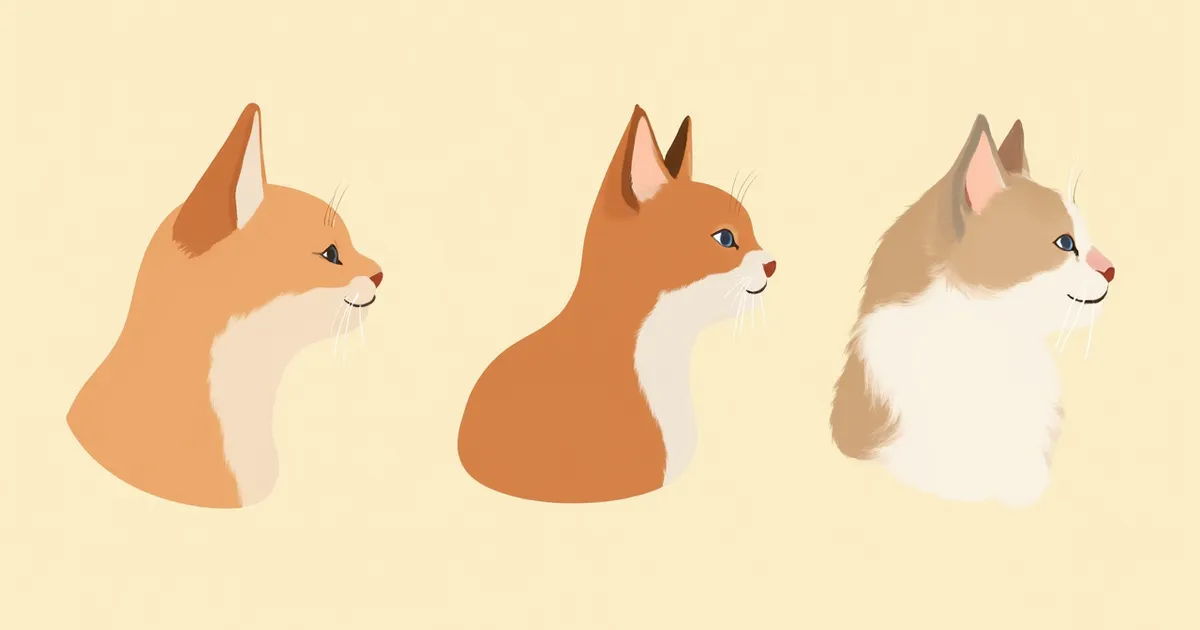
Cat Head Shapes — The Complete Guide to Classification
Cat head shapes fall into three categories: dolichocephalic (long-headed), mesocephalic (medium-headed), and brachycephalic (short-headed). Here’s a clear overview of the health risks and care tips for each type.

What Is a Dog Food Allergy Panel? — A Complete Guide to Cost, Accuracy, and Necessity
The food allergy panel is a blood test that screens for suspected food allergens. I’ll explain its limitations in accuracy and how to use it properly.
Is My Dog Anemic? — Checking Iron Levels with Ferritin and Transferrin
Ferritin and transferrin are key blood test markers used to diagnose anemia and assess iron status in pets. Interpreting these two values together is essential for pinpointing the exact cause.

What is the Pancreatitis SNAP Test? How to Interpret Results and Accuracy
We’ve put together a clear overview of the canine pancreatitis SNAP test, covering how it works, how to interpret the results, its accuracy, and whether additional testing is needed.

The Complete Guide to Bilirubin Tests and Jaundice Stages
A bilirubin test is a key blood test for early detection of liver, biliary, and red blood cell issues. We’ve summarized the jaundice stages by bilirubin levels and the criteria for immediate veterinary care all in one place.

Lymph Node Excision Surgery: When Is It Necessary and How Is It Performed?
We’ve put together a clear, easy-to-understand guide for pet owners on when lymph node removal surgery is necessary, what the procedure involves, anesthesia preparation, and key points for post-operative recovery and care.
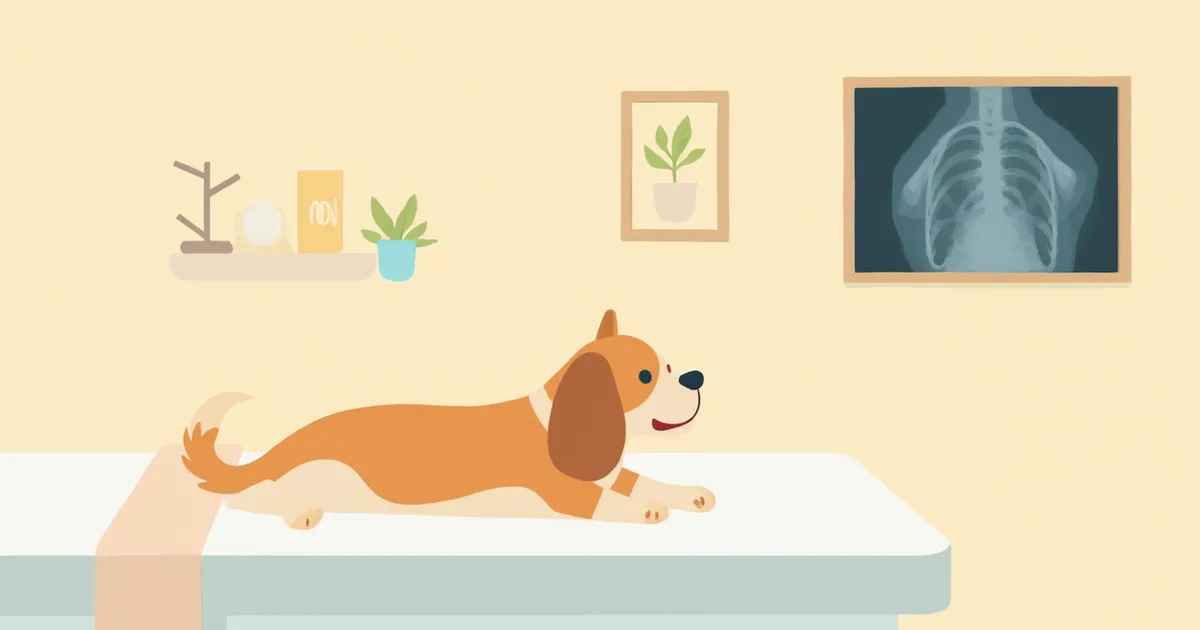
What is ORIF for Dog Fractures? — From Surgery to Recovery
Open reduction and internal fixation (ORIF) is an orthopedic surgery that directly aligns broken bones and stabilizes them with metal implants. We’ve summarized the procedure, including which pets are candidates, what the surgery involves, and the recovery process, in easy-to-understand terms for pet owners.

What Is Canine Disc Surgery? — From Hemilaminectomy Procedure to Recovery
We’ve put together an easy-to-understand guide for pet owners on the timing, procedure, recovery, and prognosis of hemilaminectomy—the most commonly performed surgery for canine intervertebral disc disease.
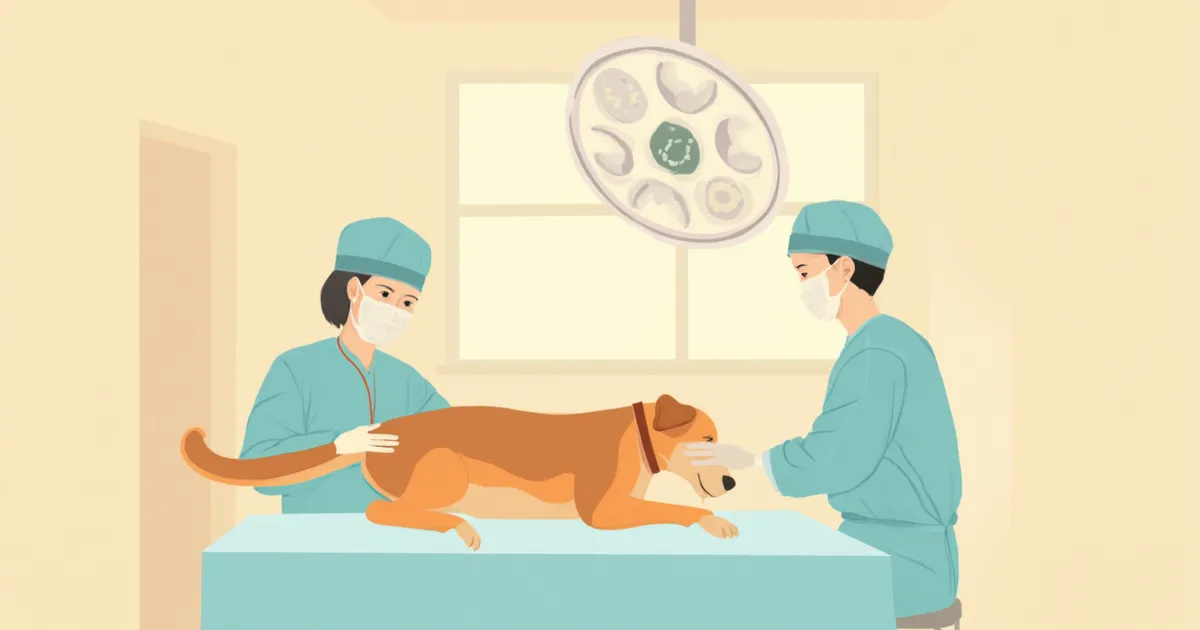
Gastric Dilatation-Volvulus (GDV) Surgical Process
Here’s a step-by-step explanation of the entire surgical process for gastric dilatation-volvulus (GDV). From emergency diagnosis to gastropexy and recovery, we’ve included all the essential information pet owners need to know.
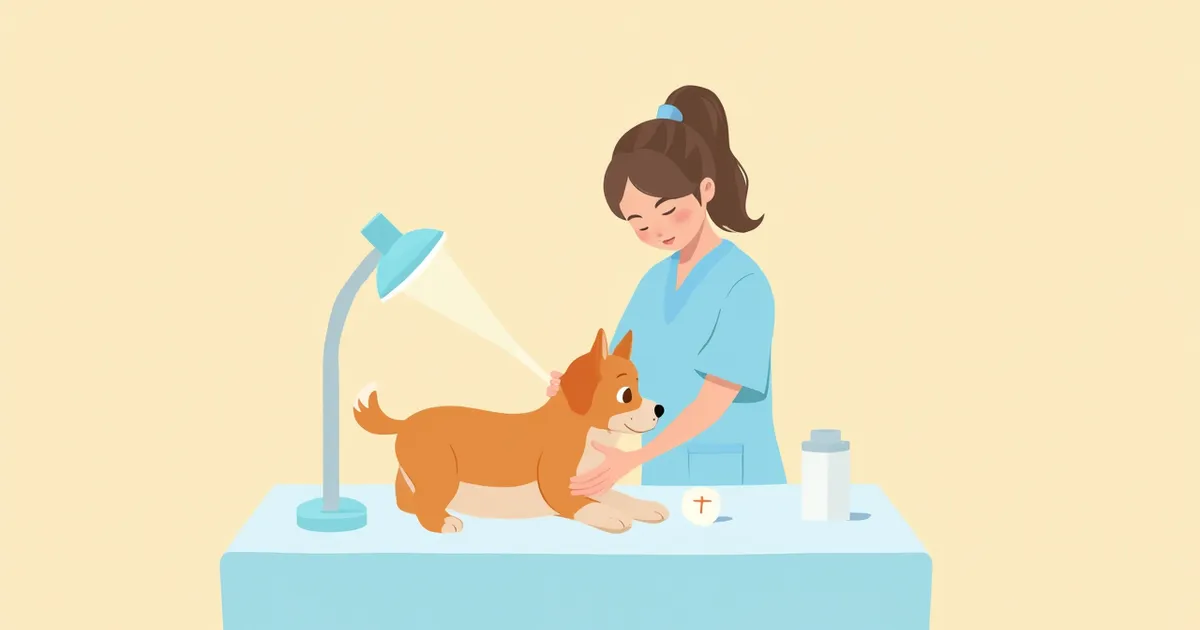
Tumor Resection: What Are the Methods? — Why Margins Determine Recurrence
Tumor removal surgery for dogs and cats is categorized into four types based on the size of the surgical margins. Choosing the appropriate margin width for the specific tumor characteristics is key to preventing recurrence.
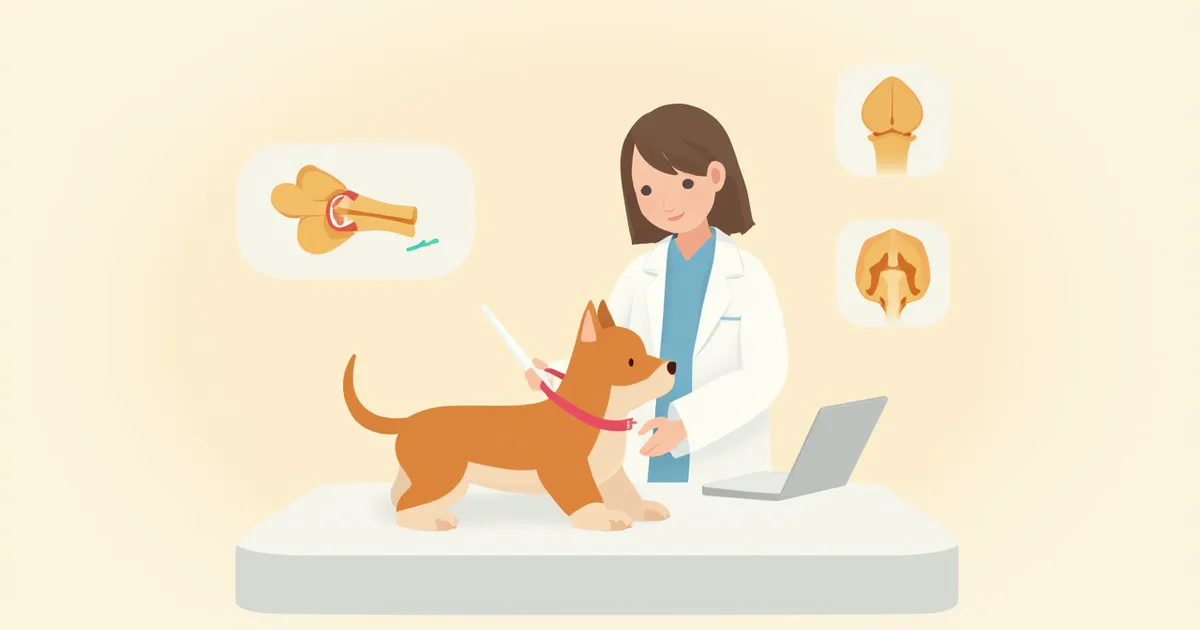
Dog Patellar Surgery: What Are the Options? — Differences Between TTT and Trochleoplasty
Surgical treatment for patellar luxation in dogs typically combines several techniques, primarily trochleoplasty and tibial tuberosity transposition (TTT). The most appropriate surgical approach depends on the grade of luxation and the extent of bone deformity.

What Is a Feline Food Allergy Trial? — From Elimination Diet Procedure to Interpretation
A feline food allergy trial is a diagnostic procedure conducted over eight weeks using a single-protein, limited-ingredient diet. Here’s a concise summary of the key points, from proper trial design to interpreting rechallenge results.
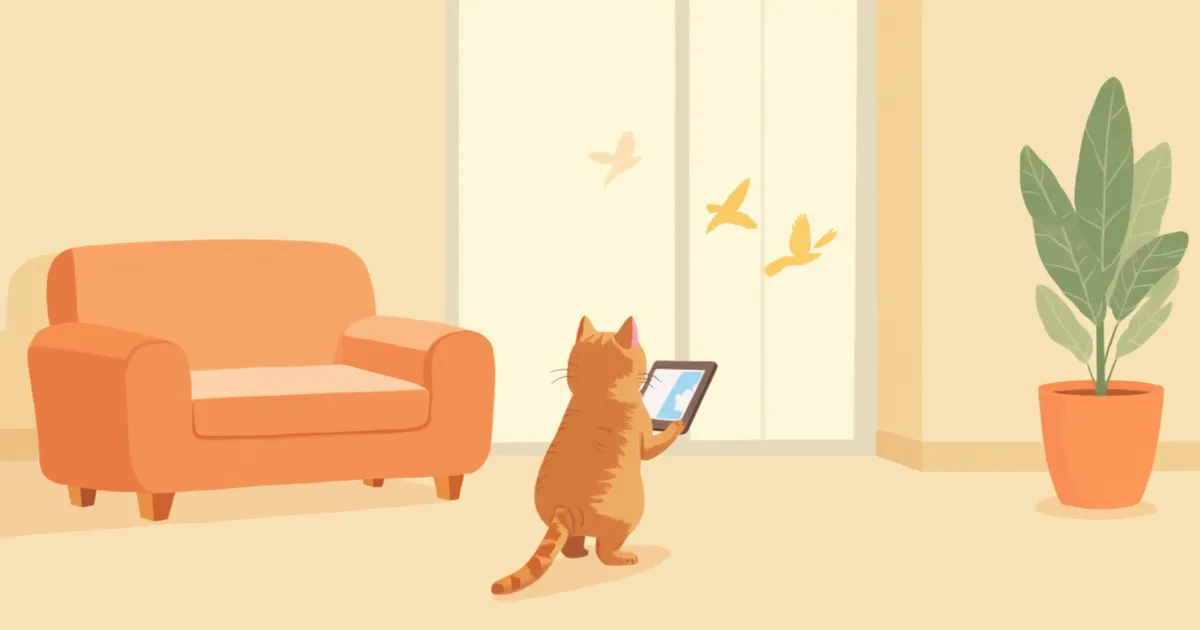
Will Bird and Fish Videos Work for Cats? Environmental Enrichment or Stress?
Cat TV is an environmental enrichment tool that stimulates the hunting instincts of indoor cats through videos of birds and fish. We’ve outlined how to use it safely.

How to Use a Cat Puzzle Feeder: Nosework Benefits and How to Start
We’ve put together everything pet owners need to know about cat puzzle feeders, from their definition and step-by-step usage instructions to their benefits and precautions.

How should you design a cat window perch?
A cat window perch is a key space that satisfies your cat's need for sunlight, observation, and immune support. We've summarized everything you need to know about safe design, materials, and height all in one place.

Cat Tower Selection Criteria — The Perfect Guide to Protecting Your Cat’s Health
Cat trees are essential furniture for vertical exercise and stress relief in cats. Here’s how to choose the right one based on height, stability, and materials.

Why Cats Stare Fixedly at One Spot
We’ve outlined what it means when a cat stares fixedly at one spot, and how to tell whether it’s just curiosity or a sign of illness.

My Cat Licks Plastic — Is Pica Normal?
Learn the causes and warning signs of pica in cats—such as licking or chewing plastic bags and other plastics—and discover practical steps you can take at home to help manage this behavior.

Why Does Your Cat Zoom at 3 AM? — How to Calm Them Down
Early morning zoomies in cats is a natural behavior resulting from their nocturnal instincts combined with a need to burn off energy. In most cases, this can be improved by adjusting the timing of evening play sessions and meals.

What Changes in Middle-Aged Cats (7–10 Years)? — Essential Health Care
Middle-aged cats, aged 7 to 10, may appear healthy on the outside, but subtle changes are already beginning in their metabolism, immune system, and joints. Here’s a summary of the key health signs to watch for and the care practices to prioritize during this stage.

When is the kitten socialization period? — Key points to cover between 2 and 7 weeks
The socialization period for kittens is a short but crucial time, concentrated between 2 and 7 weeks of age. During this period, exposure to various stimuli helps establish a stable temperament for life.

When to Start Weaning Kittens? — Step-by-Step Dietary Transition Guide by Week (2–7 Weeks)
We’ve outlined step-by-step dietary transition methods and precautions for kittens during the weaning period from 2 to 7 weeks of age. Learn how to prepare weaning food and address common issues all in one place.