
Can I Give Omega-3 to a Dog with Poor Kidney Function? — Supplement Effects and Precautions
Kidney support supplements for dogs help manage chronic kidney disease. Omega-3 fatty acids are effective in reducing inflammation and protecting the kidneys.

When to Feed Prescription Renal Diets for Dogs — Protein and Phosphorus Restriction and Feeding Timing
Prescription renal diets for dogs are an essential nutritional support strategy for managing chronic kidney disease. Choosing and managing the right food can significantly improve your dog’s quality of life.
Our Puppy with Kidney Failure — When Peritoneal Dialysis Is Needed and Key Care Points
Peritoneal dialysis for dogs is a life-sustaining treatment used when kidney function is severely impaired. Accurate diagnosis and meticulous care are essential.

Nephrotoxic Drugs and Substances Dangerous to Your Dog — Symptoms of Toxicity and Key Response Points
Nephrotoxic drugs and substances can damage your dog’s kidney function, making early detection and appropriate intervention essential. Here’s a summary of the main causes and symptoms to watch for, as well as diagnostic and treatment approaches.

Lethargy and Vomiting in Dogs — Signs of Leptospiral Kidney Involvement and When to Visit the Vet
Leptospiral kidney involvement in dogs is a condition where infection with Leptospira bacteria leads to kidney damage, with increased water intake and frequent urination being the main symptoms. Early diagnosis and appropriate treatment are essential.
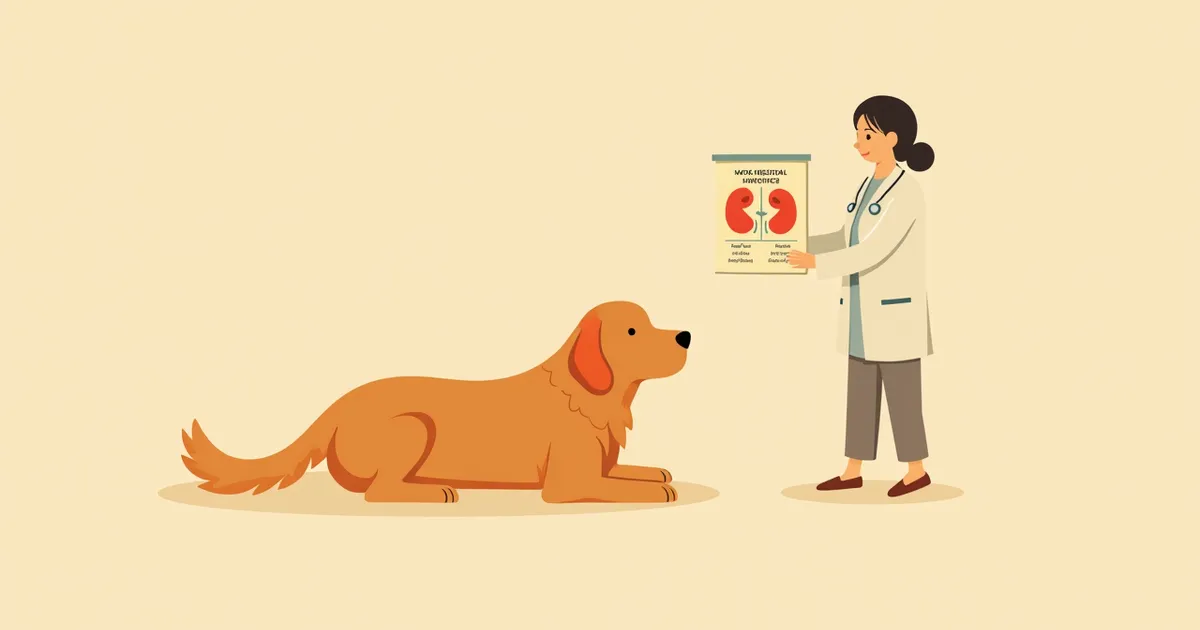
Complete Guide to Canine Chronic Kidney Disease IRIS Stages 1–4: Symptoms and Treatment Strategies by Stage
The IRIS staging system for dogs is a standard for evaluating the progression of chronic kidney disease, making early detection and tailored management crucial. Here’s a summary of the characteristics and management strategies for each stage.
If Your Dog’s Kidneys Are Failing, Blood Pressure Is Also at Risk — Hypertension Symptoms and Diagnosis/Treatment Key Points
Canine hypertension and kidney disease are chronic conditions that progress over time, making early detection the key to successful treatment. Regular check-ups and monitoring for symptoms are essential.

Why Is Phosphorus a Problem in Our Dog's Kidney Disease? — A Complete Guide to Hyperphosphatemia and Phosphate Binders
Hyperphosphatemia in dogs is a condition in which excess phosphate accumulates in the body due to impaired kidney function, and phosphate binders are a cornerstone of treatment. Early diagnosis and management are essential.

My Dog Ate Grapes — Signs of Nephrotoxicity Leading to Kidney Failure Requiring Immediate Veterinary Care
Grape and raisin toxicity in dogs is a serious condition that can cause acute kidney damage even after ingestion of small amounts. Early detection and immediate veterinary care are crucial for survival.

Early Screening for Kidney Function in Dogs Using SDMA — The Golden Window for Detecting Kidney Disease Before Symptoms Appear
Early screening for kidney function in dogs using SDMA helps detect chronic kidney disease before symptoms appear, allowing for early intervention that significantly improves treatment outcomes.

My Dog Won’t Drink Water — Dehydration and Acute Kidney Injury, When to Go to the Vet
Dehydration and kidney damage in dogs are dangerous conditions caused by insufficient fluid intake or exposure to toxic substances. Early detection and proper management are key to saving your pet’s life.

Late-Stage Chronic Kidney Disease in Dogs: A Care Guide for Pain Relief and Quality of Life
Chronic kidney disease (CKD) in dogs can significantly impact quality of life due to the gradual decline in kidney function. With proper diagnosis and supportive care, symptoms can be managed and quality of life improved.
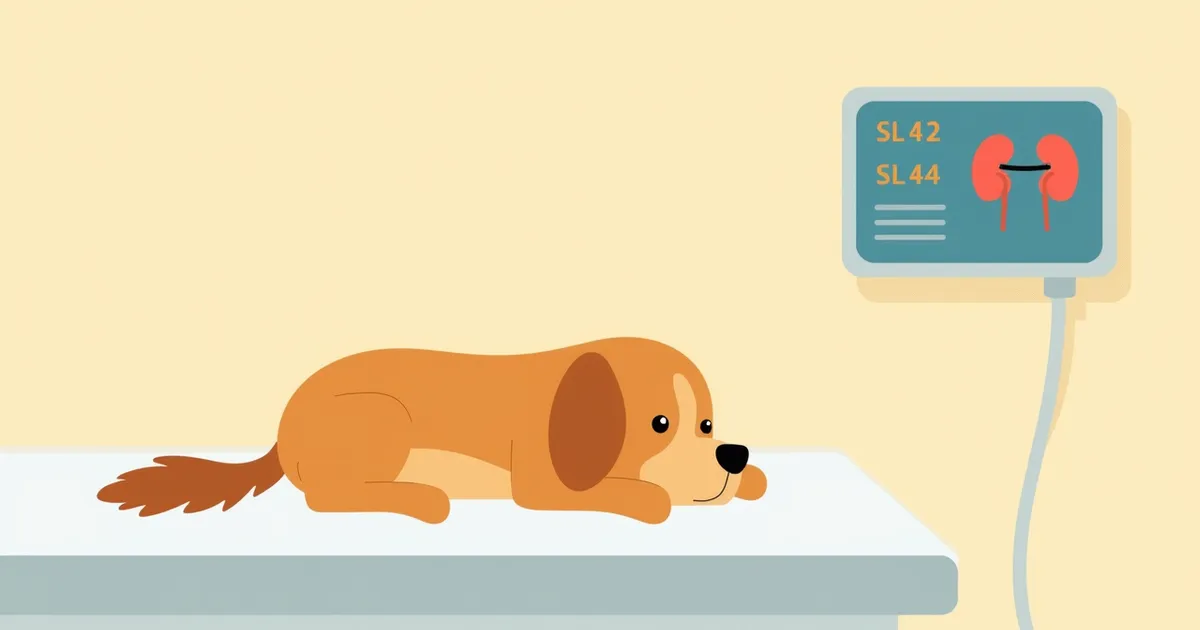
How Fast Is My Dog’s Kidney Disease Progressing? — Monitoring CKD Progression and Management Points
The progression of chronic kidney disease (CKD) in dogs varies from individual to individual, and regular monitoring is crucial for treatment success. Early detection and consistent management are key.

Why Is My Dog So Lethargic? — Causes and Treatment Points for CKD Anemia (EPO Deficiency)
EPO deficiency caused by chronic kidney disease is one of the main causes of anemia in dogs. Early detection and systematic management are important.

Puppy Drinking Excessive Water and Losing Weight — Causes and Treatment Timing for Chronic Kidney Disease (CKD)
Chronic kidney disease (CKD) in dogs is a condition characterized by a gradual decline in kidney function, making early detection and management crucial. Since symptoms often appear subtly, careful observation by pet owners is essential.

My Puppy Has a Fever and Back Pain — From Pyelonephritis Symptoms to Treatment
Pyelonephritis in dogs is an inflammatory condition caused by bacteria ascending to the kidneys, leading to symptoms such as fever, difficulty urinating, and abdominal pain. Early detection and appropriate treatment are essential.

Sudden Urine and Appetite Changes in Your Dog — Causes of Acute Kidney Injury and When to Seek Emergency Care
Acute kidney injury (AKI) in dogs is a critical condition where kidney function rapidly declines. Early detection and immediate treatment are crucial for survival.

ACE Inhibitors and ARBs for Dog Kidney Protection — Effects, Side Effects, and When to Use Them
ACE inhibitors and ARBs are important medications for managing chronic kidney disease in dogs. These drugs are effective in protecting kidney function and reducing proteinuria.

Complete Guide to Cat Urine Specific Gravity Testing — From Value Interpretation to Kidney Assessment
Specific gravity of urine is a key indicator for assessing kidney function in cats. If it falls outside the normal range, it could be an early sign of chronic kidney disease.
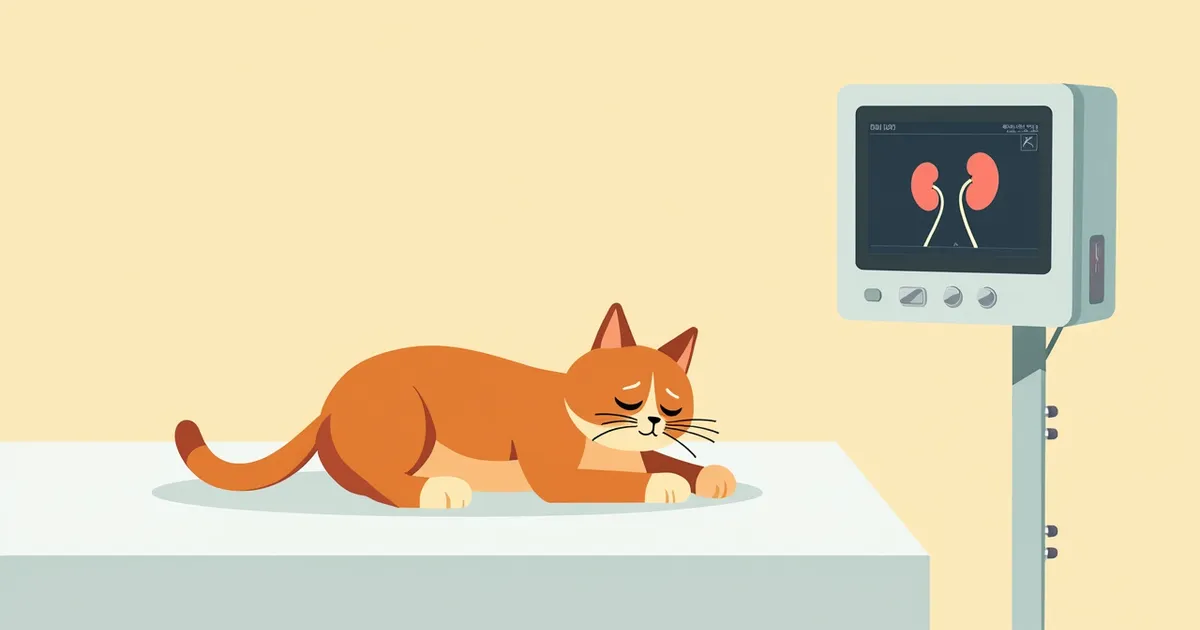
Cat Suddenly Unable to Urinate — Emergency Signs of Ureteral Obstruction and How to Respond
Feline ureteral calculi and ureteral obstruction are serious conditions that can severely impair kidney function due to blockage of the urinary tract. Early detection and appropriate treatment are key to improving survival rates.

Can I Administer Subcutaneous Fluids to My Cat at Home? — Safe Self-Administration and Warning Signs
Subcutaneous fluid therapy at home is a treatment used for cats that need hydration due to conditions like chronic kidney disease. It’s important to follow the correct procedure and precautions to ensure safety.

Complete Guide to Feline Renal Ultrasound — From Timing to Result Interpretation
Feline renal ultrasound is an important tool for the early detection and assessment of the progression of chronic kidney disease. Regular check-ups are key to maintaining your cat’s long-term health.

End-Stage Renal Disease in Cats: Is Kidney Transplantation the Answer? — Prognosis and Practical Decision Points
Kidney transplantation is one of the treatment options for end-stage renal disease in cats. Postoperative care is crucial and plays a key role in improving both survival time and quality of life.

When to Use Feline Kidney Supplements — Omega-3 Effects and Feeding Tips
Feline kidney dysfunction is a chronic condition, and supplements like omega-3 can help manage it. Early detection and proper care are essential.