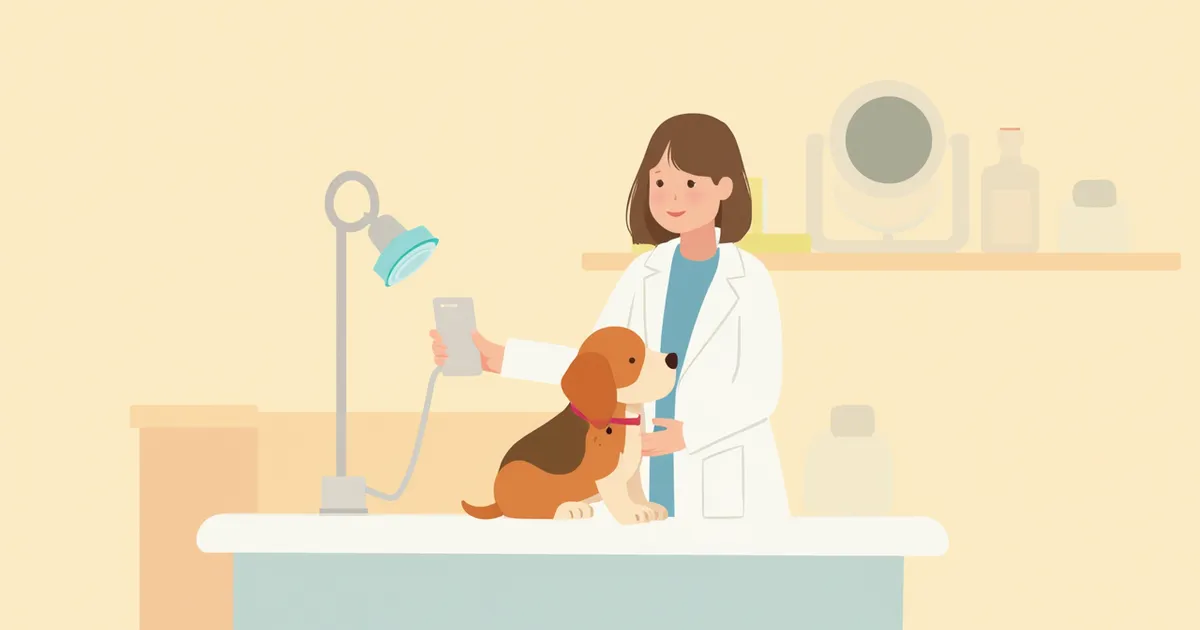
Beagle Regular Check-up Schedule — Age-Based Checklist and Management of Common Conditions by Life Stage
Beagles are prone to obesity, otitis externa, epilepsy, and hypothyroidism, making age-appropriate regular check-ups essential. Here’s a clear overview of Beagle check-up schedules and key examination items.

7-Point Checklist for Beagle Genetic Conditions — A Complete Guide for Lifelong Care by Owners
Here’s a summary of five common genetic and anatomical conditions in Beagles, along with signs owners should watch for at home and recommended intervals for regular check-ups.

Beagle Short-Hair Grooming Guide — Mastering Shedding and Ear Care
Beagles have short coats but shed heavily, and their floppy ears make them prone to frequent ear infections. Brushing two to three times a week and checking their ears once a week are essential.

Beagle Obesity Management (Prone Breed)
Beagles are a quintessential breed known for their strong appetite and susceptibility to obesity. We’ve compiled the essential information every owner should know, from assessing body condition scores to managing diet and exercise.

Worried About Your Floppy-Eared Beagle? Otitis Externa Warning Signs and Ear Care Timing
Beagles are prone to otitis externa due to their floppy ears, so cleaning their ears once or twice a week and keeping them dry are essential.

Pug Health Care Calendar — Age-Specific Check-ups and Periodic Management of Respiratory and Eye Health
Pugs are prone to breed-specific health issues such as brachycephalic airway syndrome, obesity, and spinal deformities. We’ve put together a schedule for regular check-ups and daily care tailored to puppies, adult dogs, and seniors.

Pug Genetic Condition Checklist (PDE, Hemivertebrae)
We’ve put together a comprehensive overview of the genetic conditions that require special attention in Pugs: PDE (necrotizing meningoencephalitis), hemivertebrae, and Brachycephalic Obstructive Airway Syndrome (BOAS). This guide includes the early warning signs and key management tips that every owner should know.
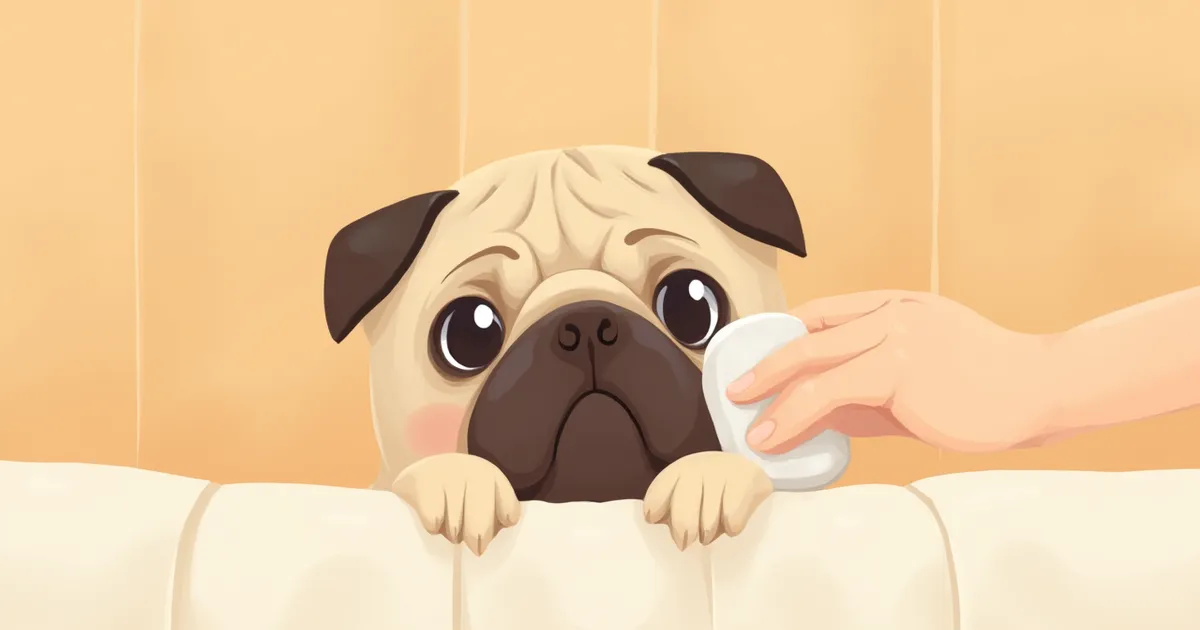
Pug Wrinkle & Double Coat Grooming — Key Care Tips to Prevent Dermatitis
Pugs require a grooming routine that differs from other breeds due to their deep facial wrinkles, double coat that sheds, and brachycephalic respiratory traits. We’ve summarized the essential care tips every owner should know, including wrinkle cleaning, undercoat maintenance, and eye and ear care.

Pug Body Temperature Regulation and Heatstroke Prevention
Pugs are at a very high risk of heatstroke due to their short-nosed anatomy. We’ve compiled essential body temperature management tips that owners should know, including summer walk safety, car safety, and emergency warning signs.

Pug Protruding Eyes: Daily Care and Eye Protection Guide to Preventing Corneal Ulcers
Pugs are prone to corneal injuries because their brachycephalic skull shape causes their eyes to protrude. Here’s a comprehensive guide to pug eye care, covering everything from daily maintenance to recognizing emergency warning signs.
Chihuahua Routine Check-ups and Lifelong Care Schedule
Chihuahuas require age-specific health screenings due to their small size and genetic predispositions. We’ve outlined the recommended check-up items and care schedules for each life stage: puppy, adult, and senior.

Complete Guide to Chihuahua Genetic Disorders — 7 Conditions from Patellar Luxation to Heart Disease
Chihuahuas are prone to hereditary conditions such as patellar luxation, hydrocephalus, and dental issues, which are common in their small frames. Here’s a comprehensive overview of the key points for lifelong care.
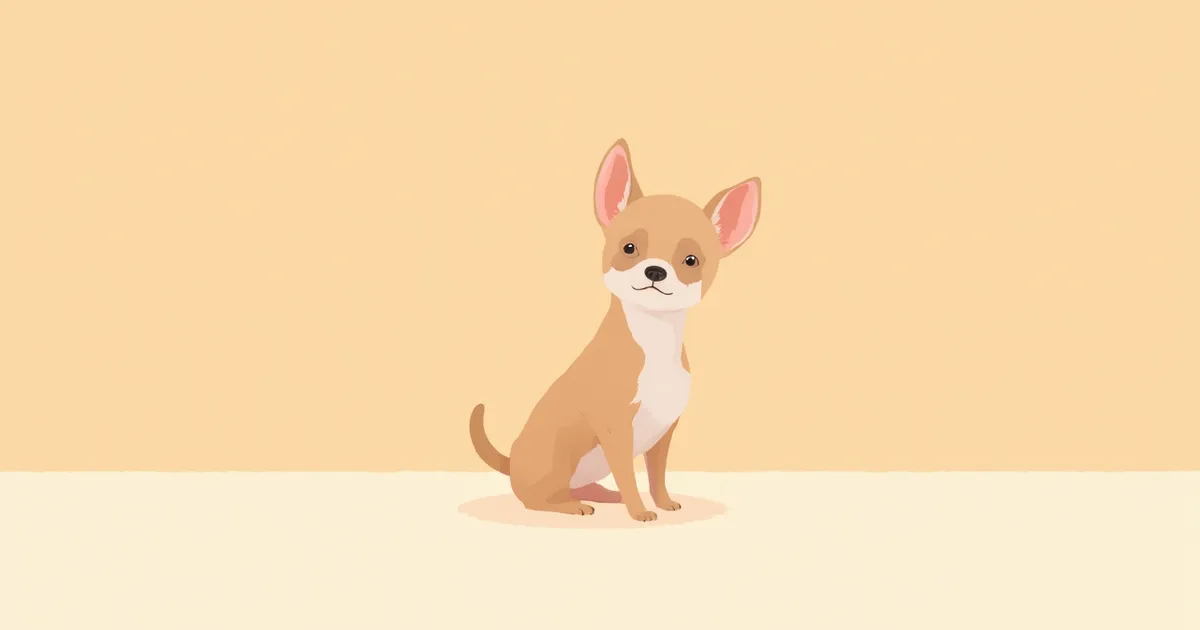
Symptoms and Management of Hydrocephalus and Molera in Chihuahuas
We’ve put together an easy-to-understand guide for pet owners on hydrocephalus and molera (a soft spot on the skull), which are common in Chihuahuas, covering their characteristics, symptoms, diagnosis, and management.

Yorkshire Terrier Health Care Calendar — Age-Specific Checkup and Patellar & Dental Care Schedule
Yorkshire Terriers are a small breed prone to genetic conditions such as tracheal collapse, patellar luxation, and portosystemic shunt. We’ve outlined age-specific routine check-up schedules and the essential items to keep in mind.
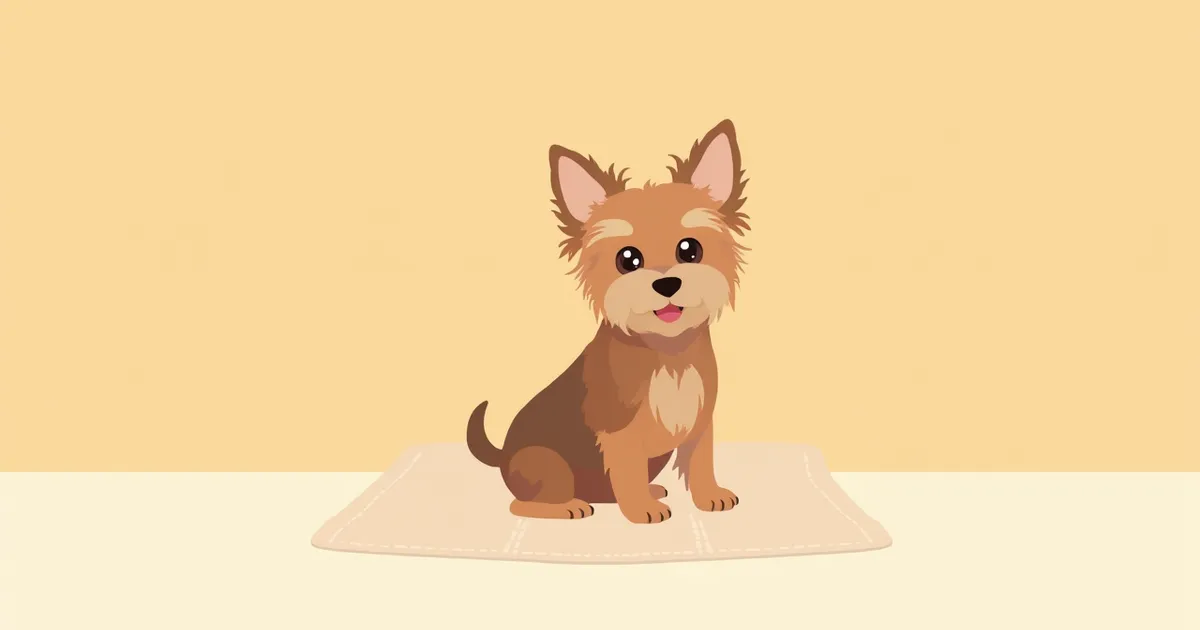
Yorkshire Terrier Genetic Conditions — Symptoms, Prevention, and Care Guide to Check Before Adoption
We’ve compiled a list of seven common genetic conditions in Yorkshire Terriers, along with early warning signs and a checklist for owners to monitor at home.

Complete Guide to Dachshund Genetic Conditions — A Checklist from Disc Disease to Eye Conditions
Dachshunds are a breed at high risk for intervertebral disc disease (IVDD), as well as genetic joint and eye conditions. We’ve outlined five key health concerns and prevention tips that owners should be aware of.

Cocker Spaniel Genetic Disease Checklist
We’ve compiled a list of key health conditions that Cocker Spaniels are genetically predisposed to—such as otitis externa, glaucoma, and autoimmune diseases—so owners can proactively monitor their pets’ health.

Cocker Spaniel Grooming Guide
Cocker Spaniels are prone to ear and skin issues, so grooming is essentially health care for this breed. Here’s a concise overview of the essentials, including frequency, tools, and proper ear-cleaning techniques.

Cocker Spaniel Ear Care (Prone to Otitis Externa)
Cocker Spaniels are highly prone to otitis externa due to their floppy ears and excessive glandular secretions. We’ve put together essential ear care tips for owners, covering everything from daily cleaning routines to recognizing emergency warning signs.
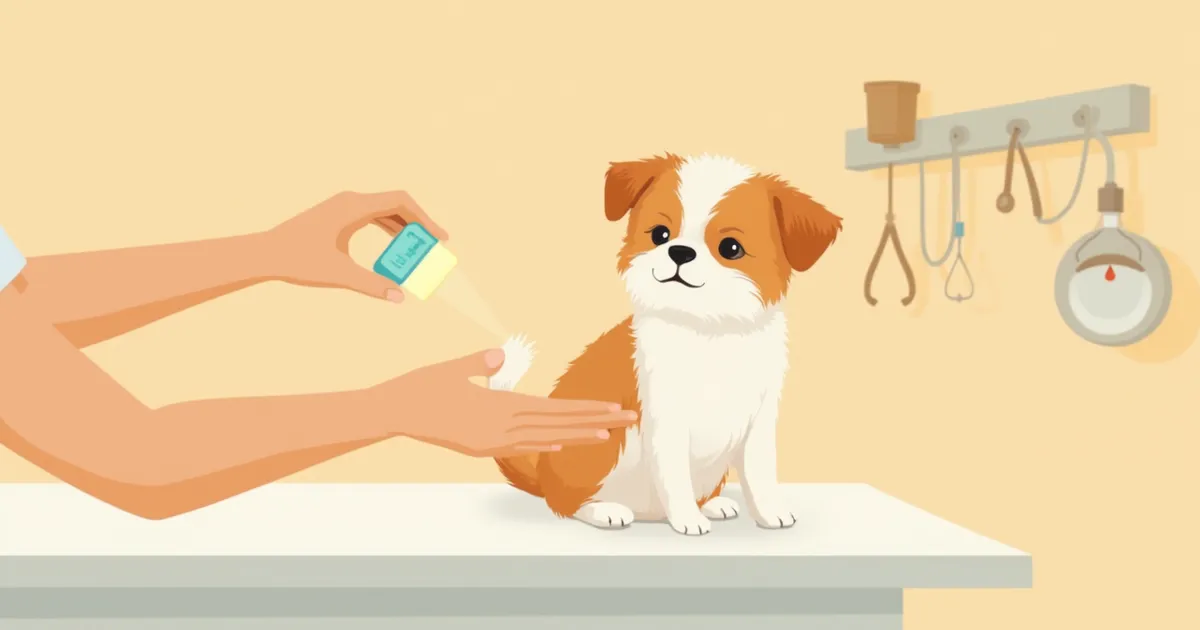
Shih Tzu Regular Check-ups & Lifelong Care — Age-Specific Predisposed Conditions and Stage-Based Management
Shih Tzus are prone to eye, dental, skin, and liver conditions, so knowing the recommended check-up items and frequency for each life stage can greatly support lifelong health management. Here’s a summary of age-specific screening schedules and key care points.
7 Hereditary Conditions in Shih Tzus: Symptoms, Causes, and Lifelong Care Guide
We’ve compiled a clear overview of the hereditary conditions to which Shih Tzus are particularly susceptible. We’ll also share key check points that owners should keep in mind for their eyes, joints, skin, and respiratory system.
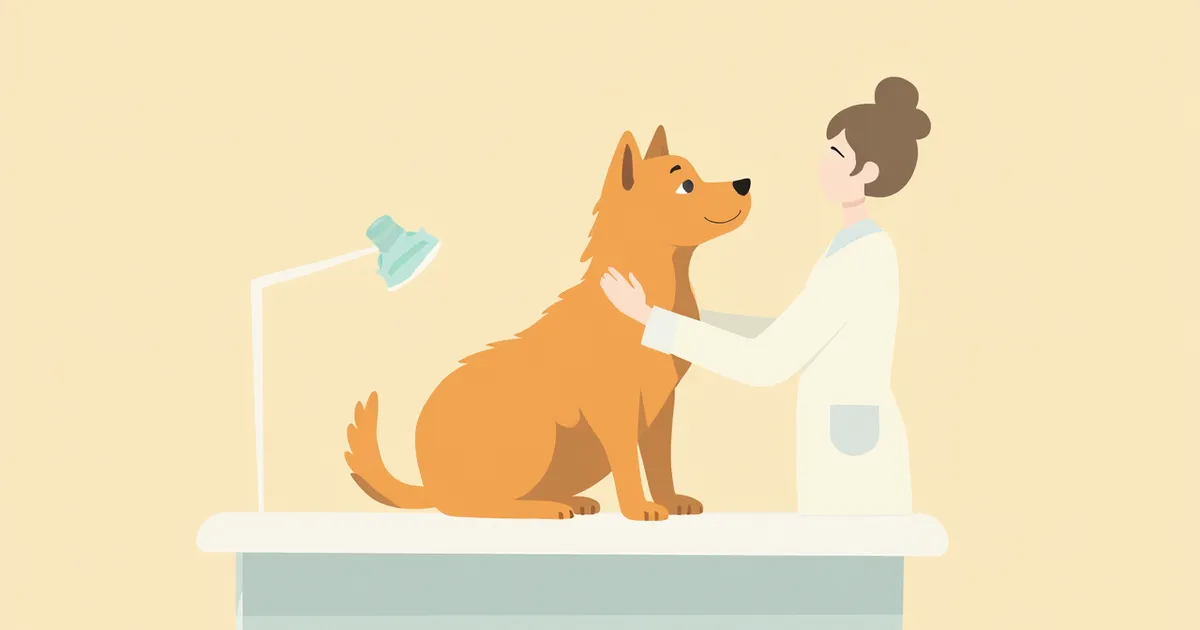
Golden Retriever Regular Check-up Schedule
Golden Retrievers are a large breed at higher risk for joint, heart, and tumor issues, making age-appropriate regular check-ups essential. Here’s a clear overview of the recommended exams and when to schedule them every six months.

Golden Retriever Genetic Condition Checklist — Essential Guide for Owners
Here are five common genetic conditions in Golden Retrievers, along with age-specific screening recommendations and signs you can monitor at home.

Golden Retriever Double Coat Grooming — Complete Guide to Brushing, Shedding, and Skin Care
Golden Retrievers require regular grooming due to their double coat. We’ve organized veterinary-based guidelines for brushing, bathing, and shedding management.