
Benefits of Omega-3 for Dogs and a Guide to Proper Feeding
We’ve compiled the benefits of omega-3 fatty acids for skin and coat health in dogs and cats, along with information on ingredient sources and proper feeding methods, all based on veterinary textbooks.

What is MSM for Dogs? Effects on Relieving Joint Pain
We’ve compiled the effects, side effects, and proper administration methods of MSM (methylsulfonylmethane) for relieving joint pain in dogs, based on veterinary textbooks.

What is Lutein? Effects on Dog Eye Health
Lutein is a representative antioxidant carotenoid that protects dogs' eye health. I've summarized its effects, administration methods, and criteria for selecting supplements based on veterinary textbooks.

What Is Glucosamine for Dogs? A Guide to Effects, Side Effects, and Recommended Dosage
We’ve compiled the effects, side effects, and proper administration methods of glucosamine for supporting your dog’s joint health, based on veterinary textbooks.

Chitosan Effects and Obesity/Fat Absorption
Chitosan is a dietary fiber extracted from the shells of crustaceans. It binds to fat in the intestines, reducing its absorption and helping with weight management as a supportive ingredient. Here’s a summary of its effects and precautions.

Phosphatidylserine Effects and Senior Dog Cognitive Function Management
Phosphatidylserine is a phospholipid component that makes up the cell membranes in dogs' and cats' brains. We've outlined why it may help manage cognitive decline in senior pets, along with proper administration guidelines.

Lactoferrin: Benefits for Immune Defense and Antibacterial Effects
Lactoferrin is an iron-binding protein found in colostrum, saliva, and tears, and it supports pets’ immune defense and exerts antibacterial effects. Here’s a summary of its benefits, supporting evidence, and precautions.

Iron Benefits, Deficiency Symptoms, and Feeding Guide
Iron is an essential mineral for your pet’s oxygen transport and energy metabolism. Here’s a complete guide covering deficiency symptoms, recommended intake, and precautions against overconsumption.

L-Lysine: Immune Support Benefits for Cats
L-lysine is an essential amino acid used to help manage feline herpesvirus and support immune function. Here’s a veterinary-backed overview of its benefits, recommended dosage, and important precautions.

Glutamine's Effect on Intestinal Mucosa Recovery
Glutamine is the primary energy source for intestinal cells, and it helps repair damaged intestinal mucosa and manage diarrhea and IBD.
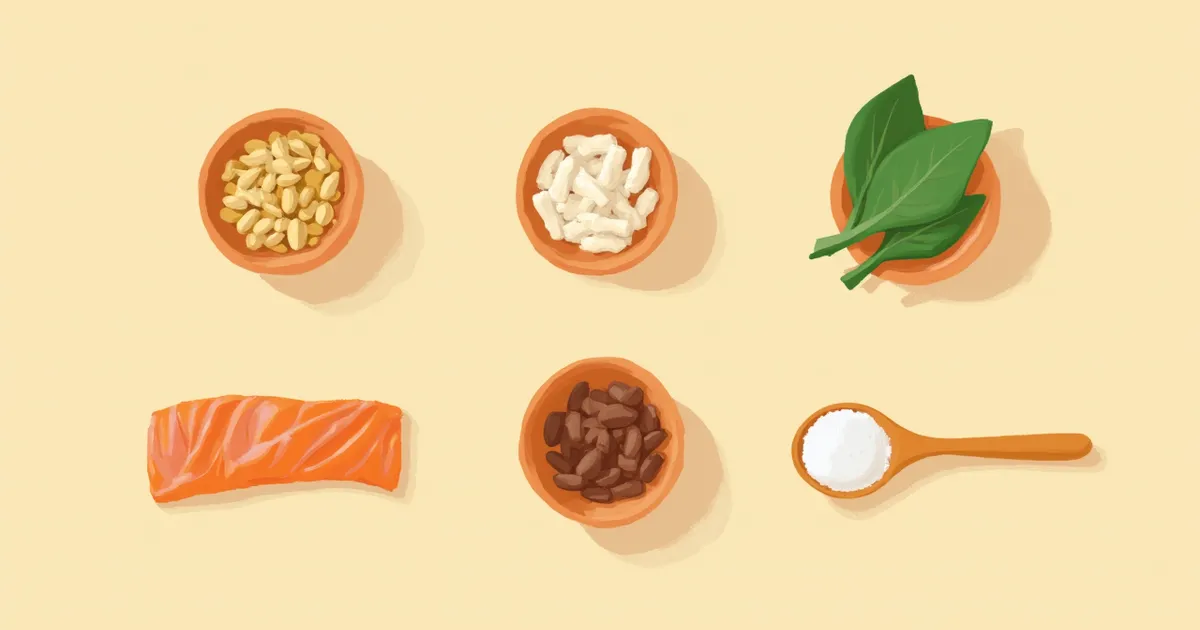
Magnesium Benefits and Feeding
Magnesium is an essential mineral involved in the function of over 300 enzymes in dogs and cats. Here’s a quick overview of its benefits, recommended dosage, and important precautions.

Guide to Feeding for Calcium-Phosphorus Balance
The calcium-to-phosphorus ratio is a key indicator that determines your pet’s bone and joint health. Here’s a summary of the recommended ratios for each life stage and important considerations when feeding.

Vitamin D Benefits and Recommended Dosage
Vitamin D is an essential fat-soluble vitamin for maintaining bone health and immune function in dogs and cats. Since both deficiency and excess can be dangerous, it’s important to know the correct dosage.

L-Theanine Effects and Calming Support
L-theanine is an amino acid extracted from green tea that helps alleviate stress and anxiety in dogs and cats. Here’s a summary of its mechanism of action, recommended dosage, and precautions.

5 Inulin Benefits Veterinarians Are Watching — Prebiotic for Dog Gut Health
Inulin is a well-known prebiotic dietary fiber that helps nourish beneficial gut bacteria. Here’s a clear overview of its benefits, recommended serving sizes, and important precautions.

5 Signs of Histidine Deficiency in Dogs and Feeding Guidelines Explained by Veterinarians
Histidine is an essential amino acid that both dogs and cats must obtain from their diet. We’ve summarized its key roles in supporting immune function, skin health, and joint health, as well as the symptoms that can arise when it’s deficient.

5 Key Points on Manganese’s Joint and Cartilage Health Benefits and Feeding Tips Selected by Veterinarians
Manganese is an essential trace mineral for cartilage synthesis and joint health in dogs and cats. Here’s a detailed guide on recommended amounts, precautions, and key feeding methods.

Riboflavin (B2): Effects on Energy and Skin
Riboflavin (Vitamin B2) is a water-soluble vitamin that supports energy metabolism and skin and eye health in dogs and cats. Here’s a clear overview of deficiency symptoms and appropriate dosage.
5 Key Benefits of Vitamin B6 (Pyridoxine) for Dogs, According to Veterinarians
Pyridoxine is a water-soluble vitamin essential for protein and amino acid metabolism. It is necessary for both dogs and cats, and a deficiency can lead to skin and neurological issues.
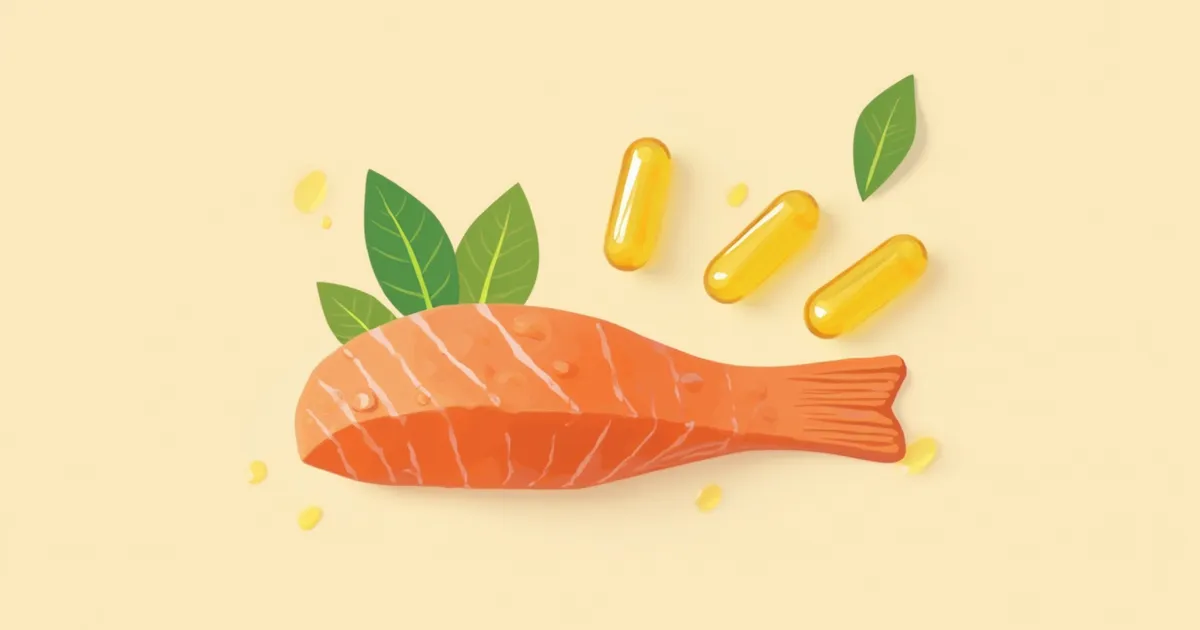
5 Benefits of EPA for Pets Explained by Veterinarians — Standalone Feeding Guide
EPA is an omega-3 fatty acid abundant in fish oil. It is effective for managing inflammation in the heart, joints, and skin. We provide guidance on recommended dosages based on body weight and precautions for feeding it as a standalone supplement.

Colostrum Benefits and Complete Guide to Immune Support
Colostrum is a special type of milk rich in immune-boosting substances that a mother produces right after giving birth. We’ve put together key ingredients that help strengthen your dog or cat’s immunity and support gut health, along with proper feeding guidelines.

7 Roles of Copper Explained by Veterinarians — A Key Guide to Coat Color and Liver Health
Copper is an essential trace mineral for dogs and cats, playing a key role in coat color development, iron metabolism, and liver function. Both deficiency and excess can cause health issues, so maintaining the right balance is crucial.

7 Key Benefits of Iodine for Pet Thyroid Health, Explained by Veterinarians
Iodine is an essential mineral for producing thyroid hormones in dogs and cats. Both deficiency and excess can be harmful, so it's important to ensure your pet's food contains the appropriate amount.
6 Effects of Resveratrol for Pets Noted by Veterinarians — Antioxidant and Cardiovascular Protection
We’ve compiled the veterinary evidence behind resveratrol’s antioxidant and cardiovascular benefits, along with important precautions for feeding it to pets.