
Feline Bronchiectasis: Symptoms, Causes, Diagnosis, Treatment, and Management Essentials
Feline bronchiectasis is a chronic respiratory condition in which the bronchi become permanently dilated, leading to coughing and difficulty breathing. Early diagnosis and management are essential.

If Your Dog Has High Fever and Hematuria — Causes and Treatment Timing for Pyelonephritis
Pyelonephritis in dogs is an upper urinary tract disease in which bacteria ascend from the bladder to the kidneys. Early antibiotic treatment is key to preventing kidney damage.

Gum Overgrowth in Dogs (Idiopathic and Drug-Induced): Symptoms, Causes, Diagnosis, Treatment, and Management Essentials
Gum overgrowth in dogs is a condition where the gum tissue enlarges abnormally, with idiopathic and drug-induced causes being the primary factors. Early detection and proper management are essential.

Canine Elongated Soft Palate: Symptoms, Causes, Diagnosis, Treatment, and Management Essentials
Canine elongated soft palate is a genetic abnormality that obstructs airflow during inhalation, and it occurs more frequently in certain breeds due to their specific characteristics. Early diagnosis and appropriate management are essential.

Canine Oral Squamous Cell Carcinoma: Symptoms, Causes, Diagnosis, Treatment, and Management Essentials
Canine oral squamous cell carcinoma is a malignant tumor that develops in the mouth, and early detection significantly improves treatment success rates. Common symptoms include bad breath, bleeding, and difficulty eating.

Struvite Stones in Dogs: Symptoms, Causes, Diagnosis, Treatment, and Management Essentials
Struvite stones in dogs are crystals formed by the combination of calcium, magnesium, and phosphate in the urinary tract, which can cause difficulty urinating and pain. Early detection and proper management are essential.

Comprehensive Guide to Canine Dental Radiography: Symptoms, Causes, Diagnosis, Treatment, and Management
Dental X-rays are a key diagnostic tool for uncovering hidden problems in your dog’s tooth roots, gums, and jawbone. Regular check-ups help prevent tooth loss and support your pet’s overall health.

Canine Urinary Incontinence and Urethral Sphincter Mechanism Incompetence: Symptoms, Causes, Diagnosis, Treatment, and Management Essentials
Canine urinary incontinence is a condition in which a dog cannot properly hold its urine due to weakened urethral sphincter function, and it most commonly occurs in older dogs or after whelping. Accurate diagnosis and proper management are essential.

Hematuria in Dogs: Symptoms, Causes, Diagnosis, Treatment, and Care Essentials
Hematuria in dogs is a condition where blood appears in the urine, and it can be caused by various factors such as infections, stones, or other diseases. Early diagnosis and treatment are crucial.

Comprehensive Guide to Feline Parasite Preventative Resistance: Symptoms, Causes, Diagnosis, Treatment, and Management
Resistance to feline parasite preventatives occurs when parasites become less responsive to medications, reducing their effectiveness. Accurate diagnosis and tailored management are essential.

Feline Calcium Oxalate Uroliths: Symptoms, Causes, Diagnosis, Treatment, and Management Essentials
Feline calcium oxalate uroliths are hard crystals that form in the urinary tract and can cause pain and difficulty urinating. Early diagnosis and proper management are essential.

Feline Calicivirus: Symptoms, Causes, Diagnosis, Treatment, and Management Essentials
Feline calicivirus is a contagious viral disease that causes respiratory and oral conditions in cats. Because symptoms can vary widely and the virus is prone to recurrence, early intervention is crucial.

Neurogenic Bladder in Dogs: Symptoms, Causes, Diagnosis, Treatment, and Management Essentials
Neurogenic bladder in dogs is a condition in which nerve damage prevents the bladder from contracting properly, making it difficult for the dog to urinate on time. Early detection and appropriate management are essential.

A Complete Guide to Canine Gingivitis: Symptoms, Causes, Diagnosis, Treatment, and Care
Gingivitis in dogs is an inflammation of the gum tissue surrounding the teeth, which can cause pain, bleeding, and bad breath. Early detection and proper care can help prevent serious tooth loss.

Monitoring a Dog’s Respiratory Rate (RR) During Sleep: Heart Symptoms, Causes, Diagnosis, Treatment, and Management Tips
A dog’s respiratory rate (RR) during sleep is an important indicator for assessing heart and lung function. Early detection of abnormalities is key to effective treatment.

Feline Struvite Urinary Stones: Symptoms, Causes, Diagnosis, Treatment, and Management Essentials
Feline struvite stones are acidic urinary stones that can cause difficulty urinating and pain. Early diagnosis and proper management are key.

Puppy Basic Vaccination Schedule: Symptoms, Causes, Diagnosis, Treatment, and Management Essentials
The basic vaccination schedule for puppies begins at 6 to 8 weeks of age and plays a crucial role in disease prevention. Administering vaccines at the right time and in the proper way ensures the development of safe and effective immunity.

Complete Guide to Canine Echinococcus: Symptoms, Causes, Diagnosis, Treatment, and Management
Echinococcus in dogs is a parasite that poses a serious health threat to both humans and animals. Because symptoms can be subtle, early detection is crucial.

Canine Oral Cysts (Dental Cysts): Symptoms, Causes, Diagnosis, Treatment, and Management Essentials
Canine oral cysts are lesions that form when tissue remnants from tooth development fill with fluid. While they’re often asymptomatic in the early stages, larger cysts can make it difficult for your dog to open its mouth or swallow.

Comprehensive Guide to Symptoms, Causes, Diagnosis, Treatment, and Management of Oral Bacteria and Systemic Diseases in Dogs
Bacteria in your dog’s mouth are closely linked not only to dental problems but also to systemic diseases affecting the heart, kidneys, and liver. Early detection and proper management are essential.
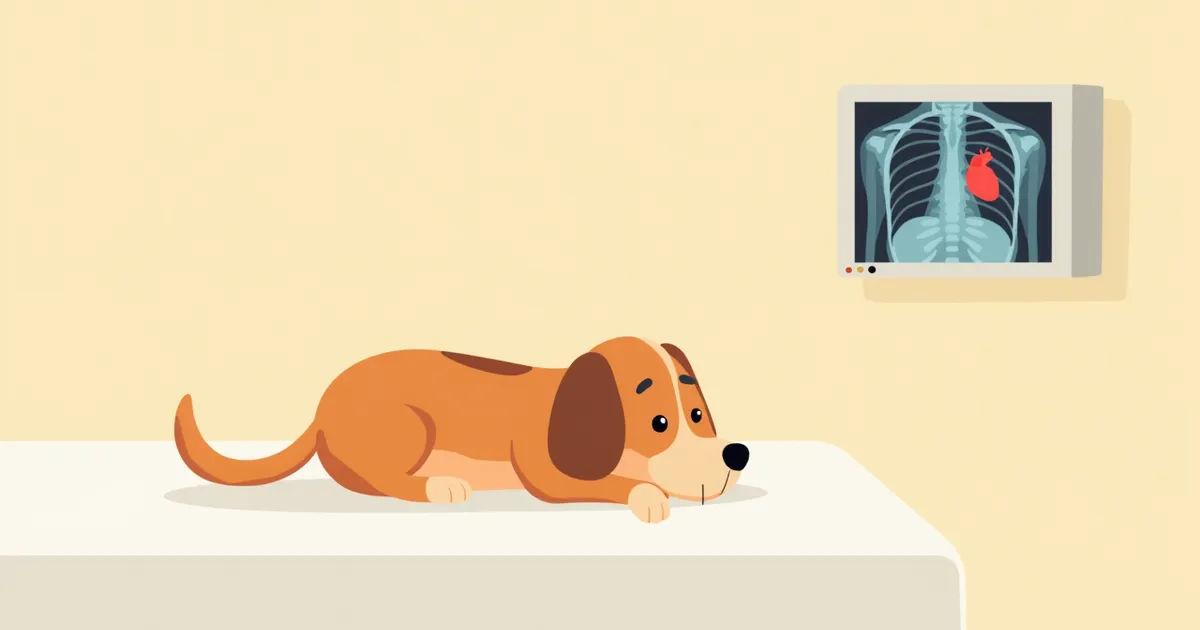
Dog Chest X-ray Interpretation: Symptoms, Causes, Diagnosis, Treatment, and Care Points Summary
Chest X-ray interpretation is a key tool in diagnosing respiratory diseases in dogs. Accurate interpretation and an appropriate treatment plan are essential.

Comprehensive Guide to Feline Lung Auscultation Findings: Symptoms, Causes, Diagnosis, Treatment, and Management
Lung auscultation is a key method for detecting early signs of feline lung disease. Changes in auscultatory findings can occur due to various causes, including infections, inflammation, and bronchial diseases.

Cat Urethral Catheter Insertion Management: Symptoms, Causes, Diagnosis, Treatment, and Key Care Points
Proper management of urinary catheterization in cats is an essential veterinary measure to reduce the risk of urinary obstruction. Without accurate care, the risk of infection or recurrence increases significantly.

Feline Bladder Ultrasound: Symptoms, Causes, Diagnosis, Treatment, and Care Essentials
Feline bladder ultrasound is a non-invasive diagnostic method that precisely evaluates the structure and function of the bladder. It may be recommended by a veterinarian when symptoms such as abdominal pain or urinary difficulties are suspected.